




Edwardian Diamond Stud Earrings
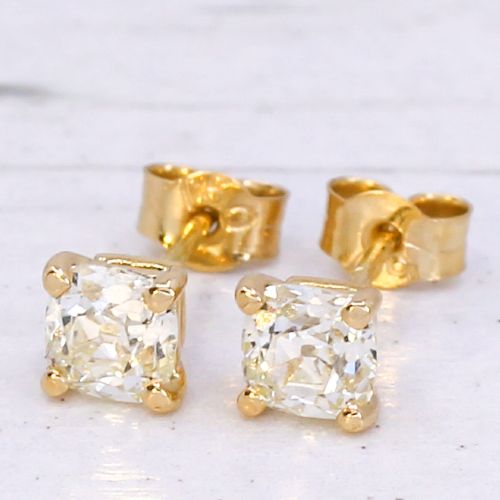
Edwardian diamond stud earrings bring refined brilliance to the ear, offering delicate old cut stones and fine metalwork.
Edwardian Diamond Stud Earrings
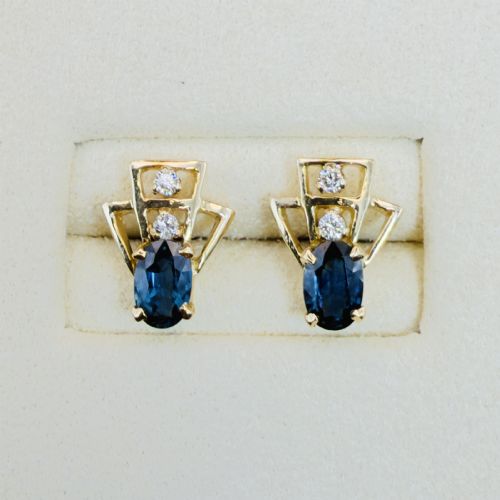
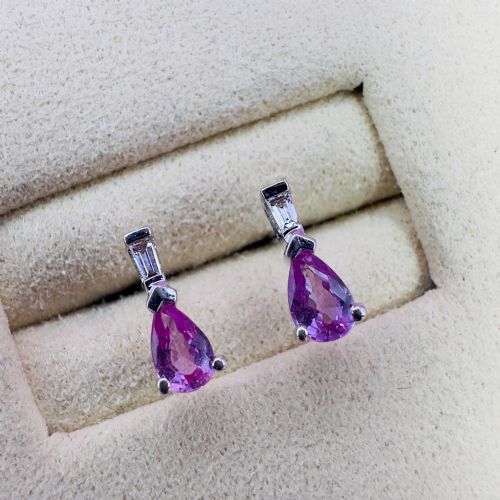
Edwardian diamond stud earrings capture an era of intricate detail, featuring central diamonds accompanied by sapphires, pearls, or rubies. These pieces combine smaller cluster designs with significant platinum and gold settings.
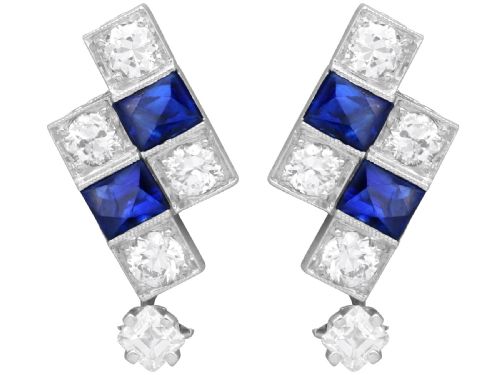
The selections available here span from the Edwardian period through the 1920s and 1930s, reflecting shifts from organic motifs into geometric Art Deco styles. Most common are classic cluster configurations and solitaire designs set in white gold, yellow gold, or platinum.
Assessing Quality and Distinction
Quality rests in the matching and proportion of the central diamonds and surrounding stones, alongside the crispness of the metalwork. Superior examples demonstrate harmonious integration between the gemstones and the supporting gold or platinum frame.
The finesse of the claw settings and the clarity of cut within older diamond forms differentiate standard workshop output from exceptional examples. Preservation of the original metal colour and secure stone placement elevate individual pieces.
A charming clover design from the Art Nouveau period proves that even historical jewellers knew clover leaves brought extra luck to the wearer.
The Edwardian Diamond Stud Earrings Glossary
- Old cut
- A vintage diamond cutting style characterised by a small table, high crown, and deep pavilion designed to catch candlelight. These cuts display softer facets than modern brilliant cuts.
- Rose cut
- A historic diamond cut featuring a domed top covered in triangular facets and a flat base. It produces a subtle, translucent shimmer rather than intense fire.
- Cluster
- An arrangement where a central gemstone is surrounded by a border of smaller stones. This configuration maximises visual impact and combines different gems such as sapphires and diamonds.
- Platinum
- A dense, strong white metal favoured during the Edwardian period for delicate yet secure settings. It allowed jewellers to create fine wirework without risking structural failure.
Edwardian Diamond Stud Earrings: Frequently Asked Questions
How do I care for antique stud earrings?
Clean these pieces gently using warm soapy water and a soft brush, avoiding harsh chemical dips that might harm softer gems like pearls or opals. Store them individually in lined boxes to prevent the metal and stones from scratching.
Regularly check the security of the claw settings with a loupe, especially if the earrings are worn frequently. Professional inspection by a specialist jeweller ensures the mounts remain secure.
Are these earrings suitable for daily wear?
These antique earrings can be worn regularly provided they are handled with care and stored safely when not on the ear. Platinum and 18ct gold offer good durability for daily use.
Take them off before swimming, exercising, or sleeping to protect delicate settings and older stones from accidental knocks. Gentle handling preserves the original craftsmanship for future generations.
How can I tell an Edwardian setting from Art Deco?
Edwardian settings often feature organic motifs, delicate garland patterns, and intricate platinum millegrain work. They tend to use yellow gold alongside platinum for a softer aesthetic.
Art Deco designs introduce geometric lines, sharp angles, and symmetrical patterns, frequently favouring all-white platinum or white gold mounts. The transition reflects changing tastes from flowing Edwardian curves to streamlined modernity.
What type of backing do these antique earrings have?
Antique earrings often feature original closures or post fittings suited to the piercing styles of their era. Some rely on traditional friction backs or threaded posts adapted over time.
Buyers should examine specific listings to understand the exact fastening mechanism provided with each pair. Modern replacements are sometimes fitted for security during daily wear.