



Old Master Study
An old master study captures the direct hand of a historical painter or draughtsman before the final canvas.
Old Master Study
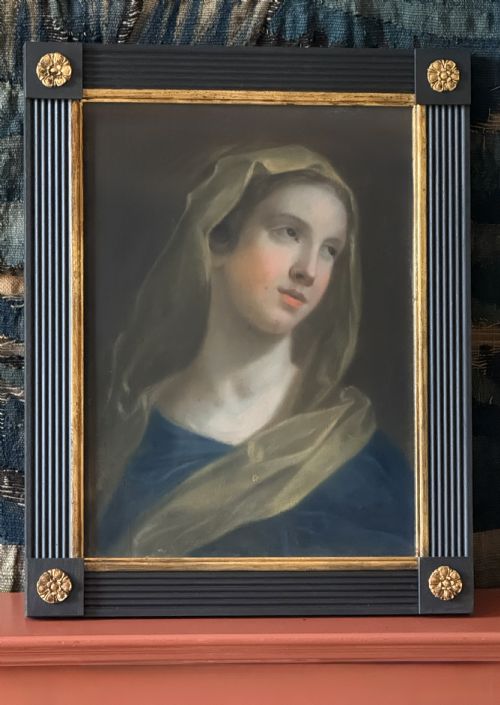
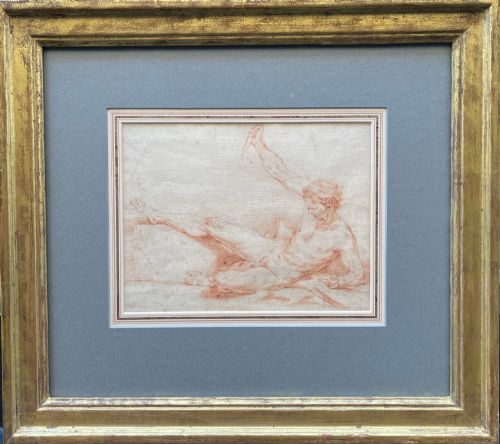
An old master study represents a preparatory drawing or painted sketch produced by European artists across several centuries. These works record preliminary thoughts for larger compositions, compositional trials, or anatomical observations made directly from life.
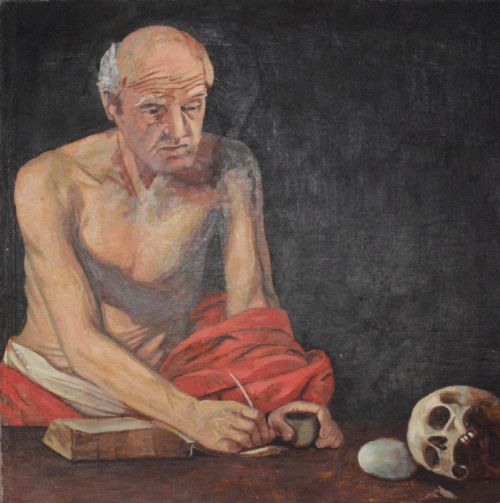
The versions most commonly met on this page span the seventeenth, eighteenth, and nineteenth centuries, taking the form of framed drawings, oil paintings, and portrait sketches. Subjects range from classical mythology and biblical figures to expressive head studies and equestrian scenes.
Examples frequently connect to named schools or followers of major European traditions, including Italian, French, Dutch, and German hands. Such pieces offer direct insight into historical studio practices and the foundational training of past artists.
How they were made
Works on paper employ media such as charcoal, red chalk, and sanguine to build rapid, expressive lines and tonal depth. These materials allowed artists to capture immediate gesture and shadow quickly before translating the design to panel or canvas.
Painted studies utilise oil on canvas or wood panels, often executed with loose, visible brushwork that reveals the artist's working process. Such techniques distinguish preparatory exercises from finished cabinet pictures meant for formal display.
Old Master Study Retail Price Guide 2026
Typical asking prices for old master study among the pieces listed under this phrase on Sellingantiques today, from the lower quarter to the upper quarter. They describe what is for sale here now, not the wider market.
Represented forms include framed drawings, equestrian scenes, portrait studies, and expansive landscape compositions.
What varies in quality
Quality rests upon the certainty of the draughtsmanship and the expressive power held within the line or brushstroke. A successful study displays confident execution where every mark contributes to anatomical structure or spatial tension.
Condition and preservation heavily influence the standing of a piece, particularly with works on paper subject to fading or foxing. The survival of clear attribution or direct stylistic links to known regional schools also shapes the historical importance of the work.
Hyacinthe Colin de Vermont·Bartolomeo Schedoni·Peter Paul Rubens·John Hoppner·Johan Noah Bemmel·Henri Dutzschold
The Old Master Study Glossary
- Sanguine
- A type of red chalk made from haematite, widely used by artists for portraiture and figure drawing due to its warm, earthy tone. The medium allows for subtle blending and sharp hatching.
- Preparatory study
- A preliminary drawing or painting executed to work out composition, lighting, or anatomy before starting a principal commission. These pieces capture the raw developmental stages of an artwork.
- Plein air
- The practice of painting outdoors to capture direct natural light and atmospheric conditions. This approach became central to landscape and study traditions.
- School
- A group of artists working within a specific region and period who share stylistic traits, technical methods, and workshop influences. Attributions to a particular school denote shared geographic and artistic heritage.
Old Master Study: Frequently Asked Questions
What is an old master study?
An old master study is a preliminary drawing or painting created by a historical artist to explore a composition, figure, or lighting effect.
These pieces were typically working documents kept in the artist's studio rather than finished works intended for exhibition.
How do drawings differ from oil studies?
Drawings on paper utilise media like red chalk or charcoal to focus primarily on line, contour, and tonal shading.
Oil studies employ pigment on canvas or panel, allowing the artist to experiment with colour relationships and wet-in-wet brushwork.
How should I frame these works?
Works on paper require conservation mounting behind glass with UV protection to prevent fading from light exposure.
Oil studies on canvas or panel benefit from traditional wooden frames that support the edges without putting pressure on the painted surface.
Can I identify the exact period?
Periods can often be identified through the watermark of the paper, the preparation of the canvas, and the prevailing stylistic conventions of the framing era.
Handling marks, inscriptions on the reverse, and stylistic comparisons to dated works by regional schools provide further chronological clues.