



Old Master Canvas
An old master canvas brings centuries of European painting tradition into a room through historic oils executed on woven fabric.
Old Master Canvas
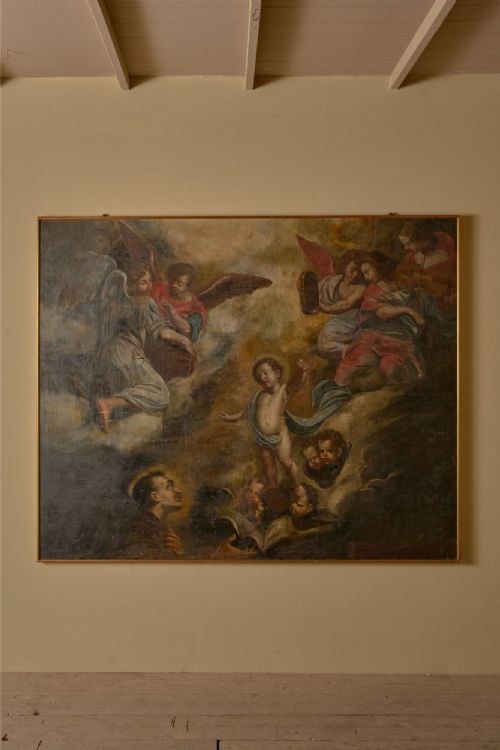
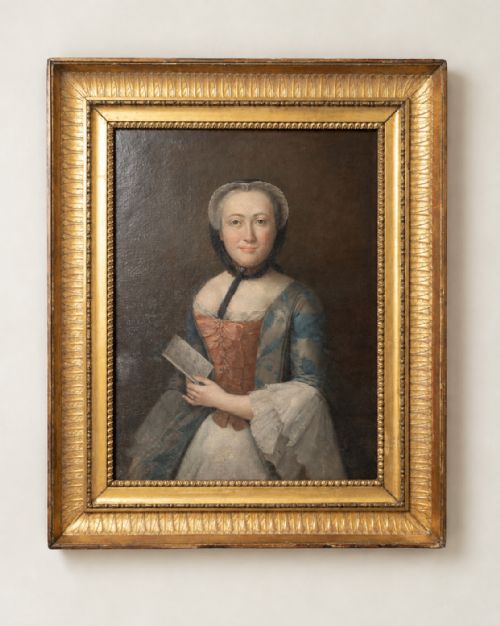
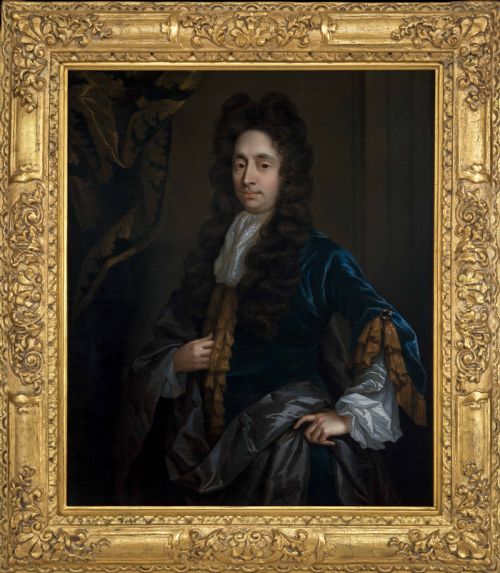
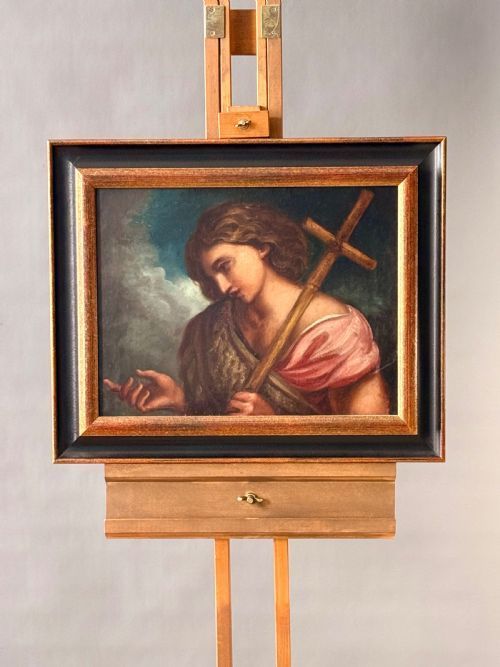
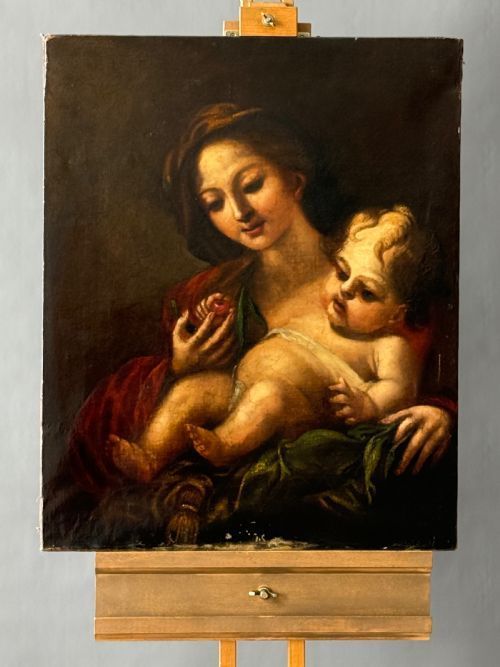
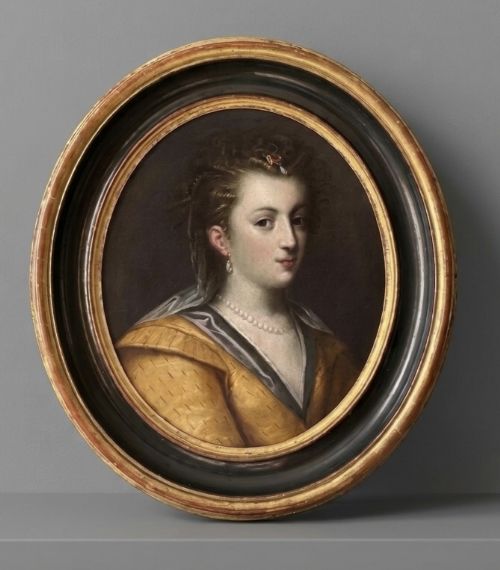
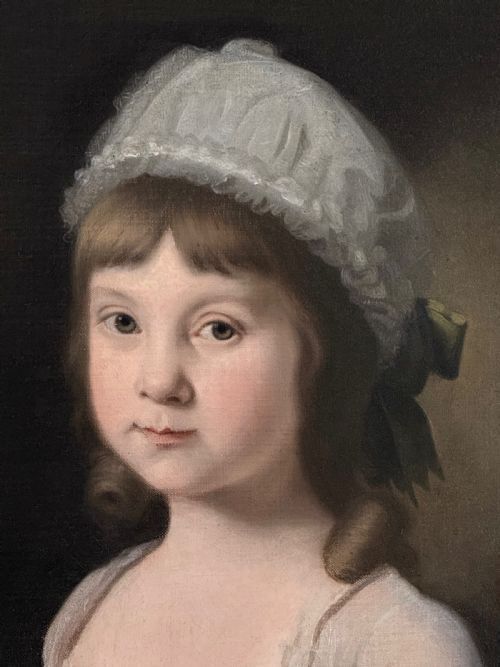
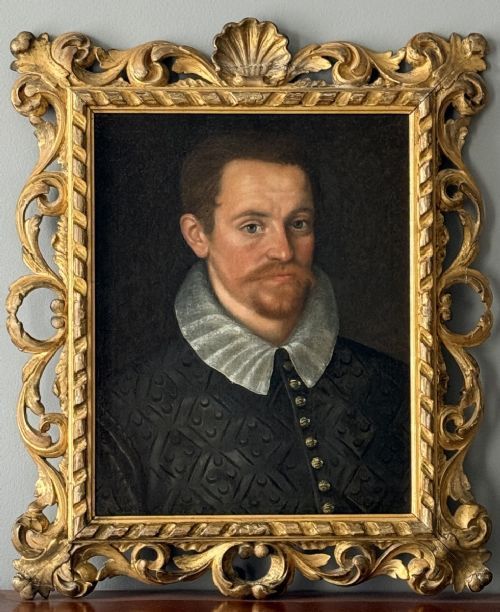
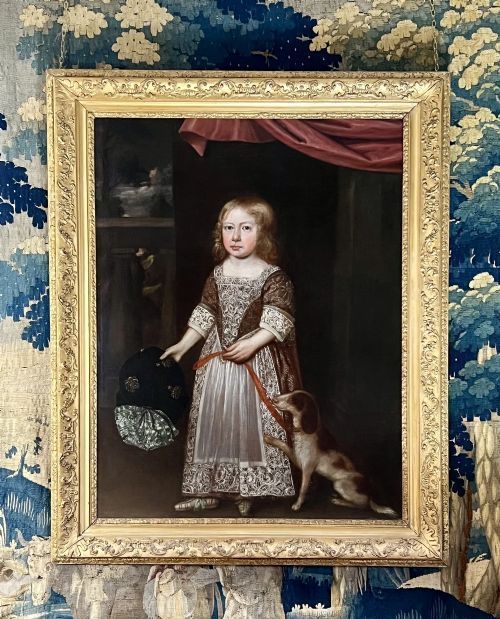
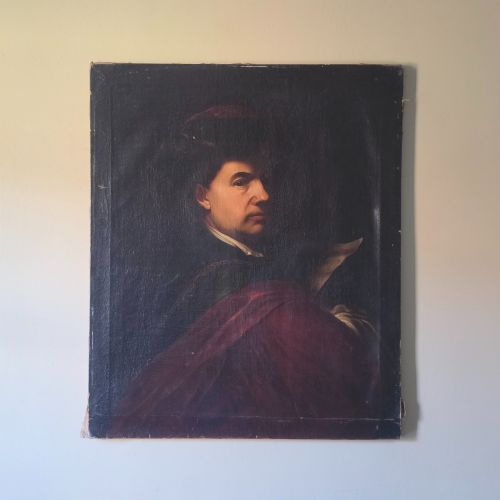
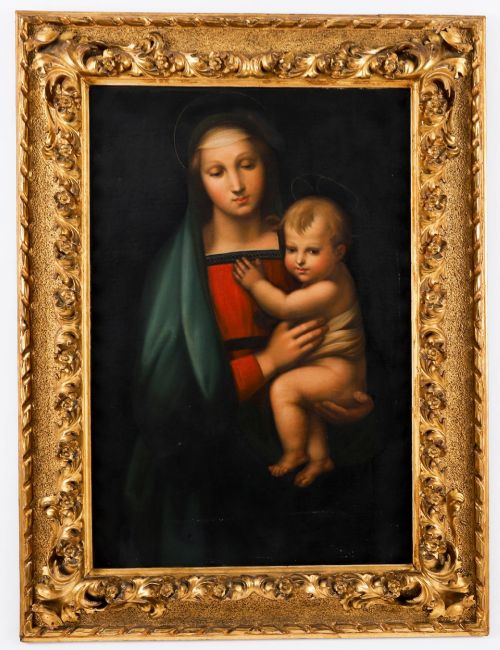
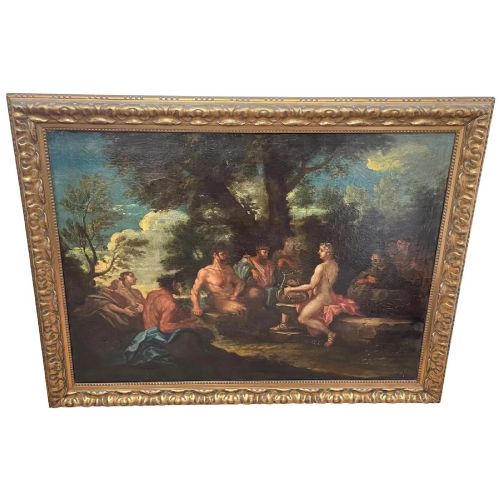
When you examine an old master canvas, you encounter oil paintings originating from periods spanning the sixteenth, seventeenth, and eighteenth centuries, alongside later interpretations in historical styles. The examples you are most likely to meet on this page include portraits of noblemen, ladies, and children, as well as classical mythological scenes and religious subjects.
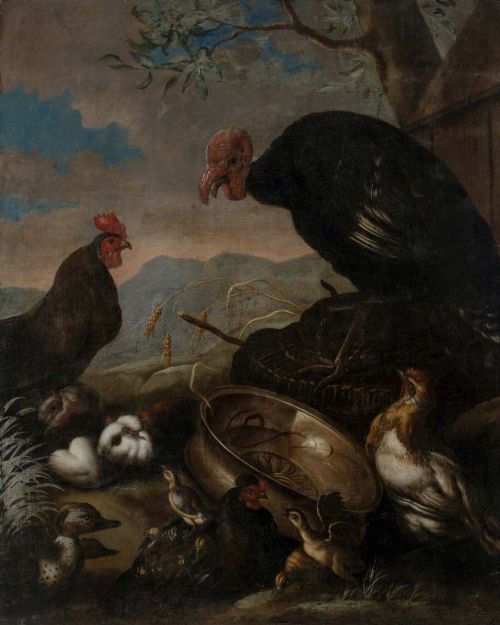
These works frequently emerge from European traditions such as the Italian Renaissance, Dutch Golden Age, Flemish Baroque, and Spanish Baroque schools. Many pieces represent circles, followers, or studios of renowned painters rather than primary signed works by singular masters.
Materials and Technique
The foundational support relies on woven textile canvas prepared with gesso or priming layers before artists applied oil paint combined with natural pigments. Painters utilised brushes of varying fineness to build up glazes, skin tones, and rich draperies, sometimes revealing pentimenti where compositional adjustments occurred beneath the surface.
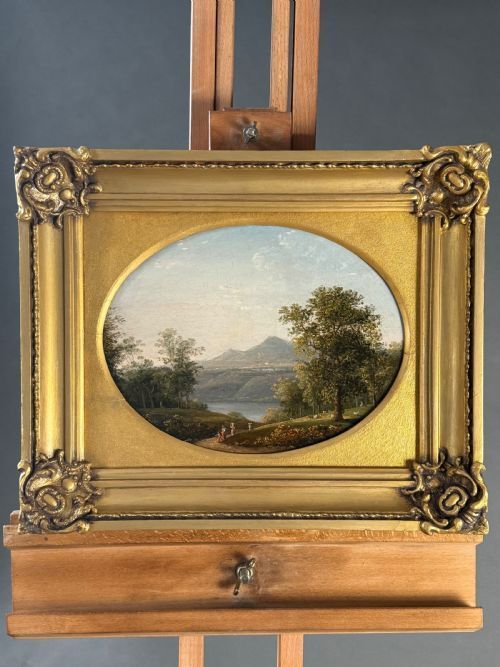
Surrounding the paintings are wooden frames finished with gold leaf or gilded wood, which provide structural support and historical context. Over the centuries, these materials accrued natural craquelure and patination specific to ageing oil on canvas.
Old Master Canvas Retail Price Guide 2026
Typical asking prices for old master canvas among the pieces listed under this phrase on Sellingantiques today, from the lower quarter to the upper quarter. They describe what is for sale here now, not the wider market.
Listings feature oil on canvas paintings spanning the sixteenth to the twentieth centuries, utilising materials such as gold leaf, giltwood, and wood.
Evaluating Quality
The integrity of the original canvas and paint layer also determines standing, as untouched surfaces with minimal restoration outrank heavily repainted panels. Furthermore, the association with a documented studio, circle, or identified hand elevates the historical importance of the piece.
Studio M Canals·Lavinia Fontana·Raphael·Jacob Philipp Hackert·Bernardino Luini·Mary Beale·Sir Peter Lely·Joshua Reynolds·Angelo Maria Crivelli·Pietro Fachetti·Toussaint Gelton·David Teniers·Adriana Verelst·Sir Anthony Van Dyck·Philippus Vilain·Frans Hals·James Maubert·Nicolaes Maes·Benvenuto Tisi·Francesco Solimena
The Old Master Canvas Glossary
- Pentimento
- An alteration in a painting evidenced by previous strokes showing through the upper layers of paint. This phenomenon proves that the artist composed directly onto the canvas rather than following a rigid transfer.
- Craquelure
- The fine network of minute cracks that forms across the surface of old oil paint as it hardens over centuries. It serves as a natural indicator of age and material stability.
- Giltwood
- Wood that has been treated and covered with a thin layer of gold leaf. Period frames utilising this technique complement the aesthetic of historical oil paintings.
- Circle of
- A designation indicating that a painting was produced by an unidentified artist working closely within the studio environment of a named master. The style directly reflects the teaching and methods of that master.
- Baroque
- The dominant artistic style of the seventeenth century characterised by dramatic lighting, deep shadows, and dynamic movement. Works from this period emphasise emotional intensity and theatrical composition.
Old Master Canvas: Frequently Asked Questions
What is an old master canvas?
An old master canvas is an oil painting created in Europe roughly between the sixteenth and eighteenth centuries. These works include portraits, religious narratives, and mythological scenes produced by established historical schools.
They reflect the prevalent artistic techniques, materials, and stylistic developments of periods such as the Dutch Golden Age and the Italian Renaissance.
How do I identify a period frame?
Period frames are constructed from wood and finished with gold leaf or gilded wood matching the era of the painting. They often exhibit hand-carved ornamentation and natural ageing appropriate to the centuries.
Examining the construction joints and the wear on the gilding helps determine whether the frame belongs to the same historical timeframe as the canvas.
What does studio of mean?
The term studio of indicates that a painting was executed by assistants or pupils working under the direct supervision of a master painter. These works share the stylistic traits and compositional formulas of the principal artist.
Such pieces offer insight into the collaborative workshop practices common in European art production during earlier centuries.
How should I care for an old oil painting?
Historic oil paintings require stable environmental conditions away from direct sunlight, high humidity, and extreme temperature fluctuations. Keeping the canvas in a room with regulated climate prevents warping of the wooden stretcher and cracking of the paint.
Dusting should be performed gently with a soft, dry brush by someone experienced in handling delicate antique surfaces.