



Old Gold Necklace
An old gold necklace holds centuries of hand-cut gems and warm metalwork, offering a tangible link to past craftsmanship that modern jewellery simply cannot replicate.
Old Gold Necklace
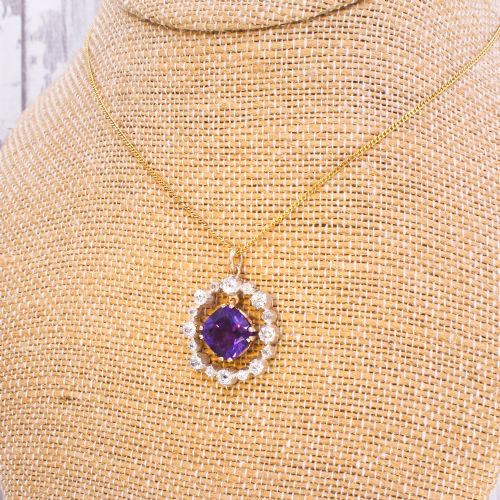
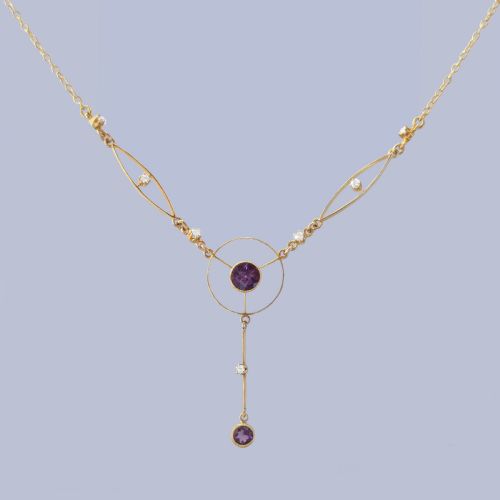
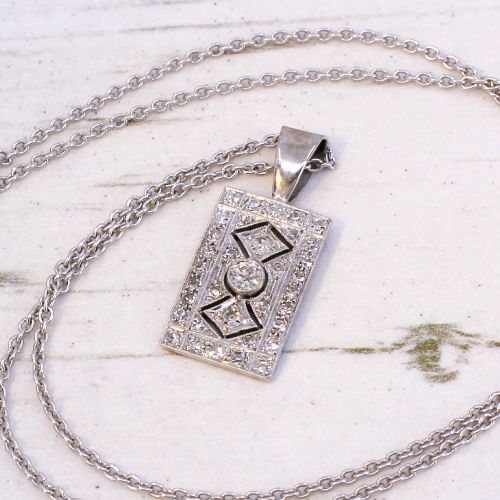
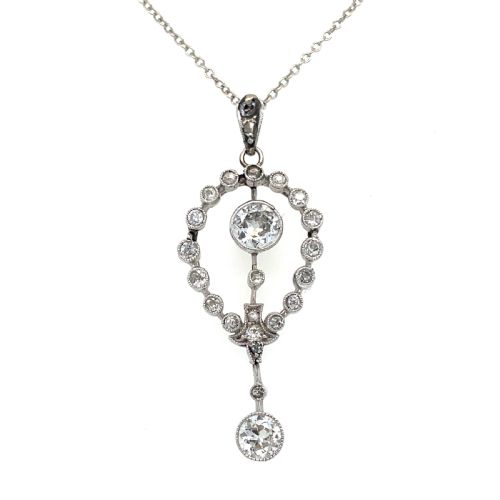
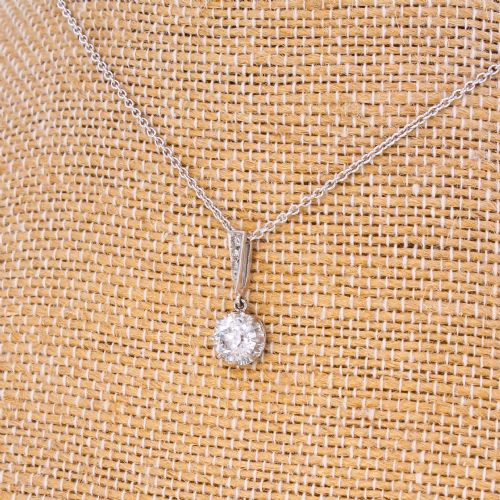
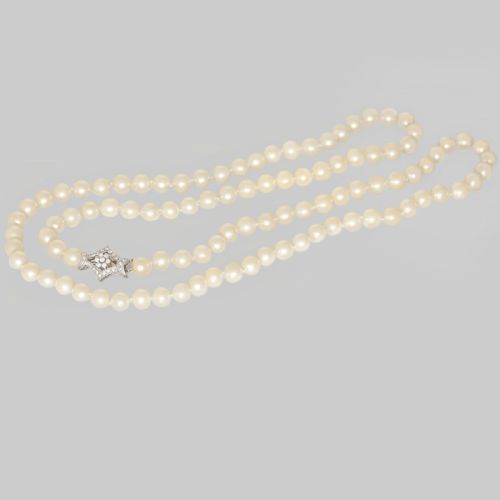
When searching for an old gold necklace, buyers encounter pieces spanning the Victorian, Edwardian, Art Deco, and Mid-Century periods. The selection on this page leans heavily toward pendants, lavalieres, and pearl strands featuring historical gemstone cuts.
These items range from ornate floral starburst designs and heart drops to geometric Art Deco pendants and long pearl strands with diamond clasps. Gold forms the primary foundation, appearing alongside platinum and silver settings that cradle the stones.
How they were made
Goldsmiths shaped these pieces using yellow gold and 18ct white gold, frequently incorporating platinum and silver to enhance the brilliance of mounted diamonds. Gemstones such as amethysts, pearls, and natural conch pearls were secured by hand alongside old cut diamonds.
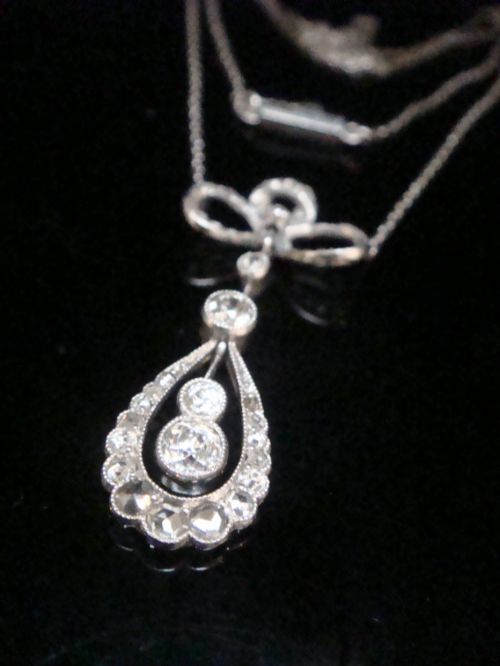
Techniques relied heavily on detailed metalwork, including bow motifs, swags, and ornate filigree structures. Artisans built multi-part constructions where pendants double as brooches or hang from delicate chains.
Old Gold Necklace Retail Price Guide 2026
Typical asking prices for old gold necklace among the pieces listed under this phrase on Sellingantiques today, from the lower quarter to the upper quarter. They describe what is for sale here now, not the wider market.
Listings feature pieces spanning from the Victorian era through the Edwardian period, Art Deco, and into the Mid-Century, utilising gold, platinum, silver, pearls, and diamonds.
What varies in quality
The standard of an old gold necklace depends on the intricacy of the metalwork and the integration of the stones. Superior examples display harmonious proportions between the gold settings and the hand-cut diamonds or pearls.
Execution and stone matching distinguish finer specimens from simpler variants. The clarity of design, whether a swirling starburst or a symmetrical Art Deco drop, dictates the overall refinement of the piece.
The Old Gold Necklace Glossary
- Lavalier
- A necklace featuring a pendant drop that hangs below the main chain line, popular during the Edwardian era. These pieces often incorporate pearls and old cut diamonds.
- Old cut diamond
- A hand-faceted diamond shape common in antique jewellery before modern brilliant cutting standards emerged. These stones feature smaller tables and higher crowns.
- Rose cut
- A vintage diamond or gemstone cut characterised by a flat base and a domed crown with triangular facets. It produces a soft, translucent gleam rather than fiery brilliance.
- Seed pearl
- A very small, naturally occurring or early cultured pearl used in delicate clusters and swags. They are typical of Victorian and Edwardian fine jewellery.
Old Gold Necklace: Frequently Asked Questions
How do I care for an antique gold necklace?
Keep the piece away from harsh chemicals, ultrasonic cleaners, and abrasive surfaces that can damage soft gems like pearls and amethysts. Gently wipe the gold and stones with a soft cloth after wearing.
Store the necklace flat in a lined box to prevent the chain from tangling and to protect delicate settings from pressure.
Can I wear an old gold necklace every day?
While durable, antique pieces require mindful handling due to their age and delicate clasps or settings. Regular wear is suitable provided you check the security of the stones periodically.
Reserve the most intricate lavalieres and pearl strands for special occasions to minimise unnecessary stress on historical mountings.
How do I identify the period of a gold necklace?
Examine the cut of the diamonds, the purity marks on the metal, and the overall stylistic motifs. Victorian pieces often feature heavy ornamentation and heart or star shapes, while Edwardian designs favour platinum-topped gold and airy filigree.
Art Deco items display geometric symmetry, and Mid-Century works introduce streamlined forms alongside traditional gem settings.
What is the difference between a pendant and a lavalier?
A pendant generally hangs as a single stationary ornament suspended from a loop or bail on a chain. It focuses visual weight in one distinct focal point.
A lavalier incorporates one or more suspended drops hanging below the main necklace structure, creating a cascading movement characteristic of the early twentieth century.