


Old Cut Diamond Sapphire Ring
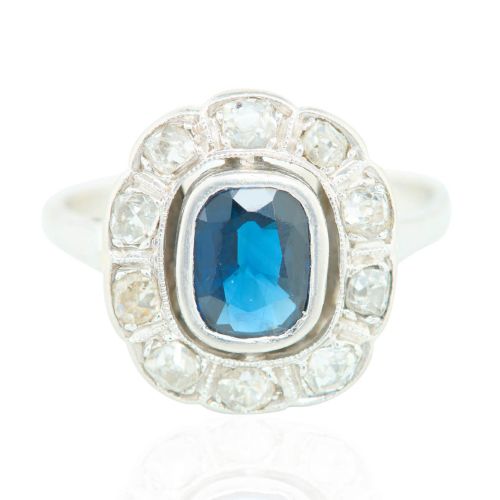
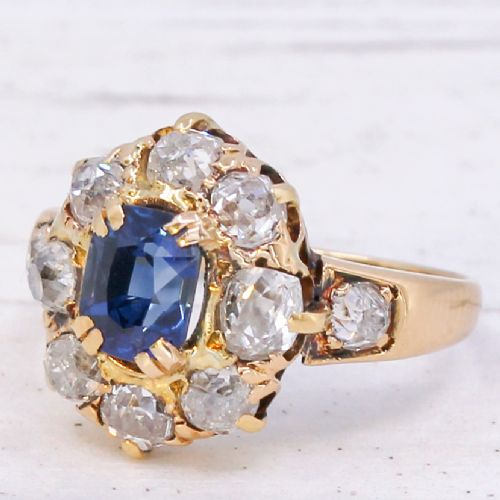
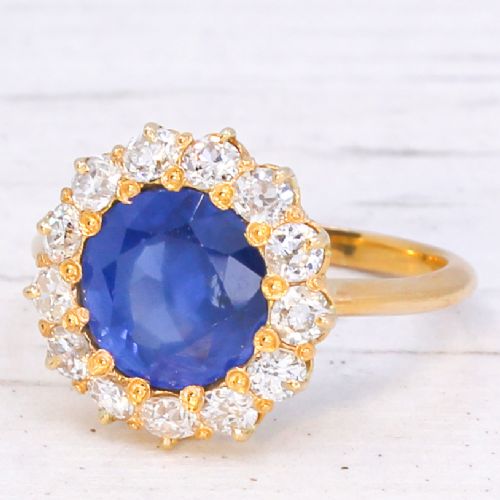
An old cut diamond sapphire ring brings together deep blue corundum and hand-faceted stones set in yellow gold or platinum.
Old Cut Diamond Sapphire Ring
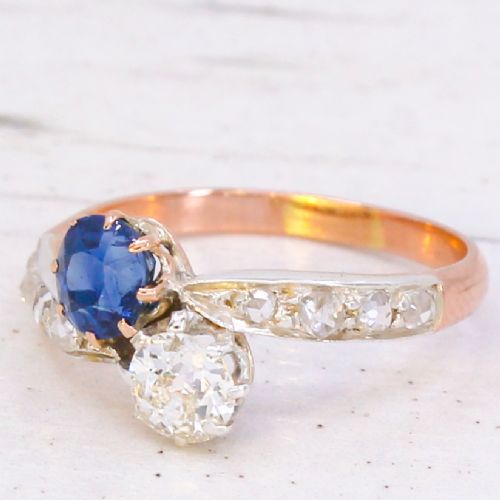
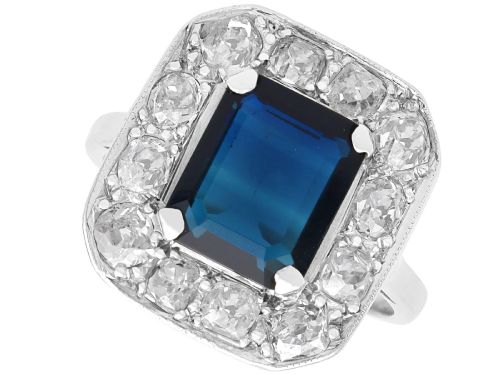
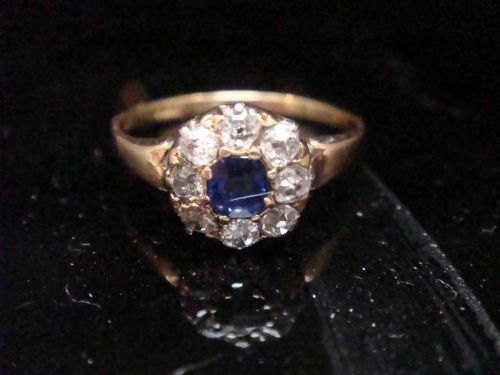
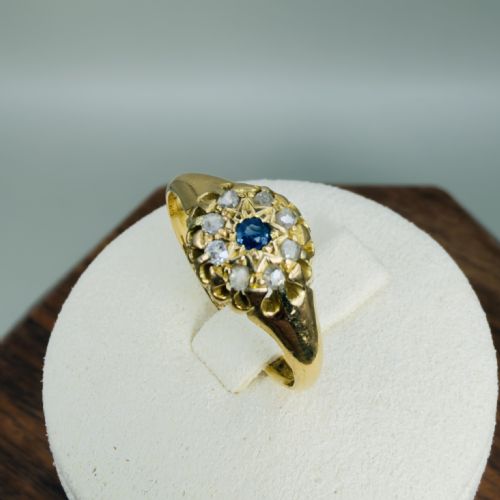
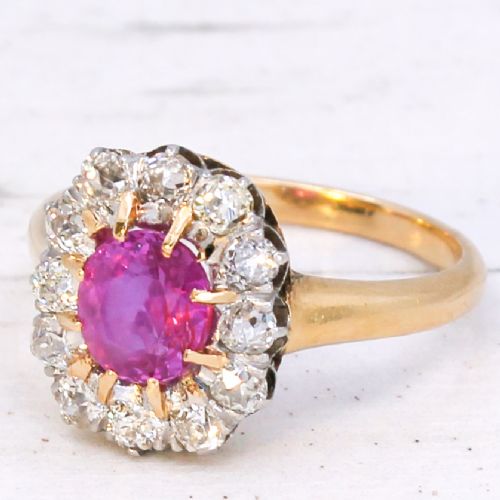
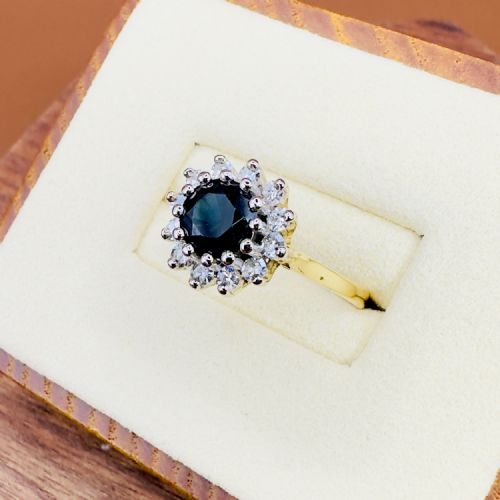
An old cut diamond sapphire ring combines historical blue stones with hand-faceted diamonds set in traditional yellow gold, white gold, or platinum mountings. Collectors seeking an old cut diamond sapphire ring typically encounter cluster, trilogy, and five-stone designs originating from the Victorian, Edwardian, and Art Deco periods.
The selection ranges from delicate boat-shaped daisy rings of the late nineteenth century to geometric platinum plaque and target cluster configurations from the 1920s. Buyers navigating these options will find that older pieces frequently display distinctive sapphire origins alongside organic diamond facets shaped by hand rather than modern machinery.
Materials and construction
Jewelers constructed these rings using durable precious metals, mounting sapphires and diamonds in combinations of 18ct yellow gold, 18ct white gold, and platinum. Platinum settings gained particular favour during the Edwardian and Art Deco eras for their strength and bright white finish that held small stones securely.
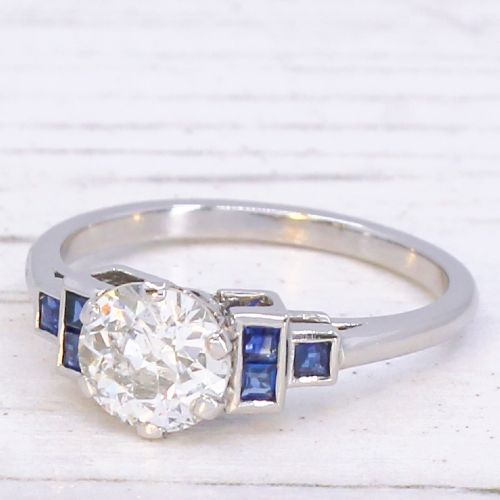
The diamonds display characteristic hand-cut facets, including old mine cuts and transitional cuts, possessing smaller tables and higher crowns than modern stones. Sapphires are secured with precise claw settings, bezel mounts, or integrated flush frameworks alongside calibrated accent stones.
Several rings conceal secret double-snake motifs where reptiles coil together beneath the stones.
Evaluating the craftsmanship
The distinction between tiers rests upon the natural origin and saturation of the sapphire, the proportion and brilliance of the old cut diamonds, and the integrity of the metalwork. Untreated stones from recognised geographic sources command greater attention from collectors than treated alternatives.
Fine construction reveals itself in the delicacy of the gallery wirework, the symmetry of the cluster arrangement, and the absence of repair work to the original band. The precision with which calibré-cut or pavé stones fit their channels indicates the skill of the original workshop.
The Old Cut Diamond Sapphire Ring Glossary
- Old cut diamond
- A diamond faceted by hand before the advent of modern automated machinery, typically displaying a smaller table and a higher crown.
- Cluster ring
- A design featuring a central sapphire surrounded by a halo of smaller diamonds, creating a prominent face-up appearance.
- Calibré cut
- Sapphires specifically shaped and cut to fit tightly together within a geometric channel or border.
- Trilogy ring
- A three-stone setting traditionally representing past, present, and future, often pairing a central sapphire with side diamonds or vice versa.
- Bateau ring
- A boat-shaped mounting popular in the Victorian period that sits low across the finger and accommodates multiple stones in a linear arrangement.
Old Cut Diamond Sapphire Ring: Frequently Asked Questions
How do I date my ring?
Dating relies on stylistic markers such as gallery work, claw shapes, and the predominant metal of the era. Platinum and white gold settings point toward Edwardian and Art Deco decades.
Assay office marks and London hallmarks provide precise confirmation for pieces carrying official stamps. Comparing the stone cutting style against known periods helps narrow down the decade of manufacture.
Are the sapphires usually heated?
Many historical sapphires remain unheated, while others show standard thermal enhancement common to the gemstone trade. Laboratory certificates often accompany unheated stones from specific origins like Burma or Ceylon.
Evaluating treatment requires specialised gemological equipment rather than visual inspection alone. Dealers specify natural or unheated status within individual item descriptions when documentation is present.
What is an old mine cut?
An old mine cut is an early form of diamond faceting characterised by a cushion outline and an open culet at the base. These stones were shaped by hand under candlelight before standardised proportions existed.
Their distinct geometry captures ambient light with a softer, broader flash than modern brilliant cuts. This cut serves as a primary indicator of antique manufacture.
Can I wear these every day?
Daily wear requires consideration of the setting type and the age of the structural prongs holding the stones. Platinum and sturdy gold bezels offer robust protection for regular use.
Prong settings on delicate Edwardian or Victorian rings benefit from occasional inspection by a jeweler to ensure stones remain secure. Removing the ring during heavy manual tasks preserves the integrity of the antique metal.