


Oil Portrait Young Lady
An oil portrait young lady captures individual personality across centuries through skilled brushwork and lasting materials.
Oil Portrait Young Lady
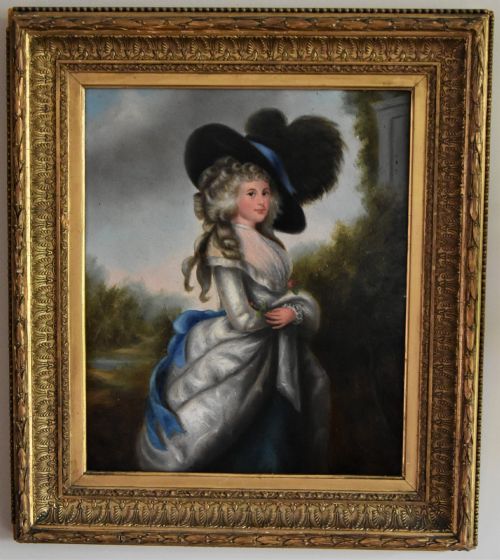
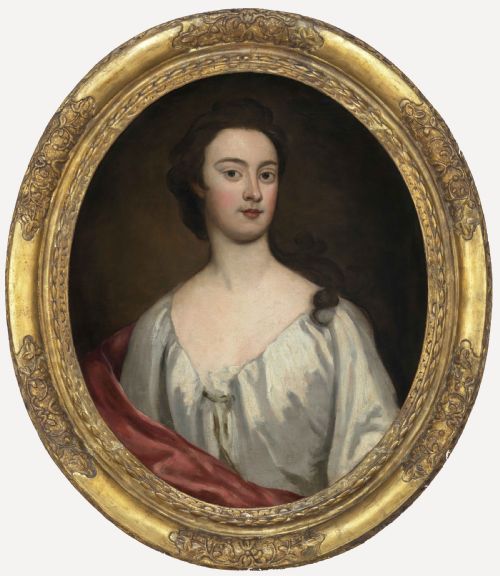
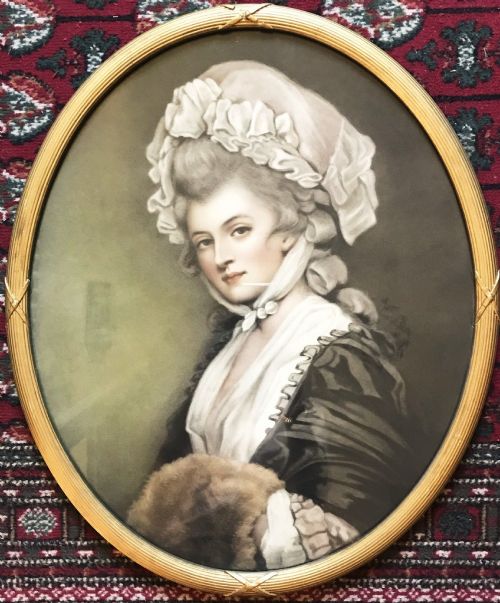
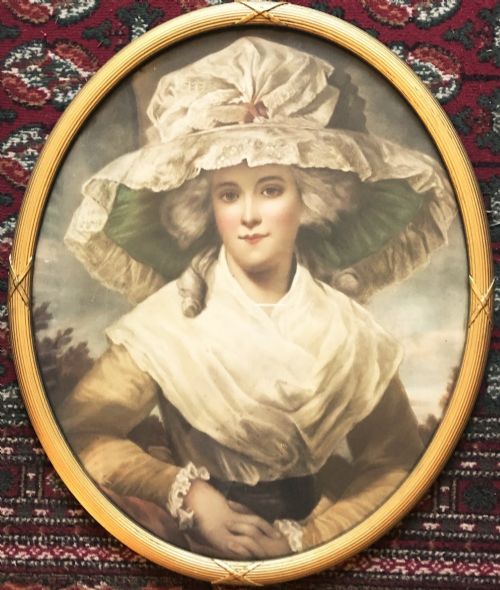
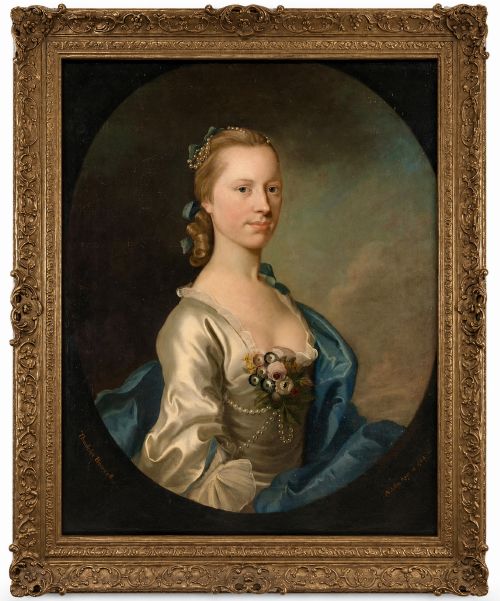
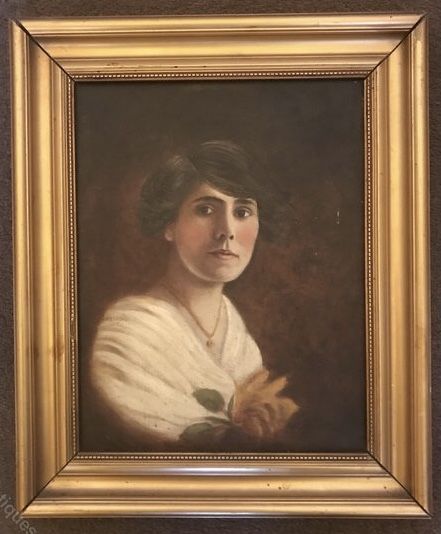
An oil portrait young lady bridges centuries of figurative art, recording individual likenesses from the eighteenth, nineteenth, and early twentieth centuries. These paintings depict subjects in various settings, ranging from formal studio poses with props like books or flowers to intimate sketch formats.
The selection encompasses works from British, European, and Italian schools, showing sitters in period attire such as silk gowns, lace collars, and white dresses. Painters utilised canvas, wood panel, and board as supports for their oil pigments.
Materials and Construction
Artists painted primarily with oil paint applied to stretched canvas, wooden panels, or prepared boards, building up layers of pigment to achieve depth and texture in flesh tones and textiles. Many examples retain their original period frames constructed from carved gilded wood or gesso.
Framing often complements the canvas, utilising substantial giltwood mouldings that protect the edges and enhance the visual weight of the artwork.
Several sitters pose alongside loyal spaniels or hold unexpected items like oranges and yellow roses.
Factors of Distinction
Condition plays a role, with untouched surfaces displaying stable craquelure and original stretched canvases holding greater integrity than those undergoing extensive restoration.
Jeremiah Davison·Allan Ramsay·Thomas Murray·William Owen·Frank Moss Bennett·Alfred Seifert
The Oil Portrait Young Lady Glossary
- Canvas
- A heavy woven fabric stretched across a wooden frame to serve as a sturdy painting surface for oil pigments.
- Gesso
- A plaster-like mixture applied to wood panels or frames to create a smooth surface for gilding and painting.
- Craquelure
- A fine network of microscopic cracks across the paint surface, indicating the natural ageing of oil layers.
- Attributed to
- A designation used when a work shows the style of a specific artist but lacks definitive documentation of authorship.
Oil Portrait Young Lady: Frequently Asked Questions
How do I date an oil portrait?
Dating relies heavily on the sitter's costume, hairstyle, and framing style, which often correspond to specific fashion periods. Examining the canvas weave and stretcher construction provides additional chronological clues.
Paint composition and technical analysis further help narrow down the decade of creation when signatures are absent.
What is the difference between canvas and panel?
Canvas offers flexibility and texture, stretched over a wooden frame, while wood panels provide a rigid, smooth support favoured in earlier periods. Panels tend to resist sagging but can split if exposed to humidity fluctuations.
Both supports require stable environmental conditions to prevent paint flaking over time.
How should I hang an antique portrait?
Hang paintings away from direct sunlight and strong heat sources to protect the delicate oil pigments and wooden frames. Use sturdy wall fixings that match the weight of the heavy giltwood frames.
Maintain stable room humidity to preserve both the canvas and the structural integrity of the backing board.
What does attribution mean?
Attribution indicates that experts link a painting to a particular artist or studio based on stylistic similarities and technique. It suggests the work originates from that circle without possessing a direct signature.
This classification helps contextualize unsigned historical works within established artistic traditions.