

Oil Portrait Panel Painting
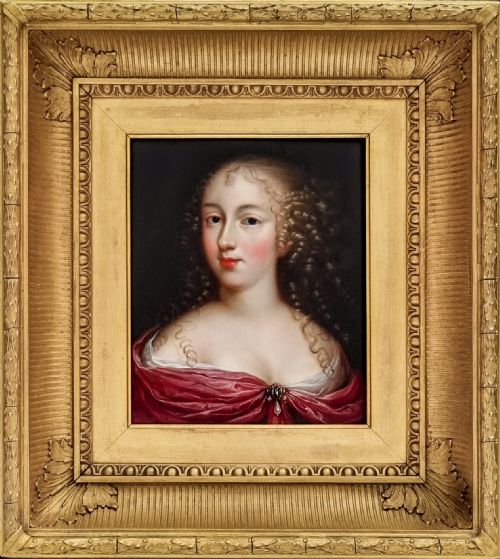
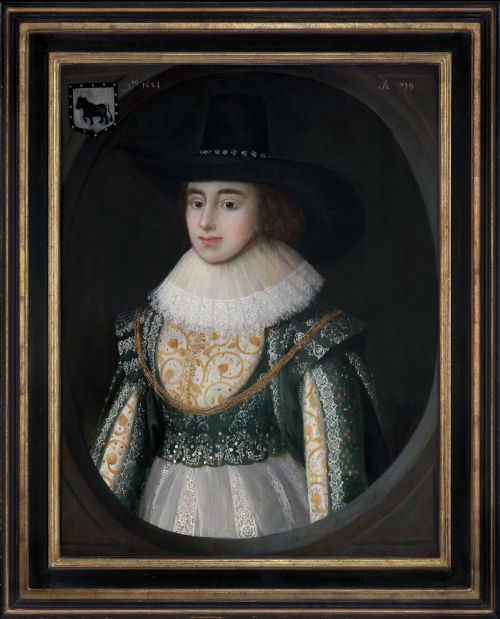
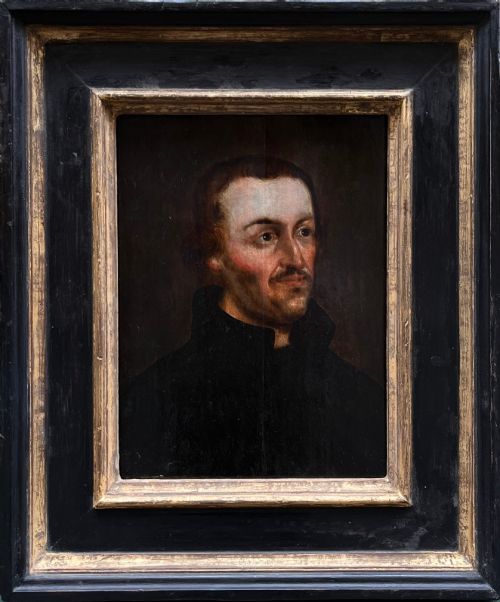
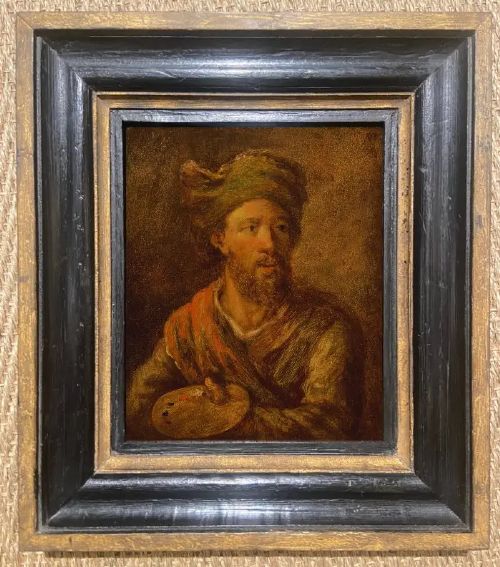
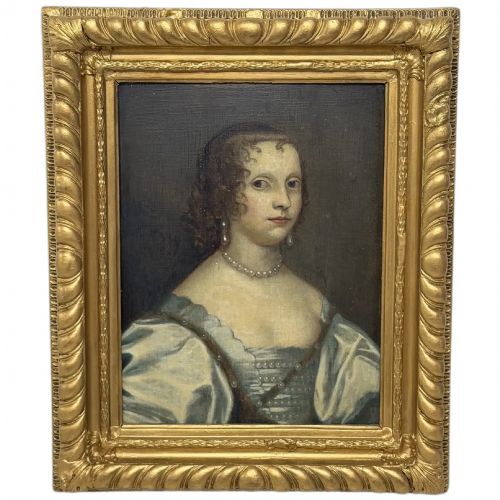
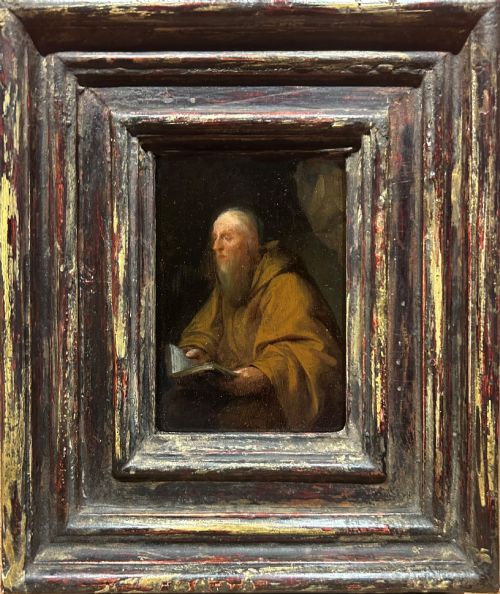
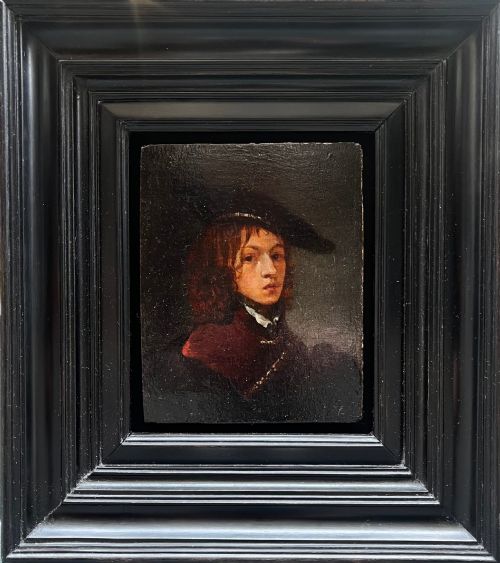
An oil portrait panel painting brings centuries of European character to a wall through pigment laid directly onto a rigid wooden surface.
Oil Portrait Panel Painting
When you search for an oil portrait panel painting, you encounter works executed on rigid supports rather than stretched canvas, spanning the seventeenth century through to the mid-twentieth century.
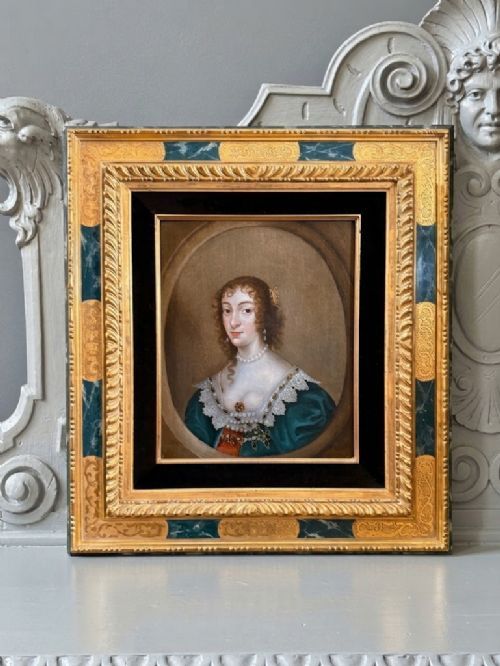
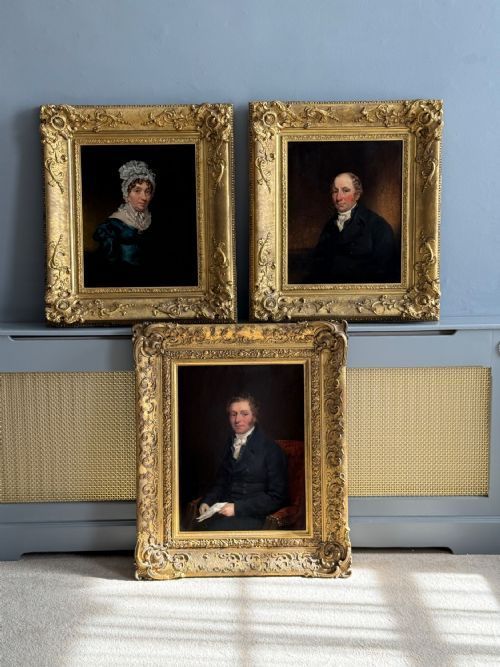
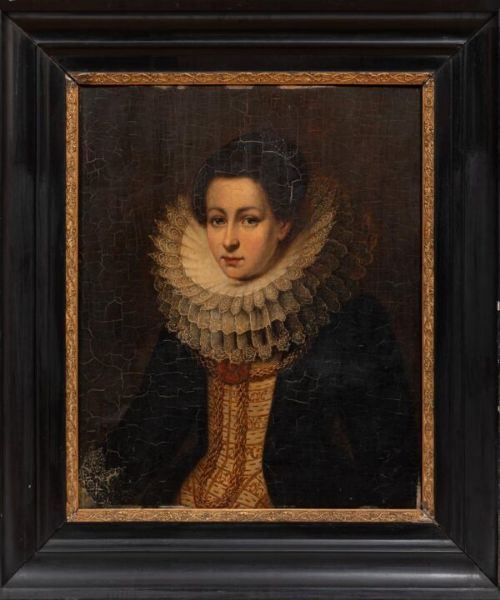
The selections on this page range from seventeenth-century British and Dutch depictions of nobility with intricate ruff collars to nineteenth-century academic and naive studies of sitters.
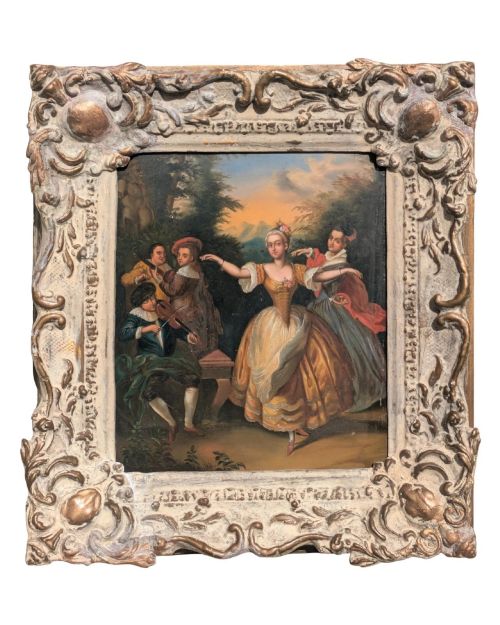
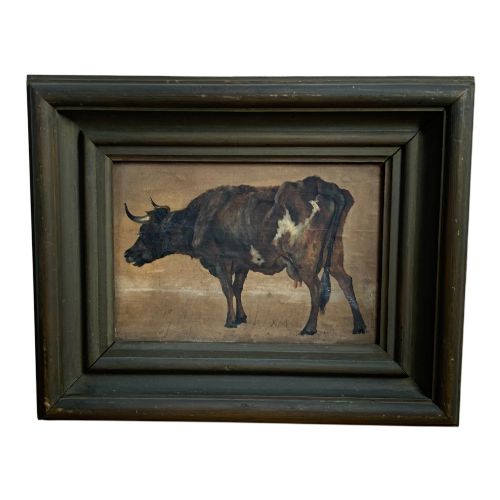
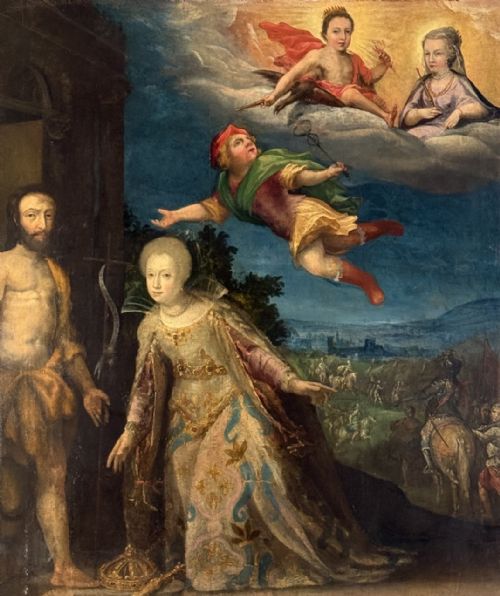
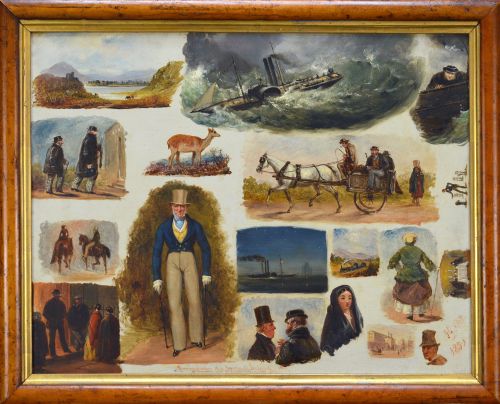
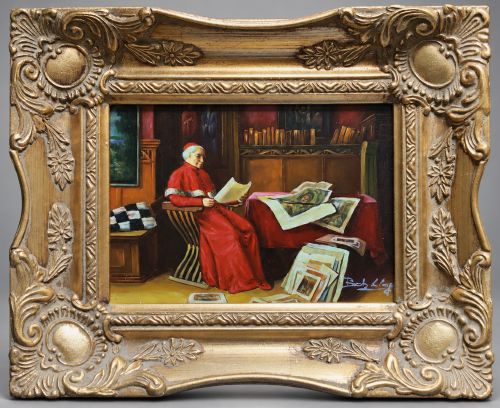
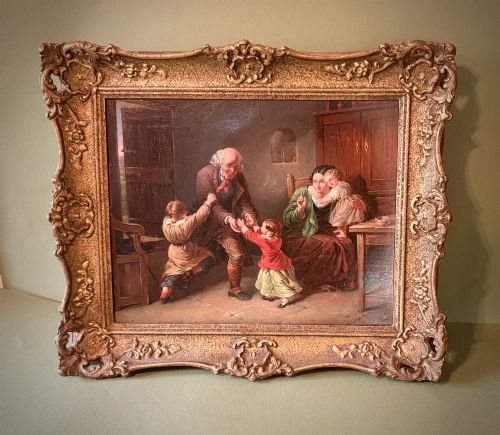
Beyond human subjects, the selection encompasses historical genre scenes, animal studies, and coastal views rendered on wood and zinc supports.
How they were made
Artists applied oil paint directly to prepared wooden surfaces, including oak and pine panels, which provided a stable ground for detailed brushwork.
Some works utilise alternative rigid supports such as zinc or copper panels to receive the pigment.
Oil Portrait Panel Painting Retail Price Guide 2026
Typical asking prices for oil portrait panel painting among the pieces listed under this phrase on Sellingantiques today, from the lower quarter to the upper quarter. They describe what is for sale here now, not the wider market.
A curious nineteenth-century panel painting records a quiet gathering of border collies and a cat with kittens.
What varies in quality
The distinction between average and exceptional pieces rests upon the precision of the brushwork and the psychological depth captured in the sitter's expression.
Works attributed to established schools or named painters demonstrate superior mastery of light, shadow, and anatomical proportion compared to anonymous provincial pieces.
Cornelius Johnson·Pierre Mignard·Joseph Clover·Van Dyck·Rembrandt·Jan van Staveren·Henri and Charles Beaubrun·Jean-Baptiste van Loo·Benjamin Eugene Fichel·Edouard Julien·William Etty·W Williams·Quirijn Van Brekelenkamp·Hans Temple·Paul Leon Jazet·Alfred John Bouchette·C.E. Howson
The Oil Portrait Panel Painting Glossary
- Oil paint
- A slow-drying medium consisting of pigments suspended in a drying oil, typically linseed. This allowed artists to blend tones smoothly and build rich surface textures on rigid panels.
- Wood panel
- A flat wooden board used as a painting support instead of canvas. Oak and pine were frequently utilised by artists for their durability and stability.
- Ruff collar
- A prominent pleated collar worn in European fashion during the sixteenth and seventeenth centuries. These elaborate garments appear frequently in early portraiture.
- Naive school
- A classification for art produced by self-taught painters working outside academic traditions. These works often display charming distortions in perspective and proportion.
Oil Portrait Panel Painting: Frequently Asked Questions
What is an oil portrait panel painting?
An oil portrait panel painting is a work of art created with oil-based pigments on a rigid support, typically made of wood rather than stretched canvas. These pieces range from formal seventeenth-century depictions of aristocracy to intimate nineteenth-century character studies.
Because wood provides a firm foundation, artists could achieve fine detail and lasting stability. Many survive with their original period frames intact.
How do I care for a wood panel painting?
Display your panel painting away from direct sunlight, heating vents, and damp areas to prevent the wood from warping or cracking. Keep indoor humidity and temperature as stable as possible.
Dust the surface gently with a soft, dry brush and avoid using liquid cleaners or cloths on the painted area.
How can I tell the period of a panel painting?
Dating often relies on the sitter's costume, hairstyle, and framing style, alongside the type of wood and preparation grounds visible on the reverse. Seventeenth-century subjects frequently feature ruffs or elaborate lace collars, while later periods shift toward Victorian attire.
Signatures, inscriptions, and historical attribution notes left on the back or frame also help establish the chronology.
Why did artists paint on panels instead of canvas?
Panels provided a completely flat and unyielding surface that allowed artists to work with minute precision and delicate blending. Wood preparation was a traditional workshop practice long before stretched canvas became standard.
Panels also offered greater durability against punctures and tears over centuries of display.