

Oil Painting with Bird
An oil painting with bird brings the quiet detail of nature into a room, capturing feathered subjects in centuries of canvas work.
Oil Painting with Bird
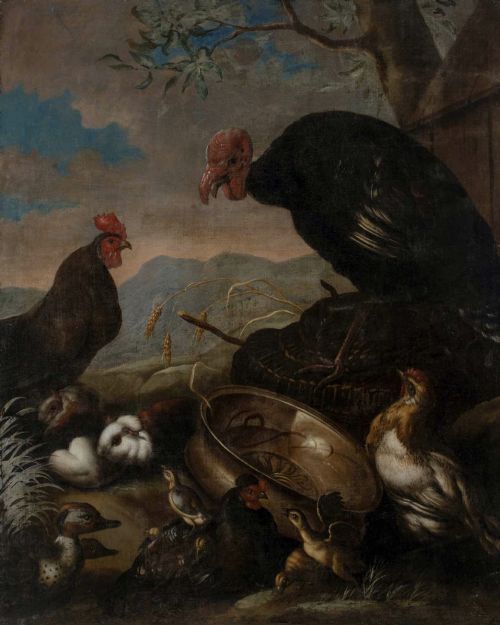
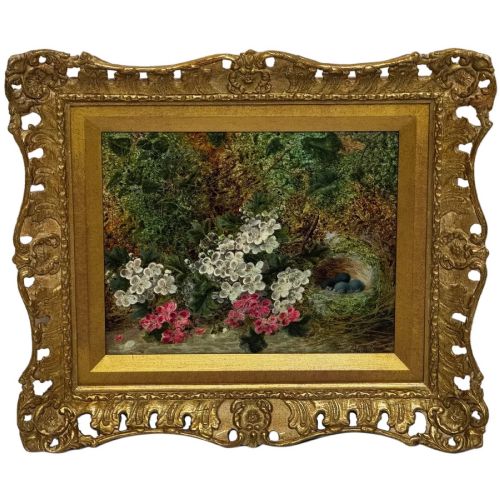
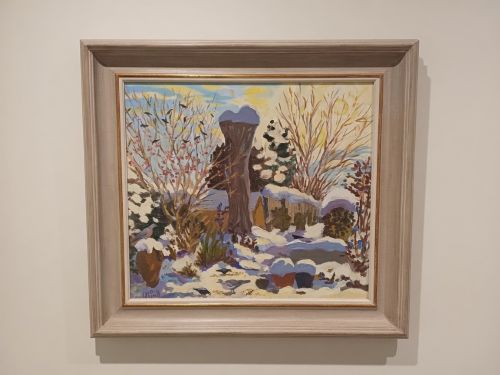
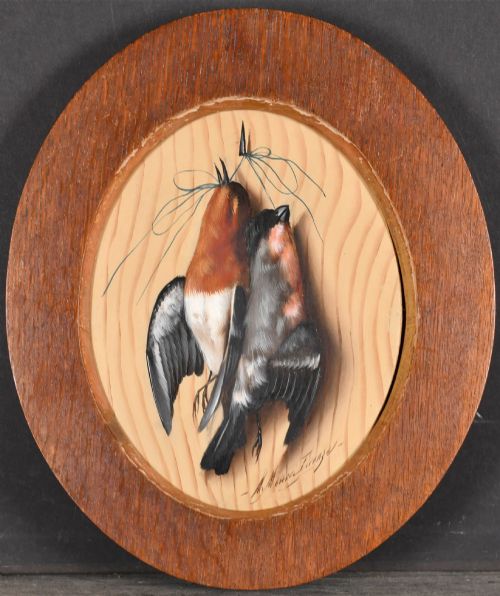
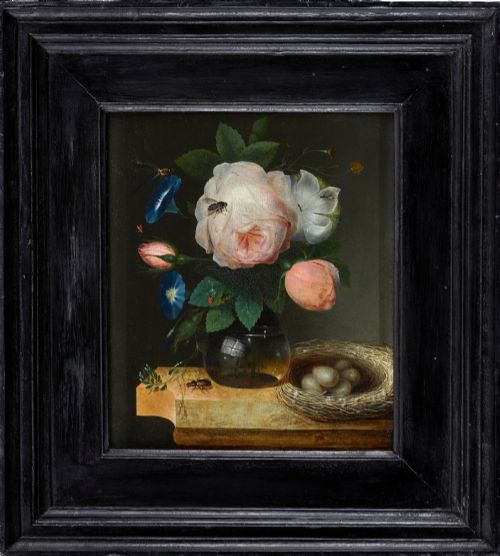
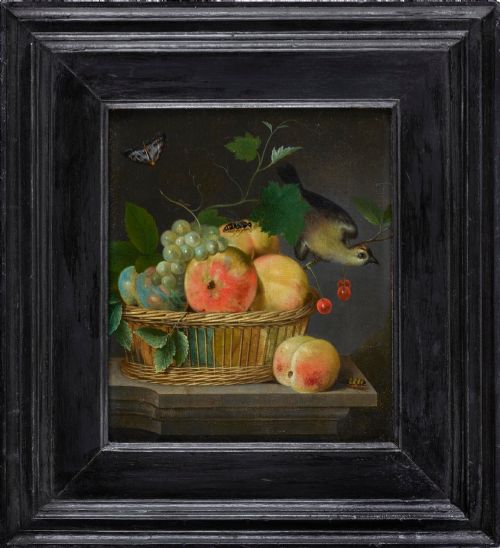
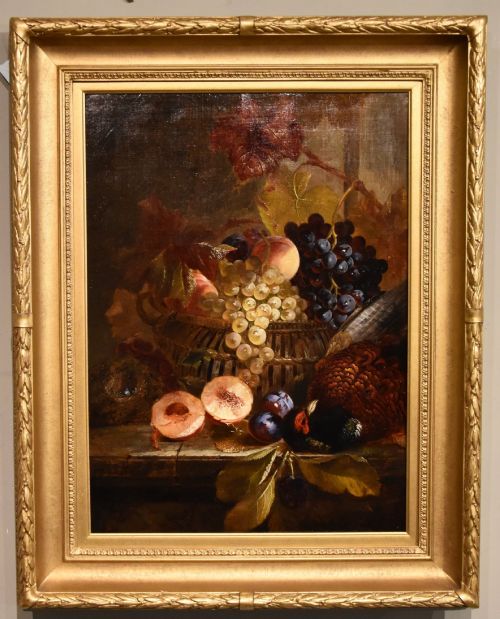
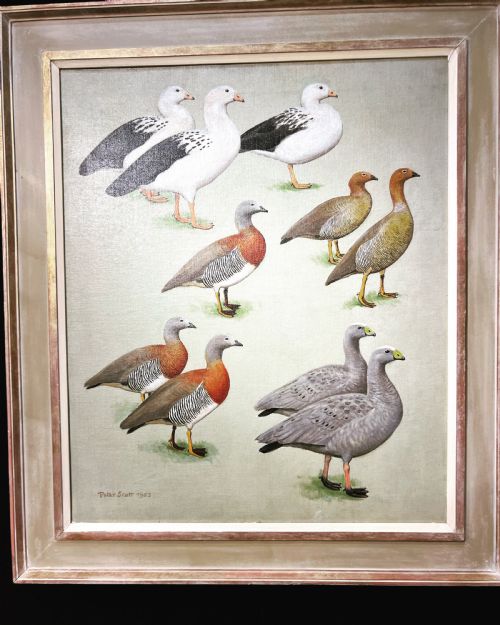
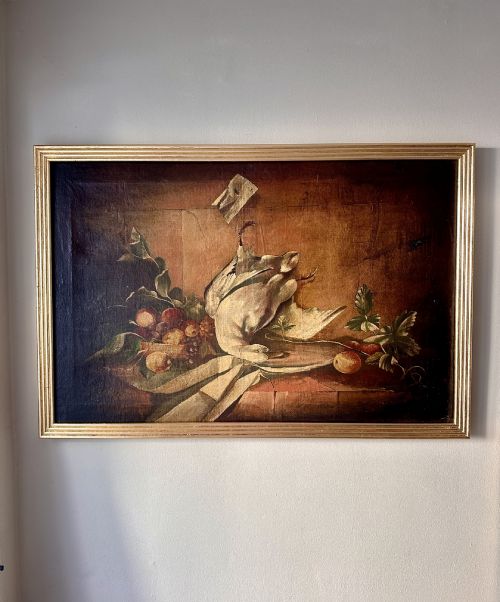
When you search for an oil painting with bird, you encounter works spanning the seventeenth century through to the mid twentieth century, covering various artistic movements. These pieces range from detailed still lifes featuring nests and fruit to portraits of figures accompanied by exotic or pet birds.
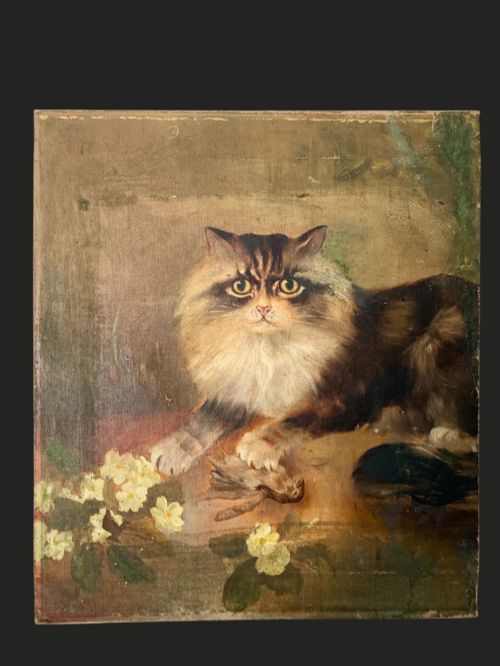
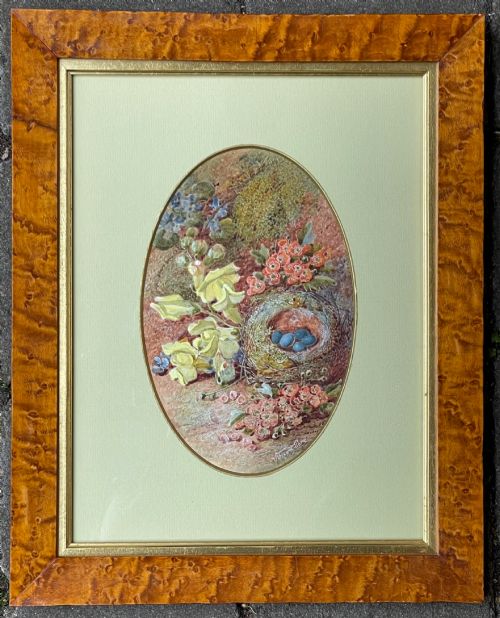
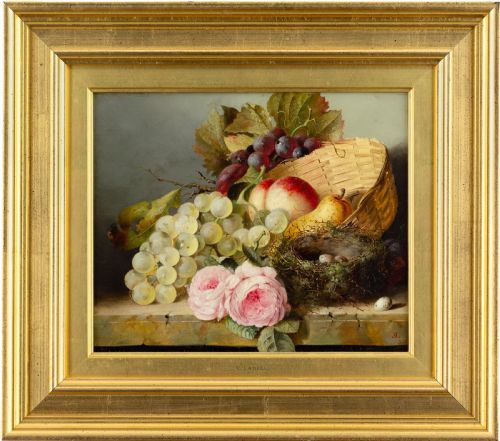
The most common versions on this page are Victorian still lifes and nineteenth century naive works. These pieces frequently pair avian subjects with wicker baskets, mossy banks, or botanical arrangements.
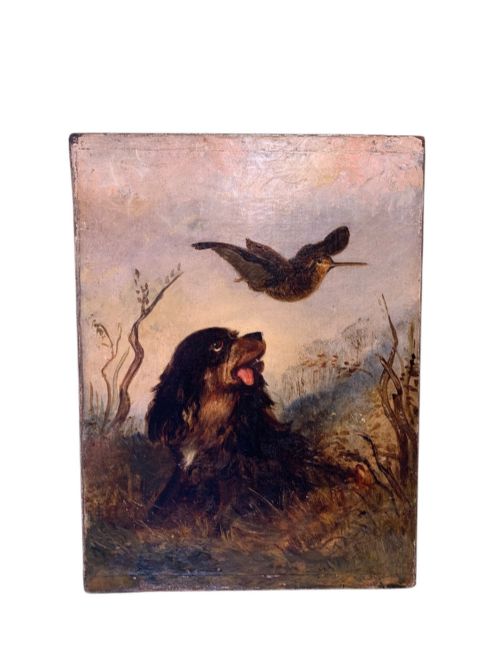
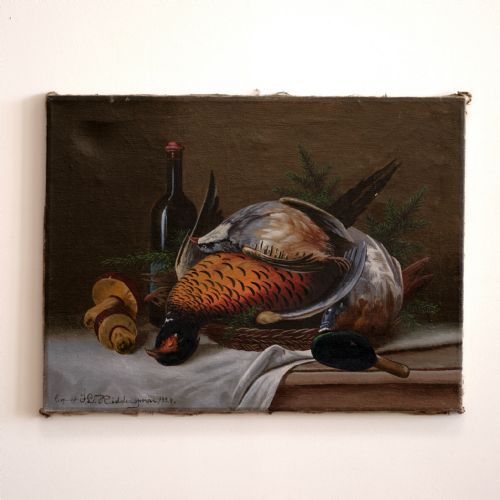
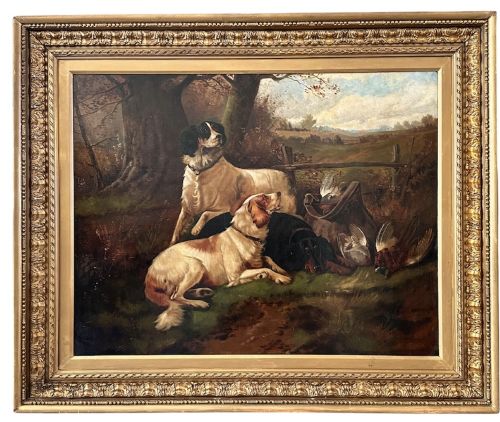
Portraits from the seventeenth and eighteenth centuries also appear, depicting subjects with parrots or songbirds. Stylistic approaches vary widely from Flemish Baroque compositions to impressionist game pieces.
How they were made
The works utilise oil paint applied to canvas surfaces, sometimes housed within giltwood frames. Artists built up the imagery through layered brushwork to capture the texture of feathers, foliage, and fruit.
Watercolour on paper also appears among the depicted works, offering a different medium for avian studies. Wooden framing elements often complete the presentation of these historical pieces.
Listings feature works executed in oil on canvas, watercolour on paper, and wood.
What varies in quality
The distinction between works rests in the precision of the brushwork and the handling of natural textures like plumage and foliage. Master painters render light and shadow with subtle depth, whereas naive school pieces offer charm through simpler forms.
Compositional balance and the preservation of the canvas over centuries influence the character of each piece. Frames also contribute to the overall integrity of the artwork.
Vincent Clare·Edward Ladell·Gaspar Peeter Verbruggen·John Sargent Noble·Michael Dahl·Henri Joseph Pauwels·Christian Lindner·George Lance·George Clare
The Oil Painting with Bird Glossary
- Oil on Canvas
- Pigment mixed with a drying oil applied to stretched fabric. This medium allows for rich colour blending and durability over centuries.
- Giltwood
- Wood carved and covered with a thin layer of gold leaf. It forms ornate frames designed to complement traditional paintings.
- Still Life
- An artwork depicting inanimate subject matter, typically commonplace objects or natural items. In these listings, they frequently incorporate birds, nests, and fruit.
- Naive School
- Art produced by artists without formal academic training, often characterised by flat perspective and direct expression. These pieces date predominantly from the nineteenth century in the current selection.
- Baroque
- A European style spanning the seventeenth and eighteenth centuries known for drama, rich detail, and deep chiaroscuro. Flemish examples in the evidence reflect this tradition.
Oil Painting with Bird: Frequently Asked Questions
What periods do these paintings cover?
The selection spans from the seventeenth century through the Victorian era up to nineteen fifty. You will find seventeenth century baroque pieces alongside nineteenth century naive works and impressionist canvases.
Each period brings distinct stylistic conventions, from elaborate still lifes with fruit to portraits featuring exotic pets.
What subjects accompany the birds?
Birds frequently appear alongside botanical elements such as mossy banks, flowers, wicker baskets, and seasonal fruit. Some compositions include nests with eggs or game.
In portraiture, human subjects are depicted holding or accompanied by pets like parrots and songbirds.
Are all pieces painted in oil?
While the majority utilise oil paint on canvas, the selection also includes works on paper using watercolour. Giltwood and wooden frames frequently house these artworks.
Each medium offers a distinct visual texture suited to the era of its creation.
How do naive works differ from formal pieces?
Nineteenth century naive school paintings present simpler perspectives and direct forms compared to academic works. They offer a distinct charm through unpretentious execution.
Formal pieces by named artists demonstrate traditional depth, precise anatomy, and detailed rendering of plumage.