




Oil Painting Shepherd Sheep
An oil painting shepherd sheep scene brings the quiet rhythm of rural life and pastoral quietude directly into a room.
Oil Painting Shepherd Sheep
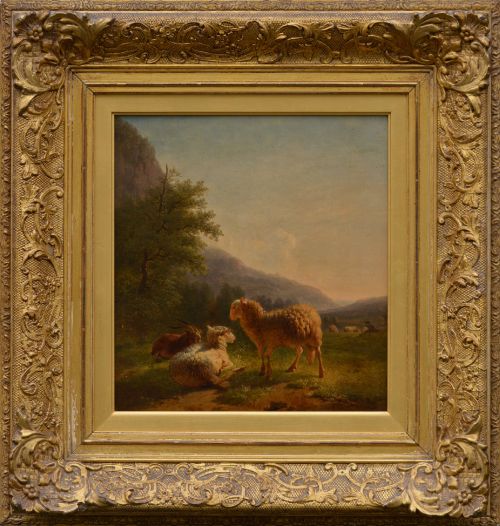
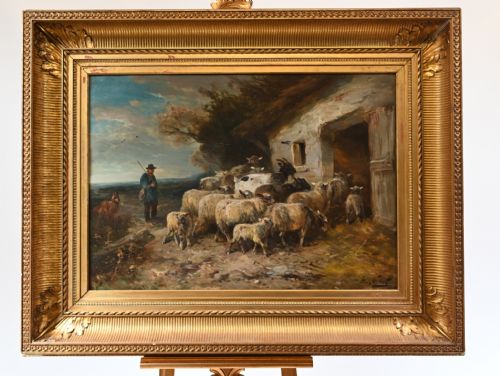
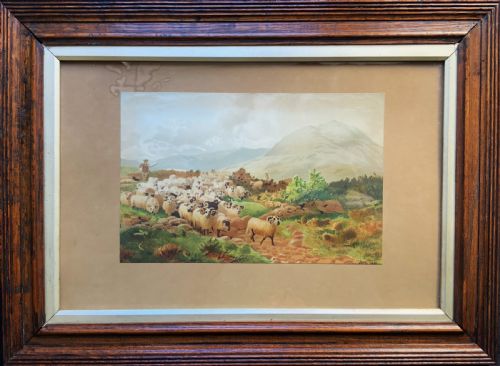
An oil painting shepherd sheep subject captures figures tending flocks across lowland pastures, country lanes, and heather-clad heaths. These works span nineteenth-century romanticism, Victorian pastoral scenes, and early twentieth-century British impressionism. Collectors encounter everything from intimate oil on panel boards to large canvases housed in heavy gilded frames.
The most common examples on this page date from the nineteenth century through the early decades of the twentieth century. Painters across Britain, Belgium, Germany, Denmark, and the Netherlands rendered these agrarian subjects with varying degrees of atmospheric light. The compositions range from solitary resting figures with goats and sheep to large droving landscapes under winter skies.
Materials and technique
Artists built these works using oil paint applied to stretched canvas, wooden panels, or occasionally board supports. The medium allowed for rich blending of pigments to capture shifting daylight, stormy coastal skies, and the texture of woolly fleeces. Brushwork varies from the tight academic realism of the Victorian era to the looser, impressionistic touches seen in later British and continental works.
Many of these paintings survive within their original or period frames constructed from gesso and giltwood, often heavily moulded. The interaction between the gilded wooden frame and the deep oil pigments defined the presentation style of the period.
British Impressionism and Hague School influences appear alongside traditional Victorian and nineteenth-century realism.
Markers of distinction
Quality rests in the handling of light and atmospheric depth rather than the mere presence of livestock. Stronger works demonstrate a confident command of anatomy in both the animals and the human figures, alongside a harmonious tonal balance across the landscape.
The sensitivity of the brushwork and the structural integrity of the canvas and frame distinguish finer examples. Works that successfully evoke the specific chill of a winter pasture or the warmth of late afternoon sun display the distinct hand of a skilled practitioner.
Eugène Verboeckhoven·Henry Schouten·Herbert Royle·George Turner·Owen Bowen·Henry Birtles·William Greaves·Anthonij Anton Mauve·James Stark·Fedor Van Kregten·Harald Foss·John Grey·Hugh Berry Scott·Thos W Walton
The Oil Painting Shepherd Sheep Glossary
- Oil on Canvas
- A traditional painting medium where oil-based pigments are applied to a woven fabric support stretched across a wooden frame. This combination allows for lasting durability and rich colour blending.
- Giltwood
- Wood carved and coated with gold leaf or metallic powder, frequently used for nineteenth-century picture frames. It provides a reflective, decorative border that enhances the dark tones of an oil painting.
- Gesso
- A paint mixture consisting of a binder mixed with chalk, gypsum, or pigment, applied to wood panels or canvases as a base. It creates a smooth, absorbent surface ready for oil painting.
- Pastoral
- A genre of art depicting the idealized rural lives of shepherds, farmers, and livestock in natural landscapes. These scenes emphasise peace, simplicity, and a harmonious relationship with nature.
- Impressionism
- A nineteenth-century painting style characterised by relatively small, thin, yet visible brush strokes and an emphasis on accurate depiction of light. It sought to capture the transient effects of weather and time.
Oil Painting Shepherd Sheep: Frequently Asked Questions
What periods do these paintings date from?
The available works primarily date from the nineteenth century through the mid-twentieth century. They reflect shifting artistic movements from traditional realism to early impressionism.
Collectors will find pieces spanning the Victorian era, the Edwardian period, and mid-century pastoral revivals.
How were these pastoral landscapes framed?
Many paintings are housed in their original decorative frames made of gesso and gilded wood. These ornate surrounds were designed to complement the dark, rich tones of the oil canvases.
Some examples retain substantial moulded frames that reflect the aesthetic tastes of their original period of creation.
Where were these artists working?
The artists represented worked across Britain, particularly in northern regions like Wharfedale and Lancashire, as well as in continental Europe. Painters from Belgium, Germany, Denmark, and the Netherlands contributed to this pastoral genre.
This regional diversity introduces varied light conditions and landscape types, from rolling hills to flat heathlands.
How do I care for an oil painting on canvas?
Keep the painting away from direct sunlight and fluctuating temperatures to prevent the canvas from sagging and the oil paint from cracking. Dust the surface gently with a soft, dry brush without applying pressure.
Avoid using water or chemical cleaners on either the canvas or the gilded frame, as moisture damages delicate gesso.