





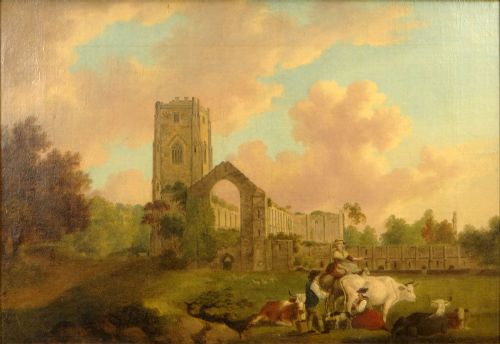

Oil Painting Ruins
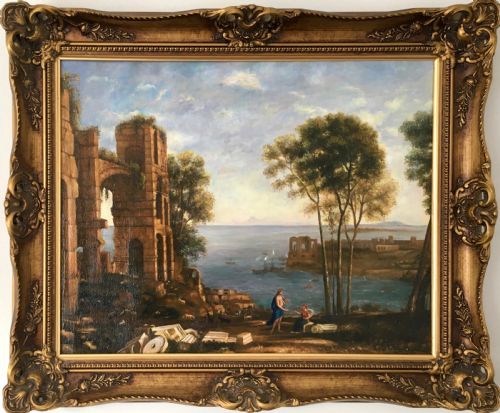
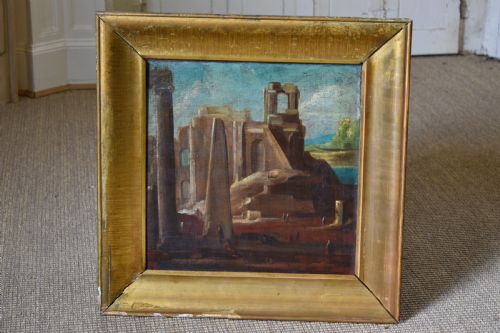
Oil painting ruins capture decayed classical and medieval architecture across Italianate landscapes, offering buyers romantic pastoral scenes imbued with history.
Oil Painting Ruins
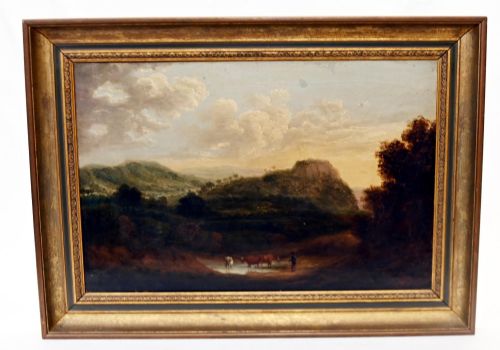
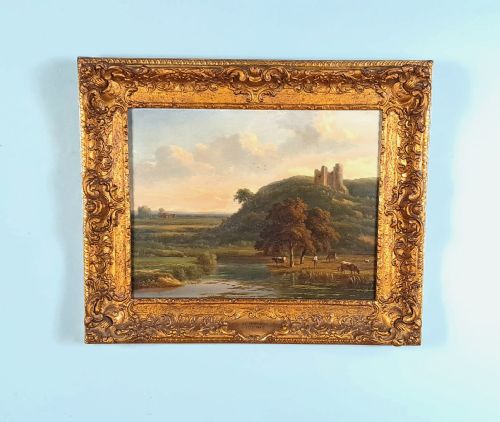
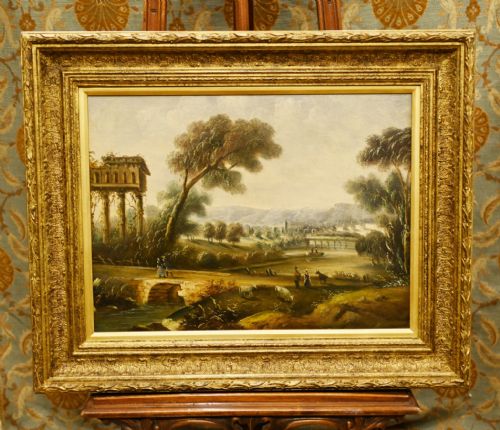
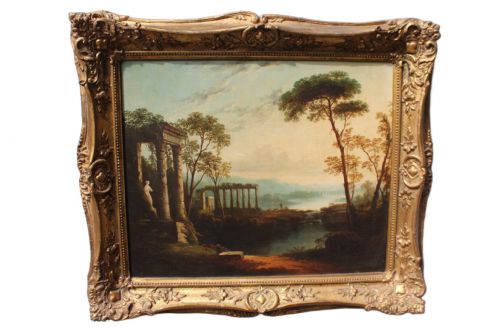
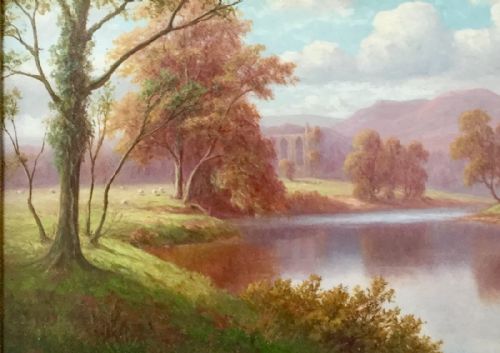
When you search for oil painting ruins, you encounter works depicting crumbling classical structures, medieval abbeys, and coastal castles set within pastoral landscapes. These compositions often lean towards Italianate vistas, capriccios, or domestic British views of historic sites like Tintern and Fountains Abbey. The pieces span several centuries, with 18th-century compositions and 19th-century Victorian interpretations forming the core of the selection.
The aesthetic merges nature and architecture, showing how vegetation reclaims fallen stone through centuries of exposure. Figures of milkmaids, cattle, or travellers frequently populate the foreground to provide a sense of scale against the grandeur of the decaying monuments. Such works reflect enduring romantic fascination with antiquity and the passage of time.
What varies in quality
The distinction between ordinary and exceptional works rests upon compositional harmony and the rendering of light. Superior paintings handle atmospheric perspective with conviction, integrating architectural fragments seamlessly into the surrounding countryside rather than treating them as isolated props.
Brush dexterity and the treatment of surface textures also separate fine examples from standard decorative pieces. The handling of foliage, stone surfaces, and human or animal figures reveals the technical competence of the hand behind the work.
Oil Painting Ruins Retail Price Guide 2026
Typical asking prices for oil painting ruins among the pieces listed under this phrase on Sellingantiques today, from the lower quarter to the upper quarter. They describe what is for sale here now, not the wider market.
Cattle and milkmaids persistently interrupt solemn meditations on fallen empires, quietly grazing right where emperors once walked.
Angelo Maria Crivelli·T C Hofland·Giovanni Paolo Panini·George Gregory·Francesco Zuccarelli·Julius Ceaser Ibbetson
The Oil Painting Ruins Glossary
- Capriccio
- An architectural fantasy placing together fictitious or real buildings, ruins, and other architectural elements in a fictional landscape for picturesque effect.
- Grand Tour
- A traditional trip through Europe, chiefly Italy, undertaken by upper-class European young men of sufficient means to flourish their cultural education and acquire art.
- Giltwood
- Wood that has been treated with a thin layer of gold leaf or powder, commonly found on the ornate frames housing these paintings.
- Pastoral
- A genre of art depicting the rural life of shepherds and farm animals in an idealized, peaceful setting, frequently accompanied by classical remnants.
Oil Painting Ruins: Frequently Asked Questions
What is a capriccio painting?
A capriccio combines real and imaginary architectural ruins, classical monuments, and landscapes into a single imaginative composition. Artists used this genre to create picturesque scenes that played with historical geography.
These works prioritize visual harmony and romantic atmosphere over strict topographical accuracy, making them popular souvenirs for travellers on the Grand Tour.
How do I date an old oil painting?
Dating relies upon examining the canvas preparation, stretcher construction, pigment usage, and stylistic markers of the period. Costume details and architectural fashion within the scene also offer firm clues.
Accompanying frames can provide additional chronological indicators, though frames are frequently replaced over centuries of ownership.
Where should I hang these paintings?
These landscapes suit traditional reception rooms, libraries, or studies where their rich earth tones and gilt frames complement period interiors. They require placement away from direct sunlight and excessive moisture.
Allowing adequate wall space lets the romantic scale and atmospheric depth of the architectural elements resonate within the room.
What do ruin paintings symbolize?
Ruin paintings symbolize the transience of human endeavor and the ultimate triumph of nature over civilization. They evoke melancholy and philosophical reflection on the passage of time.
During the Georgian and Victorian eras, such imagery connected viewers to classical antiquity and medieval history, reinforcing a sense of cultural heritage.