

Oil Painting of Woman
Discover an oil painting of a woman, capturing historical likenesses and artistic mastery across centuries of portraiture.
Oil Painting of Woman
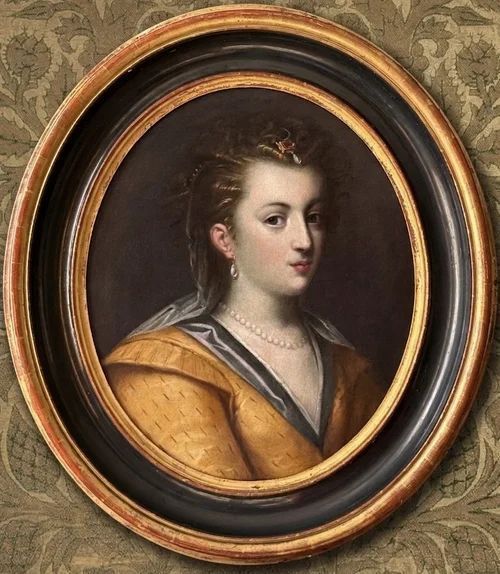
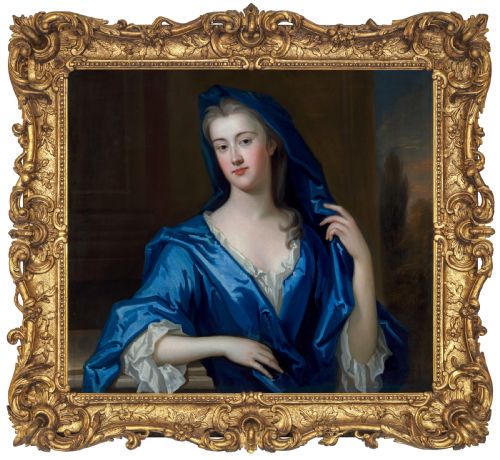
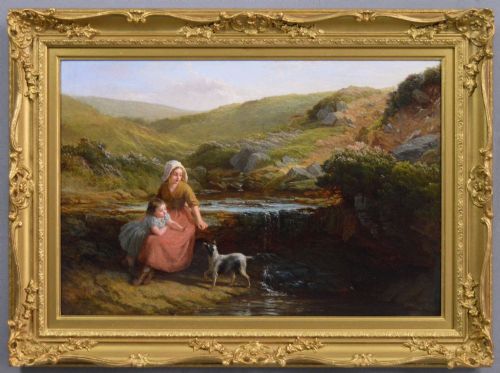
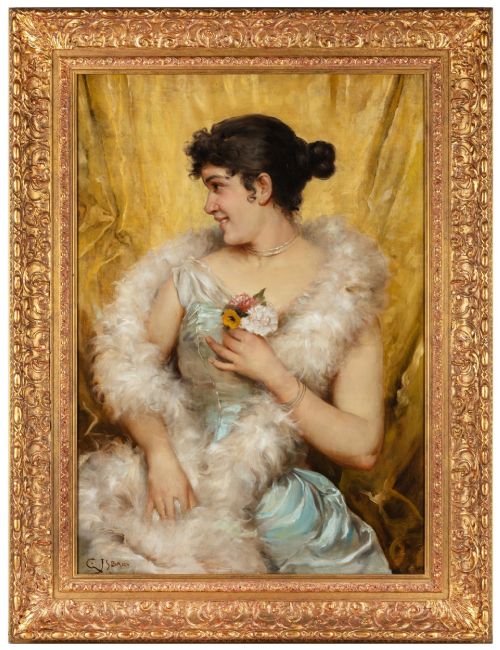
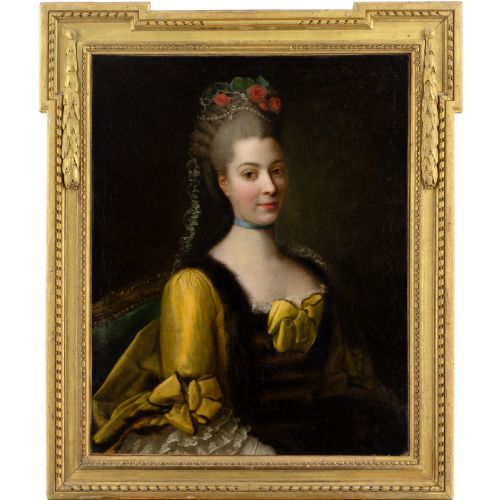
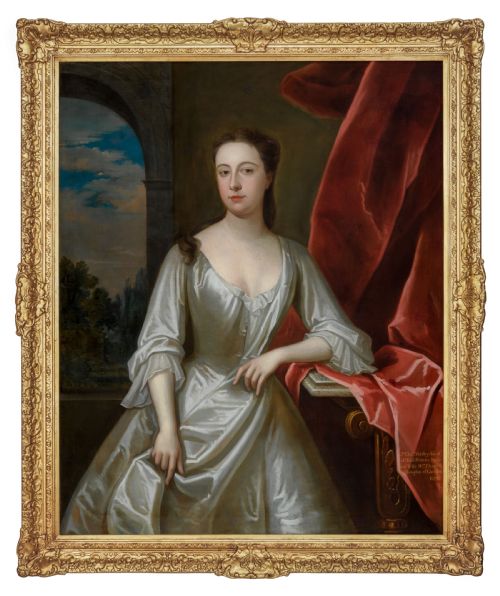
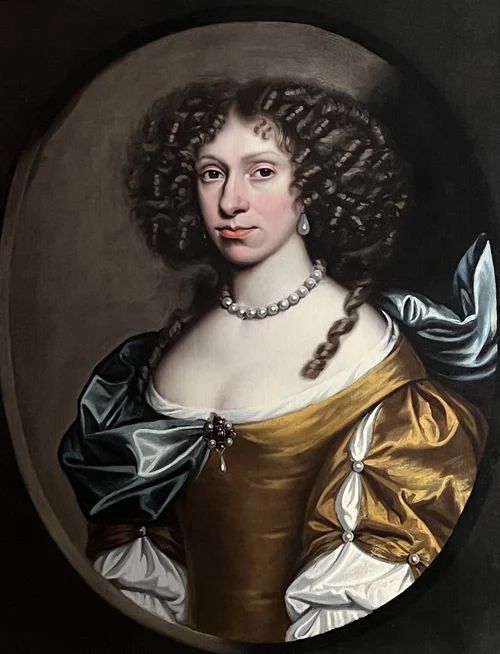
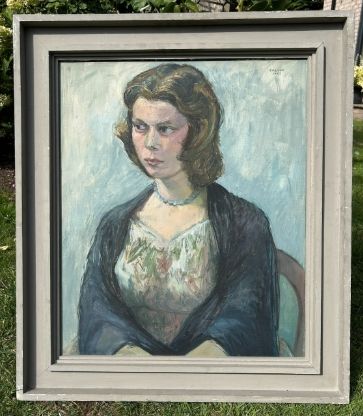
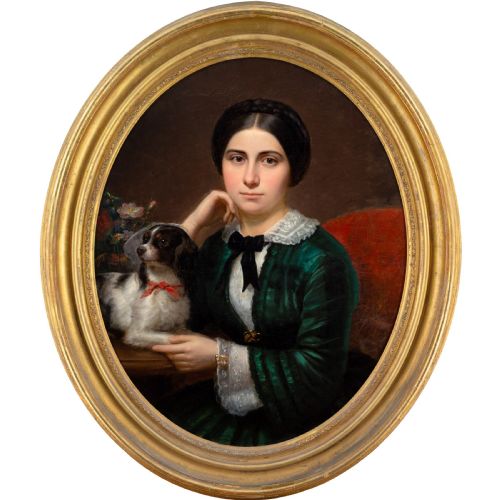
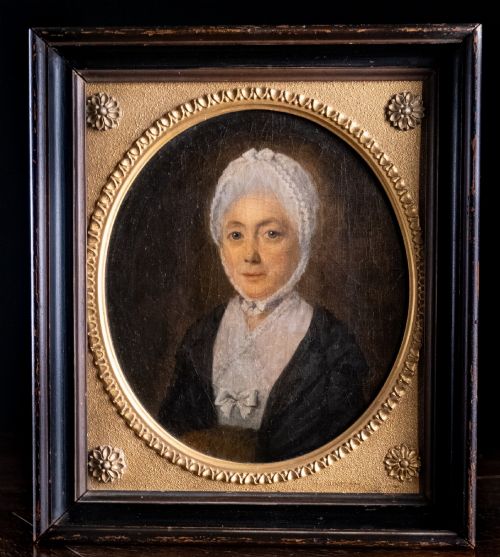
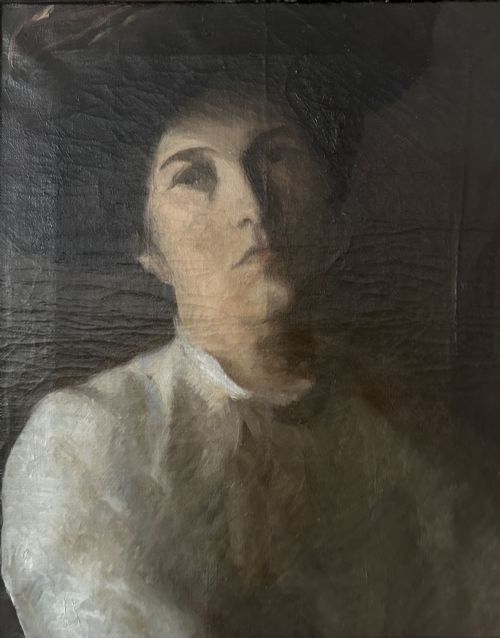
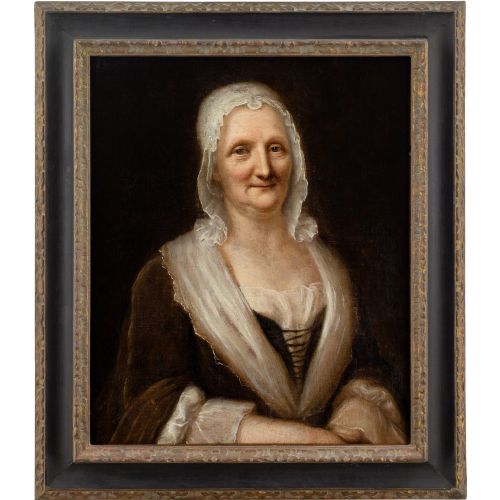
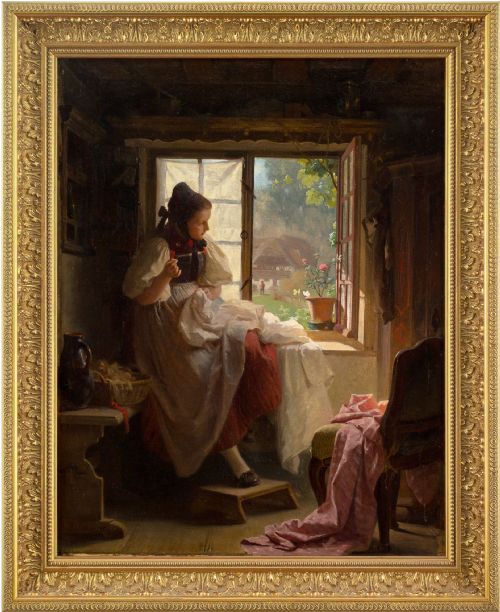
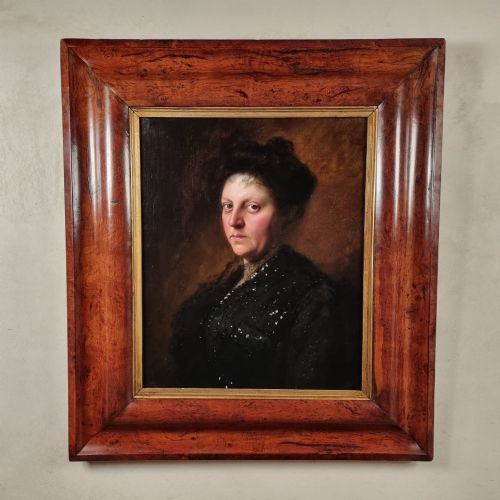
An oil painting of a woman encompasses centuries of portraiture, ranging from seventeenth-century nobility to mid-twentieth-century studies. These artworks depict sitters in various settings, from formal architectural interiors to pastoral landscapes.
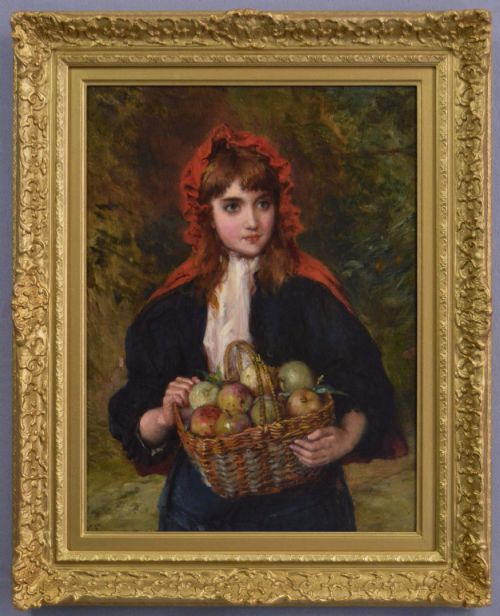
Buyers frequently encounter nineteenth-century canvases and Edwardian portraits on this page, alongside earlier Georgian and seventeenth-century examples. The collection bridges formal academic commissions and intimate genre scenes featuring female subjects.
Subjects range from named historical figures and elegant ladies in elaborate dresses to anonymous country women and domestic workers. Painters utilise canvas, board, and occasionally wood to capture these likenesses.
How They Were Made
Artists built these works utilising oil paint applied to prepared canvas or wooden board surfaces. Many period pieces incorporate traditional gesso grounds beneath the paint layers to seal and prepare the support.
Frames often complement the paintings using materials such as giltwood, carved wood, and gold leaf. These period frames are integral to the physical structure and presentation of the fine art.
What Varies in Quality
Quality depends upon the skill of the brushwork and the anatomical accuracy achieved in the sitter's face and hands. Master painters render textiles and light with precision, whereas lesser works lack depth and proportion.
The provenance and attribution to a recorded artist or recognised school elevate the standing of a portrait. Original period framing also contributes to the integrity of the piece.
Sir Godfrey Kneller·William Oliver·David Scougall·Charles Jervas·Thomas Lawrence·Attilio Toro
The Oil Painting of Woman Glossary
- Oil on Canvas
- Pigment mixed with drying oils applied to a stretched woven fabric support. This combination allows for rich blending of tones and enduring flexibility.
- Gesso
- A paint mixture consisting of a neutral binder mixed with chalk, gypsum, or pigment. It creates a smooth absorbent surface on wood panels or canvas before oil painting begins.
- Giltwood
- Wood carved and coated with a thin layer of gold leaf or metallic powder. It provides ornamental framing for traditional artworks.
- Genre Painting
- The pictorial representation of scenes from everyday life involving ordinary people. These works depict domestic interiors or outdoor activities rather than formal portrait poses.
- Baroque
- An ornate artistic style spanning the seventeenth and early eighteenth centuries, characterised by drama, tension, and rich deep colour. Portraits from this era emphasise theatrical lighting and grand attire.
Oil Painting of Woman: Frequently Asked Questions
How do I date an oil painting?
Dating relies on examining the costume, hairstyle, and stretcher construction of the canvas. Pigment analysis and framing styles also provide clues to the era.
Signatures or inscriptions on the reverse often point directly to the artist or the year of creation.
Where should I hang a portrait?
Portraits suit principal reception rooms, hallways, and studies where adequate wall space permits proper viewing distances. Traditional frames look best away from direct sunlight and excessive moisture.
Pairing them with period furniture enhances the historic character of the interior.
What is a genre portrait?
A genre portrait shows a subject engaged in daily activities rather than posing formally for the artist. These works capture moments like sewing, reading, or resting.
They offer insight into historical lifestyles and domestic environments.
How do I care for canvas art?
Keep paintings away from direct heat sources and fluctuating humidity to prevent canvas slackening and paint cracking. Dust the surface gently with a soft dry brush.
Avoid using water or chemical cleaners on the paint layer.