

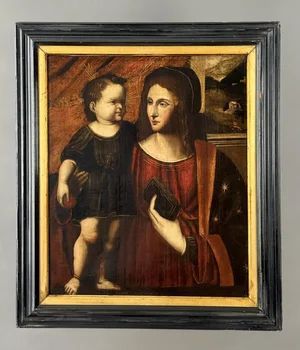
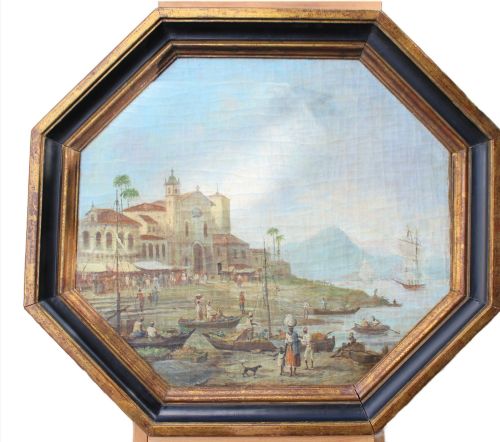
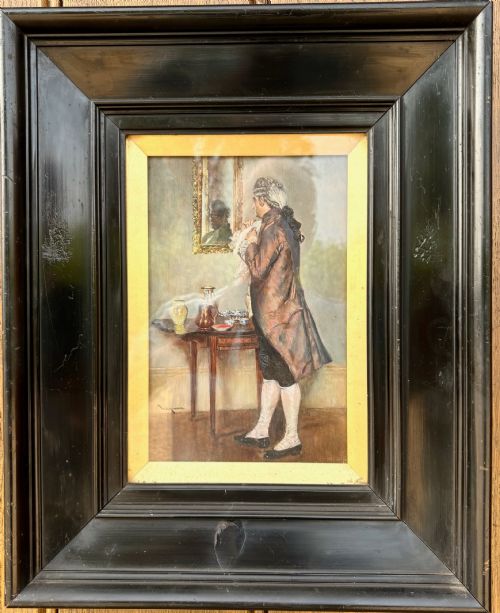
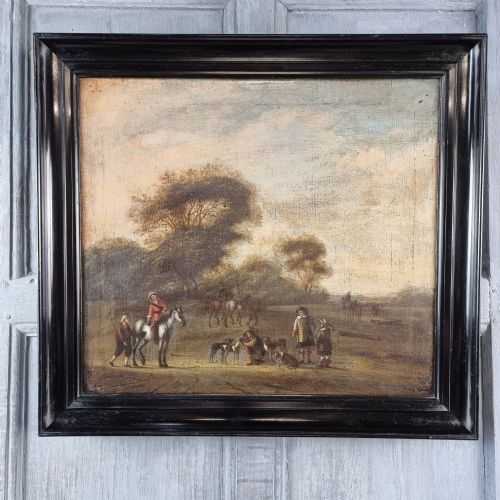
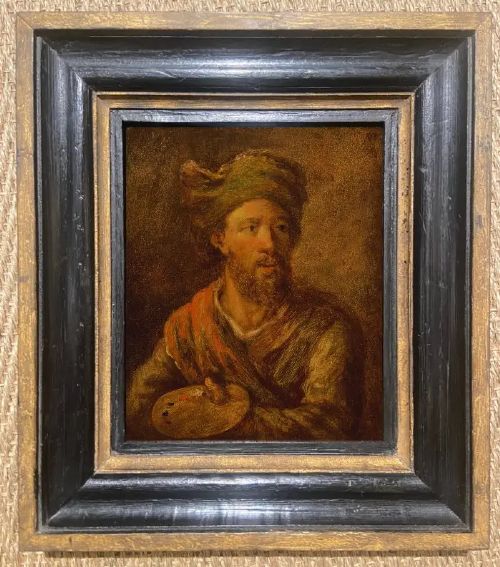
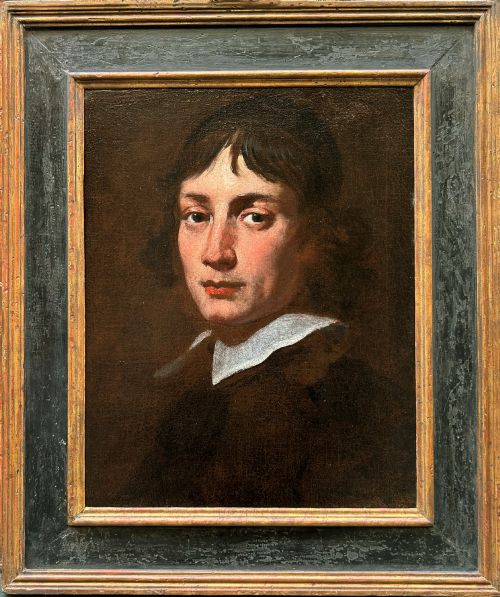
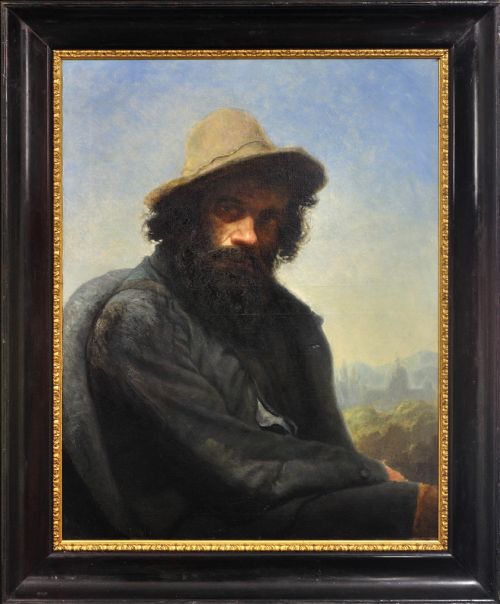
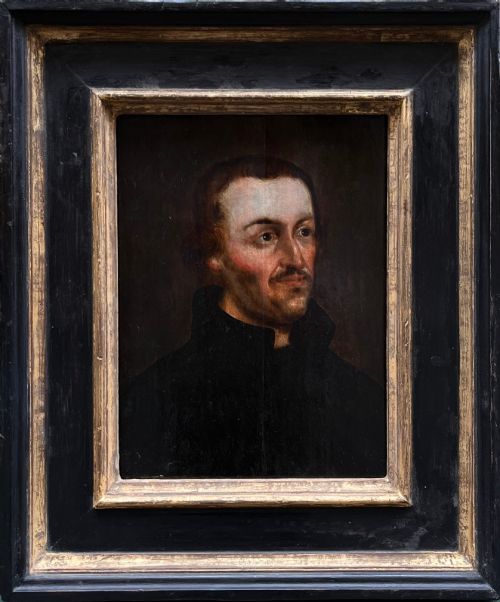
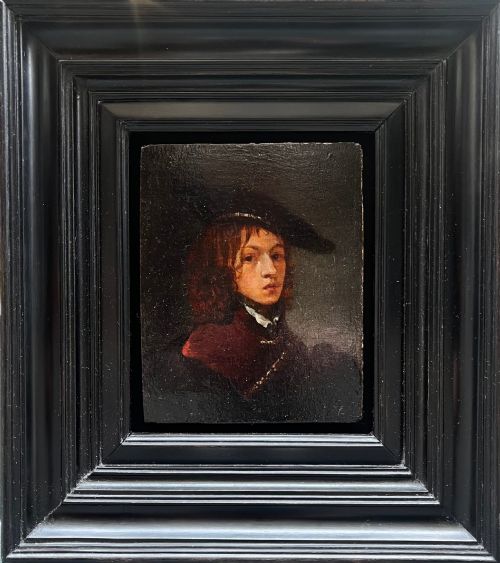
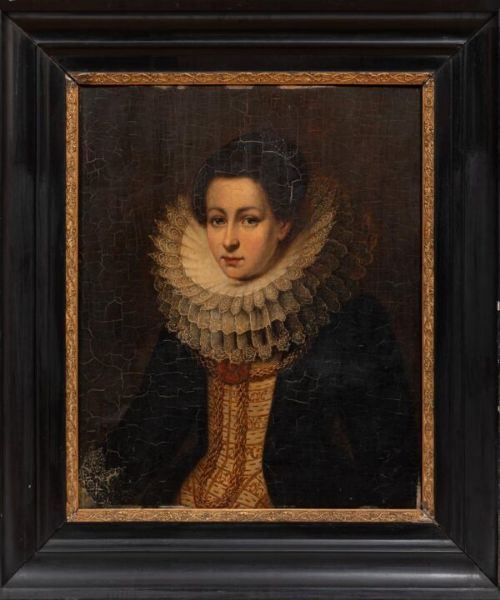
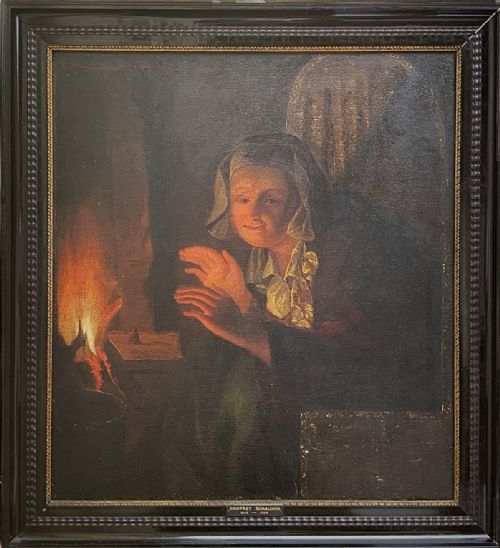
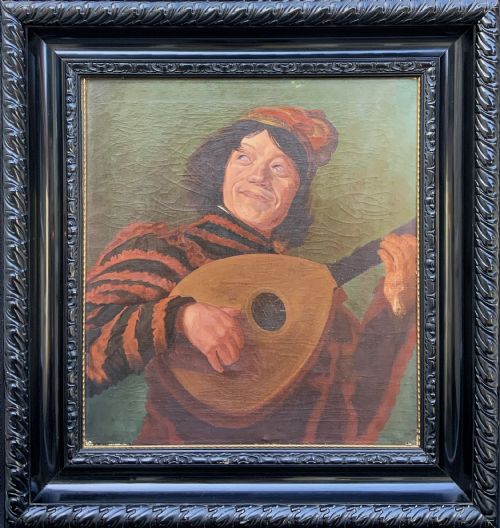
Oil Painting in Ebonised Frame
An oil painting in ebonised frame brings dark wood moulding and centuries-old pigment together to anchor a room.
Oil Painting in Ebonised Frame
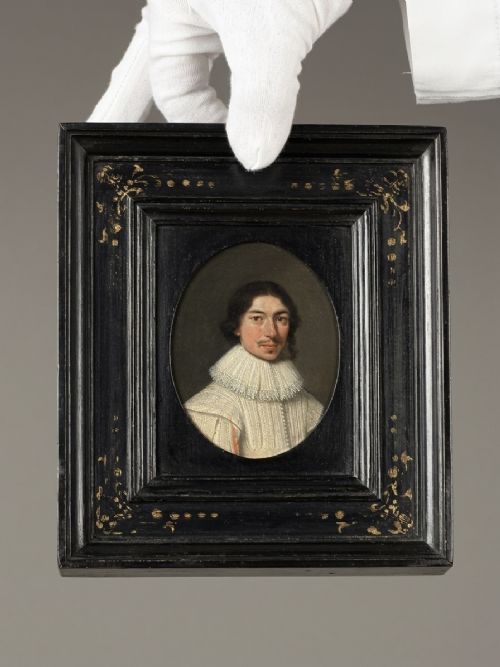
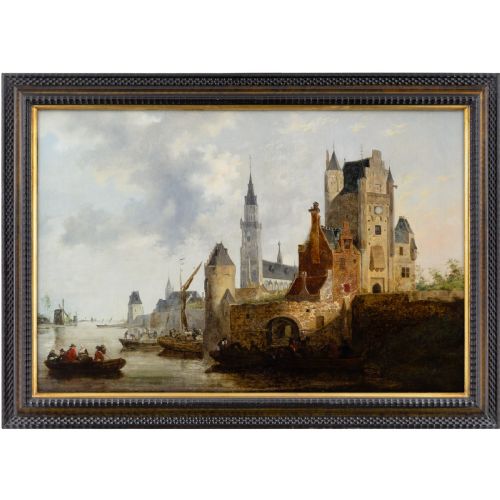
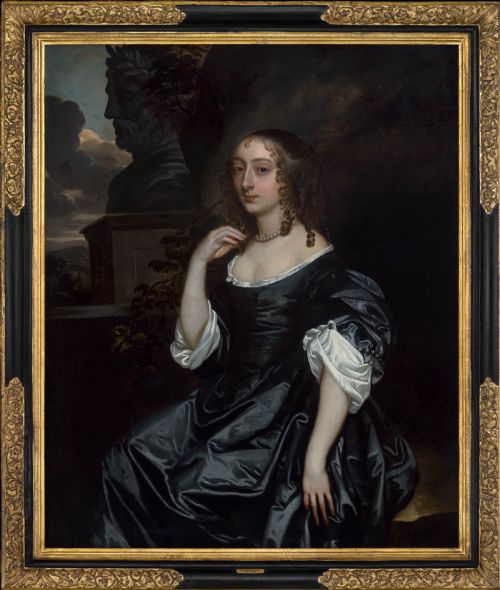
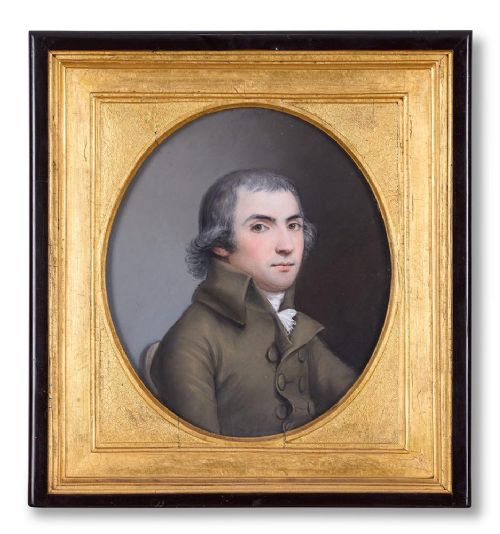
When you search for an oil painting in ebonised frame, you are looking at canvases, panels, and boards secured within dark, heavy wooden borders. These works span centuries, drawing heavily from periods like the seventeenth century and the nineteenth century.
The subjects range from Dutch Golden Age still lifes and Flemish Baroque studies to Victorian genre paintings and Georgian romantic ruins. Portraits dominate the selection, showing noblemen, ladies, and children captured in oil paint.
You will encounter pieces originating from English, French, Italian, and Dutch schools, often housed in surrounds made of ebonised wood or ebony. These dark borders serve to isolate the colourful pigments and gold leaf accents of the art within.
Materials and Construction
Artists painted primarily with oil on canvas, oil on wood panel, or oil on board, applying layers of oil paint to build depth and luminosity. Canvases and wooden supports were prepared with grounds before the brushwork began.
The surrounds consist of wood treated to imitate ebony, creating a dense, black ebonised finish that contrasts sharply with the gilded elements and bright colours inside the frame. Gilding with gold leaf frequently highlights interior sight edges or provides supplementary decoration.
Oil Painting in Ebonised Frame Retail Price Guide 2026
Typical asking prices for oil painting in ebonised frame among the pieces listed under this phrase on Sellingantiques today, from the lower quarter to the upper quarter. They describe what is for sale here now, not the wider market.
Listings feature oil paintings across seventeenth-century, eighteenth-century, and nineteenth-century periods, utilising canvas, wood panels, and ebonised wood.
Factors of Quality
Quality rests in the handling of the brush, the stability of the wood or canvas support, and the preservation of the original paint layers. Finer works display controlled detail in facial expressions, textiles, and still life textures.
The craftsmanship of the ebonised frame matters equally, where smooth, deep black finishes without modern touch-ups indicate superior preservation. Original pairings of art and dark wooden framing elevate the integrity of the piece.
Guillaume Courtois·Gaspar Peeter Verbruggen·Albin Mattenheimer·James de Rijk·Michael Dahl·Hans Temple·Nicolaes Maes
The Oil Painting in Ebonised Frame Glossary
- Ebonised wood
- Timber treated with stains, dyes, or black polish to simulate expensive ebony wood. This dark finish gained popularity across multiple historical periods for framing fine art.
- Oil on panel
- A technique where artists apply oil paint directly onto a prepared wooden board rather than woven fabric. These panels offer a rigid support often seen in earlier periods.
- Gilt
- A thin application of gold leaf or gold powder applied to wood mouldings or canvas details. It provides reflective highlights that catch light in dim interiors.
- Genre painting
- Artwork depicting scenes from everyday life, such as domestic interiors, market stalls, or recreational pursuits. These pieces record the ordinary activities of past eras.
- Dutch Golden Age
- A period in Dutch history spanning the seventeenth century marked by remarkable achievement in painting. Artists during this time produced acclaimed still lifes and portraits.
Oil Painting in Ebonised Frame: Frequently Asked Questions
What periods do these paintings come from?
The works span from the sixteenth century through the seventeenth, eighteenth, and nineteenth centuries, extending into mid-century examples. Earlier pieces often reflect Renaissance or Baroque traditions, while later items encompass Victorian and nineteenth-century realism.
Each era brought distinct approaches to portraiture, landscape, and still life, utilising canvas, wood panels, and board supports prepared with traditional ground layers.
How do I identify an ebonised frame?
An ebonised frame is made from timber treated with a deep black finish designed to imitate solid ebony. These frames feature dark, uniform surfaces that often complement the rich tones of oil paintings.
Some examples incorporate subtle gilding or gold leaf along the interior edge to create contrast between the dark wood moulding and the artwork.
Where were these paintings produced?
The selection includes pieces from English, French, Italian, and Dutch schools of art. Workshops across Europe contributed to this variety, spanning regional styles from Flemish Baroque to Victorian genre painting.
Creators ranged from named masters and circle members to anonymous regional painters working within established historical traditions.
How should I display an oil painting in ebonised frame?
Hang these works away from direct sunlight and damp conditions to protect the oil paint and the wooden support. The dark framing works well against neutral or richly coloured walls, which help the composition stand out.
Ensure the wall fixings can support the weight of the frame and canvas, particularly for larger seventeenth-century or nineteenth-century pieces.