




Oil Painting in Armour
When you search for an oil painting in armour, you encounter historic portraiture depicting subjects clad in steel, recorded across the seventeenth, eighteenth and nineteenth centuries.
Oil Painting in Armour
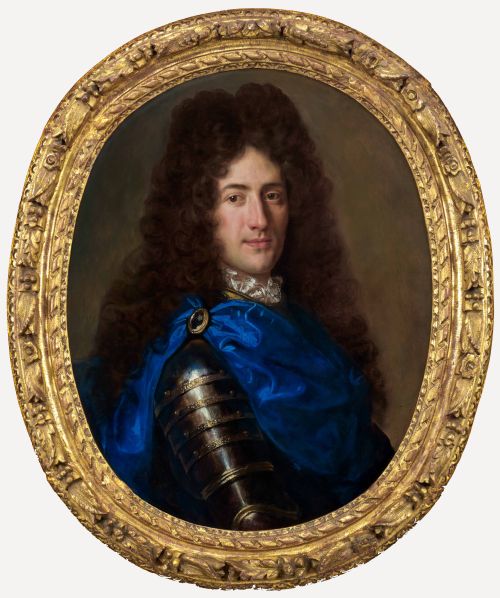
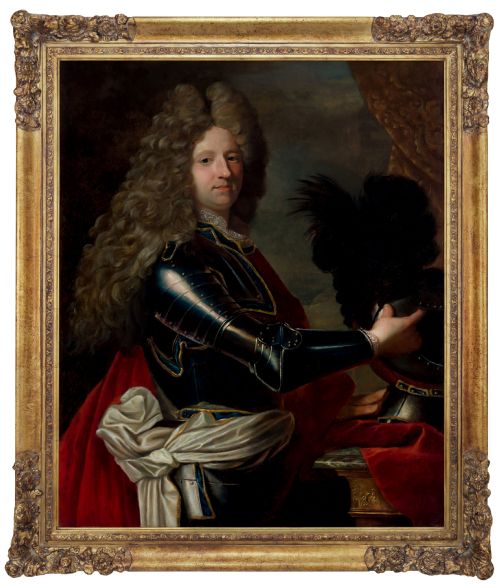
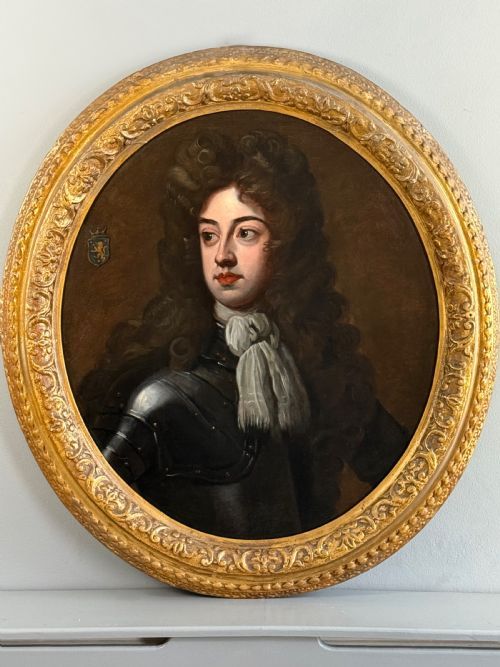
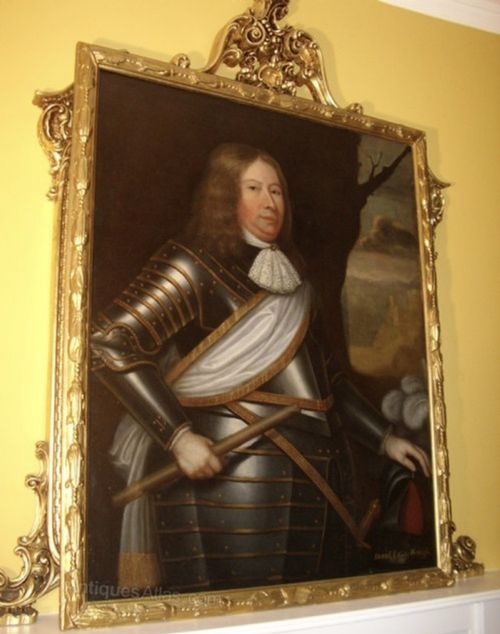
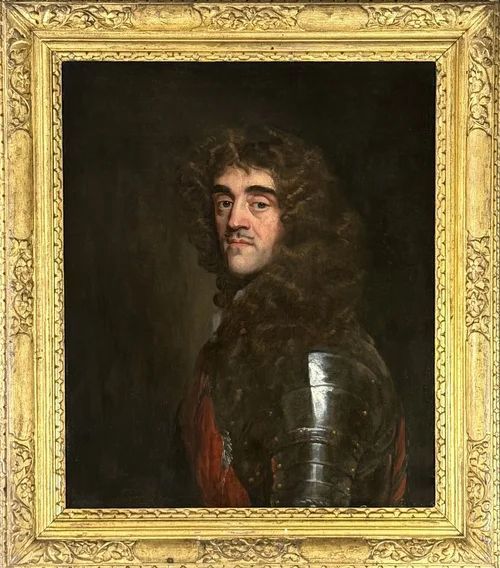
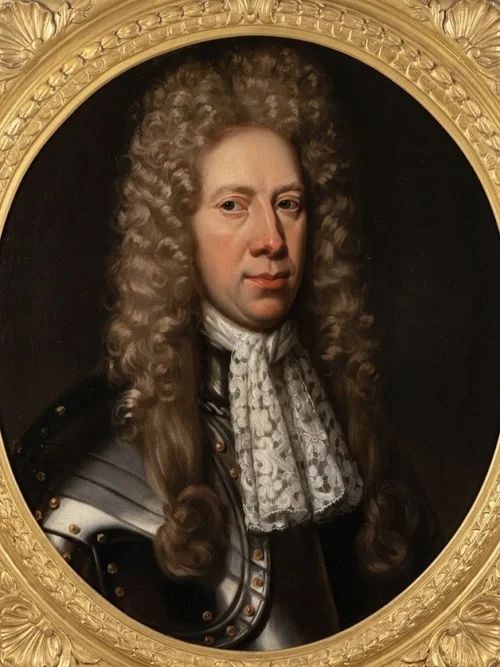
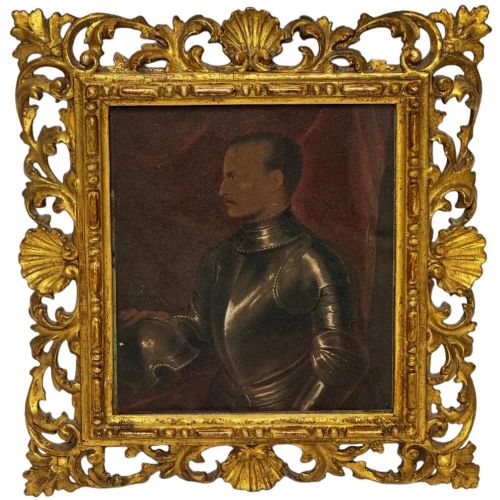
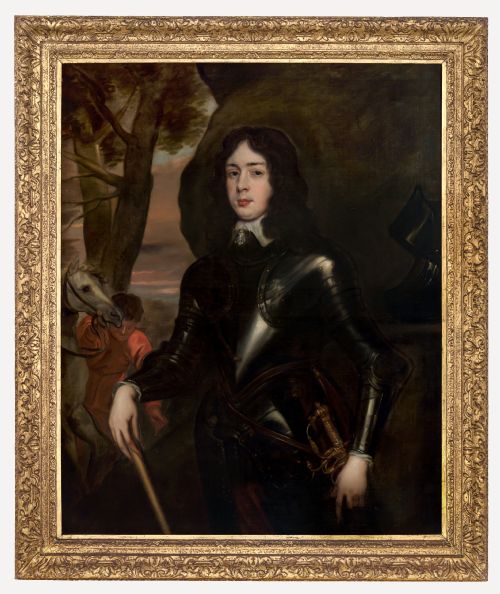
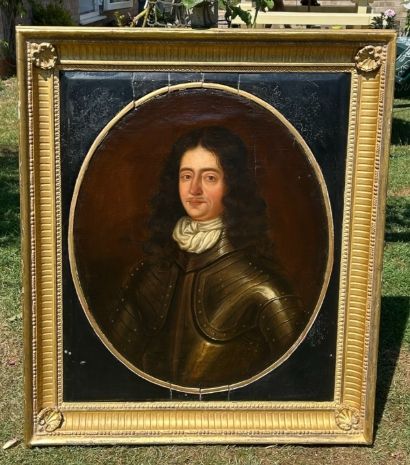
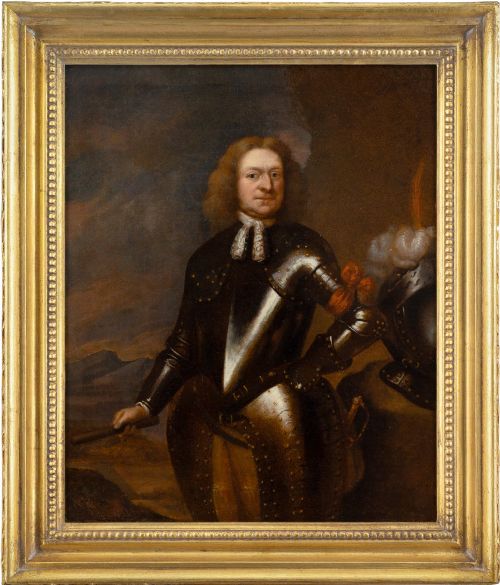
An oil painting in armour presents a half-length or bust portrait of a nobleman, royalist officer, or historic gentleman, typically wearing polished steel plates over velvet or lace. These works record aristocratic status and military command through detailed depictions of gorgets, breastplates, and ornate sashes.
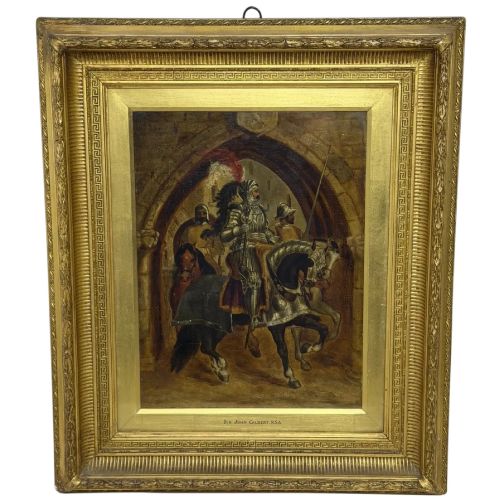
The pieces appearing most frequently originate from the seventeenth century and its later revivals, executed in oil on canvas and housed in giltwood frames. Portraits range from direct seventeenth-century British and Continental works to nineteenth-century interpretations of Renaissance and Baroque subjects.
How they were made
Painters built these canvases using traditional oil paint layered over prepared grounds on woven linen, applying transparent glazes to render the cold sheen of metal. Highlights on steel plates and gold leaf accents on frames were handled with precise brushwork to create contrast against dark, atmospheric backgrounds.
Makers framed these oils in carved timber and gilt wood, using joinery techniques appropriate to each period, from seventeenth-century moulding profiles to Victorian revival frames.
Oil Painting in Armour Retail Price Guide 2026
Typical asking prices for oil painting in armour among the pieces listed under this phrase on Sellingantiques today, from the lower quarter to the upper quarter. They describe what is for sale here now, not the wider market.
Several sitters wear elaborate azure cloaks and diamond clasps, ensuring their steel armour comes accessorised for court.
What varies in quality
The success of a portrait rests upon the handling of facial anatomy and the convincing weight of the metal plate, where accomplished artists render reflections and rivets with clarity. Weaker examples display stiff posture and flat, opaque pigments that fail to suggest the mass of steel or velvet.
Condition varies according to the history of the canvas, noting that older works often show relining, craquelure, and cleaned surfaces, while framing ranges from original period mouldings to later replacements.
Joseph Vivienne·Sir Godfrey Kneller·Hyacinthe Rigaud·John Greenhill·Sir Anthony van Dyck·John Scougall·Michael Dahl·Jean-Baptiste Santerre·Samuel van Hoogstraten
The Oil Painting in Armour Glossary
- Oil on canvas
- A painting medium where pigments bound in drying oil are applied to stretched woven fabric. This combination allowed artists to achieve deep tonal gradations and durable surfaces.
- Giltwood
- Timber carved and coated with a thin layer of gold leaf or metallic powder. It provides reflective ornamental framing for historic canvases.
- Baroque
- An artistic style prevalent in the seventeenth and eighteenth centuries characterised by dynamic movement and dramatic lighting. Portraits in this manner emphasise grand gestures and rich drapery.
- Gorget
- A piece of armour protecting the throat, frequently visible in military portraits. It serves as a traditional indicator of officer rank.
- Craquelure
- A fine network of microscopic cracks appearing across aged oil paint layers. This pattern develops naturally as the paint film hardens over centuries.
Oil Painting in Armour: Frequently Asked Questions
What is an oil painting in armour?
These works are historic oil portraits depicting aristocratic figures, officers, and monarchs wearing steel plate armour. They function as records of status and military identity.
Subjects wear polished breastplates, gorgets, and sashes, often accompanied by lace collars and flowing cloaks indicative of seventeenth-century fashion.
How do I date these portraits?
Dating relies upon the costume of the sitter, painting technique, and the construction of the canvas support. Seventeenth-century examples show specific armour styles and wig designs.
Nineteenth-century revival works often display different canvas preparations and framing methods that distinguish them from period originals.
Where were these paintings produced?
Production centres include British, Flemish, French, and Italian workshops. Artists worked under court patronage or within regional schools.
Many canvases reflect the stylistic influence of prominent portraitists such as Sir Anthony van Dyck and Sir Godfrey Kneller.
How should I display an antique oil painting?
Hang the canvas on a stable interior wall away from direct sunlight and rapid temperature fluctuations. Proper placement preserves both the oil paint and the giltwood frame.
Ensure the artwork is secured using appropriate fixings suited to the weight of the timber frame.