




Oil Painting Copy
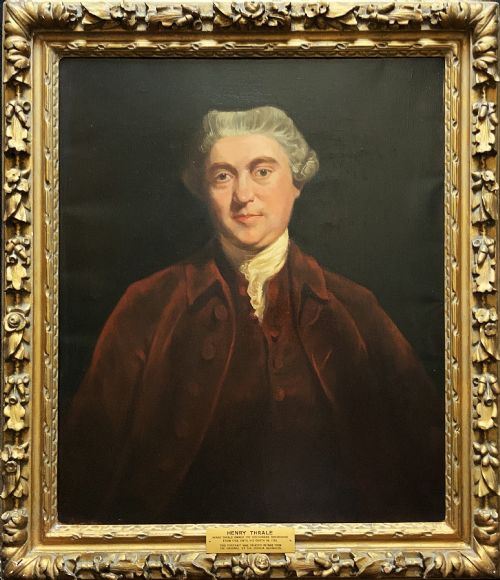
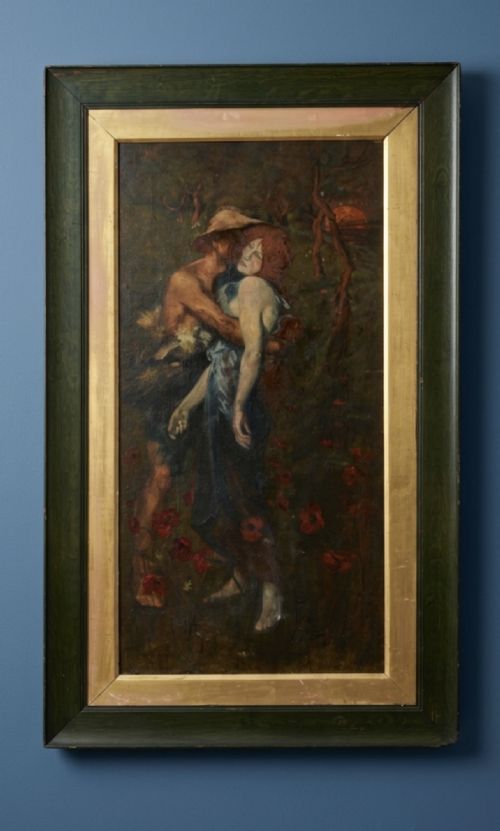
An oil painting copy brings masterworks into private rooms through skilled hand-rendered brushwork after renowned historical compositions.
Oil Painting Copy
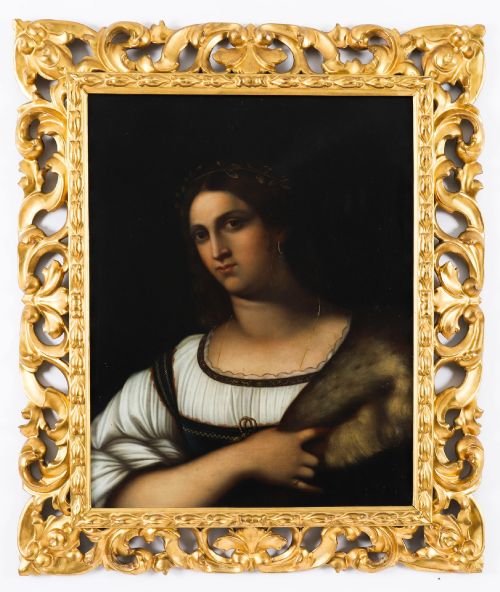
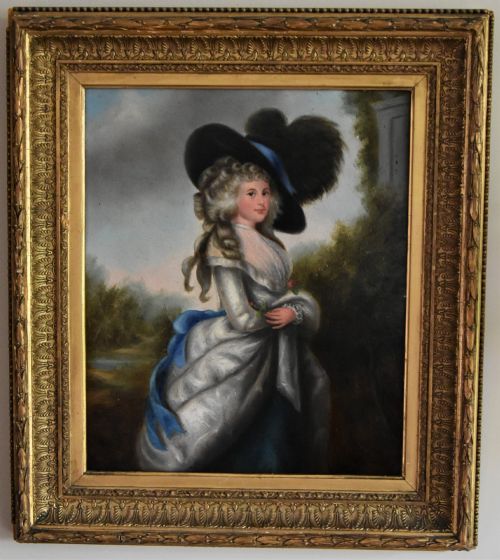
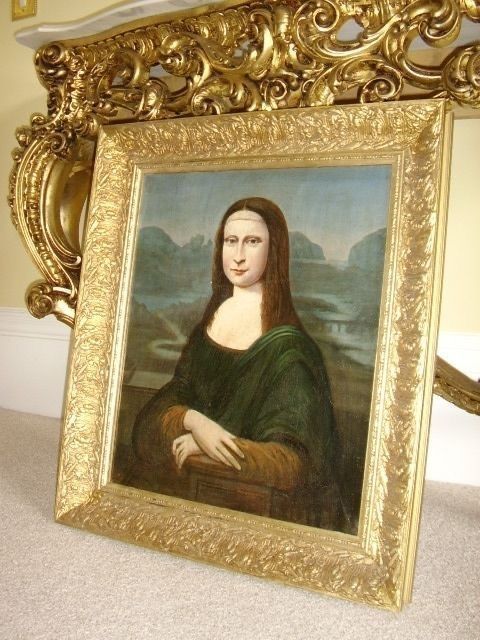
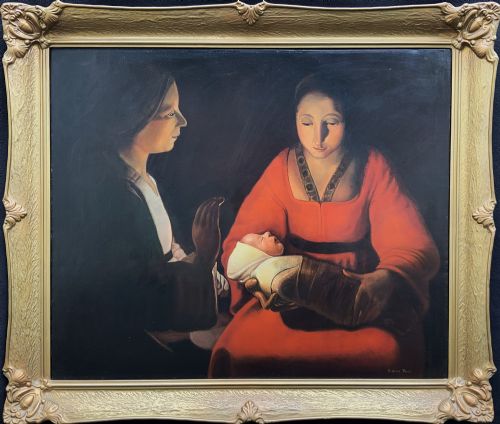
An oil painting copy translates celebrated museum compositions, portraits, and religious scenes into domestic formats created across subsequent centuries. When buyers search for an oil painting copy, they encounter historic interpretations ranging from seventeenth-century follower works to twentieth-century studio pieces.
The selections span distinct periods including the eighteenth and nineteenth centuries, alongside Edwardian and mid-century examples. These works replicate major masters such as Raphael, Rembrandt, and Landseer, offering traditional subjects in framed formats.
Materials and construction
These works rely primarily on oil paint applied to canvas, board, or wood supports, frequently paired with giltwood or gilded wood frames. Painters built up compositions through layered pigments to capture the light and depth of the original source material.
Framing forms an integral component of the physical object, utilising period joinery and gold leaf application that complements the painted canvas.
Oil Painting Copy Retail Price Guide 2026
Typical asking prices for oil painting copy among the pieces listed under this phrase on Sellingantiques today, from the lower quarter to the upper quarter. They describe what is for sale here now, not the wider market.
Even dogs get immortalised, as seen in the nineteenth-century Victorian copies after Sir Edwin Landseer's famous hounds.
Judging quality in historic copies
Quality rests upon the fidelity of the draughtsmanship and the confidence of the brushwork in capturing light, shadow, and expression from the primary source. Superior examples demonstrate a secure command of proportion and pigment handling that elevates the piece beyond a mechanical transcription.
The execution of the surrounding frame, particularly carved or gilded wood detailing, contributes significantly to the integrity and presence of the piece.
The Oil Painting Copy Glossary
- After
- A term used in a title to indicate that a work is a direct copy or adaptation of a known composition by another artist. It establishes the relationship between the secondary painting and its primary source.
- Oil on canvas
- A painting technique where pigment suspended in drying oils is applied to stretched woven fabric. This combination provides flexibility and allows for rich colour blending.
- Giltwood
- Wood that has been decorated with a thin layer of gold leaf or powder. It is frequently found on traditional frames surrounding historic canvases.
- Dutch School
- A stylistic classification reflecting the techniques and subjects associated with seventeenth-century painters from the Netherlands. It often emphasises domestic interior lighting and realistic portraiture.
- Baroque Revival
- An artistic style drawing inspiration from the dramatic scale, theatrical lighting, and rich ornamentation of the seventeenth-century Baroque period. It appeared frequently in nineteenth-century decorative arts.
Oil Painting Copy: Frequently Asked Questions
What is an oil painting copy?
An oil painting copy is a hand-painted artwork that reproduces a famous composition by a master artist. These pieces allow collectors to own interpretations of museum-held works.
They were produced across many centuries as both study pieces for artists and decorative works for private homes.
How do I date an old copy?
Dating relies on examining the materials of the support, such as the weave of the canvas or the construction of the wooden stretcher. Frame styles and pigment analysis also provide reliable chronological indicators.
Secondary elements like stretcher wedges and canvas stamps help narrow down the period of creation.
Where were these paintings displayed?
Historic copies were traditionally hung in country houses, libraries, and formal drawing rooms to signal the owner's cultural literacy. They served as accessible alternatives to unattainable masterworks.
Today, they function similarly in domestic settings, adding classical warmth and historical narrative to interior spaces.
Are all copies painted on canvas?
While canvas is the most common support, artists also utilised wooden panels and rigid boards depending on the period and the format of the original source. Each material requires specific care regarding environmental humidity.
Panel paintings often date to earlier periods or smaller cabinet-sized works.