



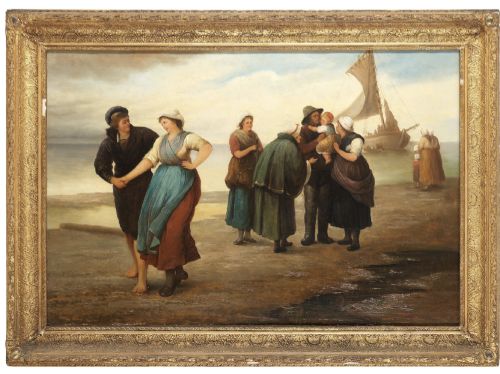
Oil Painting Canvas Picture
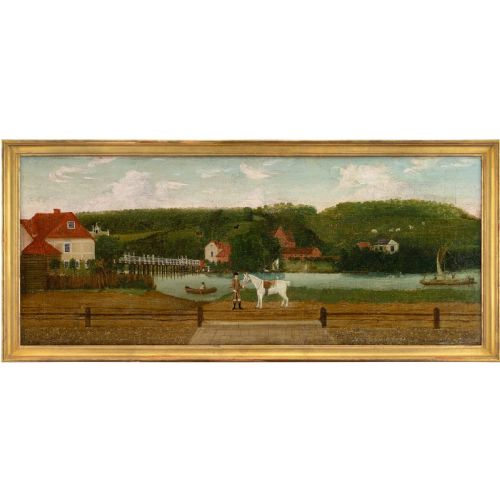
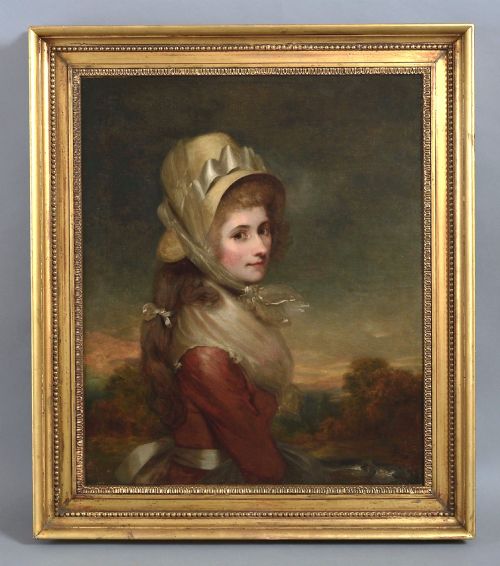
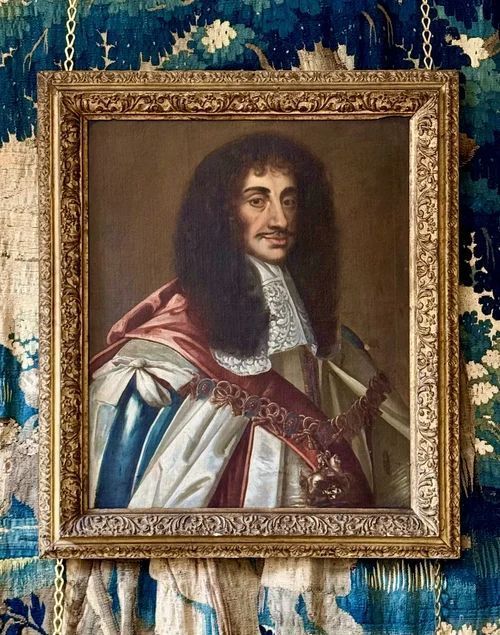
When you search for an oil painting canvas picture, you encounter centuries of pigment layered over woven fabric, recording portraits, landscapes, and domestic scenes.
Oil Painting Canvas Picture
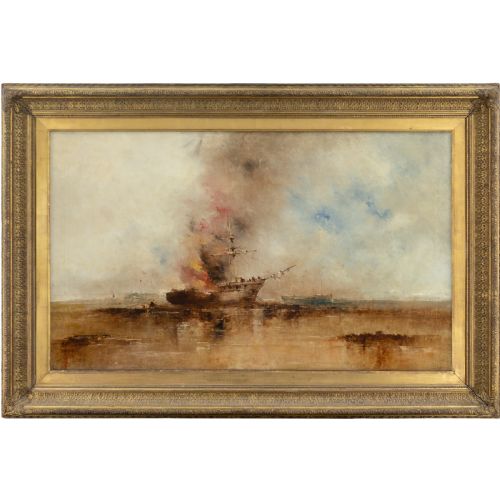
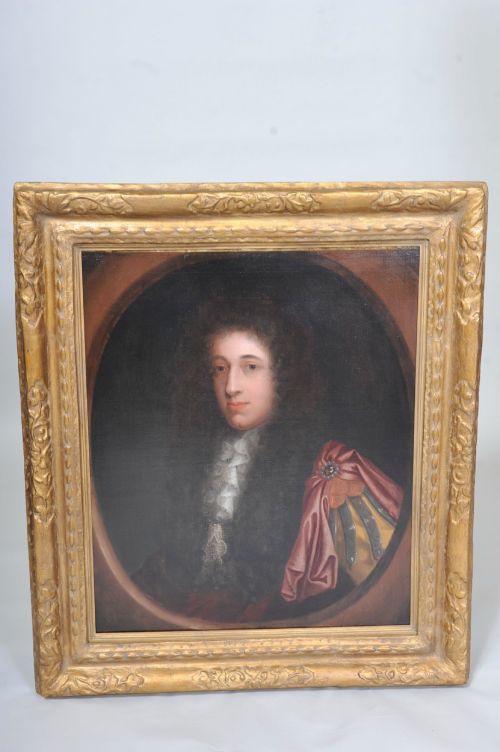
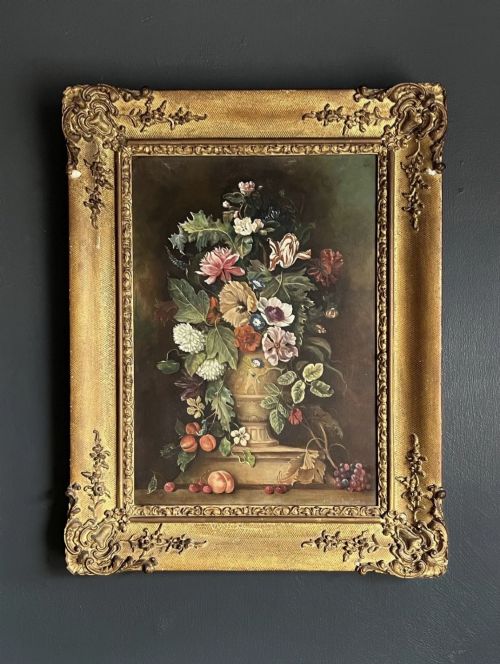
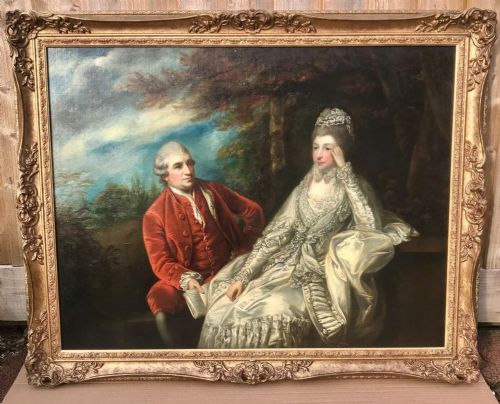
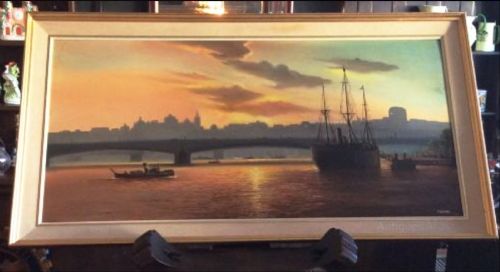
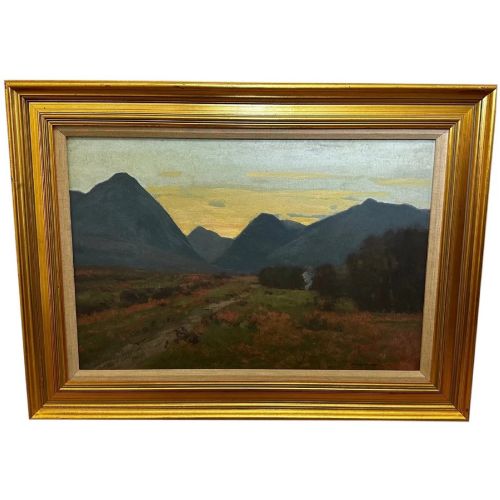
An oil painting canvas picture represents a visual tradition stretching from the seventeenth century through the Victorian era and into the mid-twentieth century. The works you find here span formal portraiture, maritime views, and pastoral landscapes executed in oil paint.
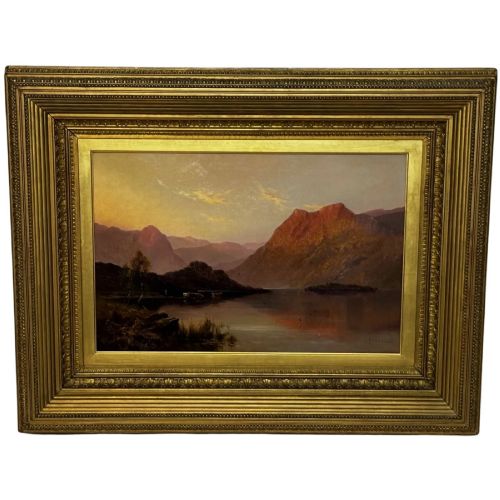
You are most likely to meet nineteenth-century British and French school landscapes alongside mid-century canvases and portraits. These objects combine stretched fabric supports with traditional wooden frames, often finished in giltwood and gesso.
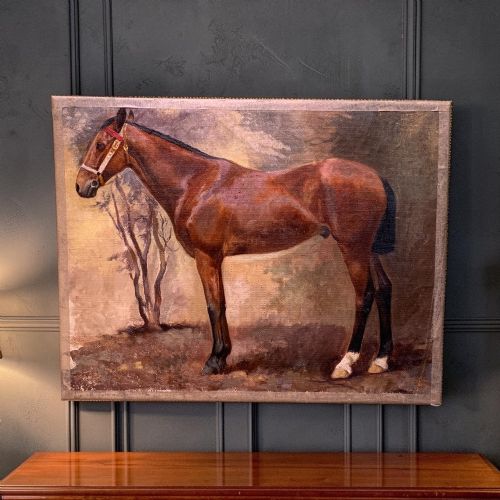
The selection ranges from grand historical subjects and intimate equine studies to floral still lifes and coastal panoramas. Each piece reflects the aesthetic priorities of its specific period, whether Georgian, Victorian, or mid-century modern.
How they were made
Makers applied oil paint to woven canvas stretched across wooden frames, building up pigment in layers to achieve depth and texture. Some works utilise wood boards as a rigid support instead of fabric.
Frames play a structural and decorative role, constructed from wood and ornamented with moulded gesso, then finished with gilding. These giltwood surrounds complement the pictorial depth of the canvas within.
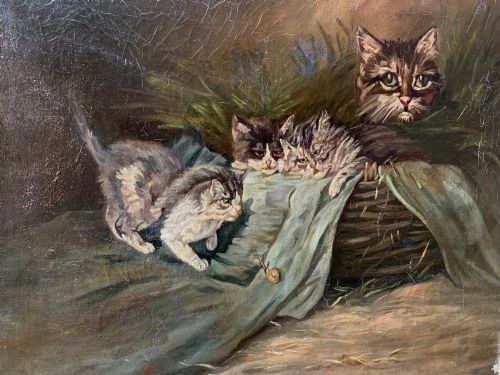
Several canvases record domestic cats supervising quiet moments, leisurely tea parties, and industrious farm horses taking a well-earned rest.
What varies in quality
The sophistication of brushwork and anatomical or spatial proportion distinguishes accomplished painting from routine production. Masterly handling of light, shadow, and surface texture separates ambitious compositions from standard studio output.
The integrity and craftsmanship of the original frame add significant weight to a piece. Carved giltwood and gesso surrounds executed by skilled frame-makers elevate the presentation and complete the historical artefact.
Sir Martin Archer Shee·Sir Peter Lely·Alfred Fontville de Breanski Jr·George Houston RSA RSW·Stephen Samuel Lewin·Sir Joshua Reynolds·David Bates·Benjamin Barker of Bath·Alfred Lyndon Grace·Walter Heath Williams·Howard Helmick·Francis Moltino·Edward Ladell·John Horace Hooper·Sir John Gilbert RA
The Oil Painting Canvas Picture Glossary
- Oil on Canvas
- Pigment bound in drying oil applied to a woven fabric support. This combination provides a flexible and durable surface that has dominated European painting for centuries.
- Giltwood
- Wood carved and coated with gold leaf or metallic powder. It forms the lustrous surface of traditional antique picture frames.
- Gesso
- A paint mixture consisting of a neutral binder mixed with chalk, gypsum, or pigment. It creates a smooth white base on frames before gilding.
- Provenance
- The documented history of ownership of a work of art. It establishes authenticity and traces the journey of the piece through time.
- School
- A group of artists sharing a common style, period, or geographical origin, often influenced by a prominent master.
Oil Painting Canvas Picture: Frequently Asked Questions
How do I date an old canvas?
Dating relies on examining the preparation of the fabric, the stretcher frame construction, and the style of the pigments used. Nail types and canvas weave density also offer clues to the period.
Comparing the artistic style and framing conventions with documented examples helps narrow down the decade or century of creation.
What is the difference between canvas and board?
Canvas consists of woven textile stretched over a wooden frame, offering slight give and a textured surface. Board provides a rigid wooden support that resists flexing.
Painters selected boards for smaller studies or sketches, while finished exhibition pieces typically utilised stretched fabric.
How should I care for an oil painting?
Keep paintings away from direct sunlight, excessive heat, and rapid humidity changes to protect the canvas and the wooden frame. Dust the surface gently with a soft, dry brush without applying pressure.
Avoid using water or chemical cleaners on the paint layer or the giltwood surround.
Why do frames matter so much?
The frame protects the edges of the canvas and defines the visual boundary between the artwork and the room. Original frames contribute historical context and aesthetic balance.
Matching frames reflect the period of the painting and enhance the overall presentation of the piece.