

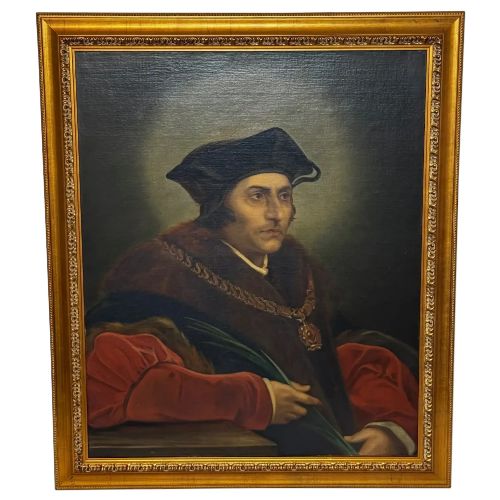
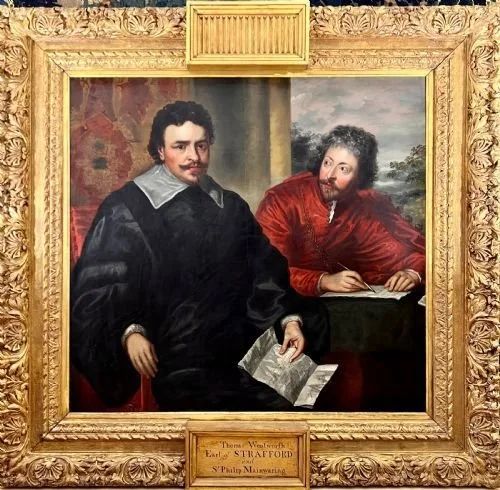
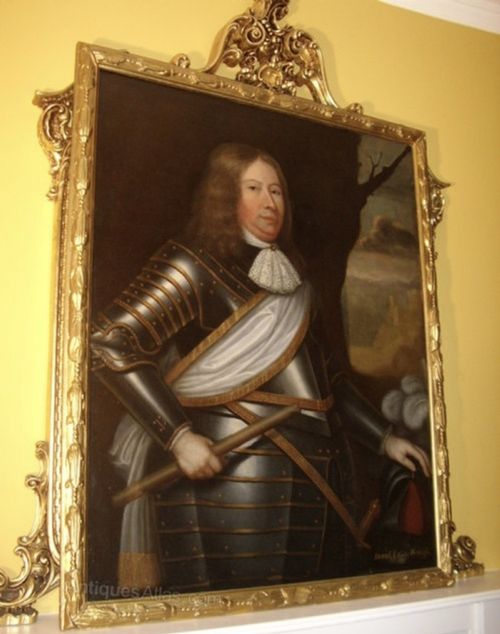
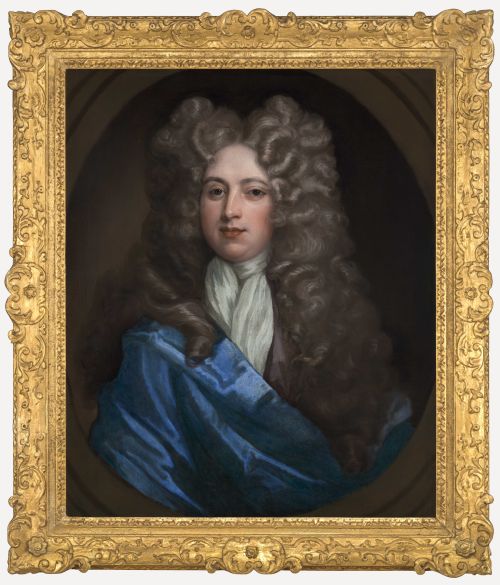

Oil on Wood Portrait
When you handle an oil on wood portrait, you hold centuries of individual character captured in pigment and panel.
Oil on Wood Portrait
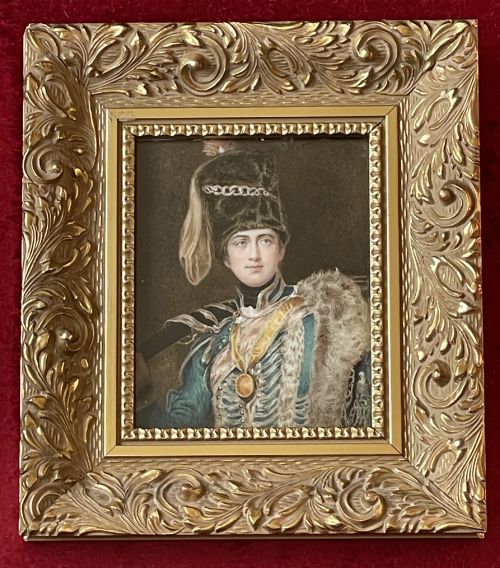
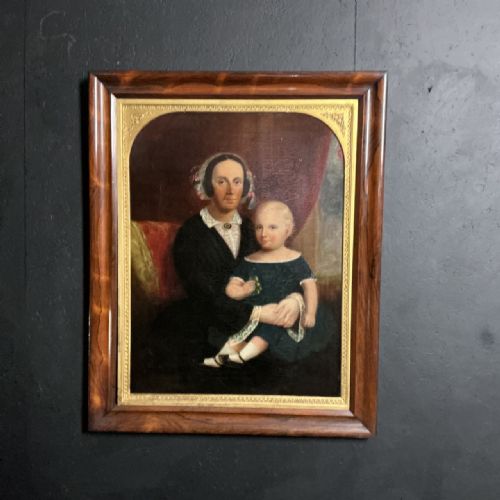
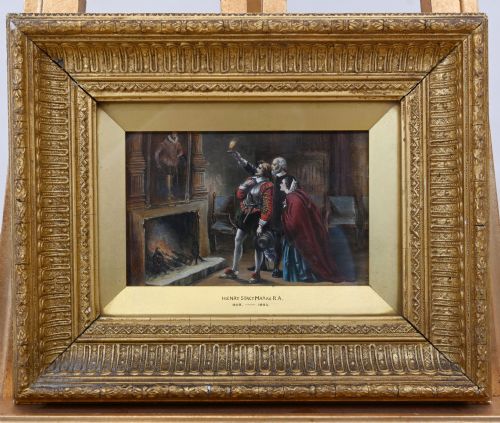
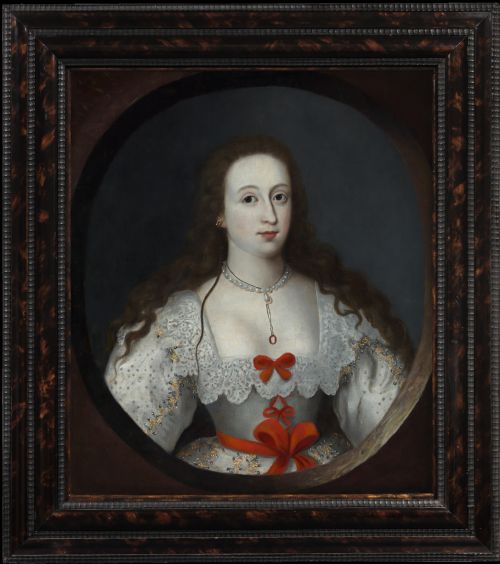
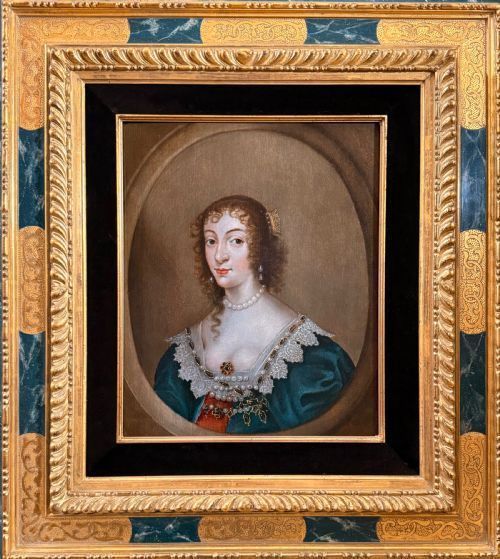
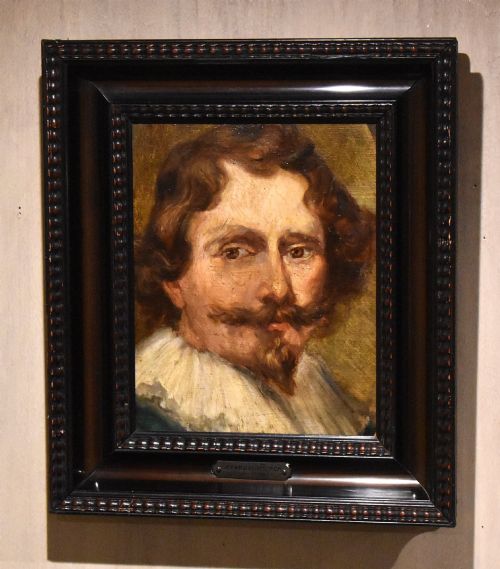
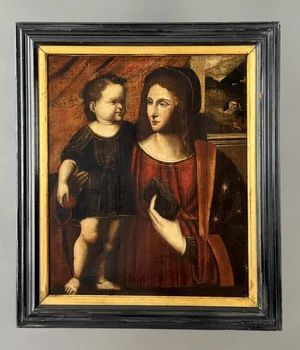
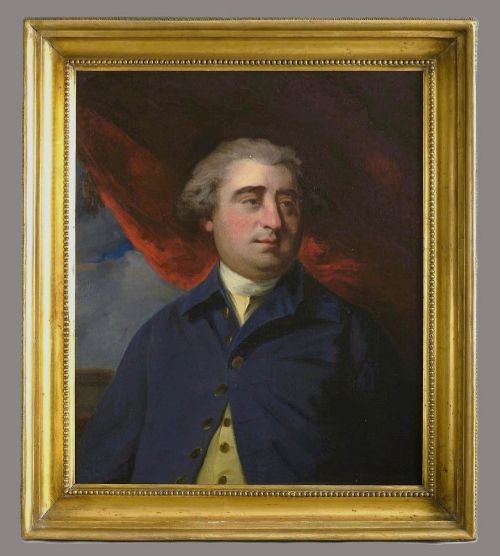
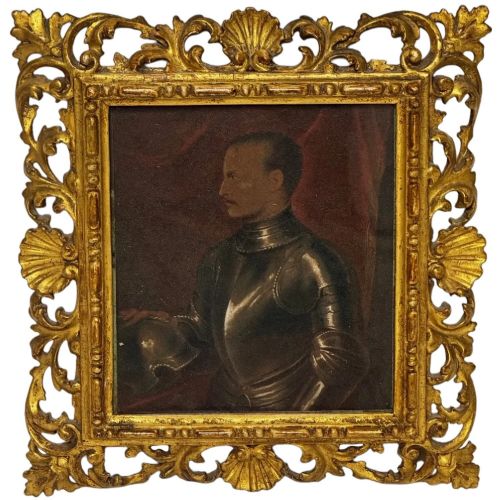
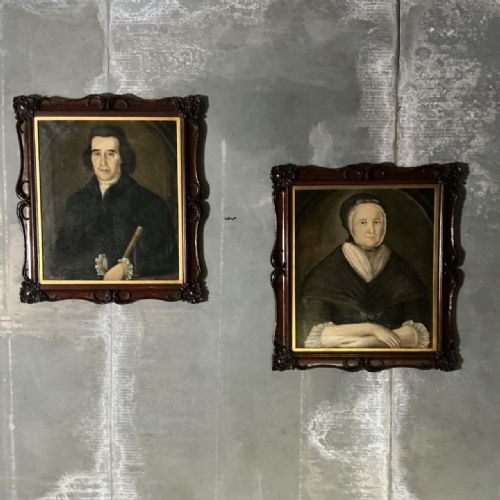
An oil on wood portrait represents a likeness painted directly onto a wooden panel rather than stretched fabric, bringing a distinct rigidity and permanence to the surface. These works capture subjects ranging from nobility and artists to everyday children, rendered across British, Dutch, French, and Italian schools.
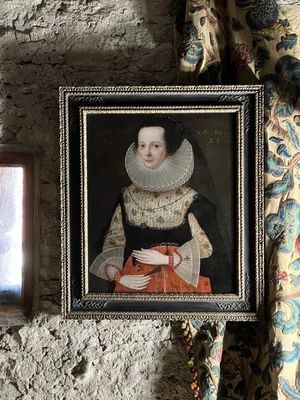
The selections span multiple eras, most notably the seventeenth century with its detailed ruff collars and elaborate costumes, alongside later nineteenth-century interpretations. Buyers frequently encounter panels or boards utilised by continental and British portraitists working within established traditions.
Subjects often include titled figures, historical personages, and anonymous sitters whose identities are preserved through contemporary inscriptions or stylistic attribution. The forms vary from intimate head-and-shoulders studies to large-scale military and noble depictions.
Materials and construction methods
Painters applied oil paint directly to prepared wooden panels, occasionally utilising board for later twentieth-century examples, allowing the smooth rigid ground to receive fine brushwork. Ground layers and priming preparations provided a stable base for the application of rich pigments.
Frames frequently incorporate gold leaf and giltwood, surrounding the wooden support with carved ornamentation appropriate to the period of the artwork. These frames protect the edges of the panel while enhancing the visual depth of the painted surface.
Oil on Wood Portrait Retail Price Guide 2026
Typical asking prices for oil on wood portrait among the pieces listed under this phrase on Sellingantiques today, from the lower quarter to the upper quarter. They describe what is for sale here now, not the wider market.
Listings feature wood supports spanning from the seventeenth century through to the twentieth century, alongside twentieth-century board.
Markers of distinction and execution
Quality rests in the precision of the facial rendering and the psychological depth the artist achieves within the sitter's expression. Superior panels display confident handling of drapery, lace, and hands, whereas lesser works rely on formulaic repetition.
The stability of the wooden support and the preservation of the original paint layer without extensive modern overpainting determine the integrity of the piece. Masterful attribution and documented provenance elevate certain works above anonymous school pieces.
Thomas Murray·Thomas Spinks·Jonny Gaston·Albin Mattenheimer
The Oil on Wood Portrait Glossary
- Panel
- A flat piece of wood used as a structural support for painting instead of canvas. It provides a firm, rigid ground that resists the flexure common in stretched textiles.
- School
- A group of artists working in a particular region, period, or under the direct influence of a master. It denotes stylistic kinship rather than a physical academy.
- Attribution
- An expert assessment suggesting who created a work based on stylistic comparison. It is applied when a signature is missing or unverified.
- Ruff
- A prominent pleated collar worn during the sixteenth and seventeenth centuries. Its intricate folds offer a key dating feature in early portraiture.
- Giltwood
- Wood carved and covered with a thin layer of gold leaf or gold paint. It provides traditional framing that complements the warmth of oil paintings.
Oil on Wood Portrait: Frequently Asked Questions
How do I care for wooden panel paintings?
Keep the panel away from direct sunlight and sudden shifts in temperature or humidity to prevent the wood from warping or splitting.
Display the portrait on a stable interior wall and consult a professional conservator before attempting any cleaning of the surface.
What does attribution to a school mean?
Attribution to a specific school indicates that the anonymous artist painted within the distinct style, region, and tradition of that group.
These works reflect the prevailing techniques and aesthetic values of the named tradition without bearing a verified signature from a master.
How can I tell the age of a portrait?
Examine the costume, hairstyle, and collar details of the sitter, as these elements closely follow the fashion trends of specific decades.
Inspect the reverse of the wooden panel, framing construction, and any historical inscriptions or labels that remain attached to the support.