



Oil on Glass Art
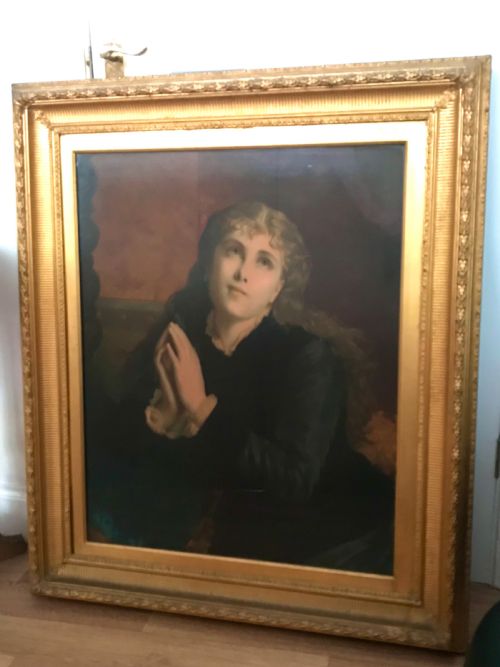
Oil on glass art pieces combine luminous pigment and translucent panels to create striking visual depth, bringing a distinctive historical charm to any interior.
Oil on Glass Art
When you search for oil on glass art, you find works that utilise translucent or reflective surfaces to carry pigment, often spanning periods from the nineteenth century onward.
The selections on this page encompass armorial crest paintings and related decorative objects that employ glass panels or vessels alongside oil paint.
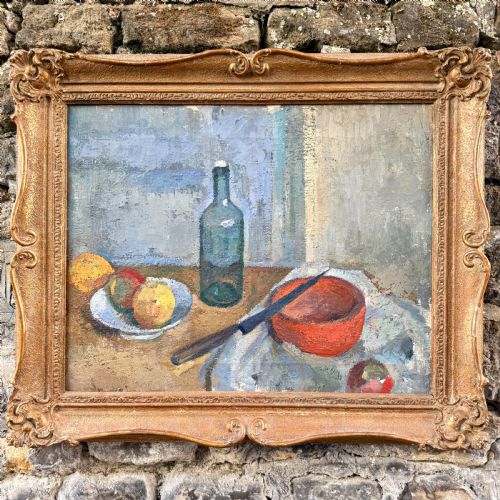
Buyers encounter everything from mid-century still life studies to earlier heraldic designs, reflecting diverse historical applications of paint upon glass.
How they were made
These works rely on the application of oil paint directly onto glass or related translucent panels, sometimes supported by brass, copper, or gilt wood frames.
Makers combined traditional brushwork with specialised glass substrates to achieve unique light-reflecting properties that standard canvas cannot replicate.
Oil on Glass Art Retail Price Guide 2026
Typical asking prices for oil on glass art among the pieces listed under this phrase on Sellingantiques today, from the lower quarter to the upper quarter. They describe what is for sale here now, not the wider market.
Some nineteenth-century artists painted delicate armorial crests on glass to declare family loyalty while testing the limits of slippery pigment.
What varies in quality
The distinction between standard examples and superior pieces rests on the precision of the brushwork and the preservation of the delicate glass substrate.
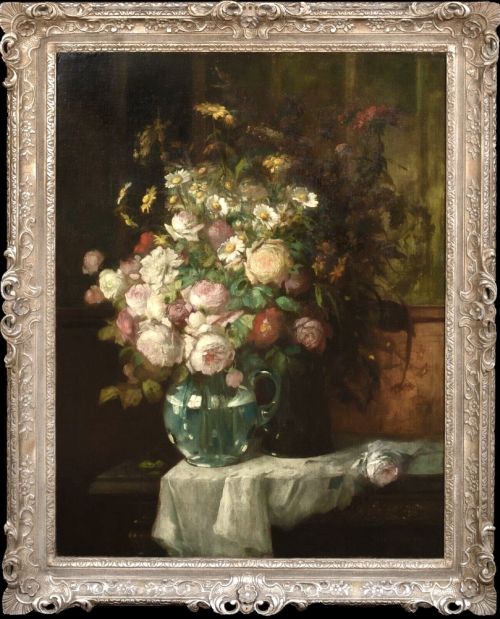
Intricacy of detail in subjects like armorial crests or floral studies separates standard decorative items from masterworks.
Levi & Salaman·Gustave Serrurier Bovy·Konstantin Stoitzner·Gaspar Peeter Verbruggen·Edward Ladell·Stuart Armfield·Owen Bowen·Terence Loudon·Edward Bird·Adrian Bury
The Oil on Glass Art Glossary
- Oil on glass
- A technique where oil paint is applied directly to a glass panel, creating a luminous and reflective surface.
- Armorial crest
- A design depicting heraldic bearings, frequently painted on glass or parchment for display.
- Substrate
- The underlying material, such as glass or canvas, upon which the artist applies oil paint.
- Still life
- An artwork depicting inanimate subject matter, such as flowers, glassware, or fruit.
Oil on Glass Art: Frequently Asked Questions
What is oil on glass art?
Oil on glass art involves applying traditional oil paint directly onto a glass surface rather than canvas or wood panel. This technique creates a distinct luminous quality as light passes through or reflects off the translucent material.
Pieces range from detailed armorial crests to decorative panels, representing various periods of craftsmanship from the nineteenth century onward.
How do I care for these pieces?
Care requires keeping the glass panels away from direct sunlight and extreme temperature fluctuations to protect both the paint layer and the substrate. Gentle dusting with a soft, dry cloth is sufficient for routine maintenance.
Avoid liquid cleaners that might seep behind the glass or damage the painted surface.
How are periods identified?
Dating relies on the style of the painting, the framing materials, and any accompanying armorial or historical markers. Stylistic shifts from Victorian detail to mid-century modern aesthetics help narrow the era.
Examining the reverse of the glass or the mounting hardware often reveals further clues about the age of the piece.