





Oil on Canvas Board
An oil on canvas board brings the textured immediacy of traditional pigment and canvas into a rigid, ready-to-hang format favoured by generations of painters.
Oil on Canvas Board
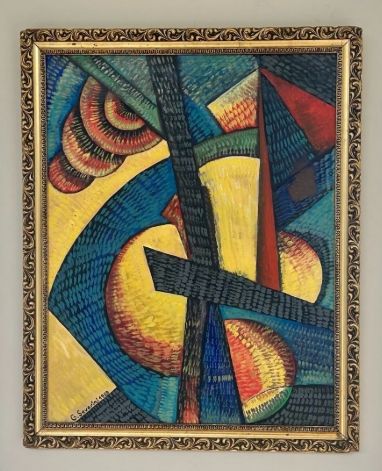
When you search for an oil on canvas board, you are looking at works where artists applied oil paint directly onto a firm foundation rather than a stretched fabric support. This selection spans a broad chronological range, including Victorian and Edwardian works alongside mid-century modern and modernist pieces.
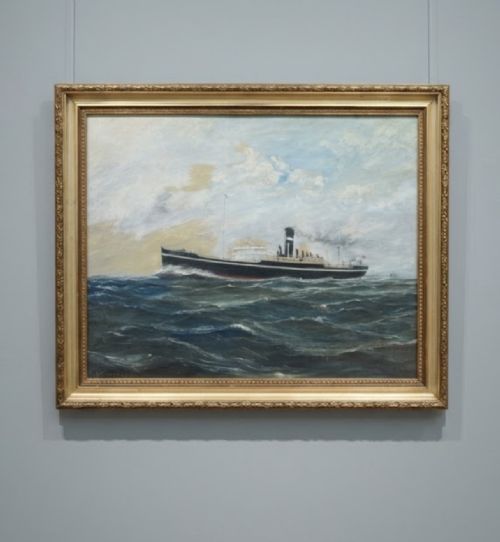
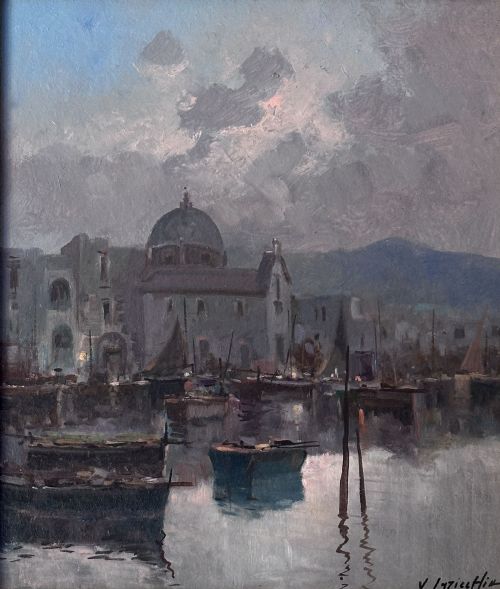
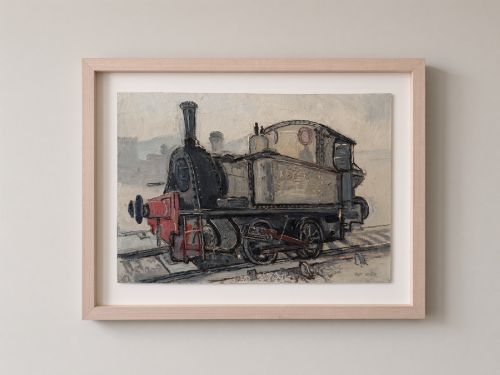
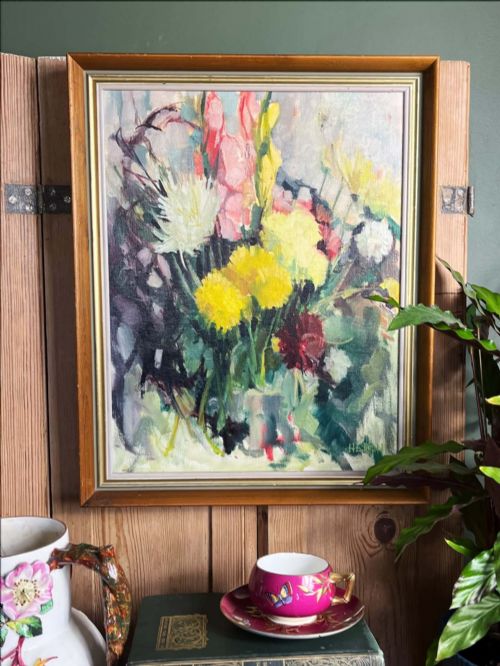
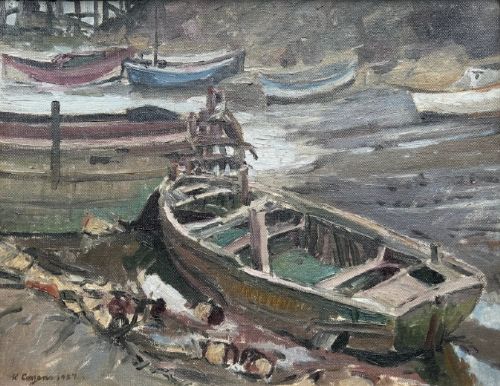
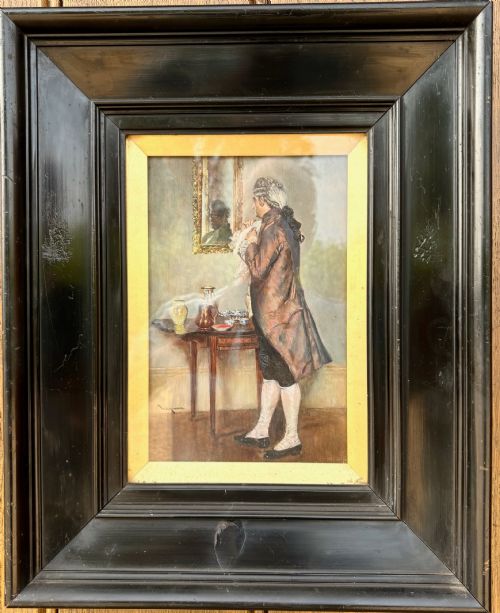
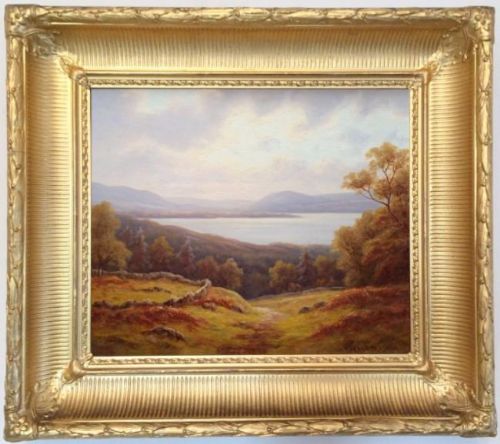
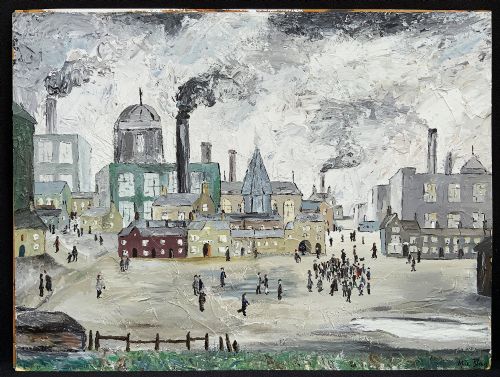
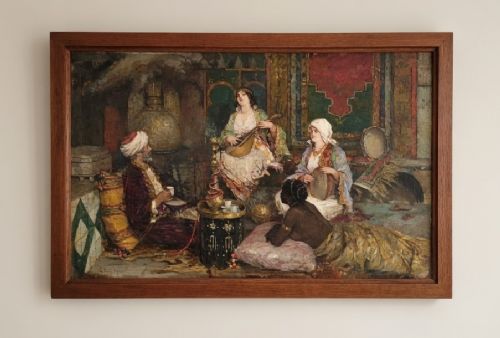
The most common examples encountered on this page date from the nineteenth century through to the middle decades of the twentieth century. These pieces encompass varied subjects such as maritime landscapes, industrial townscapes, portraits, and floral still lifes.
The format itself offered practical advantages to artists working both in the studio and outdoors. The rigidity of the board eliminated the need for bulky wooden stretchers while retaining the familiar tooth of canvas or the smooth surface of prepared wood.
Materials and technique
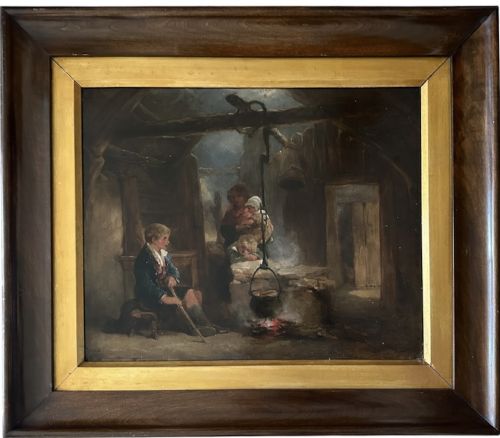
Artists built these works using oil paint applied to a rigid ground, which frequently consisted of canvas laid onto board or traditional wood panels. Some pieces incorporate textured impasto, gold leaf, or gilt framing to enhance the visual depth of the composition.
The preparation of the board determined how the paint sat on the surface, with many creators applying a traditional gesso or priming layer before beginning work. This technical foundation allowed brushstrokes to remain crisp and expressive over decades.
Oil on Canvas Board Retail Price Guide 2026
Typical asking prices for oil on canvas board among the pieces listed under this phrase on Sellingantiques today, from the lower quarter to the upper quarter. They describe what is for sale here now, not the wider market.
Current listings feature pieces spanning the Victorian era through the mid-twentieth century, employing oil paint on wood, canvas, and board.
Assessing quality
Quality in these works rests upon the surety of the brushwork and the clarity of the composition, distinguishing confident studio or plein-air execution from hesitant student efforts. The relationship between the medium and the support matters greatly.
The longevity of the paint layer depends upon the initial preparation of the board and the stability of any applied canvas backing. Superior examples display harmonious colour palettes and strong handling of light that elevate the subject beyond a mere record.
Fred Yates·George Whitton Johnstone·Kenneth Cozens·W D Almond·Francis Plummer·Erich Mercker·Everett Watson Mellor·Gabriel Puig Roda·Septimus Scott·Colin Graeme Roe·Pieter Cornelis Steenhouwer·Raymond Arthur Roadnight·George Smith·Hermoine Hammond·Markey Robinson·William Ernst Burwell·Victor Haddrell
The Oil on Canvas Board Glossary
- Canvas board
- A rigid support made from heavy cardboard or panel covered with primed canvas. It provides a stable surface for oil painting without requiring wooden stretchers.
- Impasto
- Paint applied thickly to a surface, leaving visible brush or palette knife marks. This technique adds physical dimension and texture to the image.
- Ground
- The initial layer of priming material applied to a board or canvas before painting. It seals the support and creates an optimal surface for oil colours.
- Plein air
- The practice of painting outdoors directly from nature. Artists favoured portable canvas boards for this method to capture changing light quickly.
- Oil paint
- A slow-drying paint consisting of pigment particles suspended in a drying oil, typically linseed. It allows for rich blending and deep colour saturation.
Oil on Canvas Board: Frequently Asked Questions
What is an oil on canvas board?
An oil on canvas board is a painting created with oil-based pigments upon a rigid backing rather than a traditional stretched canvas. This format became popular among artists for its durability and convenience during travel.
The technique combines the rich texture of oil paint with the firm support of a panel, making framing straightforward.
How do I care for my painting?
Keep the artwork away from direct sunlight and fluctuating humidity levels to protect the delicate oil pigments and the underlying board. Dust the surface gently with a soft, dry brush when necessary.
Avoid using liquid cleaners or placing the piece near heat sources that might cause the paint or board to warp.
Are these paintings original works?
The listings on this page consist of original hand-painted works rather than mass-produced reproductions. Each piece represents the unique hand and brushwork of its creator.
Signatures, dates, and stylistic markers help establish the authenticity and period of individual pieces.
How can I tell the period of a work?
Dating relies upon stylistic evidence, framing, artist signatures, and the physical characteristics of the board and canvas materials. Mid-century works often show modernist or impressionistic tendencies, whereas Victorian pieces adhere to traditional realism.
Examining the reverse of the board frequently reveals historical framing labels, exhibition stamps, or inscriptions that clarify the date.