
Oil Canvas Country Scene
An oil canvas country scene captures the rural idyll of past centuries through brushstrokes that bring cottages, fields, and livestock onto canvas.
Oil Canvas Country Scene
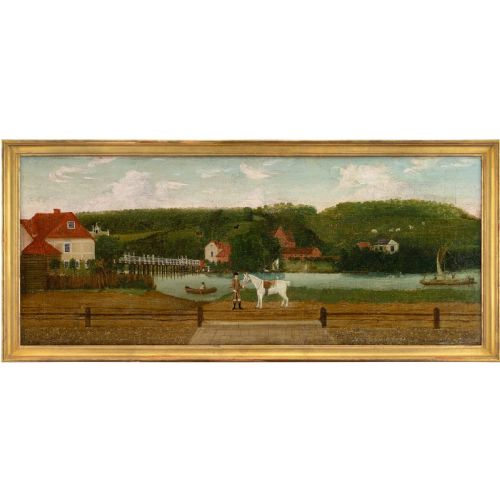
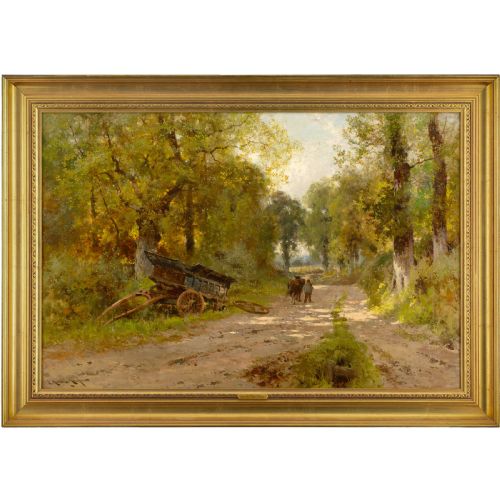
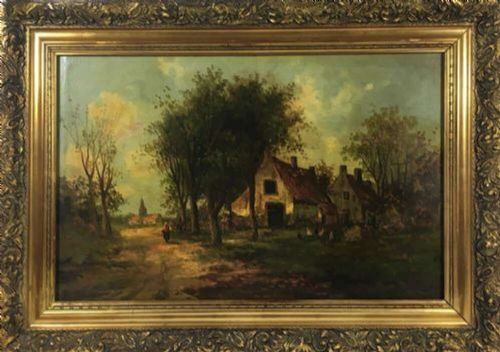
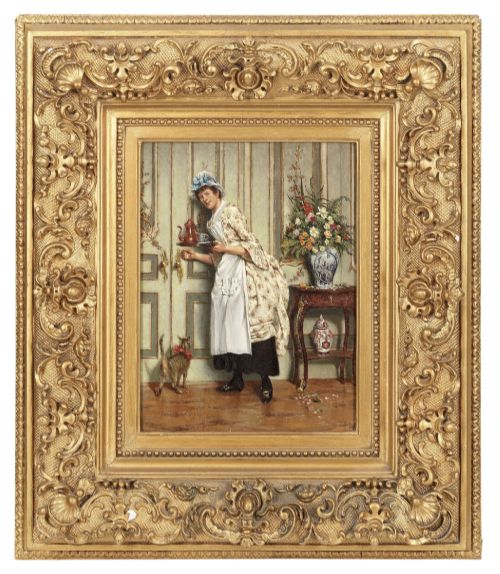
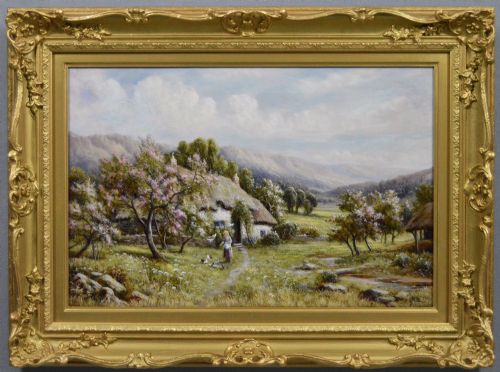
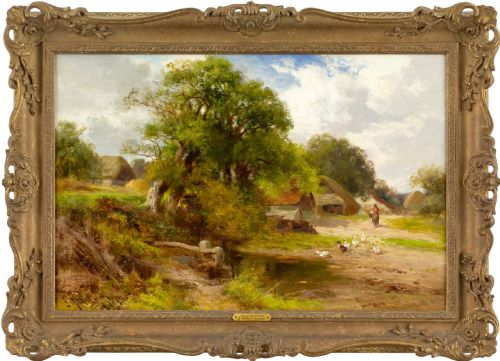
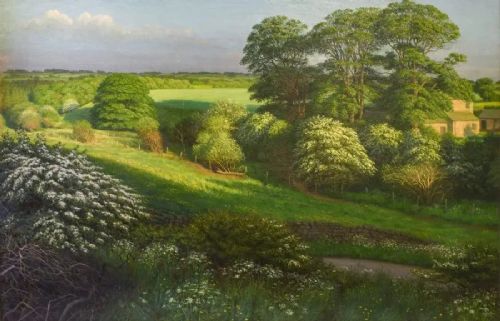
When you search for an oil canvas country scene, you encounter depictions of agricultural life, pastoral landscapes, and rural architecture from the nineteenth and early twentieth centuries. These paintings record farmyards, riverbanks, cottages, and domestic animals rendered by British and continental European artists.
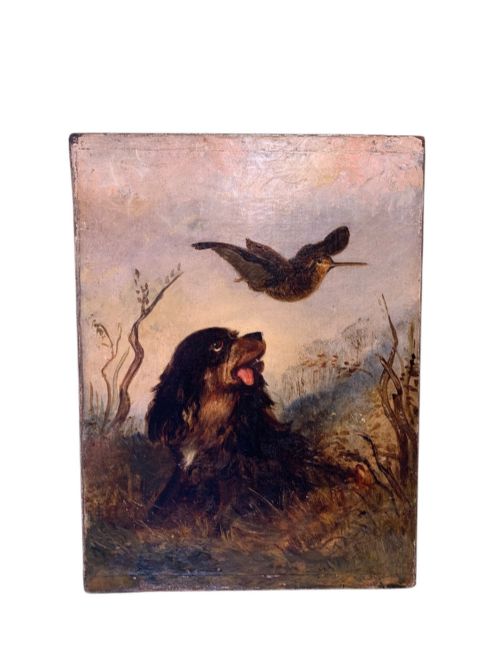
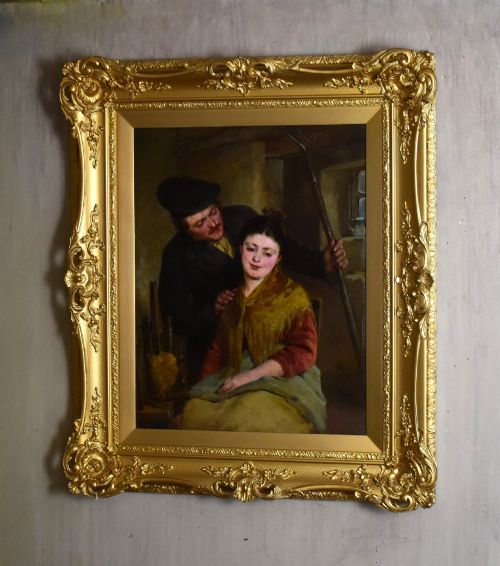
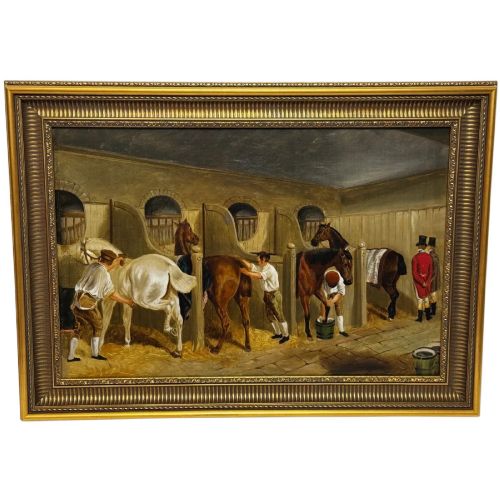
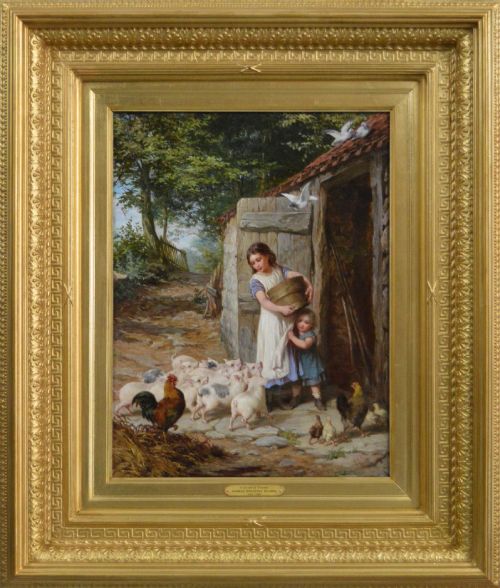
The versions most common on this page date from the Victorian and Edwardian periods, alongside later twentieth-century interpretations. They range from intimate domestic interiors and cottage gardens to expansive pastoral views and sporting art.
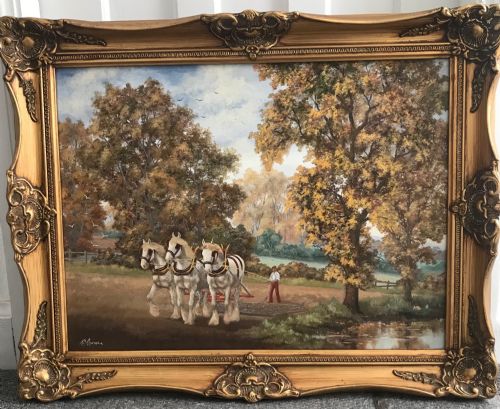
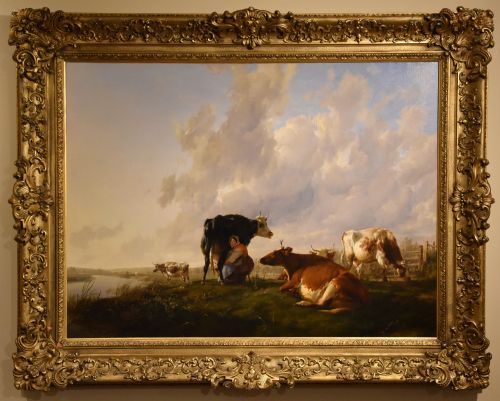
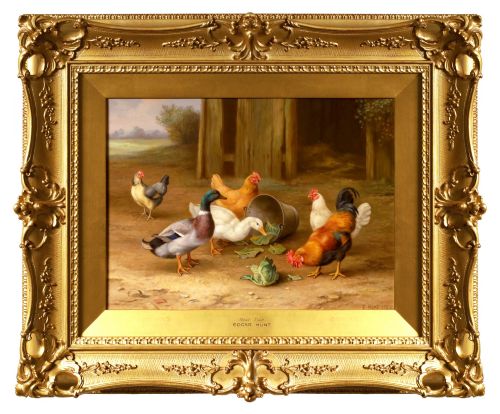
Subjects frequently centre on everyday rural labour and livestock, including sheep flocks, cattle, and working horses alongside figures outside thatched dwellings. Works span naive school pieces to accomplished impressionist and realist compositions.
How they were made
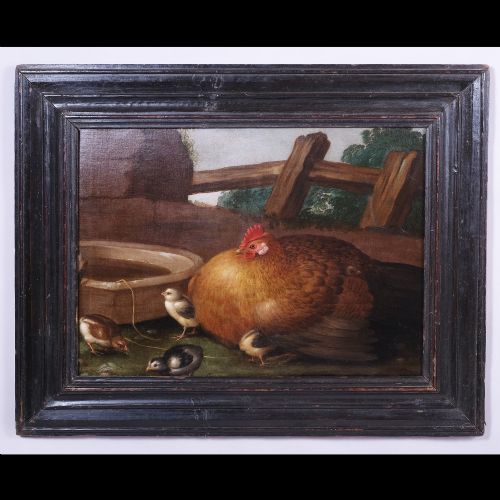
Artists painted primarily with oil paint applied to woven canvas supports, often stretched over wooden frames and housed within giltwood or gesso frames enhanced with gold leaf. The material combination provides a durable surface that retains pigment richness over generations.
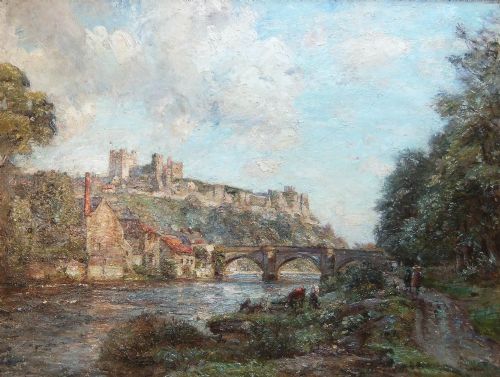
Techniques varied from tight academic realism detailing animal anatomy and architectural textures to looser impressionist brushwork capturing atmospheric light and weather across rivers and moors.
Listings feature works from the eighteenth, nineteenth, and twentieth centuries, executed in oil on canvas with wood and giltwood framing.
What varies in quality
Quality rests in the precision of draughtsmanship, particularly in the rendering of animal anatomy, human figures, and perspective within landscape settings. Superior works demonstrate confident brush control and an understanding of natural light that creates depth and atmosphere.
The framing also influences the character of the piece, with original giltwood and gesso surrounds contributing to the historical integrity of the artwork.
John Horace Hooper·Stephen Samuel Lewin·Thomas Sidney Cooper·Edgar Hunt·Henry H Parker·Johann Friedrich Voltz
The Oil Canvas Country Scene Glossary
- Oil on Canvas
- A painting medium where pigments suspended in drying oils are applied to a stretched fabric support. This combination allows for rich colour blending and textured impasto application.
- Giltwood
- Wood carved and covered with a thin layer of gold leaf or metallic powder. It provides the ornate, reflective framing typical of nineteenth-century presentation.
- Pastoral
- A genre of art depicting the rural life of shepherds, farmers, and country landscapes in an idealized or realistic manner. It forms the core subject matter for rural scene painting.
- Genre Painting
- The pictorial representation of scenes from everyday life, such as domestic interiors, farmyard activities, and figures working. These works capture the social history of their era.
- Impressionism
- A style of painting characterised by relatively small, thin, yet visible brush strokes and an emphasis on accurate depiction of light. British and French practitioners applied this to rural landscapes and river scenes.
Oil Canvas Country Scene: Frequently Asked Questions
What subjects appear in these paintings?
The works depict rural life, including farmyard scenes with livestock, horses, cottages, and figures near streams. Common subjects feature sheep, cattle, and working horses alongside agricultural workers.
Landscapes range from English country lanes and rivers to French chateaux and pastoral valleys.
How should I frame and display them?
Many retain their original giltwood or gesso frames, which complement the tonal qualities of nineteenth-century oil paintings. Display them away from direct sunlight and damp conditions to protect the canvas and paint layers.
Ensure wall fixings securely support the weight of the wooden stretcher and heavy frame combination.
How do I identify the period?
Dating relies on stylistic clues, artist signatures, clothing styles of depicted figures, and framing techniques. Victorian and Edwardian works often feature detailed realism or pastoral sentimentality.
Later twentieth-century examples display looser brushwork and impressionist influences common to mid-century art.
Are these works signed by the artist?
Many pieces carry visible signatures or monograms from the original creator, while others remain attributed to specific schools of painting. Unsigned works are categorized by regional or national schools based on technique and subject matter.
Archival records and stylistic comparison help attribute unsigned nineteenth-century canvases.