





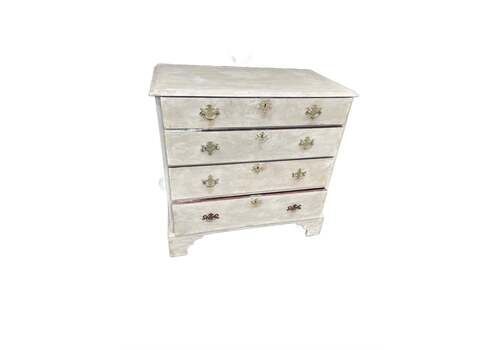


Off White Dresser
An off white dresser brings muted charm and practical storage to a room, drawn mostly from nineteenth century country and provincial traditions.

Off White Dresser
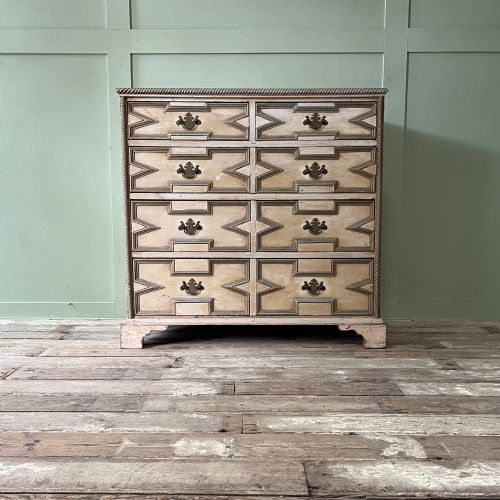
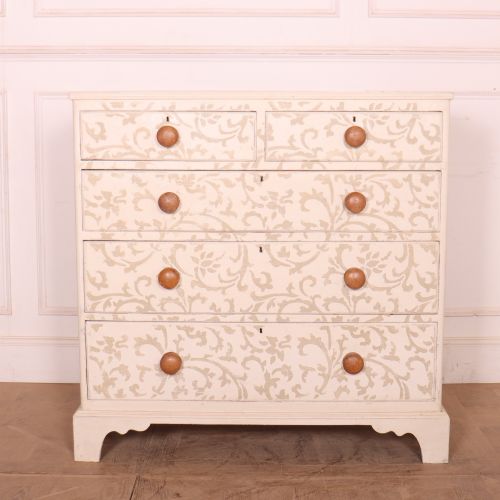
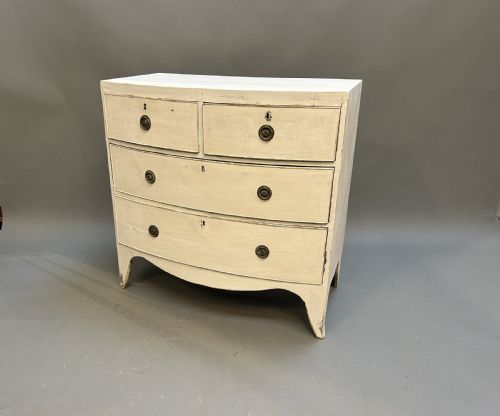
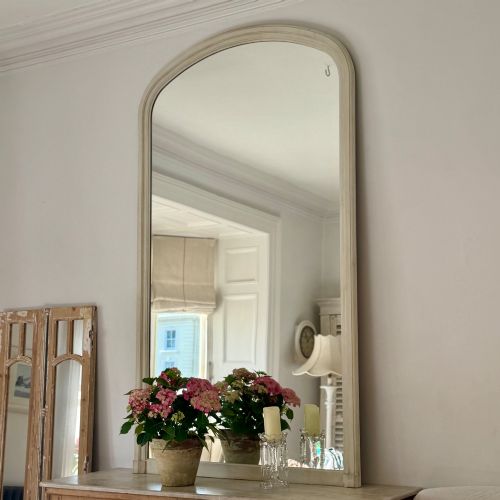
An off white dresser or related storage piece on this page typically takes the form of a chest of drawers, commode, or housekeeping cupboard. These items span the eighteenth and nineteenth centuries, alongside pieces from the early decades of the twentieth century.
The aesthetic leans heavily toward French provincial, English country, and Scandinavian styles, with painted surfaces dominating over bare timber. Buyers will frequently encounter pine and painted wood forms that reflect regional European vernacular workshops.
How they were made
Construction relies on solid timbers such as pine and general painted wood, assembled by hand with traditional joinery suited to domestic storage. Surfaces are treated with layered paint finishes, sometimes complemented by brass hardware and glass elements.
Maker execution varies from regional vernacular carpentry to refined workshop production, incorporating carved details or decorative panels where appropriate.
Off White Dresser Retail Price Guide 2026
Typical asking prices for off white dresser among the pieces listed under this phrase on Sellingantiques today, from the lower quarter to the upper quarter. They describe what is for sale here now, not the wider market.
One cabinet combines utilitarian storage with majolica ceramic panels.
What varies in quality
Quality rests in the integrity of the timber framing, the preservation of the original painted surface, and the subtlety of regional proportion. Pieces showing considered joinery and balanced decorative detailing stand apart from simpler utility items.
The distinction also lies in the pedigree of the workshop behind the construction, where known makers or documented regional origins elevate the piece beyond standard domestic furniture.
Sir Clough Williams-Ellis·Edwards and Roberts
The Off White Dresser Glossary
- Commode
- A low chest of drawers or cabinet, frequently associated with eighteenth and nineteenth century French or continental design.
- Housekeepers Cupboard
- A large storage piece traditionally used in country houses for linens and dry goods, often featuring multiple doors and drawers.
- Vitrine
- A glass-fronted cabinet designed for displaying objects, seen in eighteenth century Dutch examples.
- Serpentine
- A gently curved furniture front that undulates in a convex-concave-convex shape, typical of finer commodes.
Off White Dresser: Frequently Asked Questions
What is an off white dresser?
An off white dresser encompasses painted storage furniture such as chests of drawers, commodes, and cupboards originating from various European traditions.
These pieces rely on historic painted timber finishes to provide both functional storage and a softened decorative presence in an interior.
How do I date an antique painted chest?
Dating involves examining the construction methods, timber types such as pine or hardwood, and the characteristics of the painted surface.
Earlier pieces from the eighteenth century often feature distinct regional joinery, whereas nineteenth and early twentieth century examples show shifts in hardware and decorative motifs.
Where were these painted pieces made?
The pieces originate from across Europe, encompassing English country workshops, French provincial centres, and Scandinavian or Dutch makers.
Each regional style utilises local timber preferences and distinct decorative painting traditions that reflect their geographic origins.
How do I care for painted antique furniture?
Maintenance requires keeping the furniture away from direct sunlight and fluctuating humidity to protect the aged timber and historic paint layers.
Gentle dusting with a dry cloth preserves the surface without introducing harsh cleaning agents that might damage the finish.