
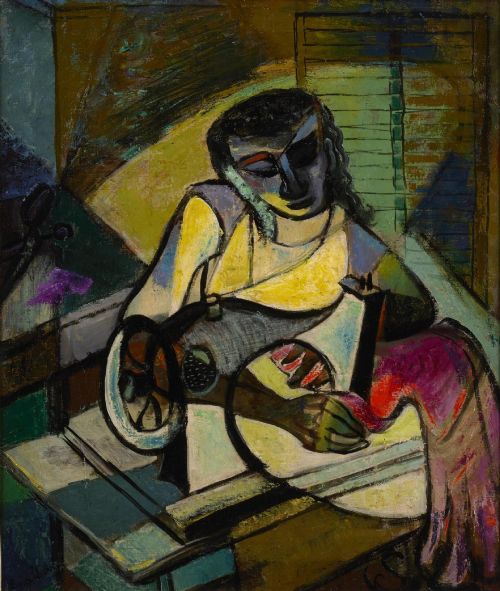
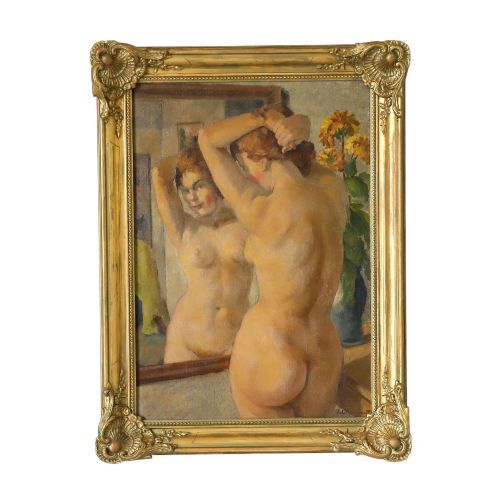


Ochre Portrait Painting
Ochre portrait painting brings earth tones and human likeness together, offering buyers a warm, grounded aesthetic for historic interiors.
Ochre Portrait Painting
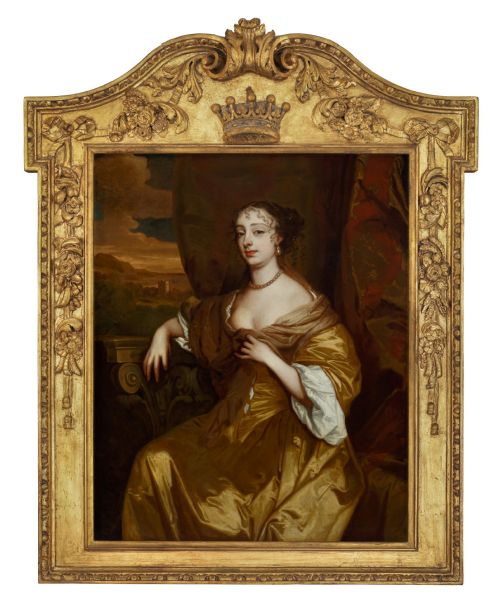
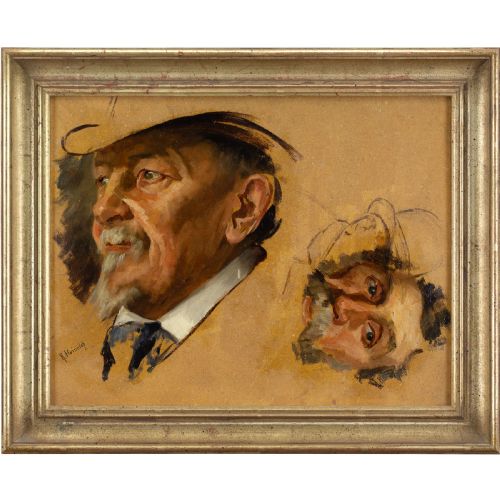
An ochre portrait painting centres on human subjects rendered in natural earth pigments, spanning periods from the eighteenth century through the mid-twentieth century. These works appear in forms such as oil on canvas, oil on panel, and pastel or watercolour on paper.
Buyers encounter academic realism, impressionist styles, and mid-century modernism across these listings. The execution ranges from formal nineteenth-century portraiture to twentieth-century studies on board and canvas.
The selection includes framed works originating from diverse European and international traditions. Each piece reflects the specific portraiture conventions of its respective decade.
How they were made
Artists applied oil paint, watercolour, ink, or pastel onto traditional supports like stretched canvas, wooden panel, card board, and heavy paper. These materials were frequently framed behind glass to protect fragile watercolours and pastels.
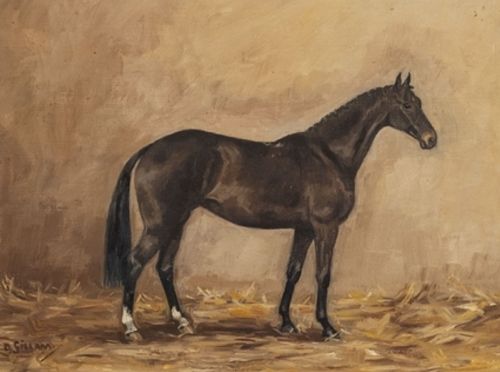
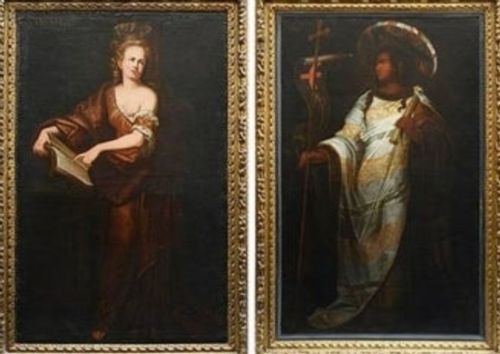
Several portraits quietly observe viewers alongside depictions of lions, circus ballerinas, and sibyls.
What varies in quality
The strength of psychological engagement and anatomical proportion separates accomplished portraiture from routine production. Superior works demonstrate confident handling of light and shadow across the subject's face.
The stability of the primary support and the preservation of the pigment layer influence the enduring merit of each piece. Skilled draughtsmanship and harmonious colour relationships distinguish the finer examples.
Robert Heinrich·Lena Gurr·Philippe de Rougemont·Charles Bellay·Frederick Christian Lund·Hans Temple·William Henry Hunt·Richards Rubin·Otto Rothenburgh
The Ochre Portrait Painting Glossary
- Oil on canvas
- Pigments suspended in a drying oil applied to a woven fabric support. This combination allowed artists to blend tones smoothly and build rich surface textures.
- Watercolour
- Pigments suspended in a water-based, translucent solution applied to paper. It requires precise brushwork because corrections are difficult to conceal.
- Panel painting
- A rigid wooden board used as a support for paint instead of canvas. Panel supports provide a completely flat, stable surface for detailed brushwork.
- Pastel
- A dry drawing medium consisting of pure powdered pigment and a binder. Pastels deliver intense, velvety colour but require protection under glass.
Ochre Portrait Painting: Frequently Asked Questions
How should I hang an ochre portrait painting?
Hang these works away from direct sunlight and damp environments to protect fragile canvas, paper, and wood supports.
Ensure secure wall fixings suited to the weight of the heavy frames typically found on these historic artworks.
How do I identify the period of a portrait?
Examine the materials of the stretcher, frame, and backing board alongside the clothing and hairstyle of the sitter.
Stylistic movements such as impressionism or mid-century modernism also offer clear chronological markers for dating the work.
What is the difference between canvas and panel?
Canvas consists of woven fabric stretched over a wooden frame, offering slight give under the brush. Panels provide a completely solid, rigid wooden foundation.
Artists chose panels for smaller, highly detailed works, while canvas suited larger compositions.