


Occasional Tray Table
When you need an occasional tray table, you find a versatile piece designed to serve drinks, display objects or fold away when not in use.
Occasional Tray Table
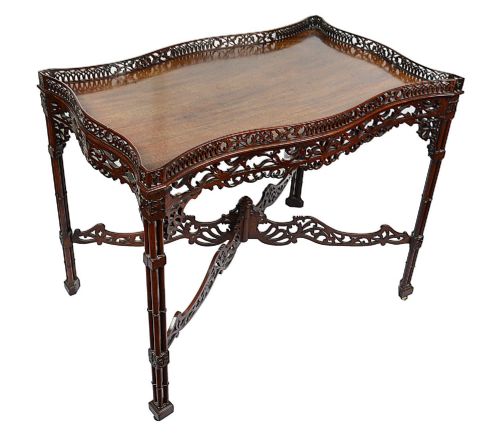
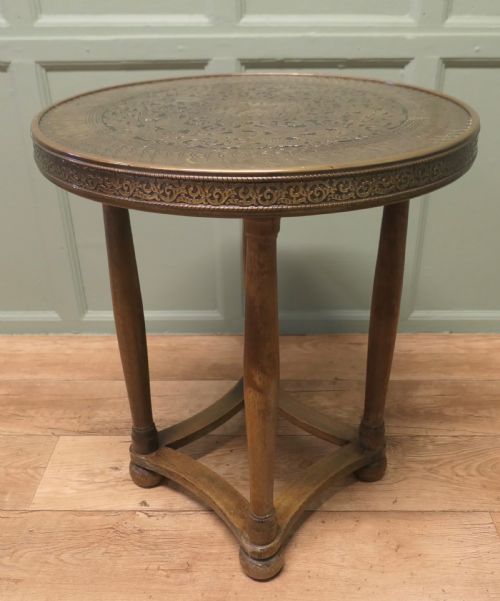
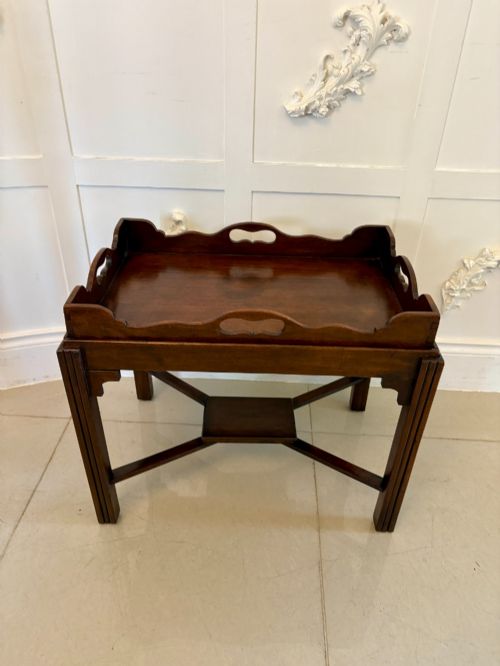
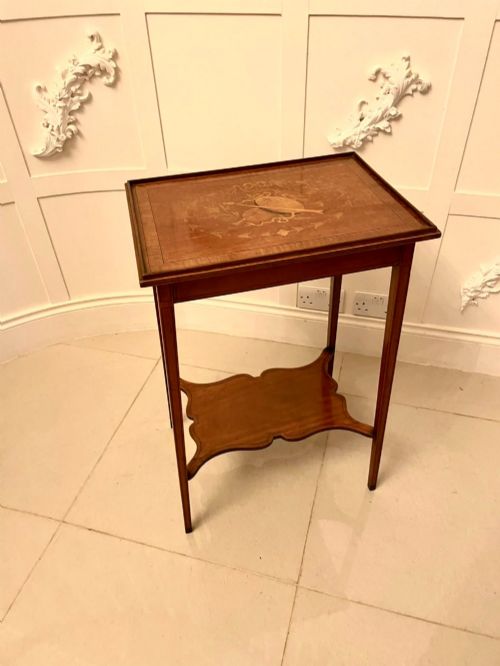
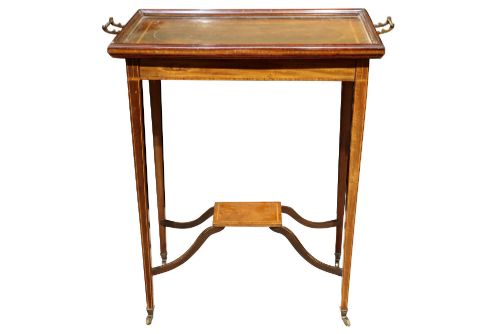
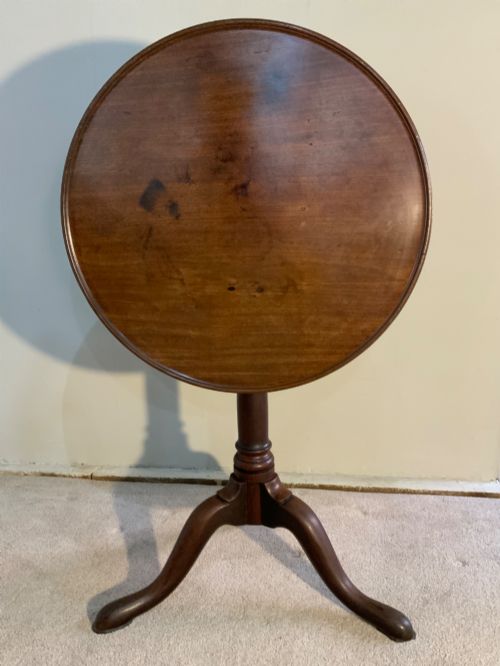
An occasional tray table combines a portable serving surface with a supportive base, spanning periods from the eighteenth century to the early twentieth century. You encounter Georgian mahogany tripod versions alongside Edwardian satinwood inlaid pieces and Victorian folding stands.
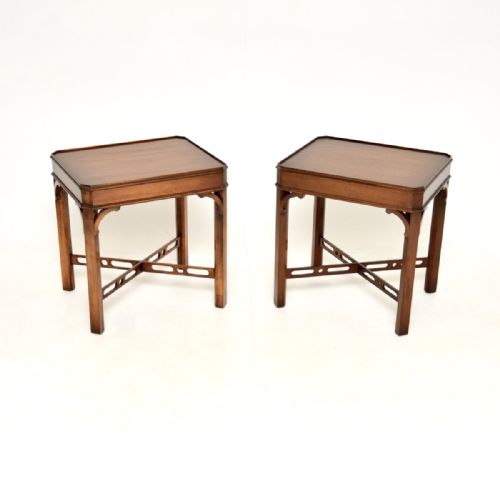
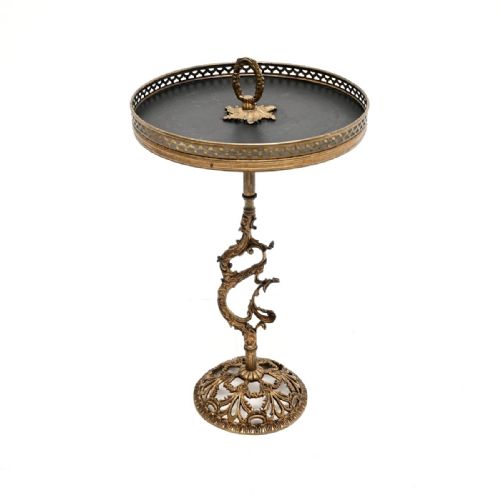
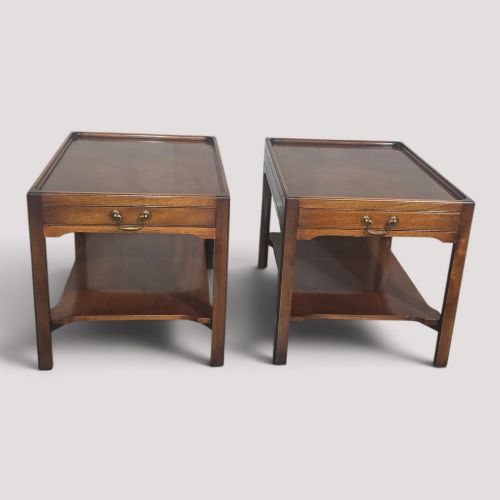
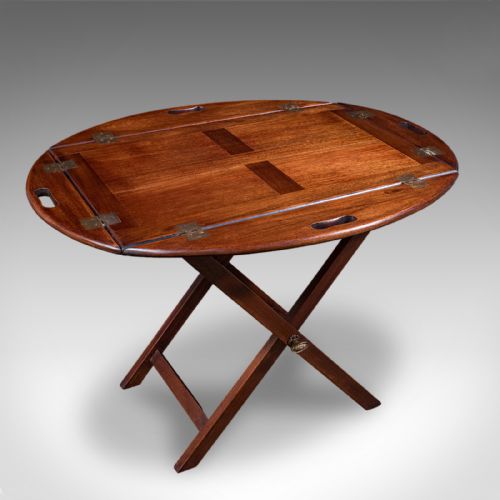
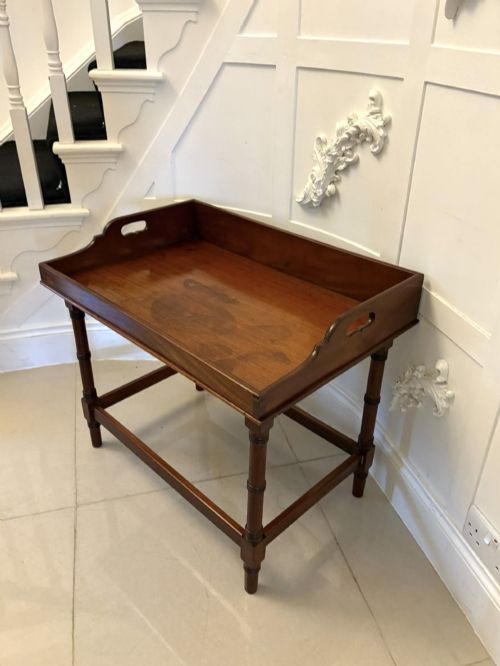
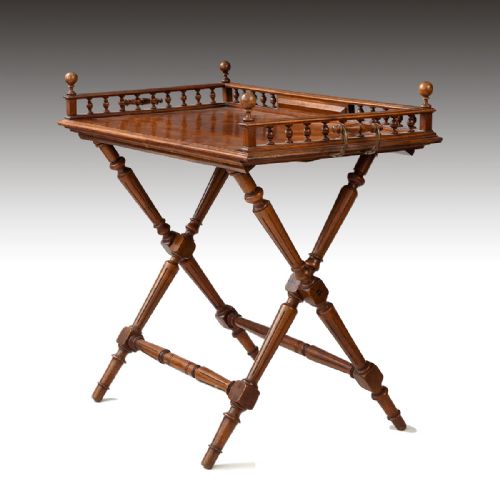
The selection ranges from butler trays with removable tops on folding stands to fixed lamp tables with raised gallery edges. Makers adapted these forms for drawing rooms, bedrooms, and veranda tea service across English, French, and Anglo-Indian traditions.
Materials and construction
Cabinetmakers utilised dense timbers such as mahogany, walnut, satinwood, and oak, frequently employing crossbanding and intricate marquetry for decorative effect. Brass hinges, handles, and bound edges reinforced folding mechanisms and added functional durability.
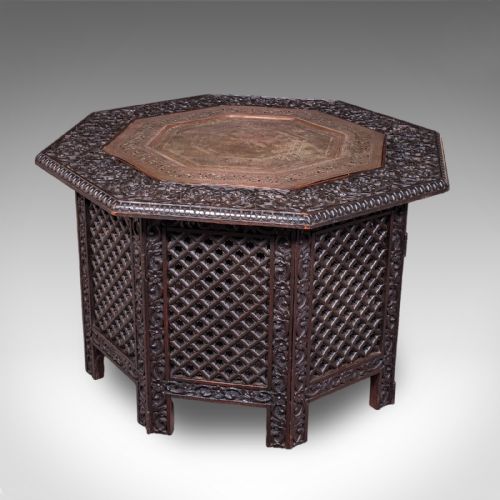
Specialist techniques include hand-carved accents, copper and brass inlays from Benares, and papier-mâché finishes on regency style frames. Stands were constructed to fold flat for campaign use or to provide sturdy cabriole legs for silver service.
Occasional Tray Table Retail Price Guide 2026
Typical asking prices for occasional tray table among the pieces listed under this phrase on Sellingantiques today, from the lower quarter to the upper quarter. They describe what is for sale here now, not the wider market.
Peacocks strut in brass across Arts and Crafts tabletops, reminding us that Victorian tea time occasionally demanded a fine bird.
Gradations of craftsmanship
Quality rests in the crispness of the timber grain, the tightness of the joinery on folding stands, and the subtlety of satinwood inlay. Superior examples retain their original matching stands rather than being later marriages of unrelated trays and bases.
Finer pieces display thoughtful proportions, such as well-turned gallery edges and hand-cut dovetails on tray corners, which separate standard utility items from refined reception room furniture.
Gillows
The Occasional Tray Table Glossary
- Tray top
- A tabletop finished with a raised rim or gallery designed to prevent items from sliding off during service. This feature appears on lamp tables, silver tables, and butler trays.
- Butler tray
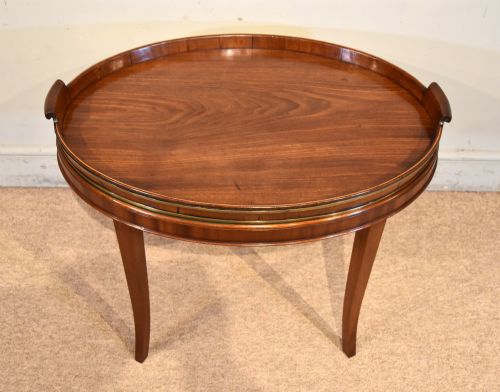
- A detachable rectangular wooden tray with hinged or cutout sides, originally used for carrying china and glassware. It rests upon a folding X-frame stand when in use.
- Campaign style
- Portable furniture engineered to fold or dismantle for travel and military use. These pieces utilise brass corners and flush handles to withstand transit.
- Étagère
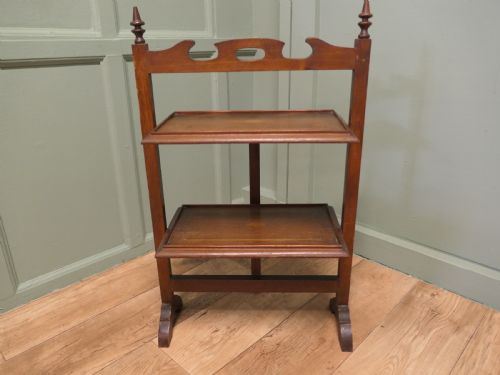
- A piece of furniture consisting of a set of open shelves for displaying small objects or serving afternoon tea. Examples often feature multiple tiers in mahogany, kingwood, or satinwood.
- Tripod table
- A small occasional table supported by a central pillar resting on three curving legs. They frequently incorporate tilt-top or tray top mechanisms.
Occasional Tray Table: Frequently Asked Questions
What is an occasional tray table used for?
These pieces function primarily as movable surfaces for serving afternoon tea, holding bedside lighting, or displaying decorative objects in reception rooms.
Their lightweight construction and removable trays allow them to adapt easily to different spaces within a home.
How do I distinguish a Georgian tray table from a later copy?
Early examples from the eighteenth century display dense Cuban mahogany, hand-cut joinery, and patination achieved through decades of use. Later reproductions often lack the subtle hand-tooling and structural wear found on period pieces.
Examining the underside of the tray and the construction of the stand reveals the methods typical of Georgian cabinetmaking.
Are folding tray tables sturdy enough for daily use?
Period folding stands utilise tight cross-braced hinges and robust timber frames designed to support heavy silver or ceramic service. When properly maintained, these mechanisms remain stable and secure.
Care should be taken when opening and closing campaign-style frames to protect the original brass fittings and hinges.