

Occasional Seat
An occasional seat offers a flexible perch for a corner or hallway, bringing period timber and textile into a room.
Occasional Seat
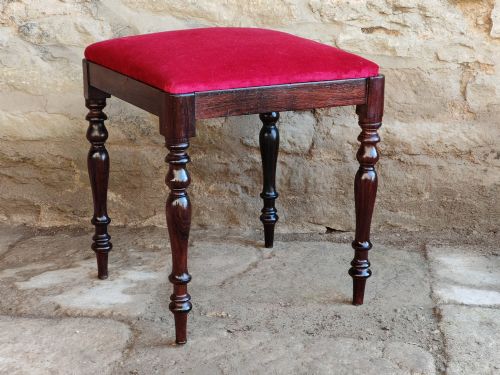
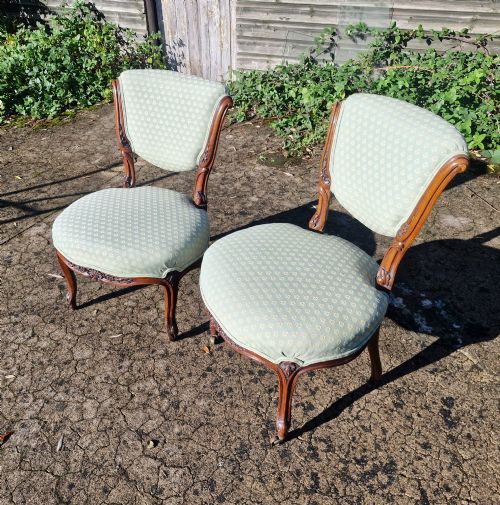
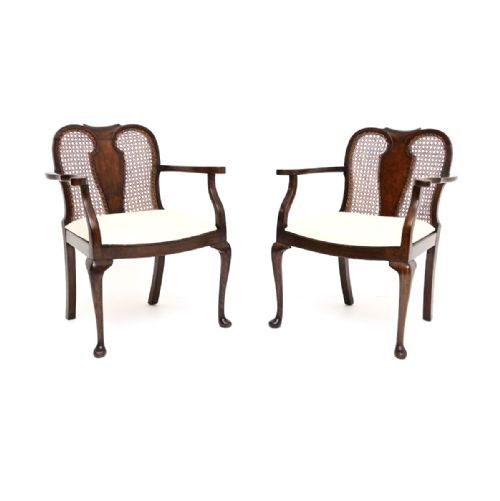
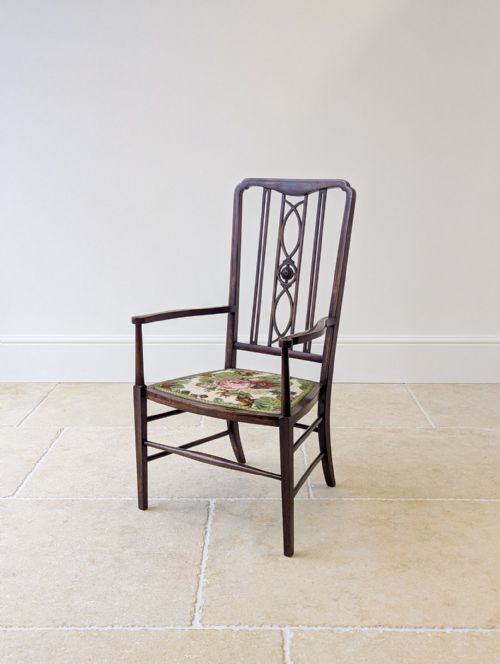
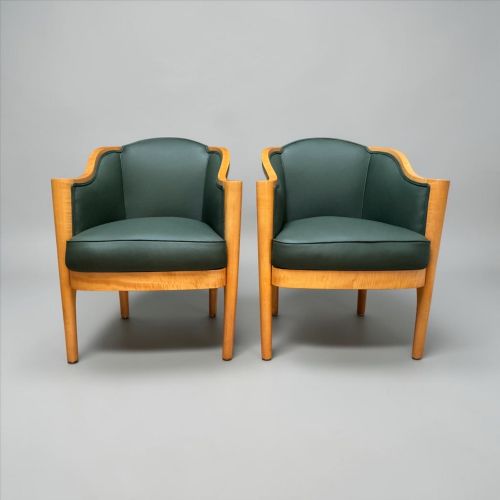
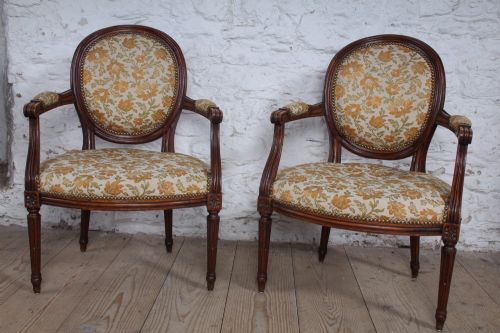
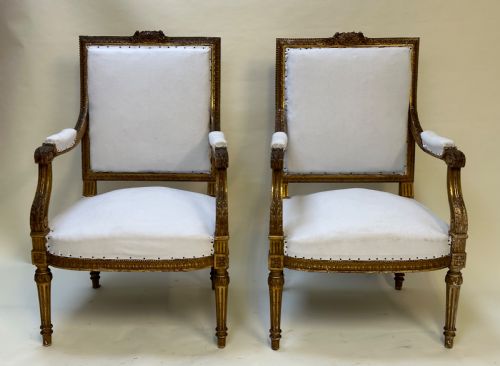
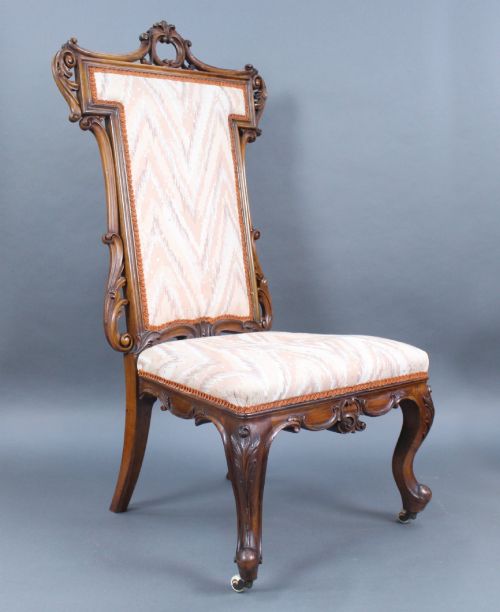
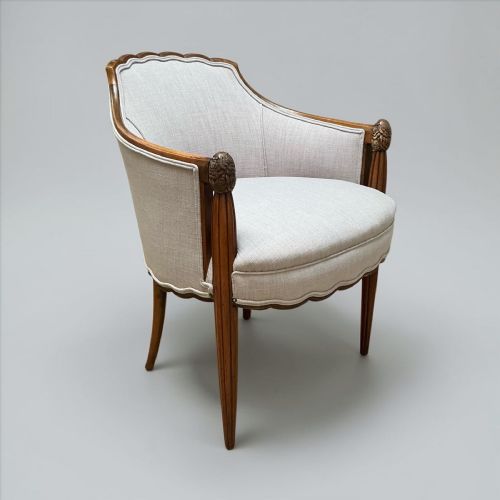
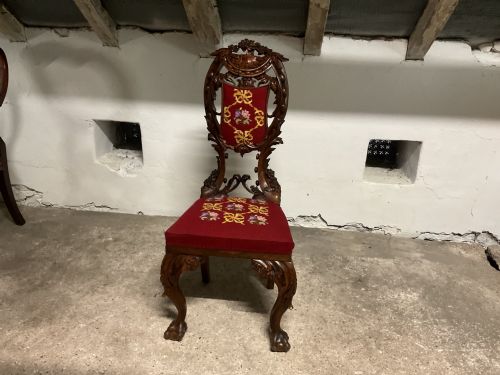
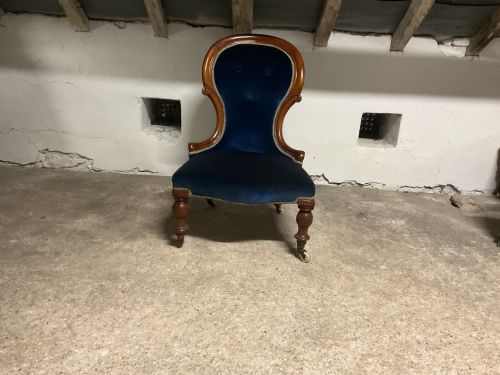
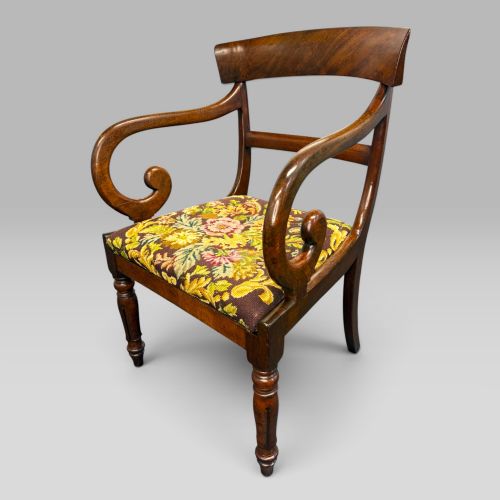
An occasional seat encompasses a diverse range of forms, from compact nursing chairs and salon chairs to robust hall chairs and library armchairs designed to be moved around a home as needed. These pieces emerge across the nineteenth and twentieth centuries, spanning the Regency, Victorian, and Edwardian eras alongside later Art Deco designs.
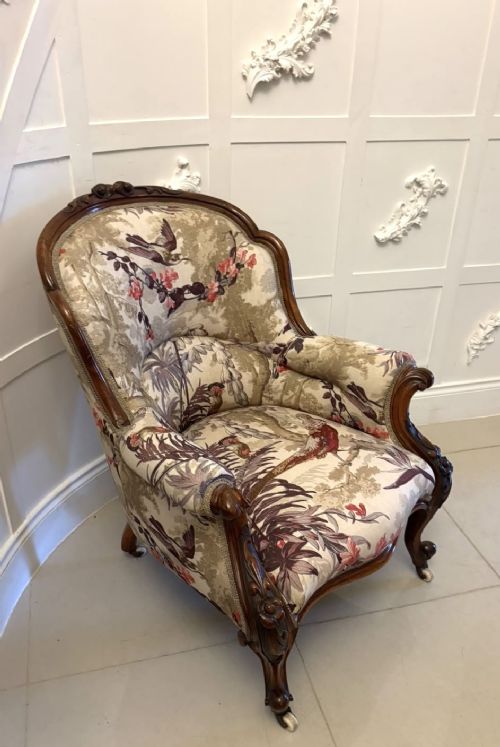
The most common examples on this page are Victorian and Edwardian side chairs and occasional chairs, often shaped from walnut or mahogany with carved details or inlaid decoration. Alongside these timber frames appear specialised seating such as low bedroom chairs, spinning chairs, and joint stools.
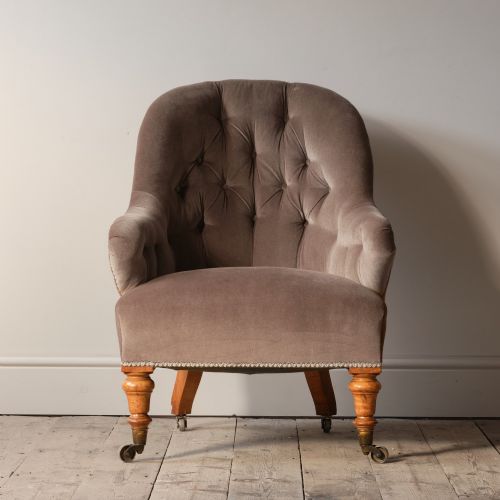
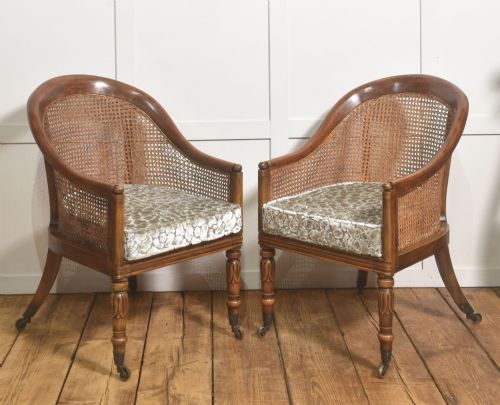
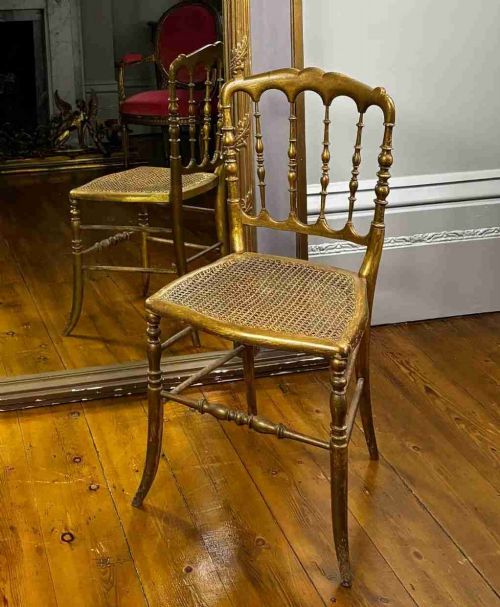
Origins vary from English country houses and Scottish halls to French gilded salons, reflecting the shifting domestic fashions of each decade. Buyers encounter everything from button-backed velvet reception seats to cane-seated tub chairs and painted Regency frames.
Materials and construction
Timbers dominate the construction of these frames, with mahogany, walnut, and oak chosen for their strength and grain, while beech and giltwood appear in specific regional or formal pieces. Joinery relies on traditional methods to secure legs, rails, and backs, occasionally supplemented by turned bobbin work or carved relief.
Upholstery techniques define the seating surface, utilising fabric, leather, velvet, or woven cane panels stretched or buttoned across sprung and padded interiors. Brass elements and painted or decorated finishes provide decorative accents on specific salon and reception chairs.
Occasional Seat Retail Price Guide 2026
Typical asking prices for occasional seat among the pieces listed under this phrase on Sellingantiques today, from the lower quarter to the upper quarter. They describe what is for sale here now, not the wider market.
Spinning chairs feature remarkably low seats designed centuries ago to keep textile workers close to the hearth.
Craftsmanship and distinction
The distinction between standard domestic seating and superior examples lies in the depth of hand-carved detail on the wooden frames and the refinement of the timber grain. Finer pieces display deliberate proportion, balanced inlay, and original painted or gilded surfaces rather than simple utilitarian construction.
Upholstery presentation also separates the tiers, where traditional stuffing, buttoning, and high-grade textiles like velvet elevate an armchair or salon chair above basic workshop output.
Maurice Adams·Hille·Harry and Lou Epstein·Liberty and Co
The Occasional Seat Glossary
- Caning
- Woven plant material used to form light, breathable seats and back panels on chairs. This technique appears frequently on Edwardian and Regency examples.
- Elbow chair
- A term for an armchair with low armrests designed for a parlor or reception room. These seats provide compact comfort compared to heavy library armchairs.
- Inlay
- Decorative pieces of contrasting wood or shell fitted into the primary timber surface to form patterns. Edwardian mahogany frames often utilise this technique.
- Nursing chair
- A low-seated armchair historically designed for comfort during child care or dressing. They frequently feature upholstered button backs and turned wooden legs.
Occasional Seat: Frequently Asked Questions
Where should I place an occasional seat?
These compact seats suit spare corners, bedrooms, or hallways where a full armchair would crowd the floor space. They function well as movable accents that can join a main seating group when guests arrive.
Because they originate in various historical periods, matching the timber tone to existing furniture helps the piece anchor naturally within a room.
How do I identify a Victorian occasional seat?
Victorian examples often feature dark woods like walnut or mahogany, frequently paired with button-backed velvet or carved cabriole legs. Look for robust frames designed for reception rooms and parlors.
Later Victorian pieces from the late nineteenth century may also incorporate turned bobbin framing or simpler bedroom chair forms.
What is the difference between a side chair and an armchair?
Side chairs are built without arms, making them narrow enough to tuck against a wall or slip around a dining table when not in use. Armchairs include structural elbow supports for greater comfort during extended sitting.
Both forms served administrative, decorative, or resting purposes across the nineteenth and twentieth centuries.
Are these seats suitable for daily use?
Most antique occasional seats were built for domestic life and handle regular daily sitting if the underlying frame remains solid. Cane panels and upholstered pads may require periodic tightening or reupholstering depending on their age.
Choosing a sturdy hardwood frame like oak or mahogany ensures the structure supports everyday modern routines.