


Oak Wooden Armchair
An oak wooden armchair offers solid domestic seating rooted in centuries of vernacular and formal woodworking traditions.
Oak Wooden Armchair
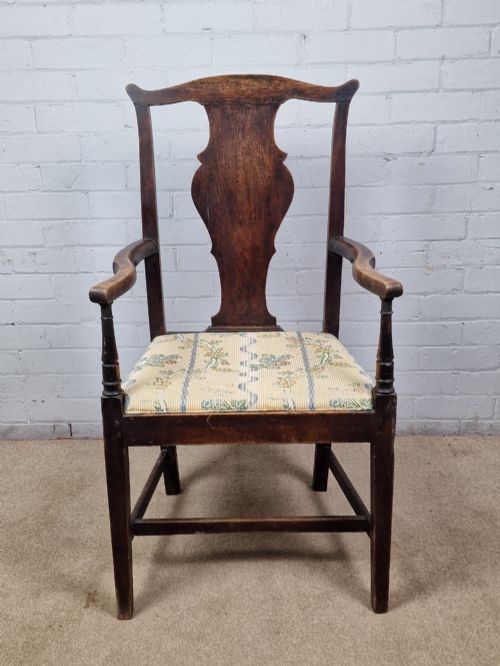
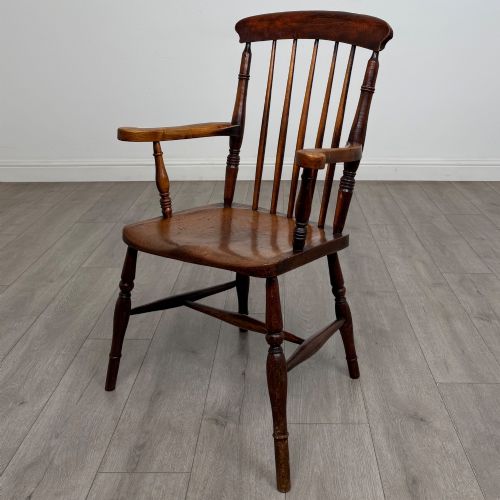
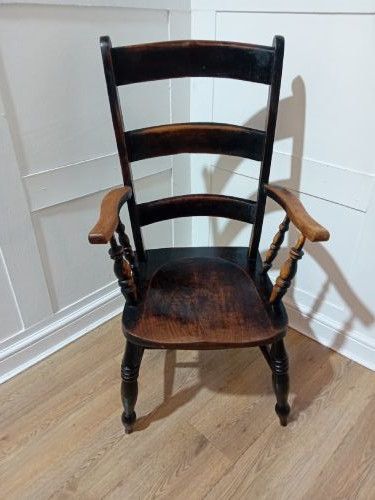
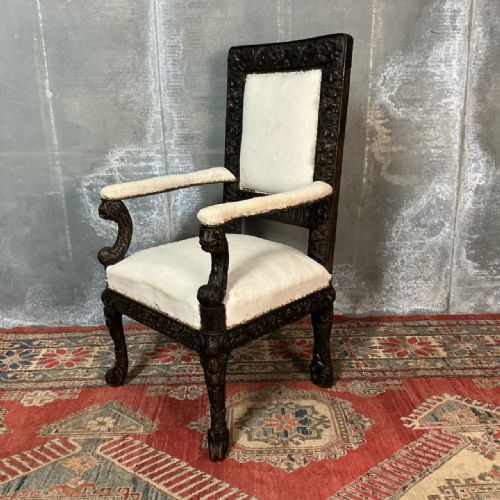
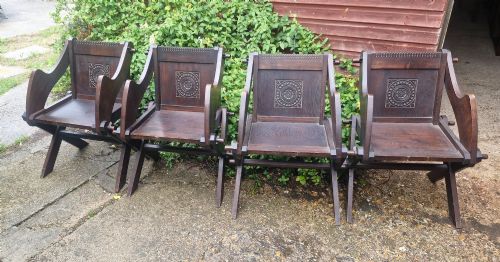
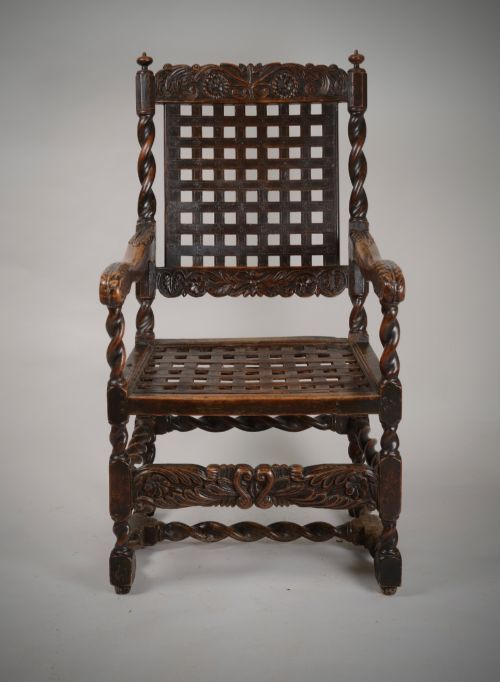
An oak wooden armchair encompasses forms ranging from heavy panelled wainscot seats of the seventeenth century to regional Windsor chairs and later Arts and Crafts interpretations. These pieces function primarily as functional room seating, desk chairs, and low parlour seats shaped by domestic needs over successive centuries.
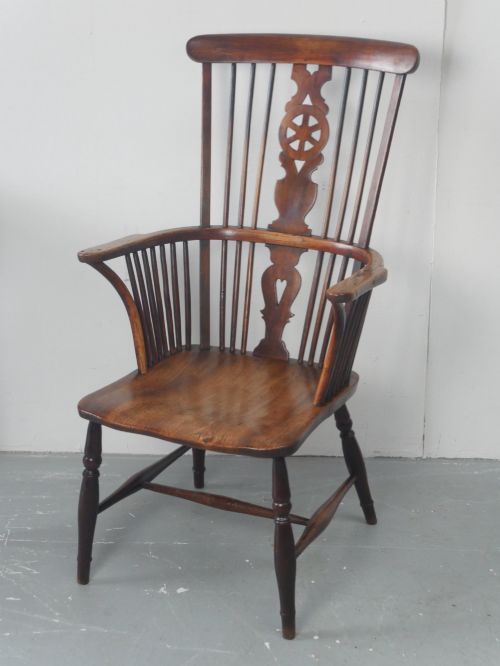
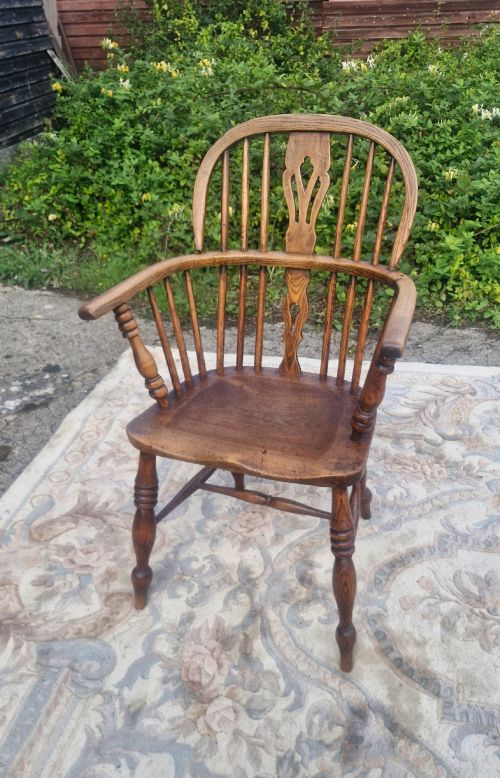
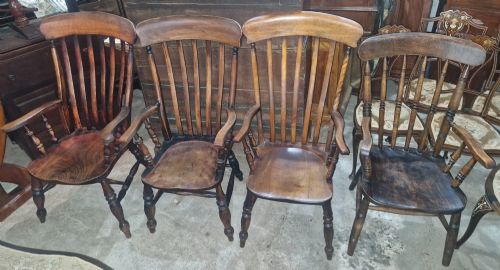
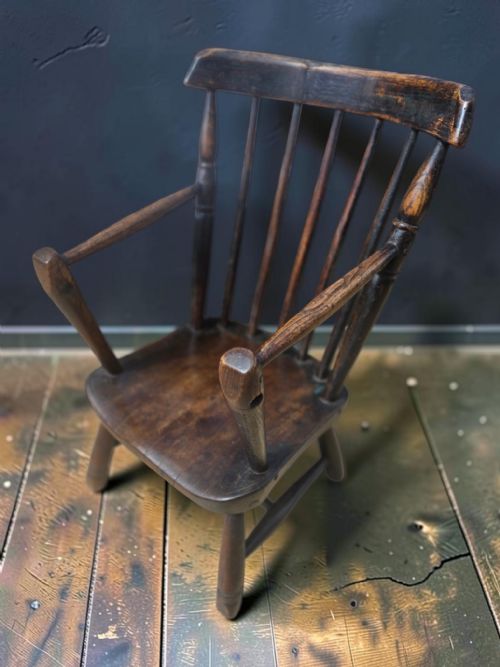
The version most frequently met on this page is the nineteenth-century farmhouse Windsor chair, alongside regional stick back, comb back, and low back variants. These rural forms sit alongside formal seventeenth-century wainscot armchairs and decorative Gothic Revival or Arts and Crafts pieces.
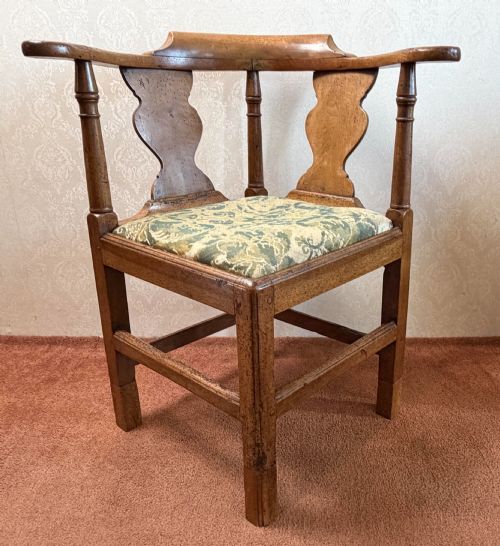
Origins stretch across English country workshops, Scottish makers, and West Country regions, spanning periods from the sixteenth-century Elizabethan era through the Georgian, Victorian, and Edwardian epochs. Buyers encounter everything from child-sized chairs and rocking seats to corner chairs and heavy settle forms.
Materials and Construction
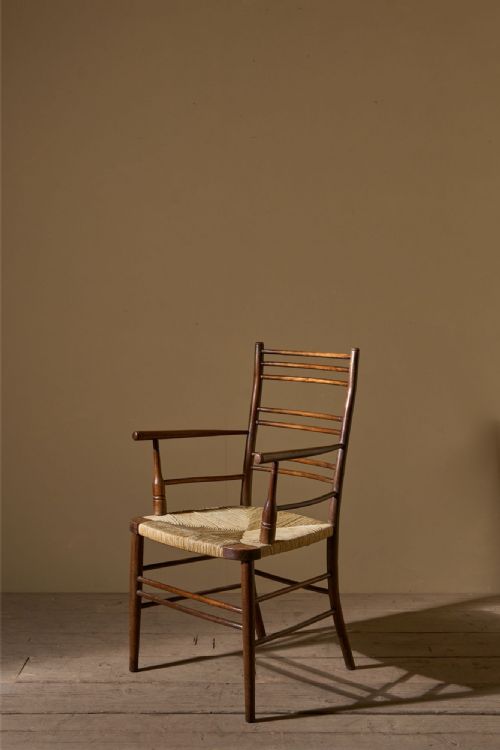
The primary material is solid oak, frequently combined with elm, ash, beech, and fruitwood for specific structural components such as bent hoops, turned legs, and carved panels. Secondary materials include rush for woven seats and occasional fabric upholstery, supported by walnut and brass details on specific revival and formal pieces.
Joinery relies on traditional methods including pegged mortise and tenon joints for heavy panelled frames, and steam bending for the curved backs of Windsor and smoker's bow chairs. Turned spindles, bobbin frames, and carved ornamentation demonstrate the specific hand tool techniques of regional carpenters and city cabinet makers alike.
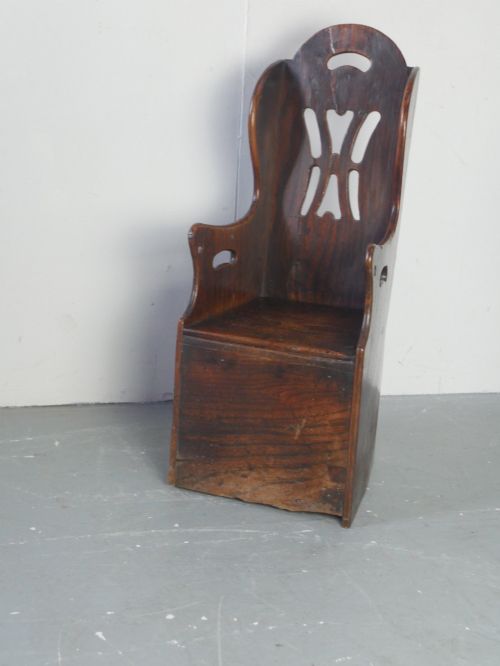
Several small child-sized armchairs and lambing chairs survive here, offering miniature domestic comfort for historic households.
Assessing the Standard
Quality rests in the integrity of the original construction, the clarity of hand-carved or turned details, and the survival of an authentic surface finish. Examples retaining untouched patination and original rush work or timber components stand apart from pieces burdened by heavy modern intervention.
Proportion and regional character dictate distinction, where balanced spindles, well-chosen timber grain, and crisp joinery elevate a simple country chair or formal wainscot seat. The degree of wear must align naturally with the age of the piece without compromising its structural utility.
Morris & Co·Edward Barnsley
The Oak Wooden Armchair Glossary
- Windsor chair
- A seat featuring a solid wooden saddle-shaped seat into which the legs and back spindles are directly fitted, often incorporating a steam-bent back bow.
- Rush seat
- A seating surface woven from dried marsh rushes, frequently found on country and Arts and Crafts chairs.
- Smoker's bow
- A low-backed Windsor armchair with a continuous curved arm rail supported by turned spindles, widely used in domestic and commercial spaces during the nineteenth century.
Oak Wooden Armchair: Frequently Asked Questions
How do I identify an 18th-century Windsor chair?
Eighteenth-century Windsor chairs typically feature deep saddle seats, thick ash or elm spindles, and pegged joints that show hand-carving marks rather than mechanical uniformity. Their proportions often reflect specific regional traditions, such as comb backs or low hoops.
Closer inspection reveals the timber patination, tool scoring from adzes, and subtle wear patterns accumulated through generations of domestic use.
What is a wainscot armchair?
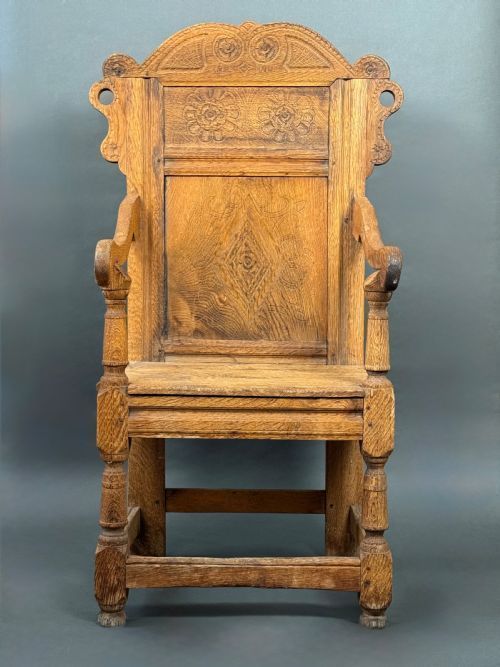
A wainscot armchair is an early form of seating made almost entirely of oak, featuring a solid panelled back and heavy arm supports. These pieces date predominantly to the sixteenth and seventeenth centuries.
They were built with pegged mortise and tenon joinery and served as important status seats in early domestic interiors before lighter framed chairs became common.
Are rush seats durable for daily use?
Rush seats woven from natural marsh plants offer surprising strength and flexibility when maintained in stable indoor environments. They handle regular seating well provided they are kept dry.
Over decades, natural rush develops a polished golden hue, though drying out in overly heated rooms can cause the fibres to become brittle.
How do I care for an antique oak chair?
Antique oak chairs require minimal intervention, benefiting mostly from occasional dusting with a dry cloth and stable room humidity. Avoid placing them near direct heat sources or damp areas.
Applying occasional specialist wax helps nourish the timber surface and preserve the historic patination built up over centuries.