

Oak Tracery Carving
Oak tracery carving brings medieval architectural majesty into domestic spaces through panels, furniture, and ecclesiastical salvage.
Oak Tracery Carving
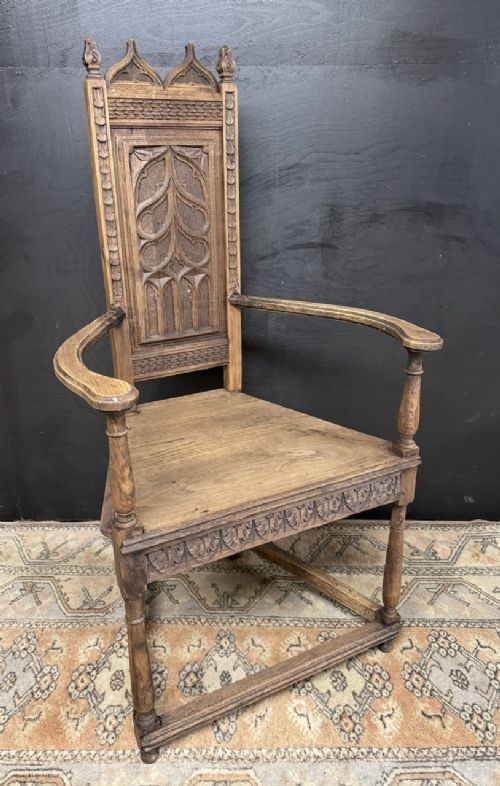
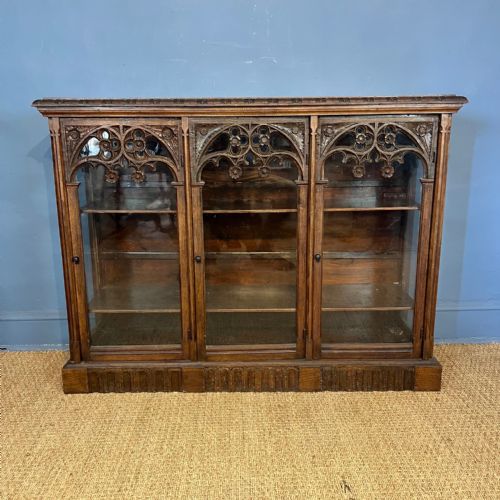
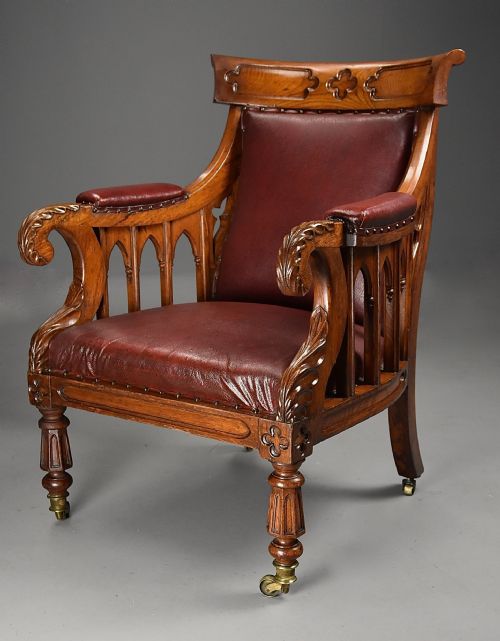
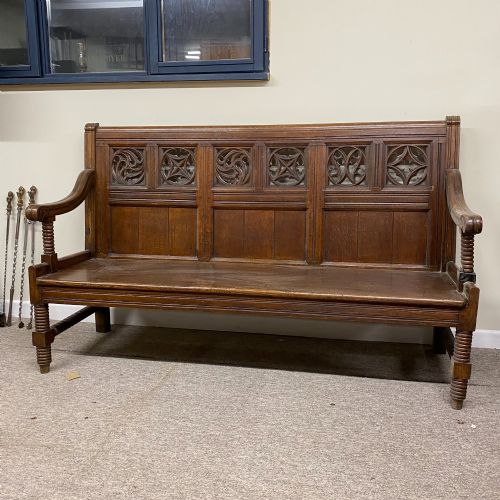
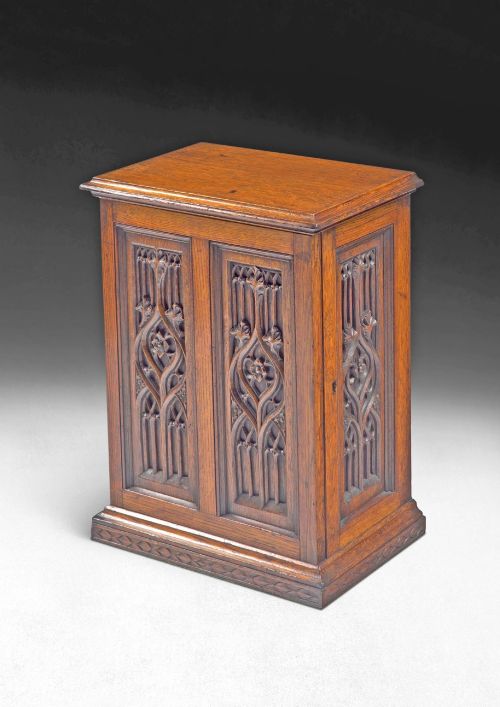
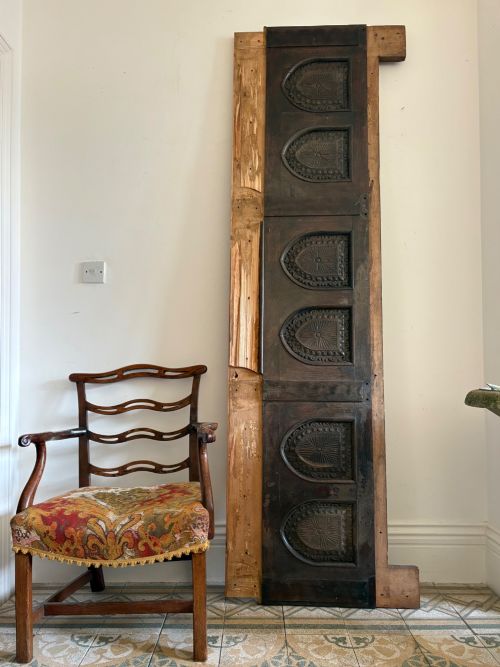
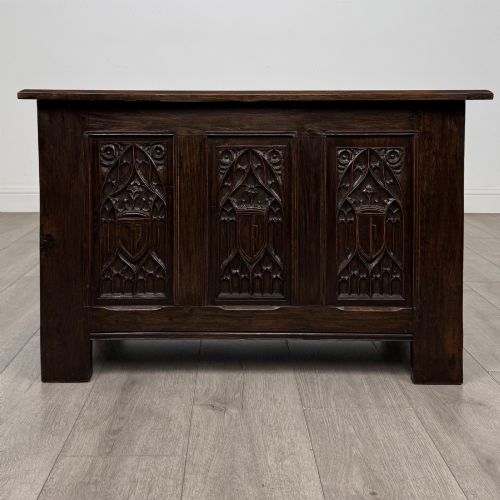
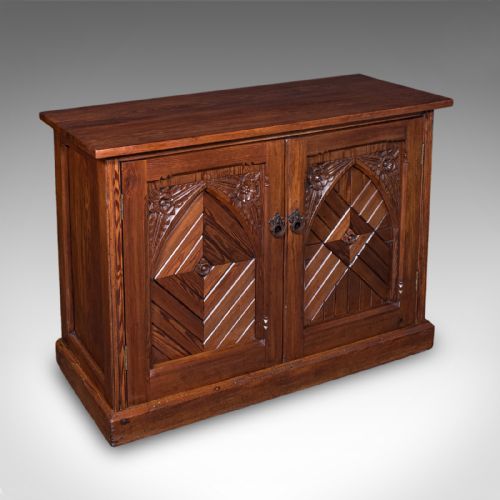
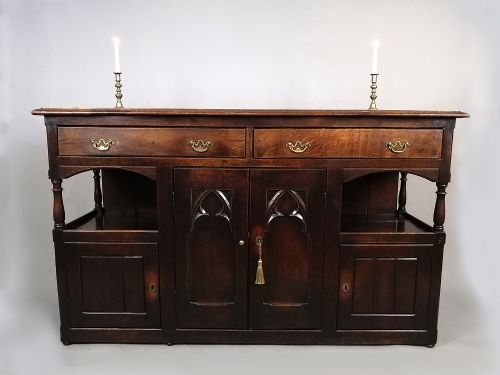
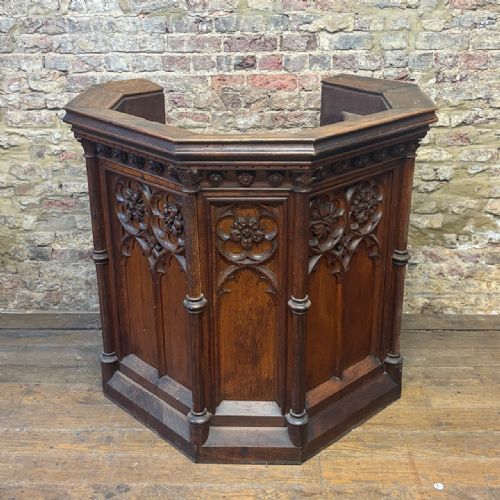
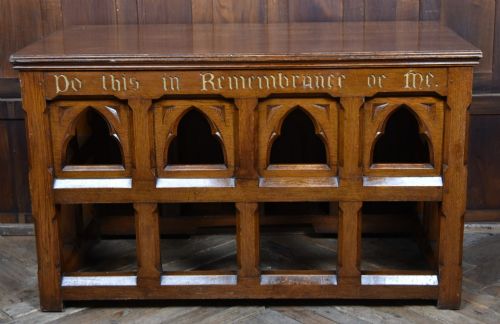
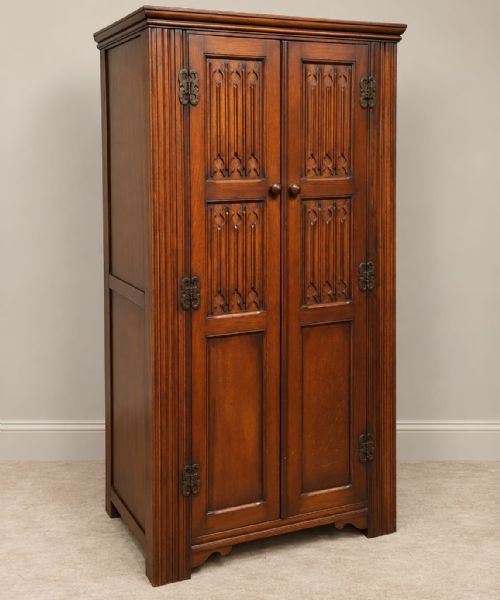
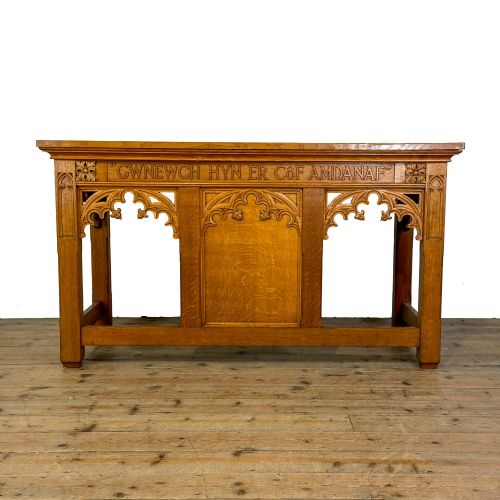
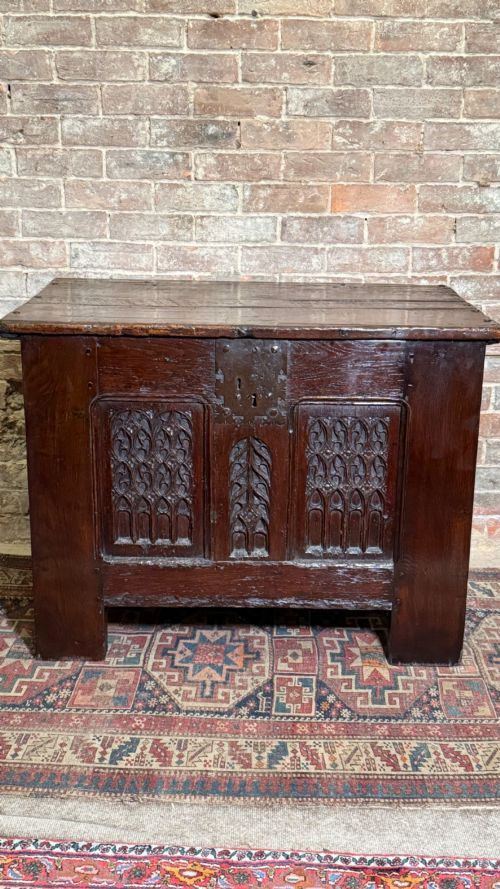
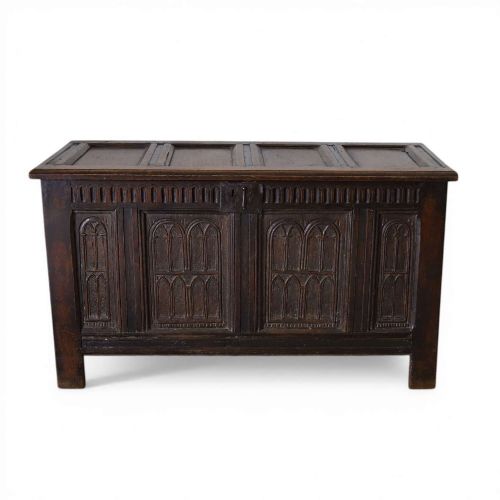
These pieces encompass architectural fragments, seating, storage furniture, and ecclesiastical fittings adorned with geometric stonework-inspired patterns translated into timber. Oak tracery carving predominantly appears on heavy-timber furniture such as coffers, cabinets, and armchairs spanning from medieval fragments to nineteenth-century Gothic revival interpretations.
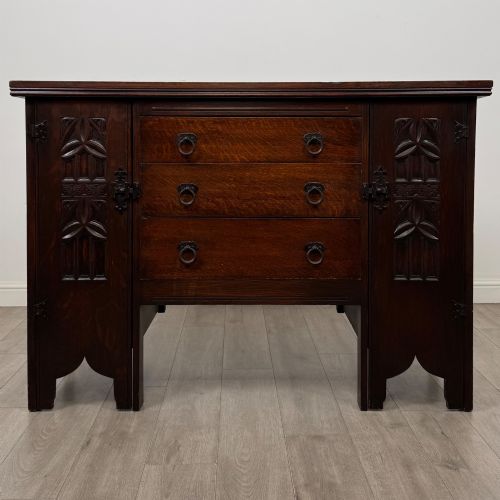
Buyers encounter everything from late fifteenth-century medieval chests to Victorian library armchairs and sideboards, each displaying pointed arches, quatrefoils, and blind arcading. The selection bridges authentic early pieces and nineteenth-century revivals intended to recreate the solemnity of Gothic architecture within domestic interiors.
Materials and Construction
Constructed primarily from sturdy oak complemented by secondary timbers like elm and chestnut, these items rely on traditional joinery methods suited to heavy wood. Artisans shaped structural panels and frameworks using hand tools, sinking relief carvings deep into the grain to replicate stone window tracery.
Iron and brass hardware such as hinges, straps, and handles frequently secure doors and lids on larger storage forms like coffers and wardrobes. Polished or wax finishes protect the dense timber while highlighting the precise geometry of the carved arches and panels.
Oak Tracery Carving Retail Price Guide 2026
Typical asking prices for oak tracery carving among the pieces listed under this phrase on Sellingantiques today, from the lower quarter to the upper quarter. They describe what is for sale here now, not the wider market.
Some nineteenth-century makers hid bottle racks inside their Gothic sideboards, quietly turning solemn church architecture into a drinks cabinet.
Assessing Quality and Execution
Superior examples demonstrate crisp depth in the carved tracery and harmonious proportions across architectural panels, cabinets, and seating. The distinction between standard production and exceptional work lies in the sharpness of the chisel-work and the integration of the carved ornament into the structural form.
Age and original context significantly influence character, separating genuine medieval and seventeenth-century survivals from nineteenth-century revival pieces. Patination, timber selection, and the architectural fidelity of the Gothic motifs dictate the standing of each piece.
The Oak Tracery Carving Glossary
- Tracery
- The stonework ornamentation of window openings in Gothic architecture, translated here into carved woodwork. It provides the defining geometric patterns found across panels and furniture doors.
- Coffer
- A heavy wooden chest traditionally used for storage and transport of valuables. Early examples often display intricate front panels featuring carved Gothic arches.
- Wainscot
- A type of heavy wooden armchair or panelling constructed with framed stiles and rails. These chairs typically feature solid wooden seats and carved backrests.
- Flamboyant
- The latest phase of Gothic architecture and decoration, characterised by flame-like curved tracery patterns. Pieces from this tradition exhibit dynamic, flowing designs.
- Altar
- An ecclesiastical table used for religious ceremonies, occasionally repurposed into domestic settings during revival periods. These pieces frequently incorporate heavy tracery carving along the front frieze.
Oak Tracery Carving: Frequently Asked Questions
What is oak tracery carving?
Oak tracery carving involves geometric patterns inspired by Gothic stone windows rendered into timber panels and furniture.
It links medieval ecclesiastical design with domestic furnishings through motifs like pointed arches and quatrefoils.
How were these carved pieces used?
These items served functional and decorative roles ranging from storage coffers and pulpits to seating and architectural panelling.
Ecclesiastical and domestic pieces alike brought status, security, and solemn architectural ornament to daily life.
How do I live with Gothic revival furniture?
Gothic revival items add architectural weight and historic character when paired with neutral walls and simple contemporary furnishings.
Heavy pieces like sideboards, cabinets, and armchairs anchor a room, functioning best as focal points in studies or dining spaces.
How can I tell periods apart?
Early pieces from the sixteenth and seventeenth centuries show tool marks, pegged joinery, and patination born from centuries of use.
Nineteenth-century revival items often display heavier proportions, machine-assisted preparation, or explicit stylistic labels like Victorian Gothic.