



Oak Side Stool Table
These oak side stool table examples bridge the gap between seating and small surfaces, offering sturdy utility rooted in centuries of vernacular British joinery.
Oak Side Stool Table
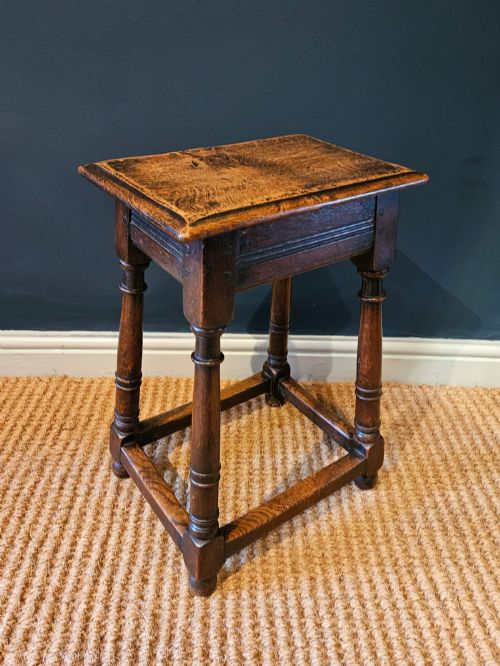
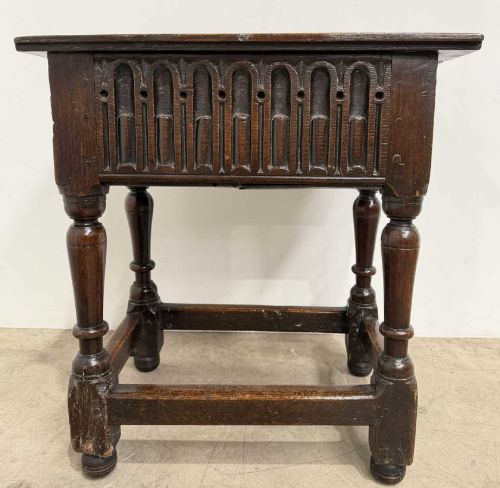
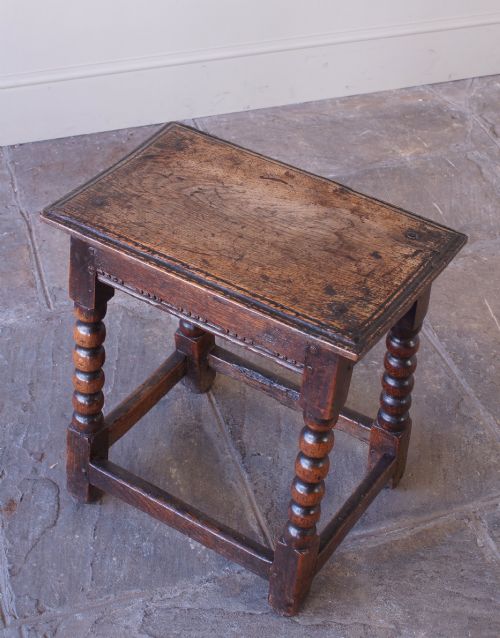
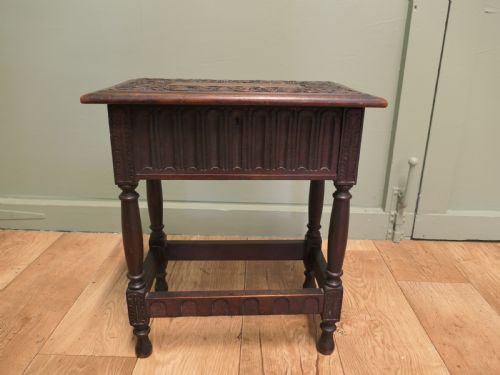
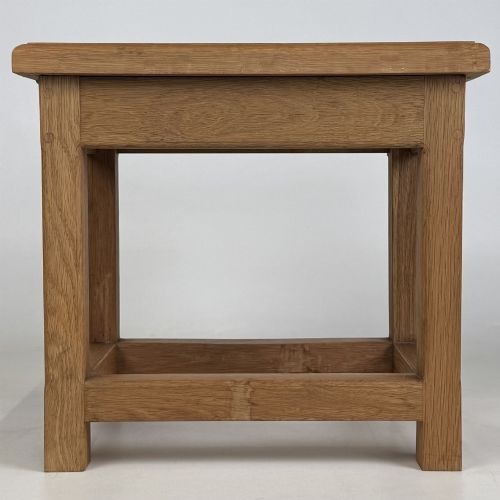
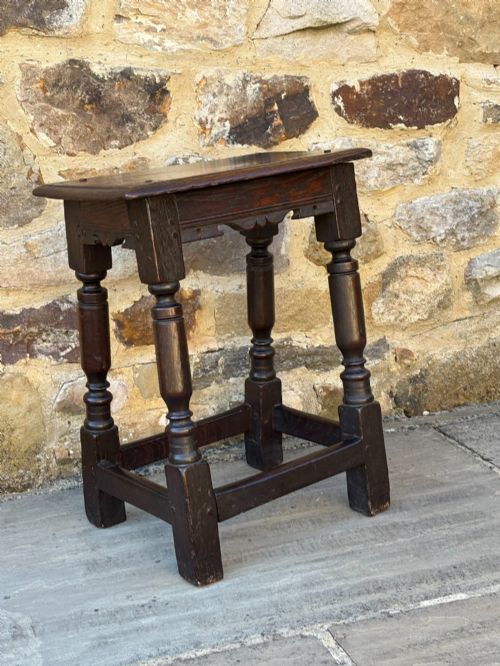
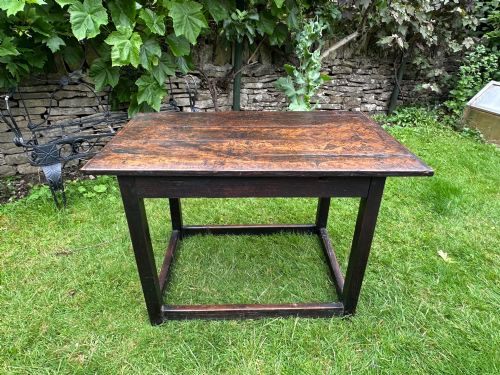
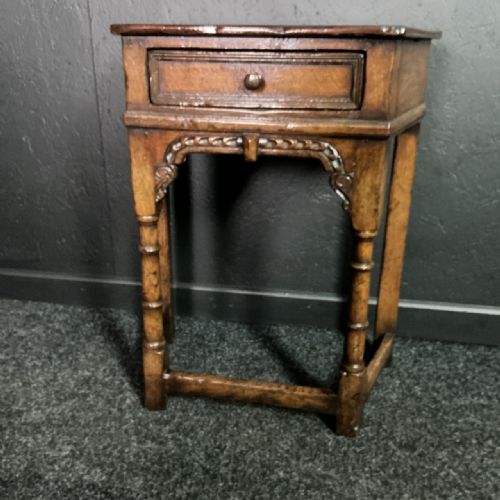
When you search for an oak side stool table, you encounter pieces that function as both low seating and compact occasional surfaces. The selection spans robust joint stools, plank top tables, and box stools originating from the seventeenth century through to the early twentieth century.
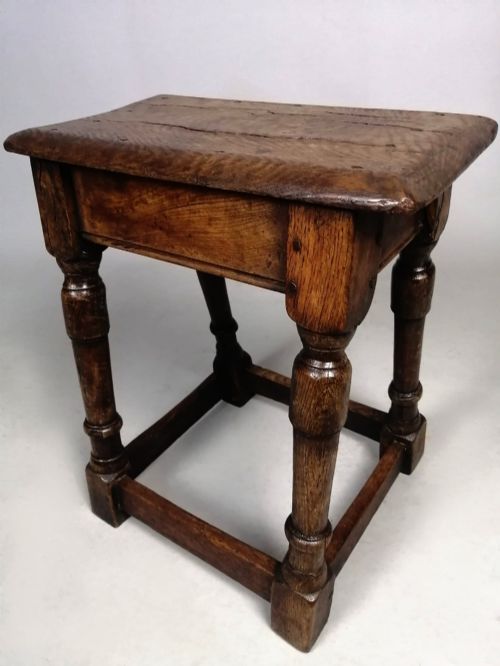
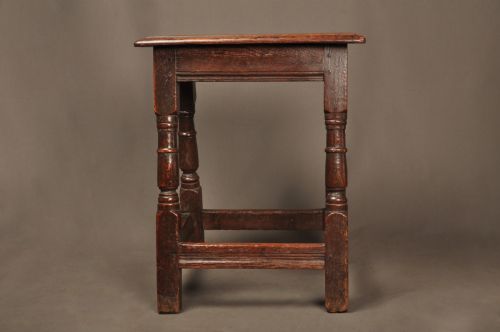
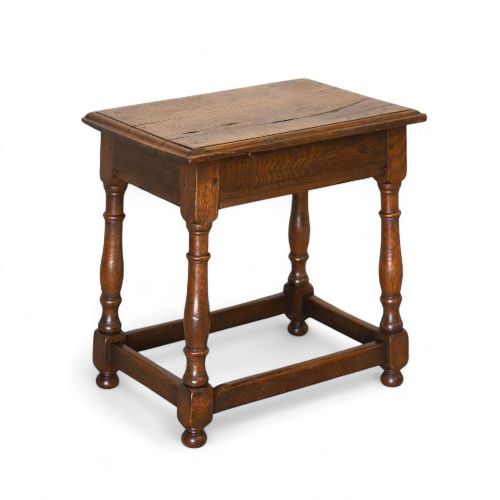
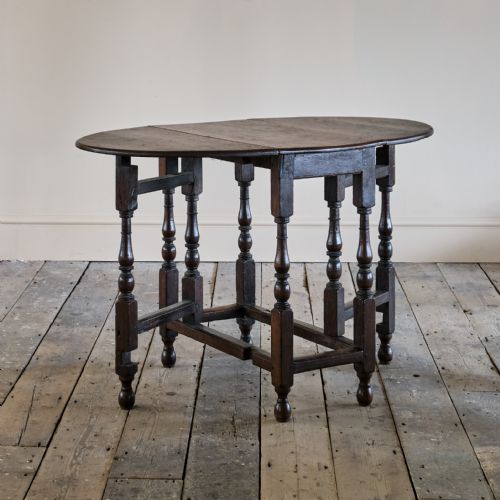
The version you are most likely to meet on this page is the seventeenth-century style joint stool or an eighteenth-century provincial side table. These forms reflect centuries of domestic English life, appearing in configurations ranging from gateleg tables to cricket tables and milking stools.
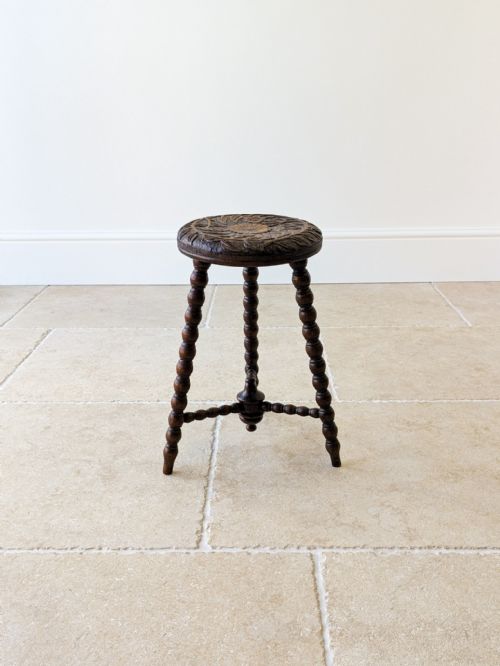
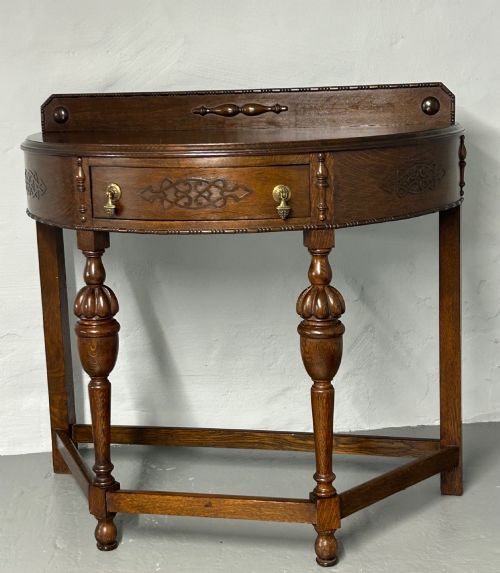
Makers drew on vernacular traditions, producing items in styles such as Jacobean, Georgian, Gothic Revival, and Arts and Crafts. This crossover between seating and table surfaces demonstrates the adaptable nature of historic timber furniture.
Materials and Construction
Makers relied primarily on native oak, complemented by secondary timbers such as elm, pollard oak, and walnut. Construction methods involve pegged joints, chip carving, and bobbin turning to ensure structural integrity without metal fixings.
Surfaces demonstrate the use of solid timber planks, sometimes featuring pollard oak veneers or distinct grain patterns. Pegged construction and traditional jointing form the backbone of these pieces, allowing them to endure centuries of daily use.
Oak Side Stool Table Retail Price Guide 2026
Typical asking prices for oak side stool table among the pieces listed under this phrase on Sellingantiques today, from the lower quarter to the upper quarter. They describe what is for sale here now, not the wider market.
Listings feature oak alongside elm, walnut, and iron, spanning the seventeenth century through to the Edwardian era.
The Distinction in Quality
Quality rests in the integrity of the original timber and the crispness of hand-carved details like chip carving and peg construction. Pieces that retain their early surface patination and rich colour stand apart from later revivals.
Proportion and structural honesty dictate the grade of a piece, with uncompromised joints and minimal timber replacement marking the superior examples across both seventeenth-century origins and later interpretations.
The Oak Side Stool Table Glossary
- Joint stool
- A sturdy wooden stool built with mortise and tenon joints, often utilised as a low table or seat. These form a cornerstone of early English domestic furniture.
- Box stool
- A seating form featuring a concealed storage compartment beneath the lift-up or fixed top. They combine utility with compact proportions.
- Cricket table
- A small, light table traditionally supported by three splayed legs. This design provided stability on uneven floors in historic homes.
- Gateleg table
- A table with hinged leaves supported by swing-out legs. This mechanism allows the surface area to expand or contract as needed.
- Pegged construction
- A method of securing joints using wooden pegs rather than metal nails or screws. This technique is typical of early oak furniture.
Oak Side Stool Table: Frequently Asked Questions
What is an oak side stool table?
An oak side stool table refers to versatile historic furniture pieces that cross the boundary between low seating and small occasional surfaces. They include joint stools, box stools, and compact tables utilised for multiple domestic tasks.
These items range from seventeenth-century originals to later revival pieces, sharing robust timber construction and compact footprints suited to modern rooms.
How were joint stools used historically?
Joint stools served primarily as seating around the dining board in early households. Their sturdy build also allowed them to function as makeshift side tables for food or household goods.
Over time, their convenient height and flat tops led to them being utilised as bedside stands or occasional tables for lamps and small objects.
How do I date an antique oak table?
Dating relies on observing construction methods, tool marks, timber shrinkage, and the presence of pegged joints. Early pieces display hand-cut joinery and distinctive patination developed over centuries of exposure.
Stylistic markers such as bobbin turning, chip carving, and specific moulding profiles further help differentiate seventeenth-century originals from nineteenth-century revivals.
How do I live with antique oak furniture?
Living with these pieces involves placing them away from direct heat sources and extreme humidity fluctuations to protect the solid timber. Regular gentle dusting and occasional waxing help preserve the historic surface colour.
Their compact proportions make them adaptable for use as side tables, plant stands, or occasional seating in contemporary living spaces.