



Late 19th Century Stool
A late 19th century stool brings practical seating and decorative presence into a room through varied period forms and regional workshop traditions.
Late 19th Century Stool
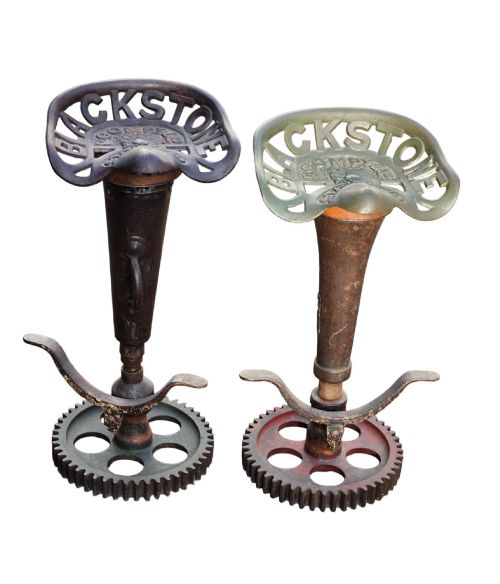
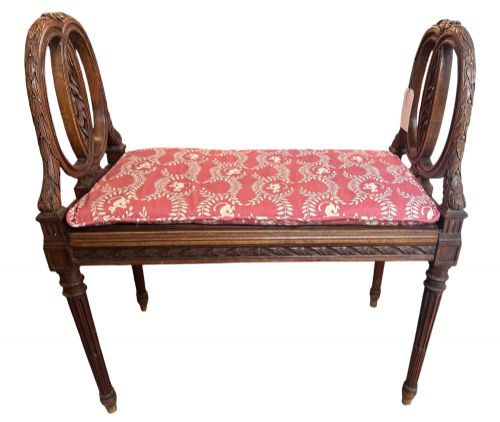
A late 19th century stool encompasses diverse domestic forms including low footstools, dressing stools, duet piano seats, and rustic milking pieces. These items emerge from Victorian British workshops, French period designs, Anglo-Indian carving traditions, and Qing Dynasty Chinese craftsmanship.
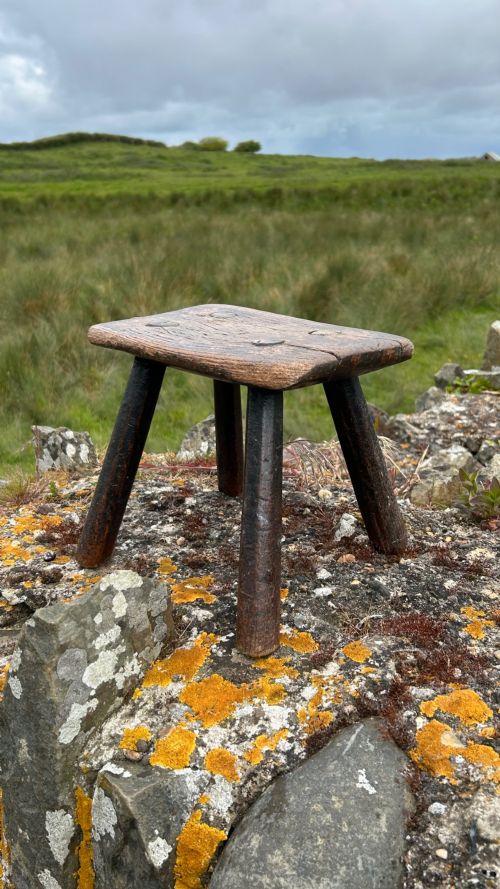
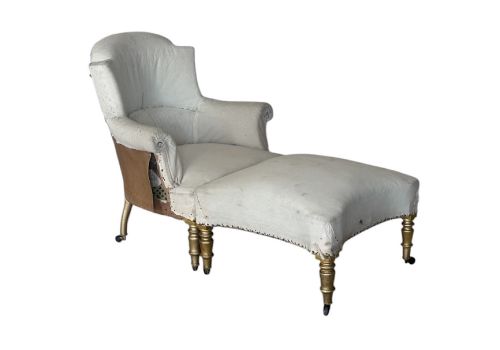
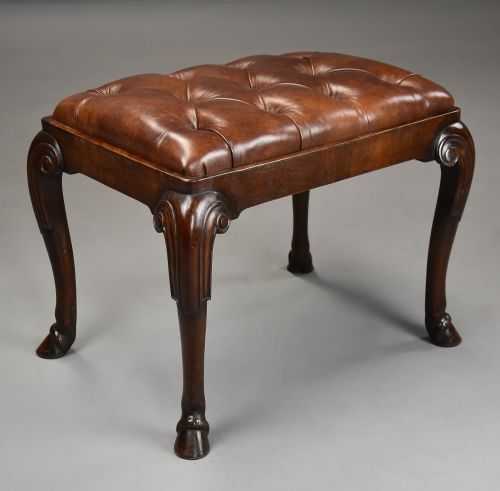
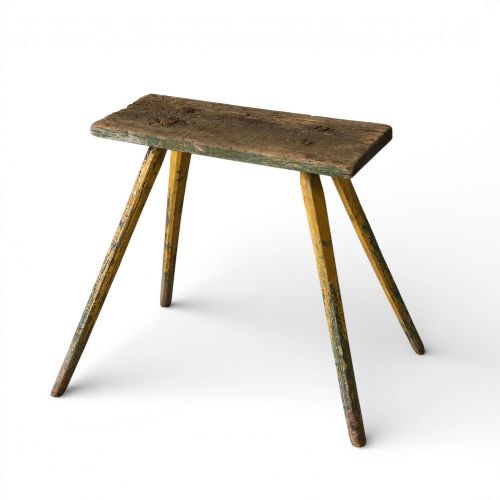
The domestic selection balances formal revival styles, such as Queen Anne walnut frames and Gothic designs, alongside country vernacular pieces fashioned from oak, elm, or ash. Buyers frequently encounter smaller footstools and occasional stands alongside larger upholstered window seats and duet piano stools.
Makers and regional makers applied distinct stylistic preferences to these forms, ranging from Liberty and Co. and James Shoolbred output to carved hardwood items featuring inset marble or quartz tops. This variety reflects the eclectic interior tastes of the late Victorian era.
Materials and Technique
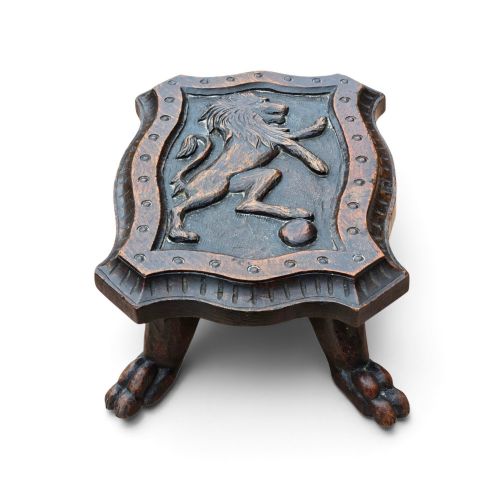
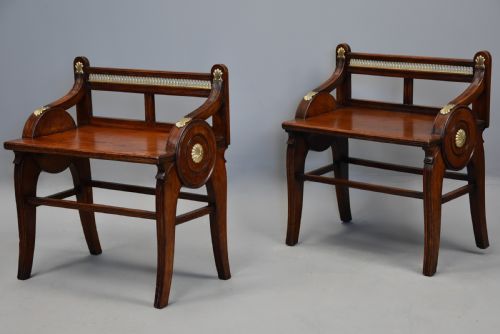
Makers relied heavily on solid hardwoods like oak, walnut, mahogany, and exotic timbers such as padouk and hongmu, often shaping them with cabriole legs, claw-and-ball feet, or turned supports. Joinery techniques varied from traditional pegged joints in country oak stools to intricate mortise and tenon construction in Chinese Qing Dynasty hardwood and rootwood items.
Surface ornamentation combined hand carving with applied finishes, utilising giltwood, ebonisation, mother-of-pearl inlay, and original paint on rustic pieces. Upholstered variants integrated traditional webbing and stuffing covered in leather, damask, fabric, or woven rattan.
Late 19th Century Stool Retail Price Guide 2026
Typical asking prices for late 19th century stool among the pieces listed under this phrase on Sellingantiques today, from the lower quarter to the upper quarter. They describe what is for sale here now, not the wider market.
Listings feature woods like walnut, oak, and mahogany alongside exotic materials such as brass, marble, and woven rattan.
Standards of Execution
Quality rests in the crispness of the hand carving, the selection of timber grain, and the structural integrity of the frame. Pieces exhibiting deeply defined heraldic motifs, precise dovetailing, or substantial hardwood timbers indicate superior workshop output compared to simpler vernacular designs.
The grade of secondary materials and upholstery execution also separates standard utility pieces from fine salon examples. Original surfaces, intact marble or quartz inserts, and documented maker attribution elevate the standing of an individual piece.
James Shoolbred and Co·John Tesch·Liberty and Co
The Late 19th Century Stool Glossary
- Cabriole leg
- A furniture leg that curves outward at the knee and tapers inward toward the ankle, frequently ending in a pad or claw-and-ball foot. This classical shape appears widely on Queen Anne and Georgian revival stools.
- Duet stool
- An elongated seat designed for two pianists to sit side by side at a keyboard. They often incorporate internal compartment storage for sheet music beneath the upholstered lid.
- Fender stool
- A long, narrow low stool designed to sit directly in front of a hearth fire fender. These pieces kept feet warm off cold stone hearths.
- Hongmu
- A Chinese term translating to red wood, used to describe dense, dark tropical hardwoods utilised in fine Asian furniture. It accepts intricate hand carving exceptionally well.
- Grotto stool
- An ornate decorative seat carved to resemble natural elements like shells, coral, or rustic stone. Venetian workshops produced striking examples in carved pine and walnut.
Late 19th Century Stool: Frequently Asked Questions
How do I identify a footstool from a piano stool?
Footstools are generally smaller, lower to the ground, and intended purely to support seated feet or rest beside an armchair. Piano stools are longer, built at a height suited for keyboard playing, and frequently feature hinged seats that open for storage.
Traditional footstools rely on fixed frames with needlework, damask, or leather upholstery. Piano duet versions accommodate multiple players and often display ebonised finishes or turned spindles.
What defines a Qing Dynasty stand?
Qing Dynasty stands and tables feature traditional Chinese joinery executed in hardwoods like hongmu or ebonised wood, often incorporating floating panel construction. Many examples include inset marble or quartz table tops.
Carved details typically display traditional Asian motifs, dragon designs, or barrel drum silhouettes. They served as display surfaces for decorative objects within late Victorian interiors.
Are rustic stools collectable?
Rustic country stools made from ash, elm, or pine possess a distinct utilitarian charm and documented regional provenance. Examples featuring original paint layers or milk stool forms remain sought after by interior decorators.
Though less formal than walnut Queen Anne revival pieces, country vernacular items demonstrate honest joinery and practical design. Their appeal lies in their simple, unpretentious construction.