

Oak Side Seat
An oak side seat brings sturdy timber and practical seating into hallways and dining rooms across the centuries.
Oak Side Seat
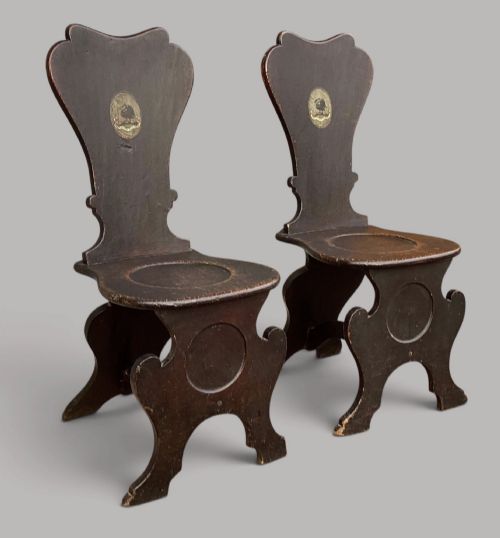
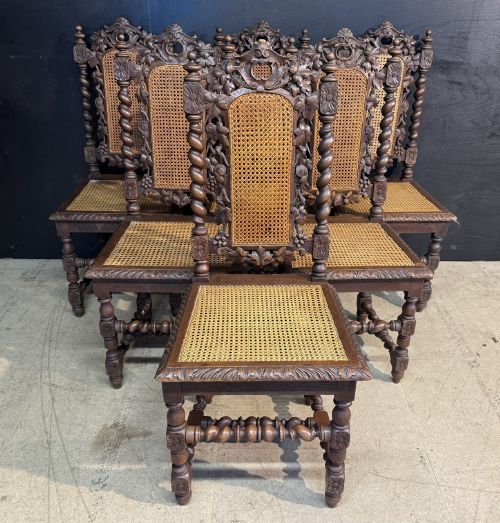
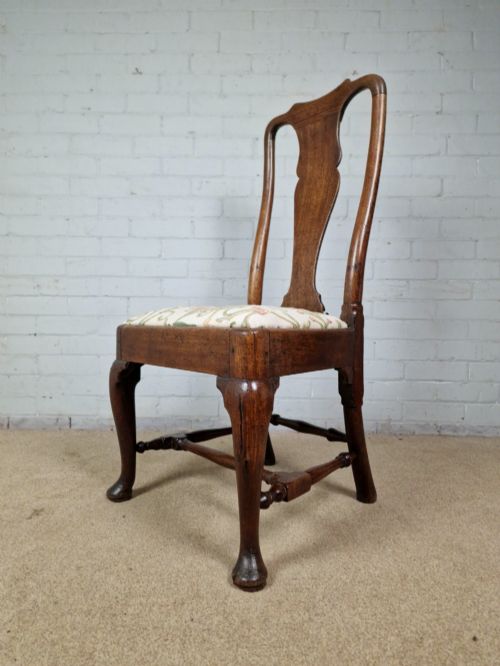
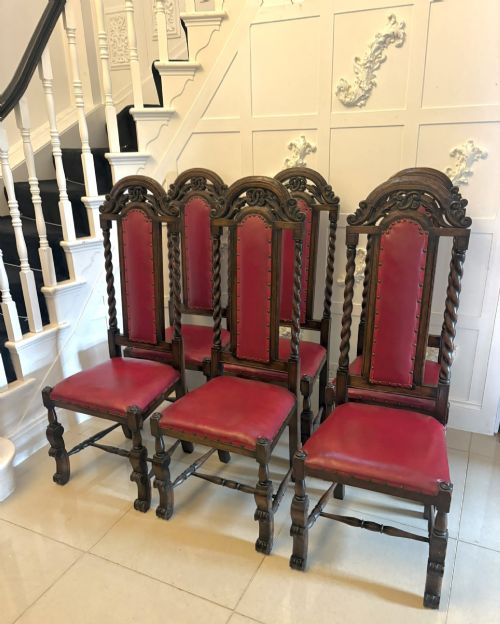
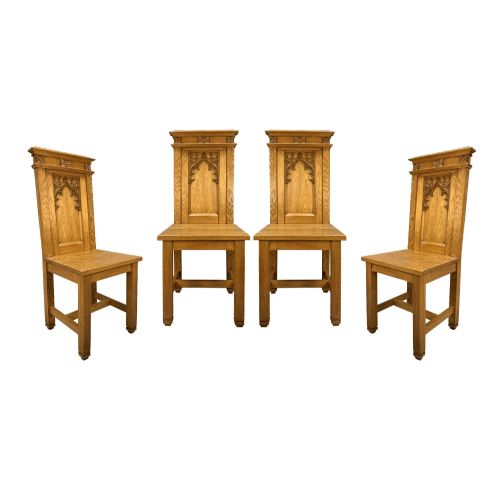
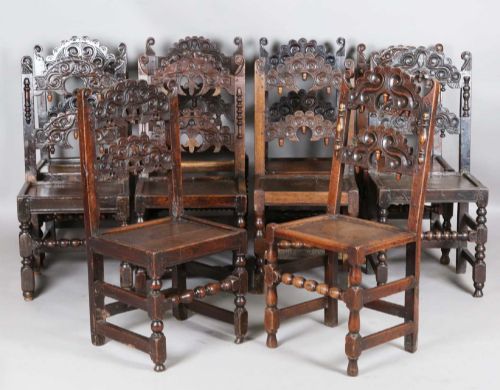
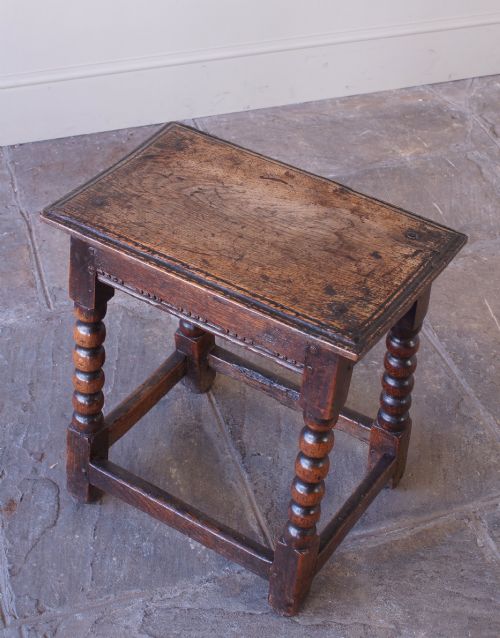
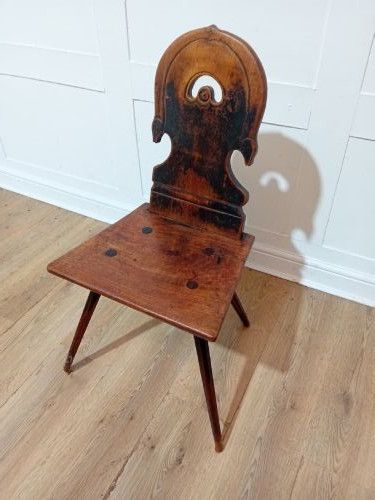
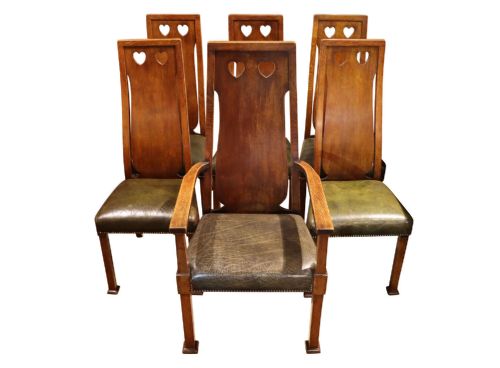
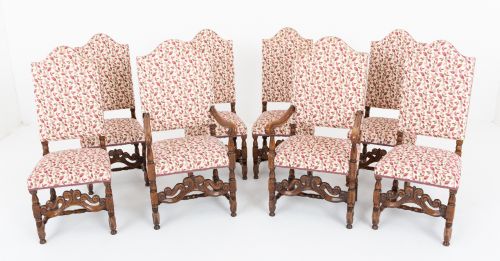
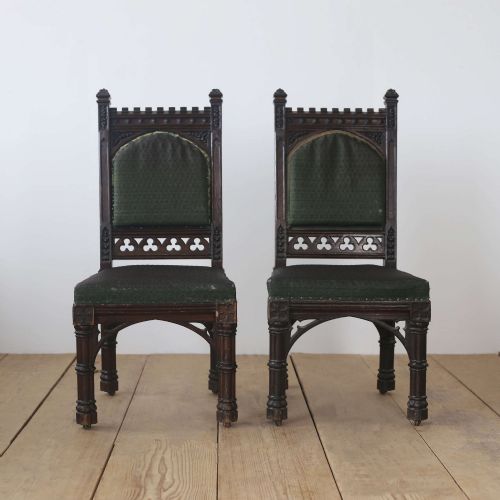
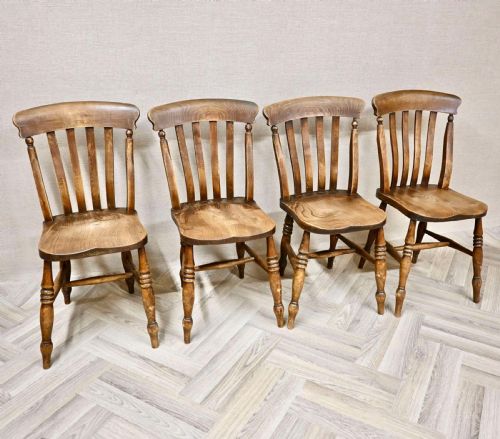
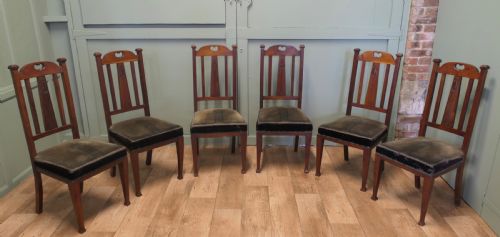
When you search for an oak side seat, you encounter a varied collection of heavy wooden furniture built for utility and display in domestic and public spaces. The selection ranges from plain provincial joint stools and solid shield-back hall chairs to carved dining chairs and Gothic revival library seats spanning the eighteenth, nineteenth and twentieth centuries.
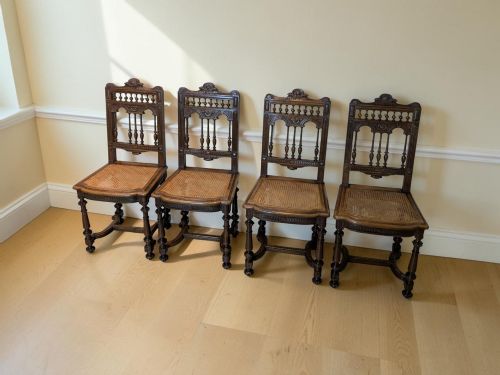
Dining chairs and hall seats dominate the available pieces, often appearing in matched sets or smaller pairs alongside single occasional stools and armchairs. You meet regional British and Irish examples incorporating vernacular country styles, Arts and Crafts ideals, and revivals of earlier Jacobean and Gothic designs.
The underlying function remains straightforward, serving as practical seating for halls, studies and dining tables where solid wood construction matters. These items demonstrate the enduring appeal of oak and related timbers in traditional domestic interiors.
Materials and Methods of Construction
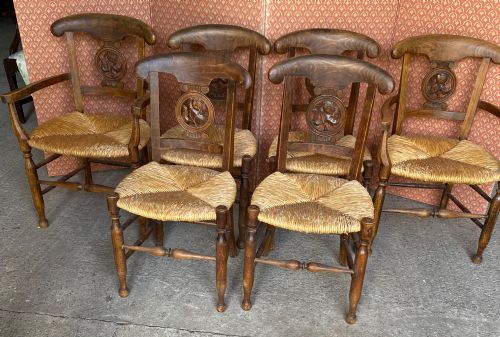
Makers built these pieces primarily from solid oak, frequently supported by secondary woods such as elm, beech and rush for seats, spindles and stretchers. Joinery relies on traditional methods including mortise and tenon joints, pegged frames and turned legs rather than modern adhesives.
Upholstery and decorative details vary considerably across the periods, incorporating leather, velvet, fabric and woven rush seats alongside brass hardware, hand-carved panels and heraldic crests. Surfaces show the results of wax finishing, turning, piercing and relief carving executed by provincial and city workshops.
Listings span periods from the 17th to the 20th century, utilising oak, elm, beech, rush, leather and velvet.
Distinctions in Quality and Make
The distinction between standard utility items and finer examples rests on the depth of carving, the precision of the joinery and the selection of timber with rich grain. Pieces produced by documented makers or commissioned for specific institutions display superior proportions and more elaborate decorative treatments.
Preservation of the original surface, structural rigidity and matching elements within a set govern the overall standing of each piece. Retaining original rush seats, leather upholstery or stamped maker marks elevates an item beyond ordinary workshop production.
Strahan of Dublin
The Oak Side Seat Glossary
- Joint stool
- A low wooden seat constructed with pegged mortise and tenon joints rather than turned legs. These sturdy pieces date back to the seventeenth and eighteenth centuries.
- Hall chair
- An upright wooden seat designed for an entrance hall or corridor, often featuring a solid carved back and heraldic motifs. They prioritise architectural presence over cushioned comfort.
- Windsor chair
- A timber seat characterised by individual spindles inserted into a solid shaped wooden seat base. They frequently feature bow backs and country kitchen origins.
- Harlequin set
- A collection of chairs that match in general style and period but vary slightly in individual details and proportions. They provide a traditional method for gathering larger dining sets.
- Gothic Revival
- An architectural and decorative style popular during the nineteenth century that mimics medieval pointed arches, trefoil details and heavy tracery. Pieces in this style display dramatic vertical lines.
Oak Side Seat: Frequently Asked Questions
What is an oak side seat used for?
These pieces function primarily as occasional seating in entrance halls, studies and dining spaces where durability is paramount. They provide a firm upright posture suited to hallways and formal rooms.
Historically, hall versions also served for guests waiting briefly in reception areas, while kitchen and dining variants accommodated daily family meals.
How do I date an antique oak chair?
Dating relies on observing construction techniques, tool marks, timber selection and stylistic cues such as carved motifs or turned leg profiles. Eighteenth-century examples often show hand-planed surfaces and pegged joints characteristic of provincial joinery.
Later Victorian and Edwardian pieces frequently incorporate machine-sawn components, revival styling, and factory stamps or maker signatures that narrow the date of manufacture.
Are these seats comfortable for daily use?
Most antique side and hall seats feature solid wooden planks or woven rush surfaces designed for upright support rather than lounging. They work well for dining or temporary seating around a desk or hallway.
If you require softer seating, look for examples fitted with leather, velvet or fabric pads, or add loose cushions to wooden seats for longer sitting periods.
How do I care for antique oak furniture?
Maintain the timber by applying a natural beeswax polish occasionally and buffing with a soft cloth to preserve the rich surface sheen. Avoid placing wooden seats near direct heat sources or strong sunlight, which can dry out the oak and split the joints.
Keep upholstered or rush elements clean using gentle dusting and protect them from excessive moisture to ensure the materials survive.