



Oak Shop Cabinet
An oak shop cabinet brings commercial history into the home, offering glazed display space built to withstand daily trade.
Oak Shop Cabinet
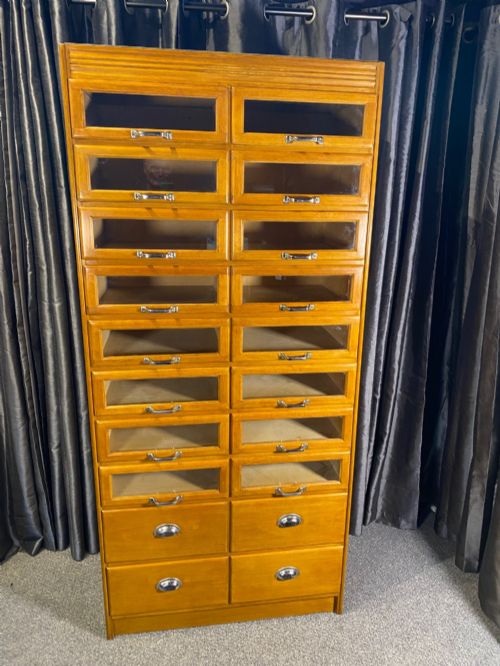
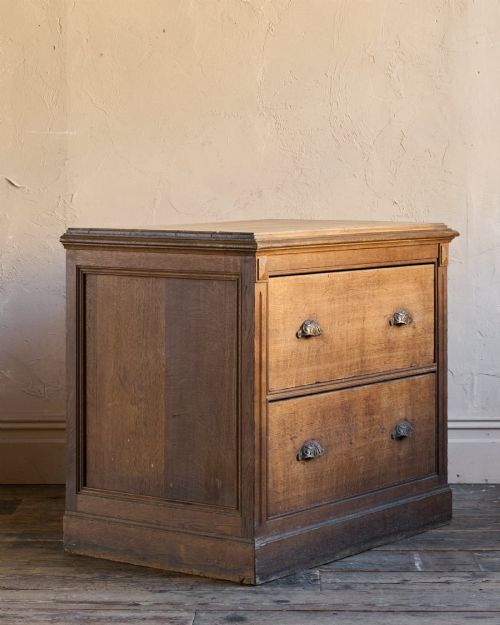
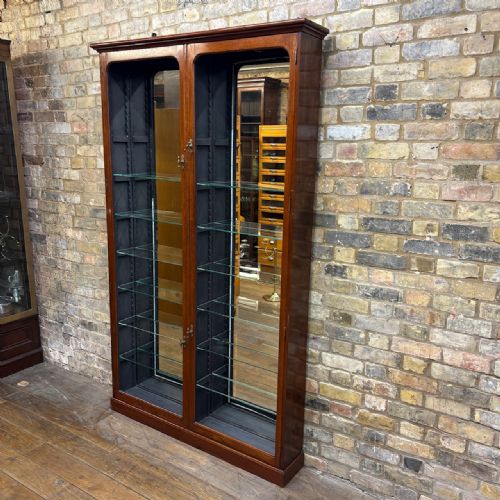
An oak shop cabinet is a commercial display piece designed for merchants, opticians, and watchmakers, constructed to exhibit small goods securely. Buyers seeking an oak shop cabinet will encounter countertop models, wall-mounted units, and large counters dating from the Victorian era through the 1930s.
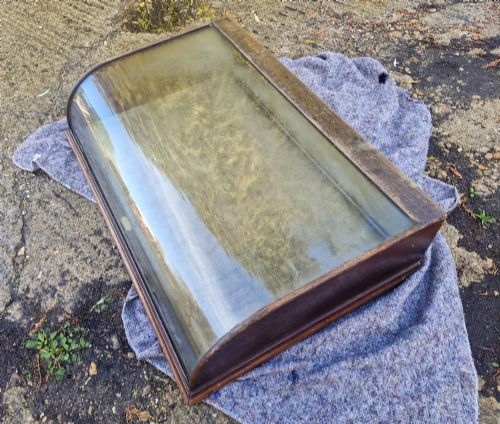
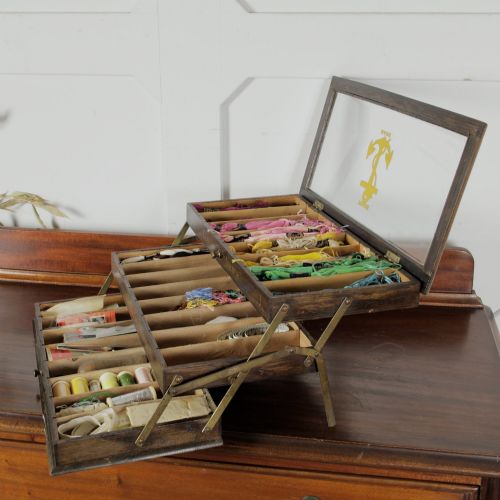
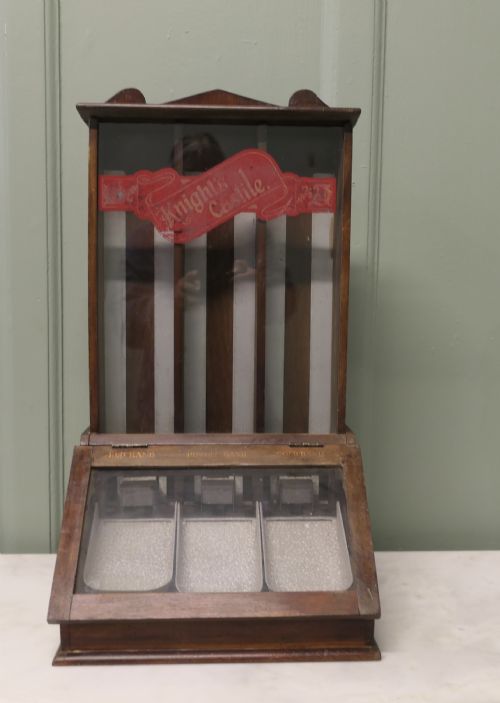
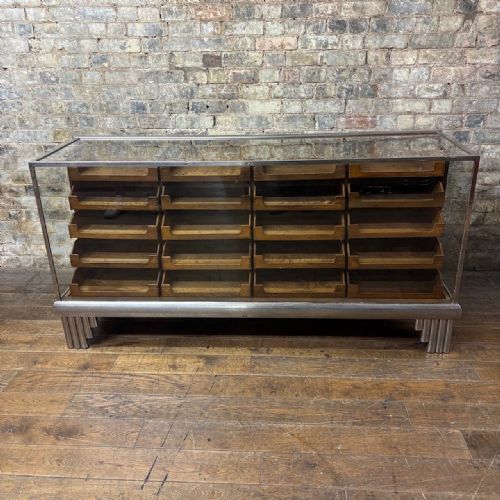
The selections span early counter displays, specialised haberdashery units with drawers, and mechanical dispensing cases. Most examples utilise solid oak framing paired with large glass viewing panels to showcase merchandise to customers.
Origins stretch from late nineteenth-century French workshops to English commercial furnishers active in the Edwardian period and interwar years. These pieces served businesses ranging from chocolate manufacturers to weather-proofing outfitters before entering domestic interiors.
Materials and construction
Makers built the primary carcase of these commercial units using sturdy oak, often selected for its durability in busy retail environments. Glass panels provide visibility from multiple angles, while brass and chrome hardware secure doors, hinges, and pull handles.
Internal elements frequently incorporate secondary timbers like wood and metal linings, alongside velvet inserts found in specialised display trays. Specialised hardware, such as mechanical dispensing mechanisms or watchmaker compartments, required precise metalworking alongside traditional cabinetmaking.
Oak Shop Cabinet Retail Price Guide 2026
Typical asking prices for oak shop cabinet among the pieces listed under this phrase on Sellingantiques today, from the lower quarter to the upper quarter. They describe what is for sale here now, not the wider market.
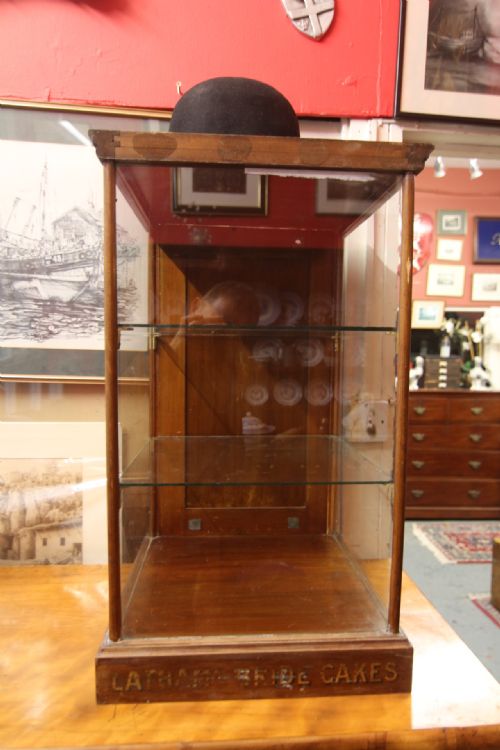
Some countertop display cabinets bear later sign-writing for Fry's and Cadbury's chocolate, marking a transition from sweet shop counters to domestic display.
Assessing quality in commercial furniture
Quality depends upon the integrity of the original commercial joinery and the survival of the primary glass panels. Finer examples retain their specialised internal fittings, original hardware, and maker markings rather than relying on later alterations.
The distinction between standard retail fixtures and bespoke architectural pieces lies in the sophistication of the framing and the complexity of any mechanical dispensing or watchmaker components.
F. Sage & Co·Dudley & Co·Manoah Rhodes & Sons Ltd·Aitchison
The Oak Shop Cabinet Glossary
- Haberdashery cabinet
- A multi-drawer commercial unit originally used for storing ribbons, threads, and small sewing goods. These pieces typically feature numerous shallow drawers with glass fronts or pulls.
- Countertop cabinet
- A smaller display case designed to sit upon a shop counter for customer browsing. These units frequently feature rear-access doors for the merchant.
- Mechanical dispensing cabinet
- A specialised retail fixture incorporating moving parts to deliver goods upon coin insertion or lever operation. These units represent complex commercial engineering.
- Wall-mounted cabinet
- A shallow display unit designed to hang on vertical surfaces, frequently utilised by opticians or specialists with limited floor space. They maximise visibility at eye level.
Oak Shop Cabinet: Frequently Asked Questions
What were oak shop cabinets used for?
Merchants utilised these glazed units to display small valuable goods, confectionery, spectacles, and watchmaking components securely while keeping them visible to customers.
Retailers positioned them on counters, mounted them to walls, or used large freestanding multi-drawer units to organise stock in busy shops.
How do I date an oak shop cabinet?
Dating relies on architectural styles, hardware materials, and construction methods spanning the Victorian period through the 1930s. Edwardian and interwar pieces often incorporate chrome fittings alongside traditional oak framing.
Maker plaques, retail branding, and specific commercial forms like Art Deco haberdashery units also provide clear chronological markers.
Can I use a shop cabinet at home?
These cabinets suit modern interiors for displaying collections, glassware, or small personal items behind protective glass.
Countertop models fit easily on sideboards, while larger haberdashery counters and wall units serve as statement storage furniture.
What is a watchmaker's cabinet?
A watchmaker's cabinet is a specialised workshop or retail unit featuring numerous tiny drawers designed for tiny mechanical components and repair tools.
These pieces reflect high precision in woodworking to accommodate specialised internal layouts for delicate trades.