


Oak Shield Wall Mount
An oak shield wall mount brings substantial natural history and sporting heritage into a room, offering historic mounted trophies and key boards set upon carved timber plaques.
Oak Shield Wall Mount
When you search for an oak shield wall mount, you encounter a distinct grouping of wall decor, taxidermy trophies, and key racks rooted in Victorian, Edwardian, and Highland Lodge traditions. The pieces span from the late nineteenth century through to the mid twentieth century, reflecting traditional British sporting tastes.
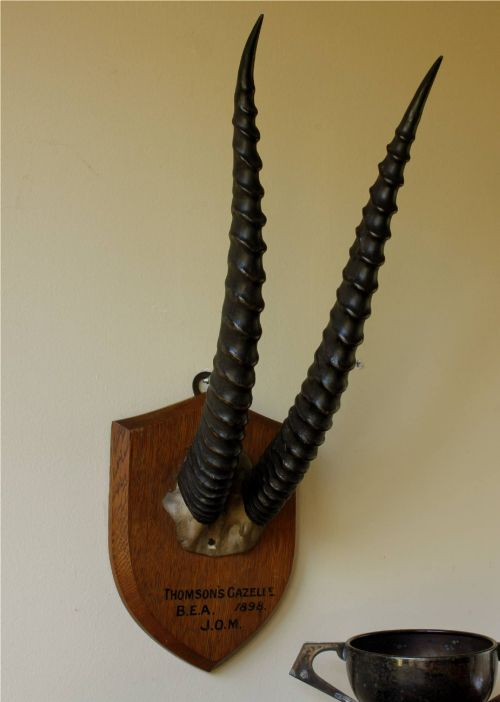
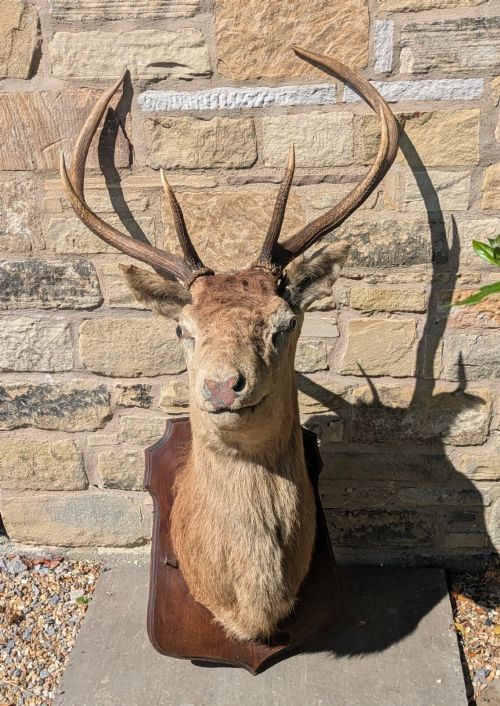
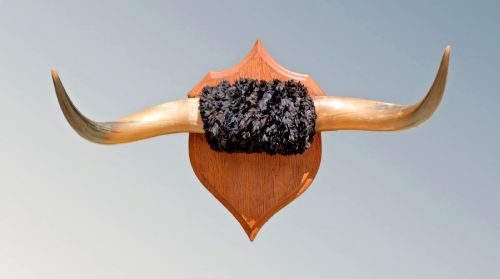
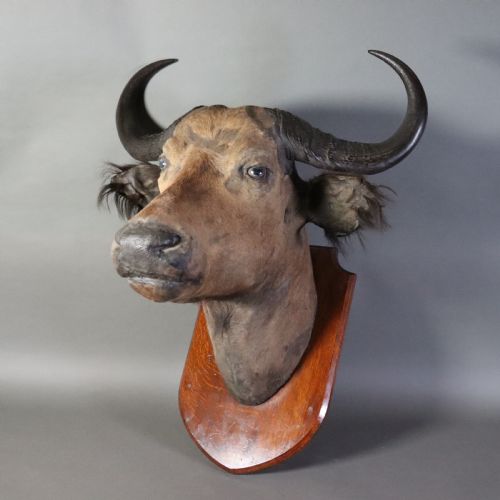
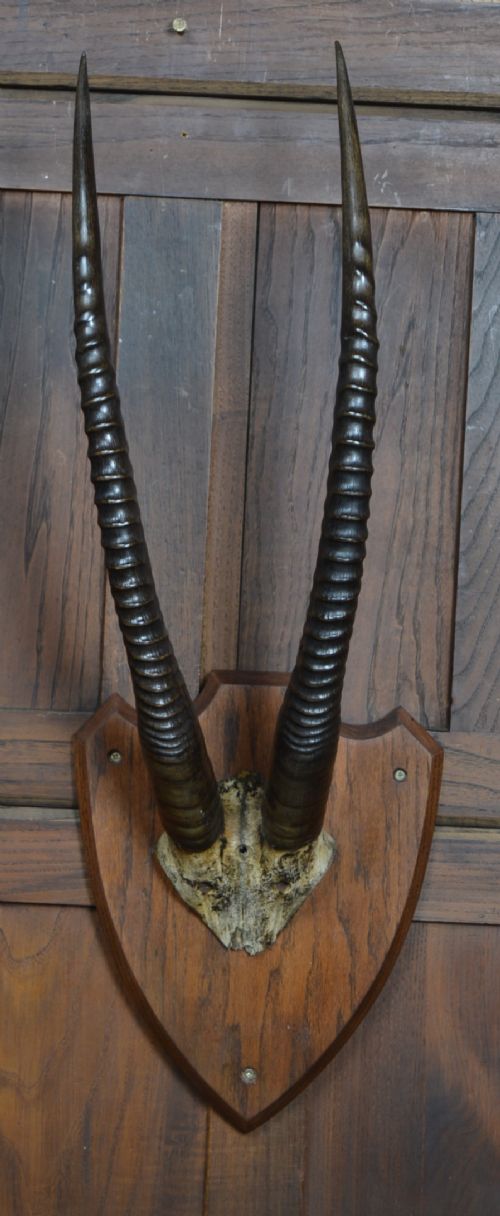
The version you are most likely to meet on this page is a taxidermy mount utilising natural materials fixed to a wooden base. These range from stags heads and roebuck to fox masks, steer horns, and antelope horns mounted directly onto carved oak shields.
Alongside animal trophies, the selection includes utilitarian pieces such as hotel reception key boards featuring timber boards fitted with hooks. Each object bridges functional interior furnishing with historical natural history display.
What varies in quality
Quality in an oak shield wall mount rests upon the skill of the taxidermist and the crispness of the timber carving. Recognised makers command attention through lifelike form in animal masks and superior anatomical precision in mounting.
The depth of the carving on the oak shield and the proportional balance between the trophy and the timber backing dictate the visual strength of the piece. Well-preserved natural hide, fur, and horn further elevate the standing of an individual mount.
One exceptional Victorian mount records a hunts-noted fox hound named Dairy Maid preserved by a famous Leamington Spa taxidermist.
Peter Spicer & Sons·Gerrard & Sons London
The Oak Shield Wall Mount Glossary
- Oak Shield
- A wooden wall plaque shaped like a heraldic shield, utilised as the backing board for taxidermy trophies and key boards. It provides structural support while adding traditional British interior character.
- Taxidermy Trophy
- A preserved animal specimen prepared for display, encompassing heads, masks, horns, and hides. These pieces reflect historical sporting pursuits and natural history collections.
- Highland Lodge Style
- An aesthetic associated with rural hunting estates, featuring rustic materials like antler, horn, and natural fur. This style dominates traditional British sporting interiors.
- Mask
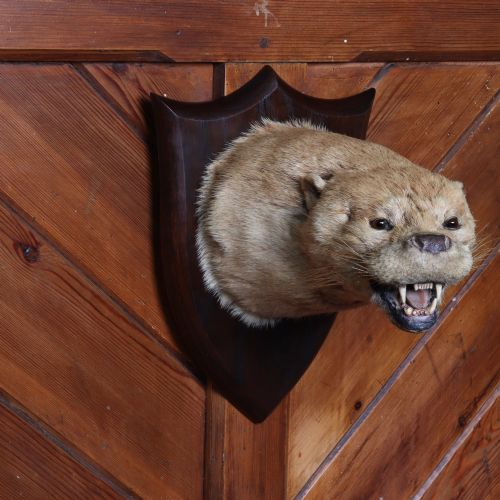
- The head and facial portion of a preserved animal, particularly associated with foxes and otters in Victorian and Edwardian taxidermy. These items were frequently mounted on carved timber shields.
Oak Shield Wall Mount: Frequently Asked Questions
How do I hang an oak shield wall mount safely?
These pieces require secure fixings due to the combined weight of dense oak timber and preserved animal specimens. Ensure your wall fixings engage directly with structural studs or utilise appropriate masonry anchors.
Check the hanging loop or bracket affixed to the rear of the wooden shield before mounting to guarantee it supports the full load.
What periods do these wall mounts come from?
The listings span from the late nineteenth century through the Edwardian era and into the mid twentieth century. Victorian and Edwardian examples often display traditional British sporting characteristics.
Later pieces extend into the nineteen thirties and fifties, maintaining the traditional use of oak shields for taxidermy and functional key boards.
How do I care for taxidermy on wood?
Keep mounted specimens away from direct sunlight and damp environments to protect natural fur, hide, and timber. Dust the hair and antlers gently with a soft brush.
Treat the oak shield periodically with appropriate furniture wax to nourish the grain without affecting the mounted specimen.
What materials are used besides oak?
Taxidermy mounts incorporate natural fur, hide, bone, antler, and horn derived from animals such as deer, fox, antelope, and steer. Glass appears frequently as replacement eyes in animal heads and masks.
The backing boards rely consistently on solid wood, predominantly oak, shaped into carved shields or rectangular display boards.