
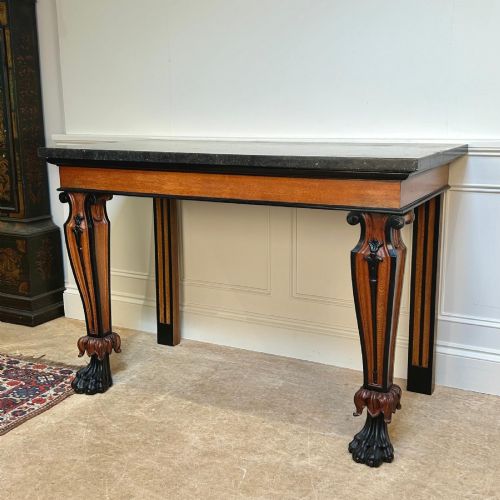
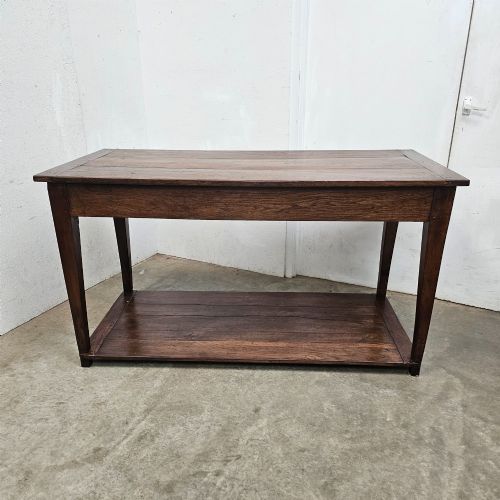
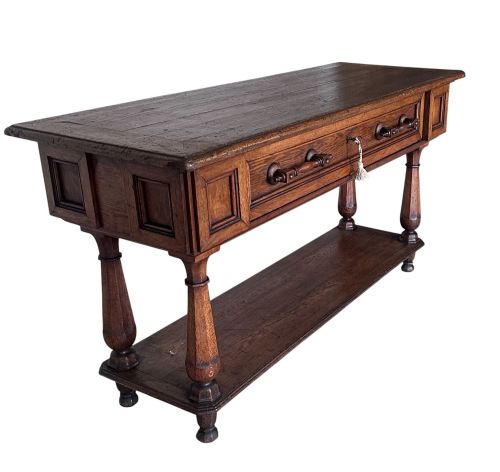
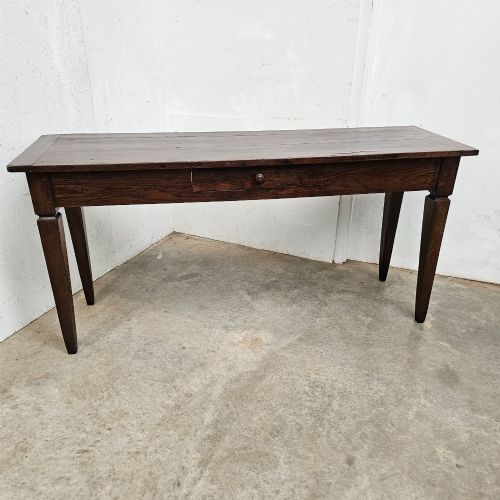
Oak Serving Console Table
An oak serving console table brings centuries of sturdy utility and rich grain into a room, serving dining rooms and halls with equal grace.
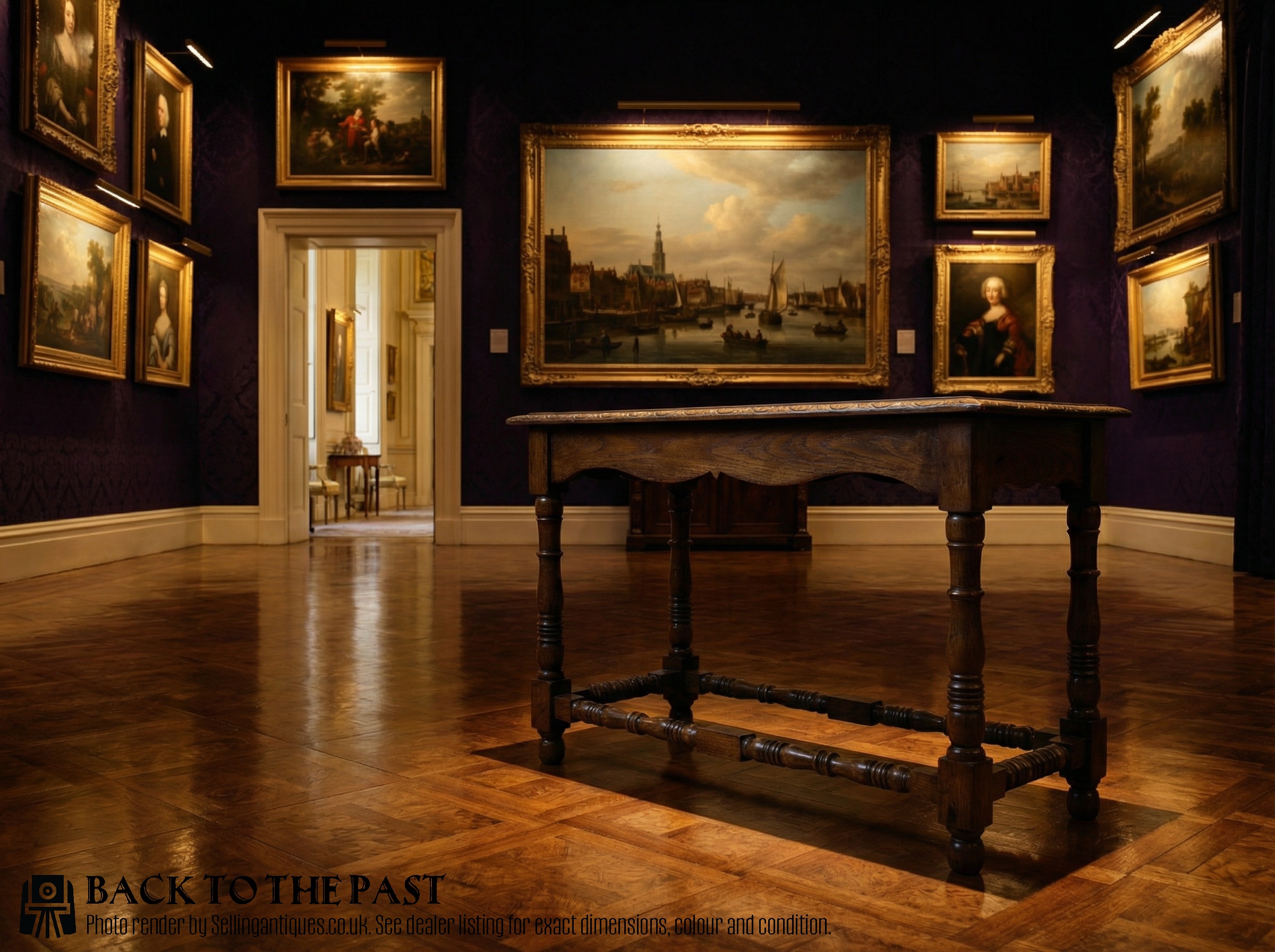
Oak Serving Console Table
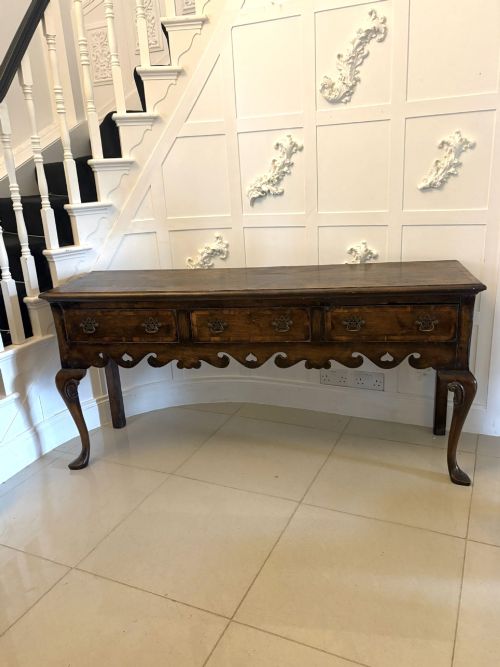
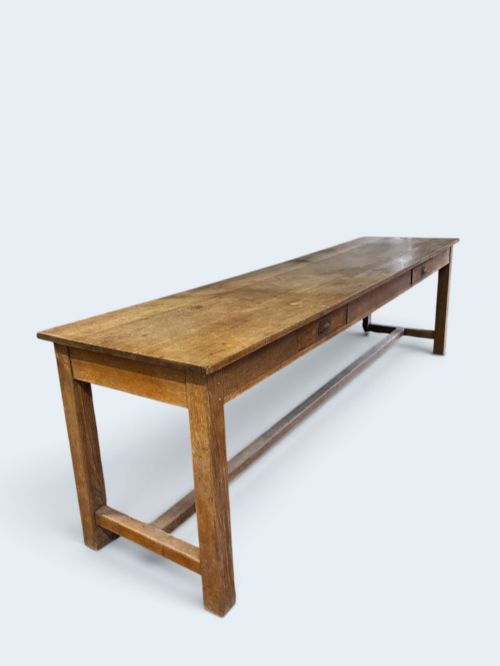
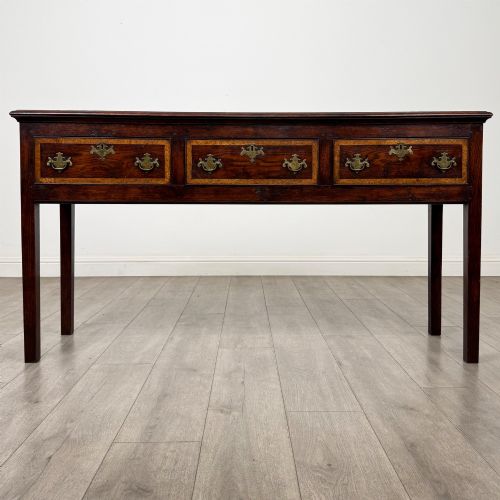
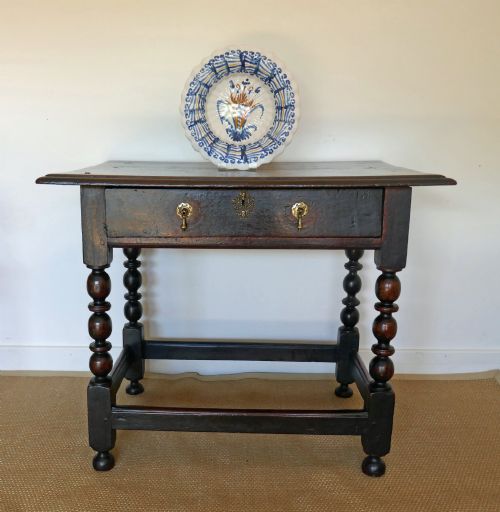
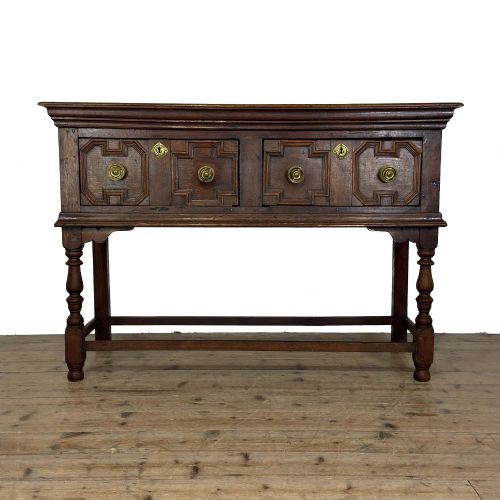
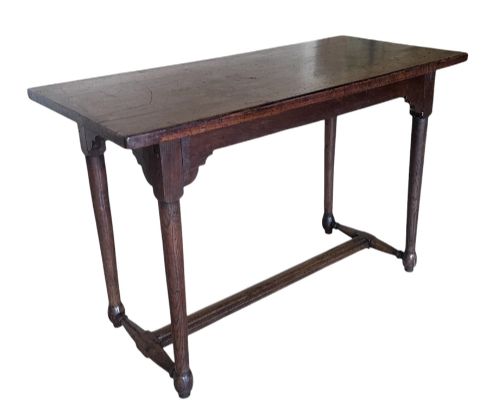
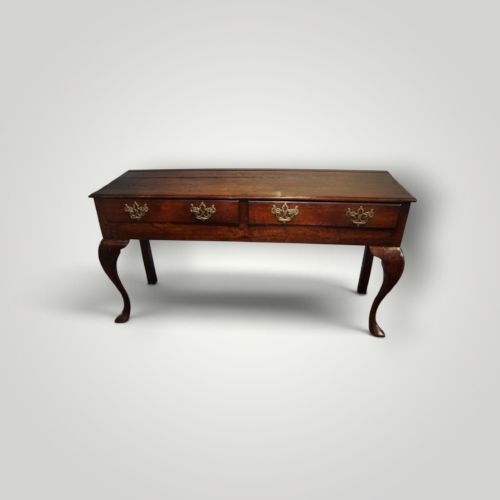
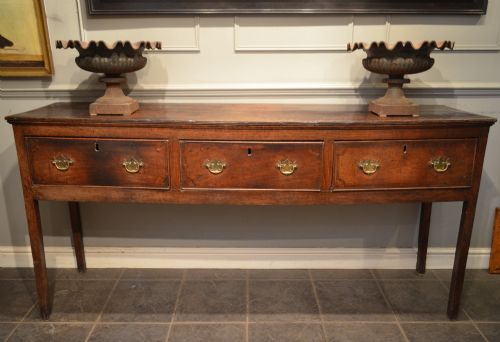
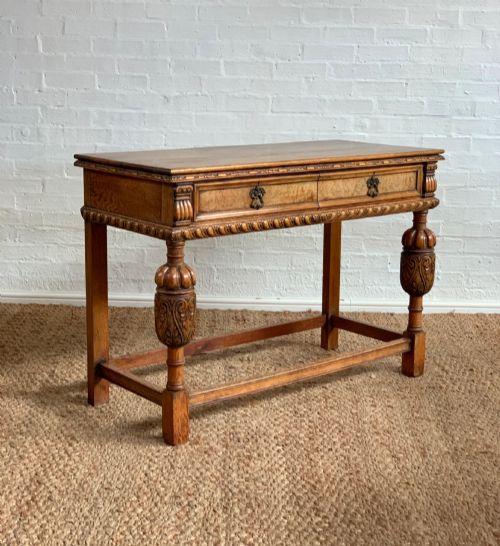
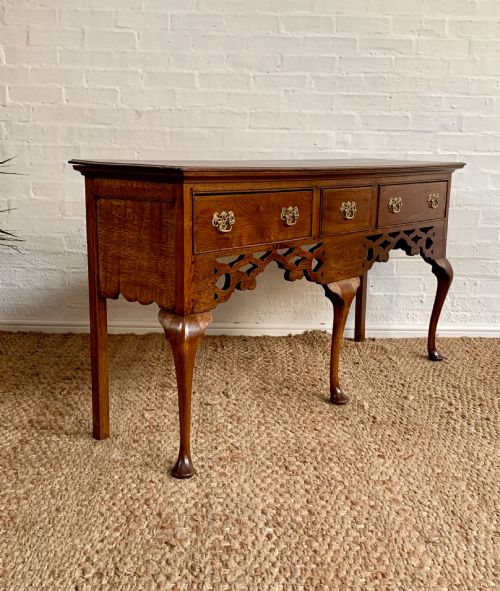
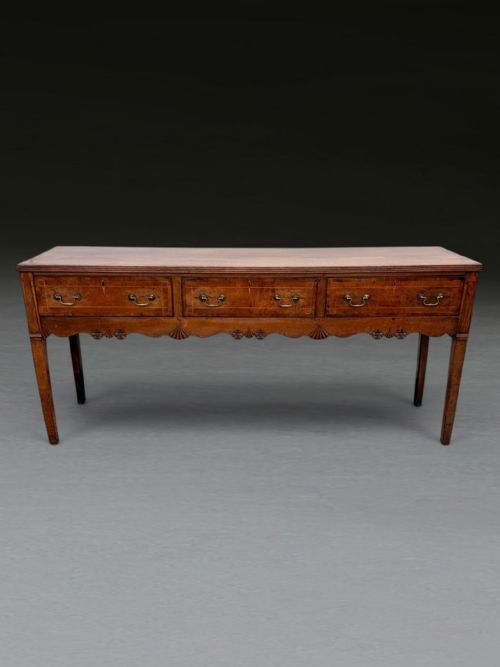
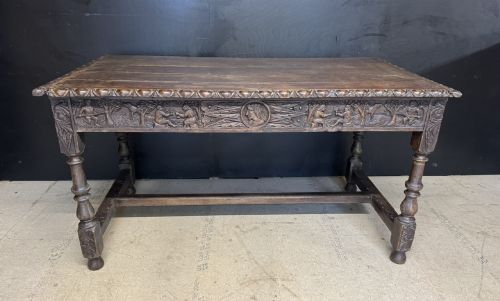
An oak serving console table covers a diverse group of heavy wooden furniture, spanning seventeenth-century origins through to the Edwardian period and nineteen-twenty. Buyers searching for an oak serving console table encounter forms that blur the lines between traditional side tables, dresser bases, sideboards, and refectory serving surfaces.
The pieces on offer draw from English, French, Spanish, Welsh, and Scottish traditions, reflecting both formal country house aesthetics and rustic provincial styles. Georgian designs appear alongside Jacobean revivals, Gothic Revival pieces, and Victorian interpretations.
Most examples function as long, narrow surfaces designed to stand against a wall in a dining room, hall, or living space. Many incorporate drawers, tiers, or carved ornamentation while retaining the core utility of a server.
What varies in quality
The standard of a piece depends heavily on the integrity of the timber, the depth and crispness of any carved detailing, and the proportion of the form. Early seventeenth-century examples rely on bold proportions and authentic period construction, whereas later revival pieces demonstrate varying degrees of decorative ambition.
Surface treatment and timber selection dictate the visual impact, from rustic country styles with simple boarded tops to finely figured George III or Victorian interpretations with drawers and tiered plate displays.
Keep an eye out for mysterious Green Man carvings glaring out from nineteenth-century Gothic revival serving tables.
Beresford and Hicks London
The Oak Serving Console Table Glossary
- Dresser base
- A low wooden sideboard or table featuring drawers and sometimes lower shelves, historically used for food preparation and serving.
- Refectory table
- A long, narrow dining or serving table traditionally utilised in monastic or large country house dining halls.
- Bobbin turning
- A form of lathe-turned furniture leg or stretcher resembling a string of spools or bobbins joined end to end.
- Gothic Revival
- A nineteenth-century architectural and decorative style incorporating medieval motifs such as tracery, pointed arches, and heavy carving.
Oak Serving Console Table: Frequently Asked Questions
What is an oak serving console table used for?
These tables function primarily as sideboards or serving surfaces in dining spaces, holding food, crockery, and silver during meals. In hallways and living rooms, they provide a narrow surface for lamps, books, and decorative objects.
Their substantial timber construction allows them to endure daily domestic use while anchoring the room visually against a wall.
How do I date an antique oak table?
Dating relies on examining the construction methods, tool marks, timber characteristics, and style markers present in the piece. Seventeenth-century examples often feature pegged joints and heavy proportions, while Georgian and Victorian pieces show more refined drawer construction and specific revival detailing.
Comparing the legs, handles, and secondary woods helps place the table within periods ranging from seventeen-hundred to the early twentieth century.
Are these tables solid oak?
The majority of listings feature solid oak construction, sometimes noted specifically in the descriptions alongside regional variants like bleached oak. Secondary timbers or backing boards may occasionally include pine or other regional woods depending on the origin.
Checking the grain pattern and underside reveals the nature of the timber used by the maker.
Where were these tables made?
The pieces originate from workshops across England, Scotland, Wales, France, and Spain, reflecting local domestic furniture traditions. Country house and provincial workshops adapted regional tastes, producing forms unique to areas such as Alsace, Spain, or rural Britain.
Stylistic cues and wood selection often point directly to the geographic origin of the workshop.