







Oak Press on Stand
These oak press on stand pieces are sturdy storage furniture and functional presses built from solid timber to last generations.
Oak Press on Stand
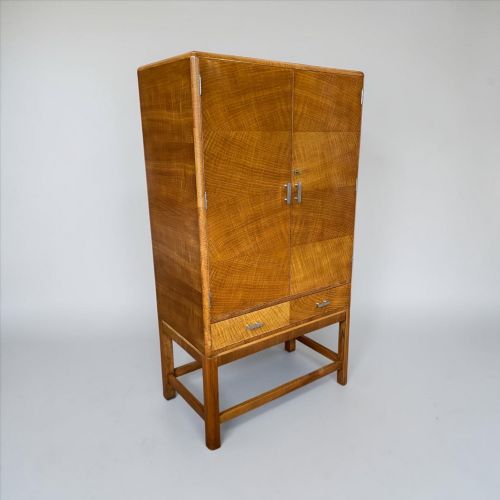
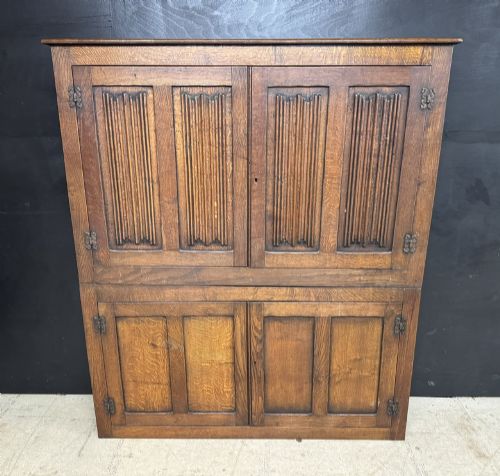
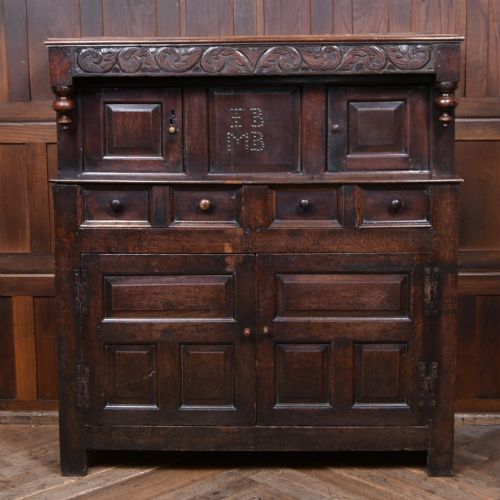
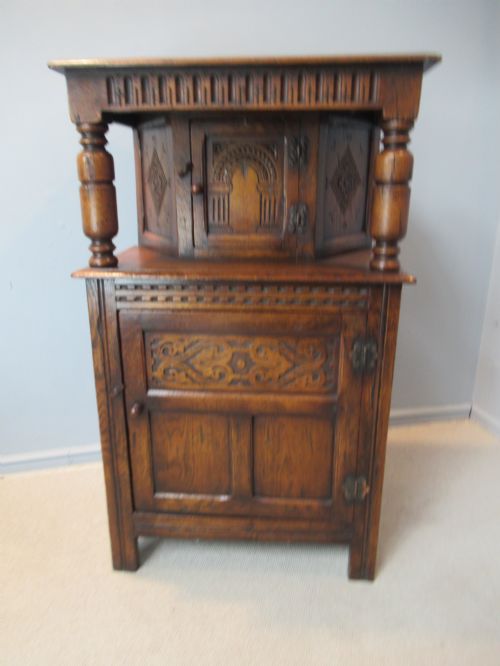
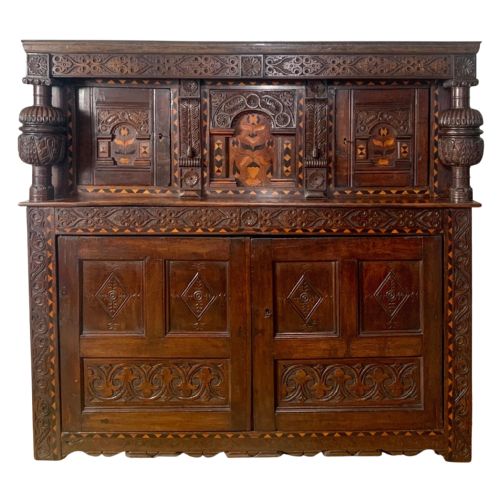
When you search for an oak press on stand, you are looking at heavy timber furniture designed for storage or pressing, often taking the form of court cupboards, livery cupboards, or screw-operated presses. The pieces on this page span several centuries, running from seventeenth-century provincial works up to twentieth-century revivals.
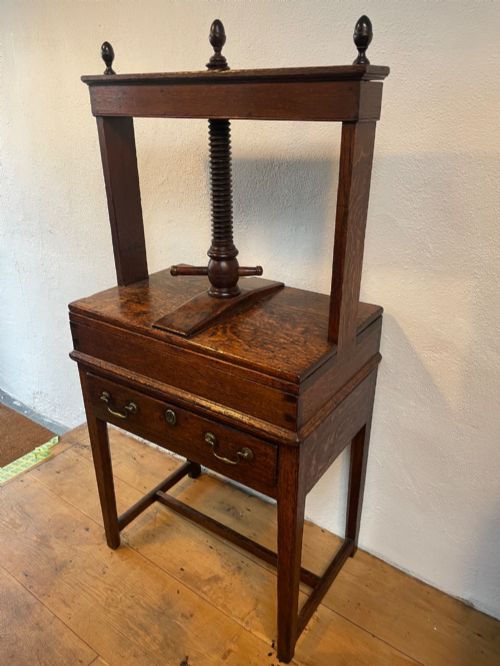
You are most likely to encounter traditional court cupboards and side cabinets alongside utilitarian book or linen presses fitted with heavy wooden or iron screws. These forms range from grand Elizabethan standing livery cupboards to smaller primitive country examples and Georgian iterations.
The materials recorded in these listings show a heavy reliance on native oak, frequently paired with elm, inlaid wood, and wrought iron hardware. Styles shift from early Jacobean carving and geometric panels through Georgian utility to later revival pieces.
Materials and construction
The primary material across these pieces is solid oak, supplemented by secondary timbers such as elm and diverse inlaid woods. Joinery relies on traditional pegged mortise and tenon construction, which provides the rigid frame necessary to support heavy upper tiers and functional mechanical screws.
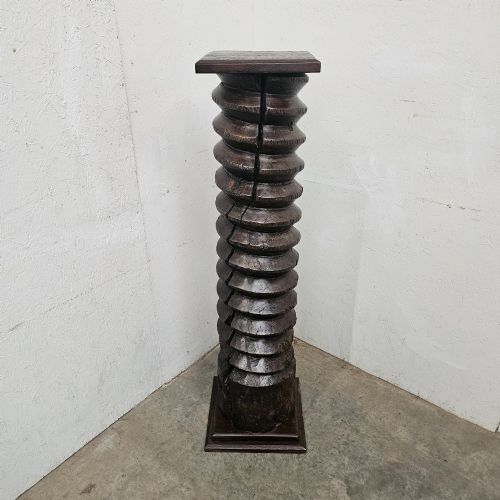
Metalwork plays a structural and decorative role, featuring forged iron hinges, blacksmith locks, and brass details. Press mechanisms incorporate heavy wooden or metal screws that demand precise alignment with the timber framing to operate smoothly.
Oak Press on Stand Retail Price Guide 2026
Typical asking prices for oak press on stand among the pieces listed under this phrase on Sellingantiques today, from the lower quarter to the upper quarter. They describe what is for sale here now, not the wider market.
The documented periods span from the sixteenth-century Elizabethan era through the Georgian period into the twentieth century.
Assessing quality and proportion
Quality in these items rests on the integrity of the timber, the depth and crispness of the period carving, and the survival of original structural elements. Superior examples retain their early surface patination, original blacksmith-made ironwork, and unmodified internal fittings.
Proportion and scale distinguish finer formal pieces from simpler provincial utility items. Well-balanced proportions in seventeenth-century court cupboards or George III linen presses indicate careful workshop design rather than rustic utility work.
The Oak Press on Stand Glossary
- Court cupboard
- A heavy open or enclosed storage piece dating mainly from the sixteenth and seventeenth centuries. These often feature carved decoration and tiered stages.
- Livery cupboard
- A traditional standing cupboard used originally for storing food or provisions. They frequently incorporate pierced panels or turned spindles for ventilation.
- Linen press
- A tall piece of case furniture with internal sliding trays or shelves used for storing garments. Many incorporate a mechanical screw press in the upper section.
- Screw mechanism
- A mechanical device using a threaded wooden or metal shaft to apply downward pressure. This is standard in book and linen presses to flatten items.
- Patina
- The surface sheen and colour developed by aged wood through handling, waxing, and exposure to light over centuries. A deep patina indicates untouched age.
Oak Press on Stand: Frequently Asked Questions
What is an oak press on stand?
An oak press on stand is a heavy wooden item combining storage cabinetry or a mechanical screw press with a supporting base or stand.
These pieces range from early carved seventeenth-century cupboards to utilitarian Georgian and Victorian presses built for domestic or workshop use.
How do I date an old oak cupboard?
Dating relies on examining the joinery methods, tool marks, timber selection, and style of carving or hardware. Seventeenth-century examples typically show pegged mortise and tenon joints and hand-riven panels.
Later revival pieces or nineteenth-century items often display machine-sawn timber or different construction tolerances that separate them from earlier work.
Were these pieces used for clothes?
Many cupboards and livery presses were designed to store textiles, linens, and garments in domestic settings. The enclosed compartments kept fabrics clean and protected from dust.
Presses with screw mechanisms served a dual purpose of storing and flattening linens or paper items under sustained pressure.
How do I care for antique oak furniture?
Antique oak benefits from stable room temperatures and protection from direct sunlight or excessive dry heat. Applying traditional beeswax helps nourish the timber and maintain the surface finish.
Avoid modern liquid polishes containing silicones, which can penetrate open grain and alter the natural appearance of the wood.