

Oak Plank Farmhouse Table
An oak plank farmhouse table brings honest utility and centuries of domestic history straight into a modern kitchen or dining room.
Oak Plank Farmhouse Table
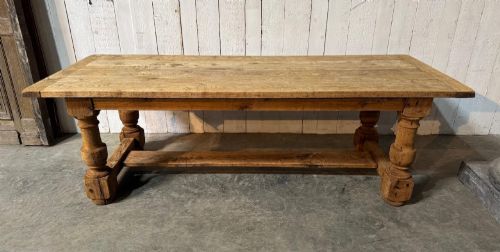
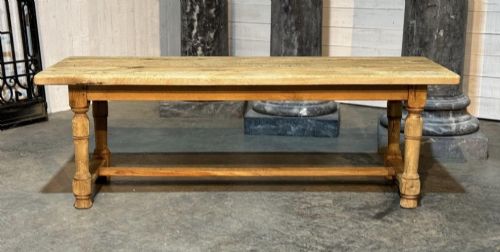
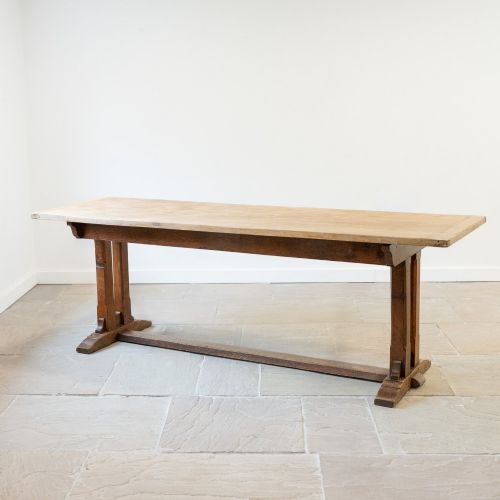
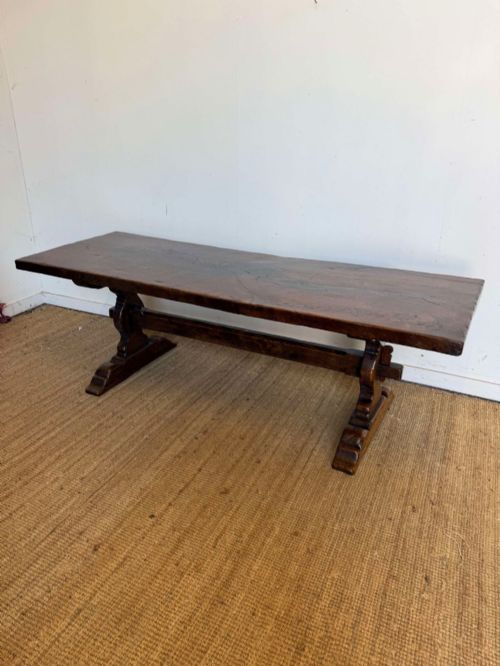
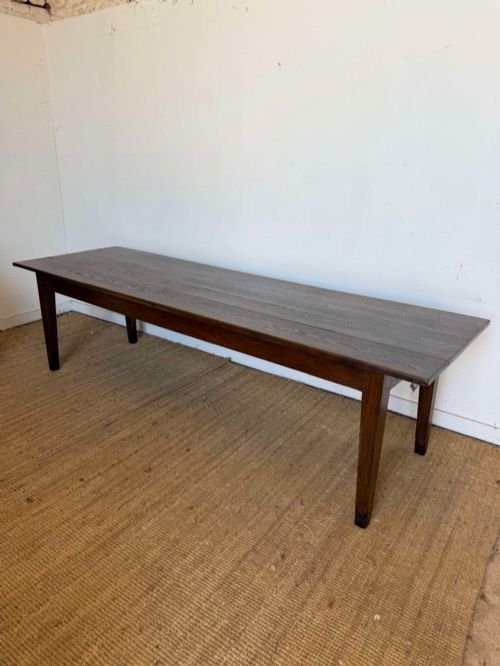
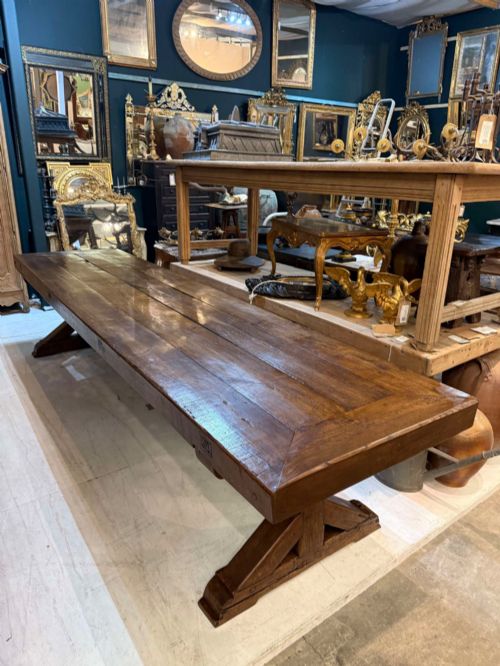
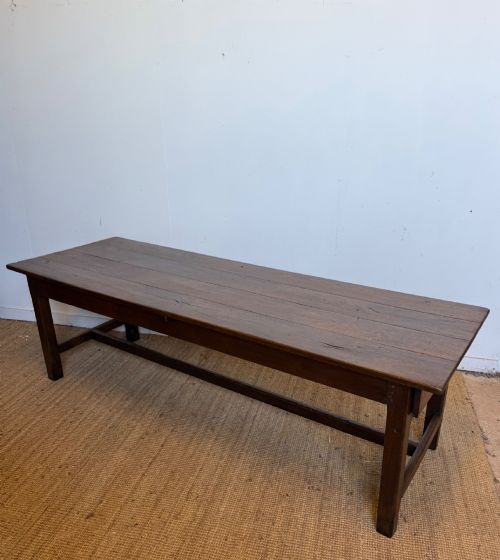
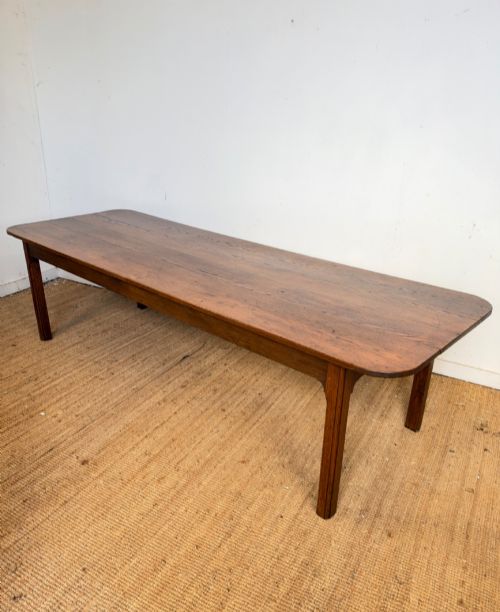
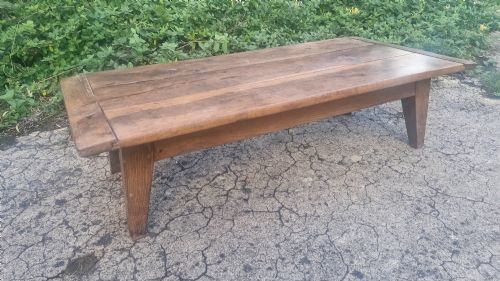
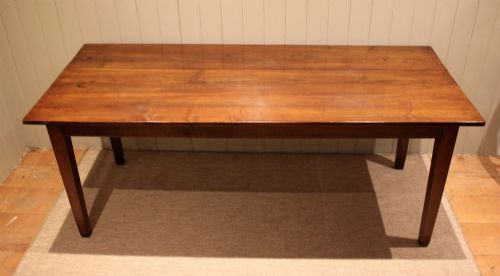
An oak plank farmhouse table stands as the working centrepiece of traditional domestic life, built to handle daily meals, food preparation and family gatherings without fuss. When searching for an oak plank farmhouse table, buyers encounter robust dining forms, kitchen tables and refectory styles stretching from the Georgian era through to the early twentieth century.
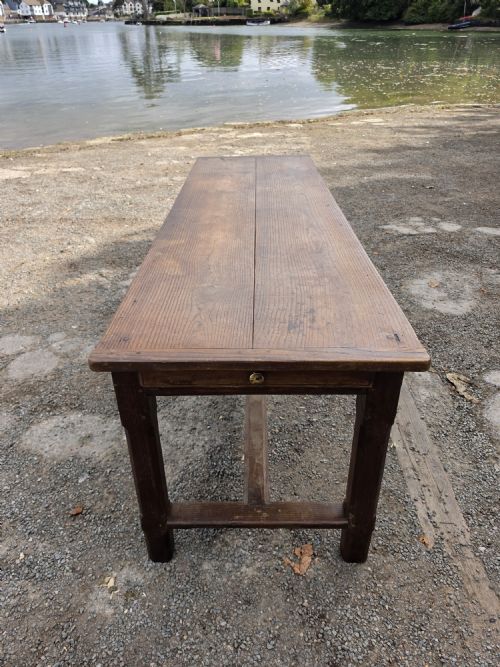
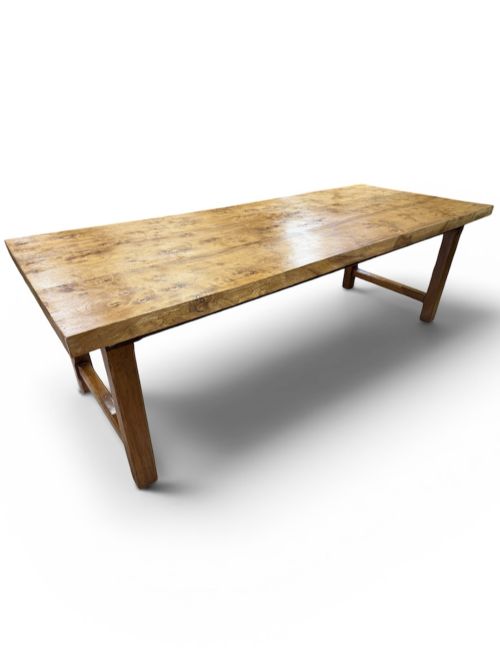
The pieces on this page appear in various regional guises, including English country examples, French provincial designs and Georgian formats. Many rely on thick timber tops composed of single, twin or triple planks joined together to create a wide, hard-wearing surface.
Makers historically designed these tables for heavy everyday use in farmhouses, taverns and country kitchens rather than formal reception rooms. Consequently, the surviving examples carry the marks of labour, time and generations of daily dining.
How they were made
Carpenters constructed these tables predominantly using solid oak, often supplemented with secondary timbers such as beech, elm or fruitwood for underframes and structural supports. Planks were hand-sawn and joined side by side, sometimes secured with wooden pegs or sturdy stretcher bases to prevent warping.
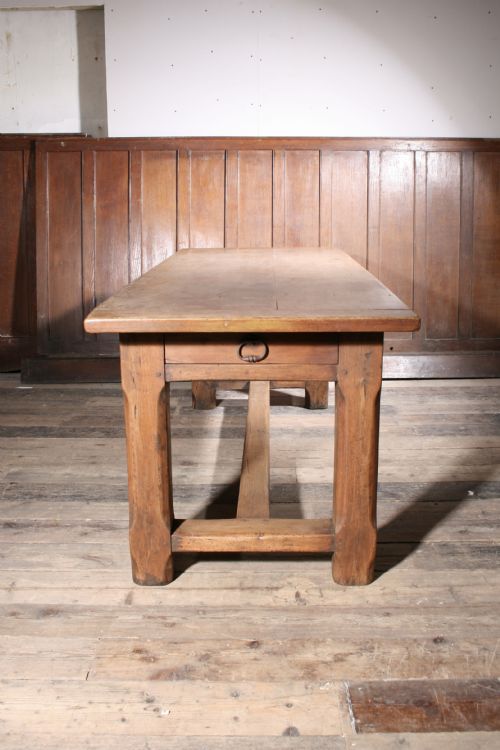
Makers occasionally incorporated functional elements like bread slides or side drawers directly beneath the table top for storing kitchen linens and utensils. Iron fixings appear in certain repairs or later adaptations, while traditional joinery methods ensure the heavy tops remain stable on their wooden legs.
Oak Plank Farmhouse Table Retail Price Guide 2026
Typical asking prices for oak plank farmhouse table among the pieces listed under this phrase on Sellingantiques today, from the lower quarter to the upper quarter. They describe what is for sale here now, not the wider market.
Listings feature oak, elm, beech and fruitwood across Georgian, Victorian and early twentieth-century periods.
What varies in quality
Quality in these tables rests primarily on the integrity of the timber top and the proportion of the structure. Tables formed from a single wide oak plank or two matched boards command particular attention due to the scarcity of such large trees.
The balance between the top and the underframe dictates the overall success of the piece, with sturdier legs and well-joined stretchers providing better long-term stability. Surviving patination, depth of colour and honest wear accumulated over generations also separate a standard utility table from an exceptional example.
The Oak Plank Farmhouse Table Glossary
- Plank top
- A table surface constructed from wide boards of solid timber joined together rather than a veneered sheet. This construction method defines the rustic character of country furniture.
- Refectory table
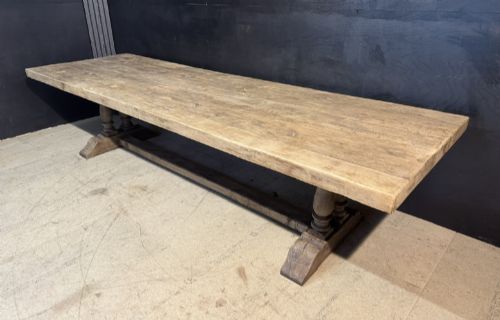
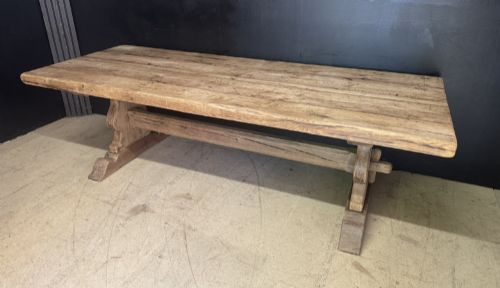
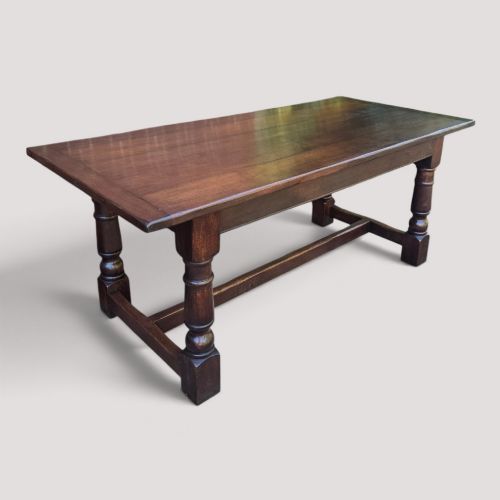
- A long, narrow dining table traditionally used in monastic dining halls and later adopted in domestic farmhouses. These pieces typically feature sturdy stretcher bases for added legroom and stability.
- Bread slide
- A pull-out wooden shelf integrated beneath the table top, historically used for cooling freshly baked loaves or expanding the workspace. They remain a sought-after feature in provincial French and English tables.
- Patina
- The deep, lustrous surface sheen developed on timber over decades of use, cleaning and exposure to light. A rich patina indicates genuine age and continuous handling.
- Tavern table
- A compact, heavy-duty table designed for commercial drinking and dining establishments rather than private homes. They share the robust oak construction typical of larger farmhouse examples.
Oak Plank Farmhouse Table: Frequently Asked Questions
How do I care for an oak table?
Maintain the timber by cleaning spills promptly with a damp cloth and avoiding harsh chemical sprays. Applying natural beeswax occasionally helps nourish the dry wood and preserve the surface sheen.
Keep the table away from direct heat sources and extreme humidity fluctuations to prevent the oak planks from splitting or bowing over time.
Can I seat guests comfortably?
Most of these long tables accommodate multiple diners along each side, particularly refectory and provincial formats designed for large households. Measuring the clearance beneath the apron ensures dining chairs fit properly underneath.
Consider the placement of table legs and stretchers when calculating how many chairs can fit along the length of the top.
How do I date an old table?
Examine the underside and joints for tool marks, such as pit-saw ridges or hand-planed surfaces, which indicate older manufacturing methods. The type of fixings, timber shrinkage and general wear patterns also offer clues to the period of origin.
Compare the leg style, stretcher arrangement and edge mouldings with known stylistic traits from the Georgian era or Victorian period.
What is a refectory style?
A refectory style refers to an elongated rectangular table format supported by sturdy legs linked near the floor by horizontal stretchers. This design provides exceptional rigidity for heavy daily use.
Originating in large communal dining halls, the style translates easily into domestic kitchens where family dining requires a stable, hard-wearing surface.