


Oak Pedestal Cabinet
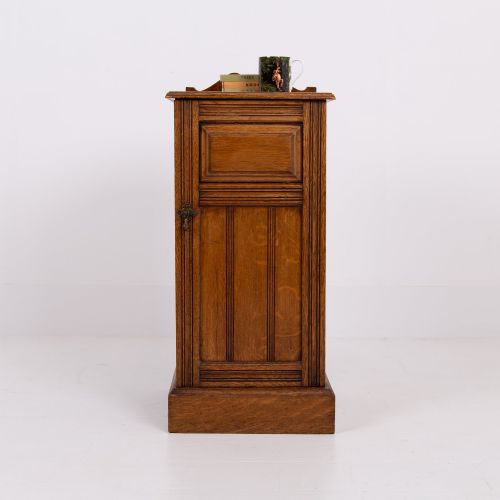
An oak pedestal cabinet brings robust timber and upright storage to a room, offering the practical floor footprint and enduring character that collectors value.
Oak Pedestal Cabinet
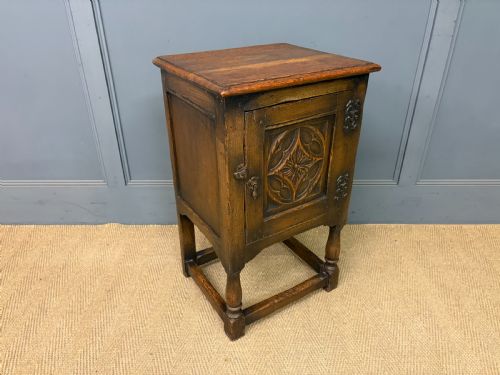
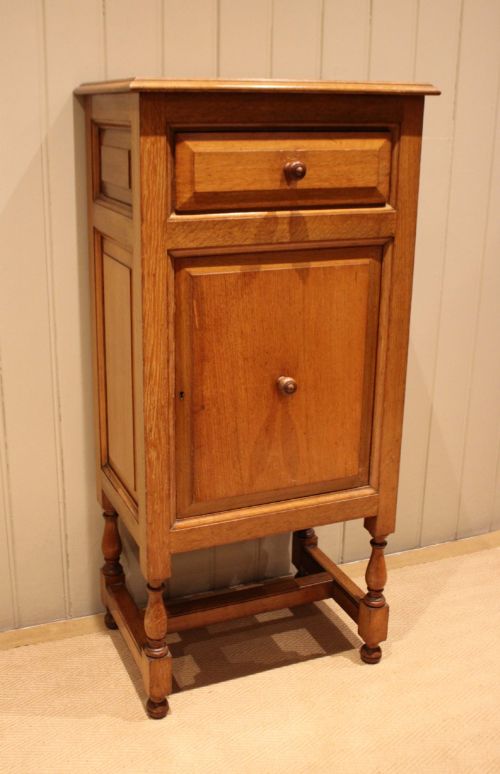
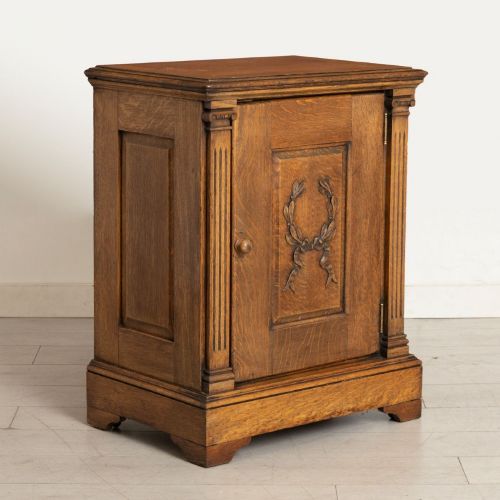
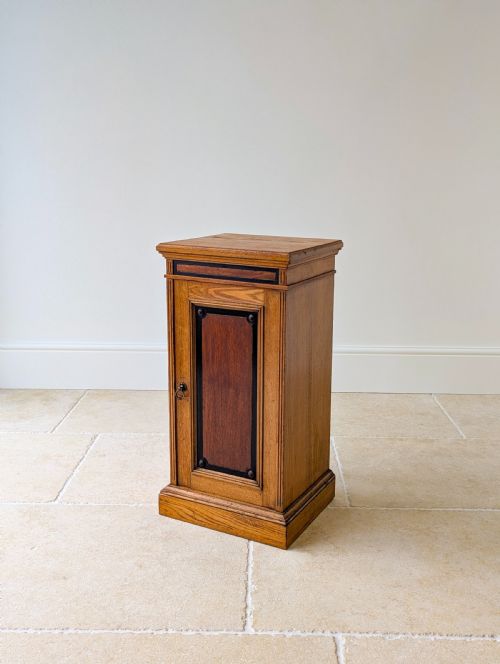
An oak pedestal cabinet is a vertical storage piece designed to occupy minimal floor space whilst providing substantial internal capacity. These items emerge from the nineteenth and twentieth centuries, spanning periods such as the Victorian, Edwardian, and Art Deco eras.
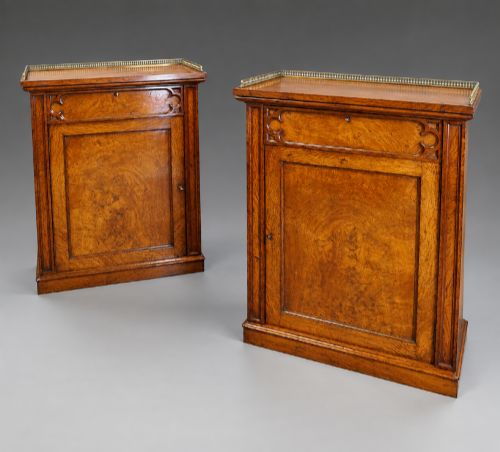
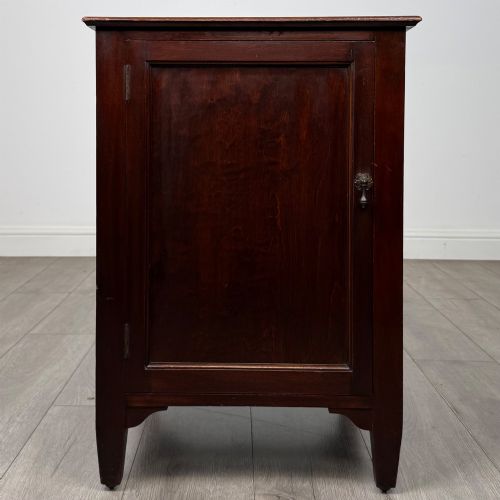
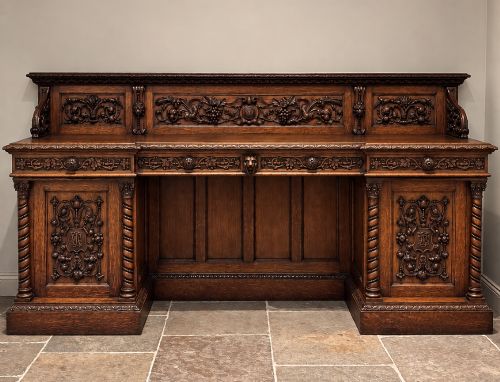
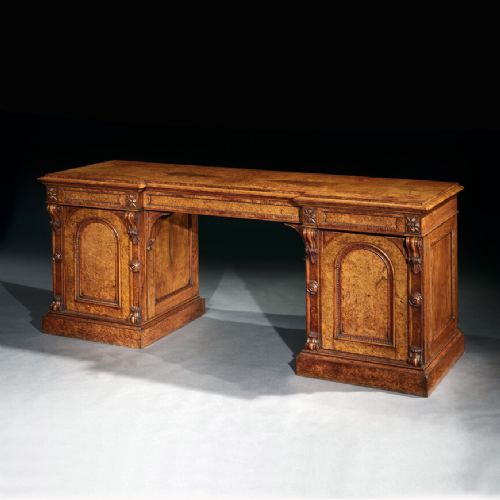
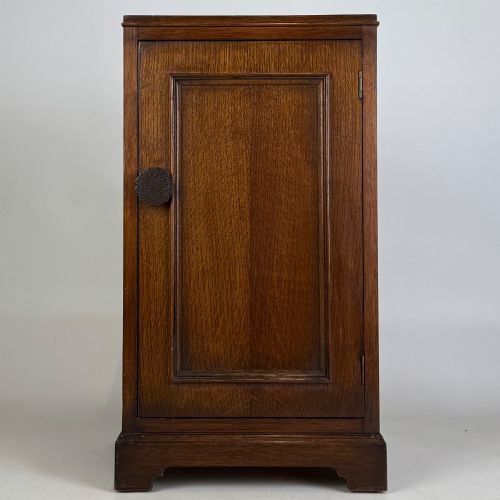
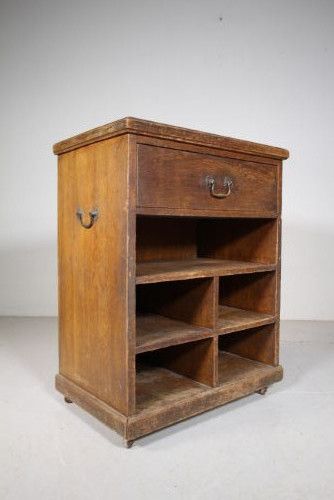
The pieces encountered in this category range from bedside cupboards and filing units to larger sideboards and desks featuring pedestal configurations. Most examples utilise solid oak or pollard oak timbers, often displaying styles from Gothic Revival to Arts and Crafts.
Buyers will find that Victorian and Edwardian iterations dominate the selection, frequently incorporating brass hardware or panelled doors. Each piece reflects the functional requirements of its original domestic or office setting.
Materials and Construction
Cabinet makers relied primarily on oak, supplemented by pollard oak, pine, and walnut for secondary woods or decorative veneers. Iron and brass hardware, including handles, hinges, and locks, provided structural reinforcement and functional operation.
Joinery techniques involved traditional framing, dovetailing, and mortise and tenon joints to ensure stability across tall vertical structures. Carved ornamentation, linenfold panels, and tambour fronts required specialist hand-tool work by period artisans.
A persistent Victorian cabinet maker once carved a Green Man grimacing out from a desk pedestal, keeping watch over the paperwork.
Markers of Quality
Quality in an oak pedestal cabinet rests on the selection of timber, particularly the grain figuration seen in pollard oak examples versus standard plain sawn boards. Superior pieces exhibit crisp hand-carved detailing and well-executed joinery that remains tight and true over generations.
The integrity of internal fittings, such as original brass locks, sliding tambour mechanisms, and properly fitted drawers, separates workshop standards. Better examples retain their original surface finishes and patination without excessive intervention or inappropriate modern replacements.
James Shoolbred·Simpson Halifax
The Oak Pedestal Cabinet Glossary
- Pollard oak
- Timber taken from trees that were pollarded, producing a highly figured, mottled grain pattern prized for decorative cabinet fronts. This material appears frequently on mid-nineteenth-century pieces.
- Tambour front
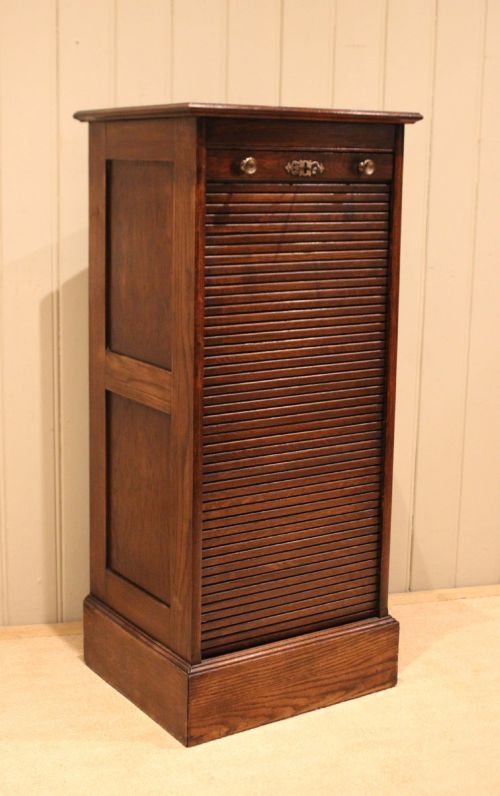
- A series of narrow wooden slats glued to a canvas backing, allowing a door to slide smoothly around a curved track. This mechanism is common in filing cabinets and desks.
- Gothic Revival
- An architectural and decorative style drawing on medieval forms, featuring pointed arches, tracery, and heavy carving. It is a dominant stylistic influence in Victorian cabinet making.
- Aesthetic Movement
- A late nineteenth-century design approach that emphasised visual beauty over moral narrative, often incorporating simplified lines and ebonised details. Pieces in this style reject heavy Victorian ornamentation.
- Pedestal configuration
- A freestanding vertical format where a central cupboard or stack of drawers sits on a plinth or set of feet. This design maximises vertical storage relative to floor space.
Oak Pedestal Cabinet: Frequently Asked Questions
Where were these cabinets typically used?
These cabinets served primarily in studies, bedrooms, and grand dining rooms as functional storage for papers, linen, or wine. Their upright footprint suited domestic spaces where floor area was at a premium.
Commercial offices also utilised taller pedestal filing variants to manage correspondence and ledgers securely during the late nineteenth and early twentieth centuries.
How do I identify a Victorian piece?
Victorian examples often display heavier carvings, darker finishes, and styles ranging from Gothic Revival to Aesthetic Movement. Look for construction methods typical of the period, such as hand-cut dovetails and solid timber carcases.
Hardware like brass drop handles and mortise locks further helps confirm the nineteenth-century origin of the cabinet.
How should I care for oak furniture?
Maintain oak surfaces by applying traditional beeswax periodically to nourish the timber and preserve the historic patination. Avoid placing cabinets near direct heat sources or in fluctuating humidity to prevent wood splitting.
Dust regularly with a soft, dry cloth rather than using silicone-based polishes that can degrade the finish over time.
What is the difference between Edwardian and Victorian styles?
Edwardian cabinets generally exhibit lighter proportions, simpler lines, and brighter oak tones compared to their heavier Victorian predecessors. The earlier nineteenth-century pieces lean towards deep, dark finishes and elaborate carved ornamentation.
Later Edwardian and early twentieth-century designs favour functional efficiency, seen in tambour fronts and versatile bedside or office configurations.