


Oak Low Cocktail Table
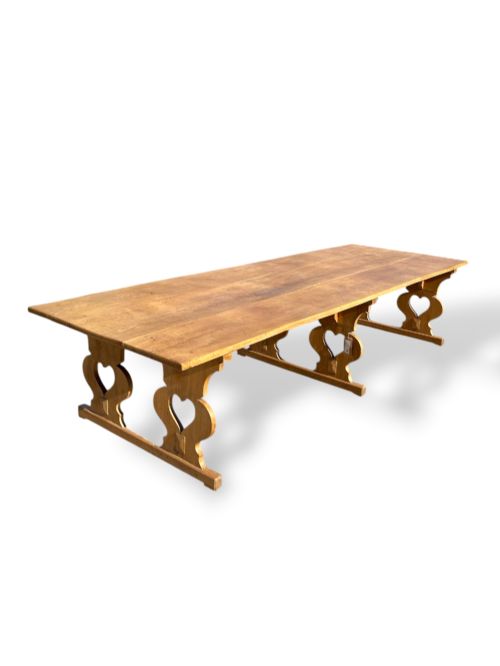
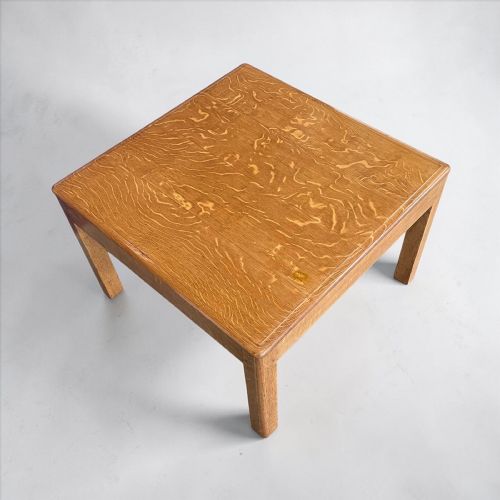
An oak low cocktail table anchors a room with sturdy timber character, offering both enduring utility and distinct period presence.
Oak Low Cocktail Table
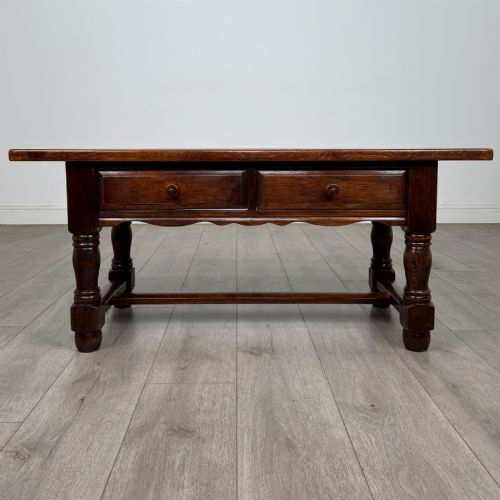
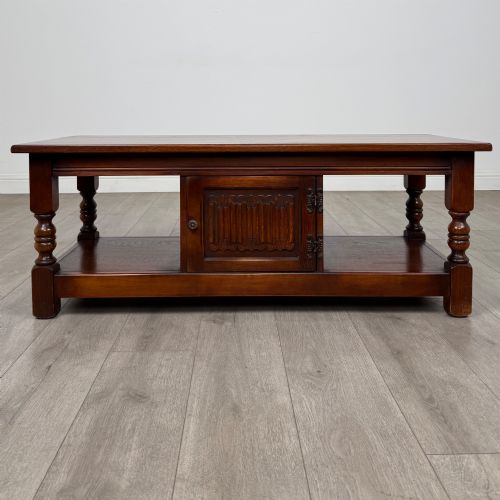
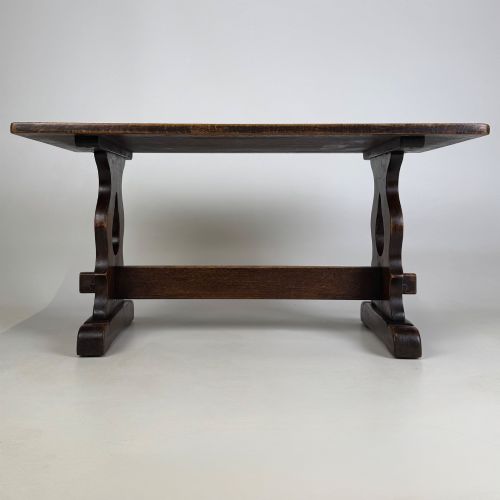
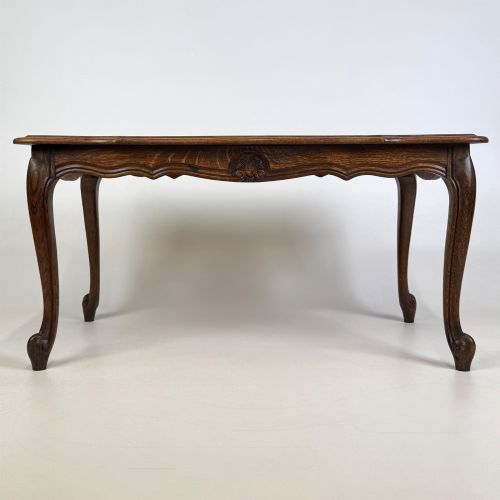
Buyers on this page are most likely to meet Edwardian and 1920s examples alongside larger nineteenth-century English pieces. Common formats range from small rectangular tables to very large pale surfaces, occasionally featuring turned legs or side drawers for storage.
The materials and construction reflect solid timber work, sometimes paired with leather, metal, brass, iron, paint, or glass. While English origins dominate the selection, French and Dutch examples also appear, showing bleached pine or painted finishes alongside natural golden oak.
Materials and construction methods
Makers built these tables using solid oak timber, frequently showcasing the natural grain in golden, pale, or darker tones. Construction methods relied on traditional joinery to handle daily use as a low surface in the home.
Secondary materials such as brass, iron, and metal hardware appeared on select items for handles or structural reinforcement, while leather inserts and glass tops provided specialised upper surfaces. Surface finishes varied from carved details and painted treatments to bleached or waxed oak.
Period styles represented across the selection include Jacobean Revival, Rustic Farmhouse, Arts and Crafts, French Country, and Art Deco.
Assessing quality in period low tables
Quality in these tables rests upon the selection of the timber and the integrity of the joinery rather than ornate decoration alone. Superior examples display carefully chosen oak grain, balanced proportions, and robust construction that withstands generations of use.
The presence of considered details, such as well-executed carved elements, integrated side drawers, or documented makers like Betty Joel, separates standard utility items from notable pieces of furniture.
Betty Joel
The Oak Low Cocktail Table Glossary
- Jacobean Revival
- A nineteenth-century style drawing on seventeenth-century English motifs, often featuring heavy turning, paneling, and dark oak.
- Arts and Crafts
- A design movement valuing honest construction, visible joinery, and the natural qualities of materials like solid oak.
- Edwardian
- Dating from the reign of King Edward VII, this period produced lighter furniture designs that often adapted earlier historical styles.
- Turned legs
- Table supports shaped on a lathe to create cylindrical, spiral, or bulbous profiles.
- Bleached pine
- Timber treated to lighten its natural colour, frequently seen in continental European furniture.
Oak Low Cocktail Table: Frequently Asked Questions
What periods do these tables come from?
These tables originate from the nineteenth and early twentieth centuries, spanning the Victorian era, the Edwardian period, and the 1920s.
Stylistic influences also reach back into revival movements such as Jacobean and French Country designs.
How were low tables used historically?
While earlier centuries used low tables primarily for specialised domestic tasks, nineteenth and twentieth-century examples served as central furnishings for sitting rooms.
They held books, decorative objects, and refreshments, adapting to changing social habits in the home.
How do I care for an oak table?
Solid oak surfaces benefit from regular dusting with a dry cloth and occasional treatment with appropriate natural waxes to nourish the timber.
Avoiding direct heat sources and excessive moisture protects the finish and prevents the wood from warping.