
Oak Gothic Hall Chair
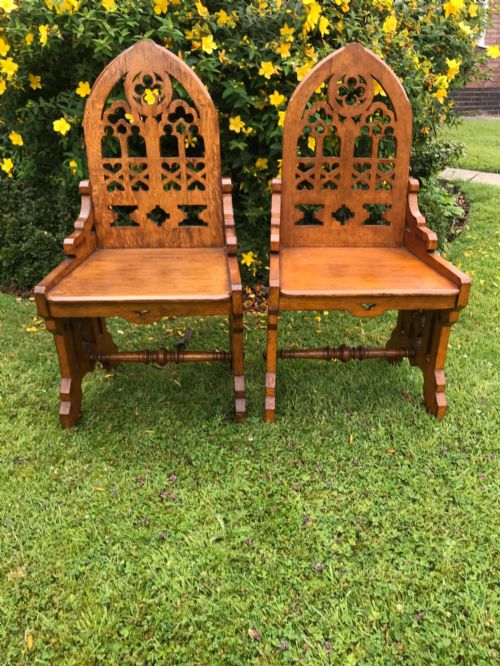
An oak gothic hall chair brings architectural timber and pointed arches directly from the nineteenth century into an entranceway.
Oak Gothic Hall Chair
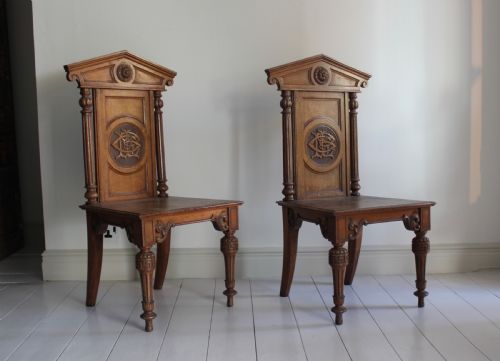
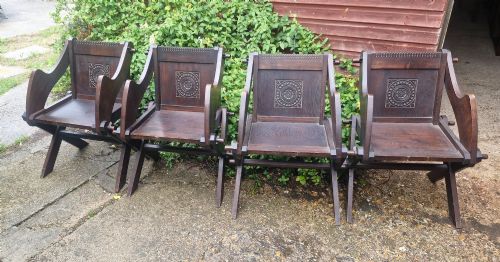
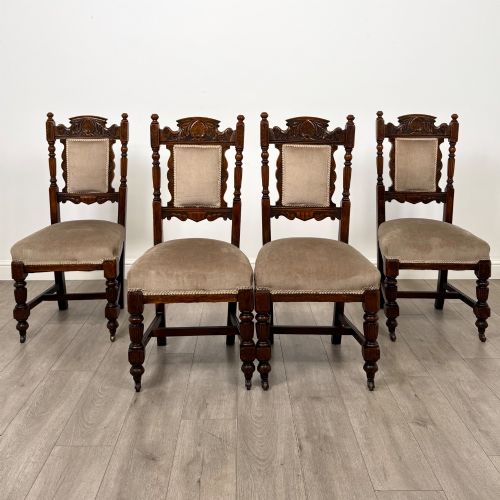
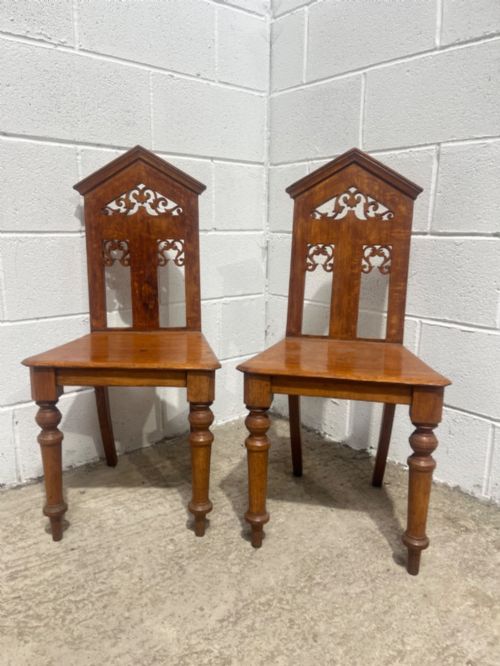
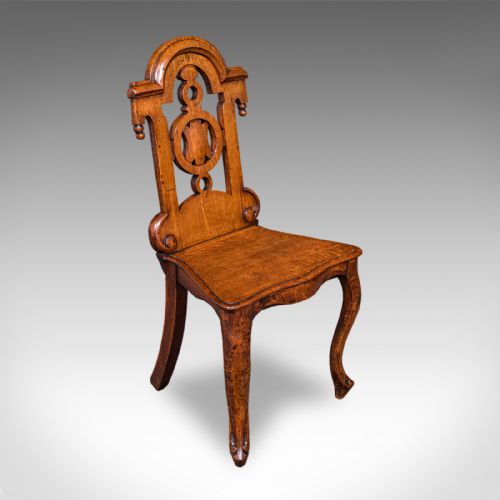
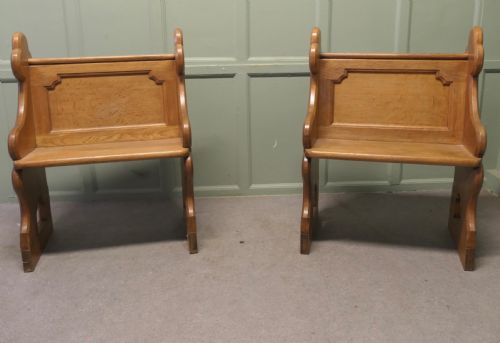
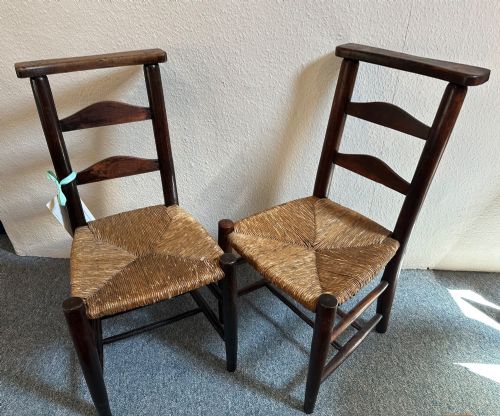
An oak gothic hall chair is a rigid wooden seat designed for an entrance passage, vestibulary space or reception room, drawing heavily on medieval ecclesiastical architecture. The pieces met most frequently on this page belong to the Victorian era and the broader nineteenth century, often appearing as matched pairs or small sets rather than isolated examples.
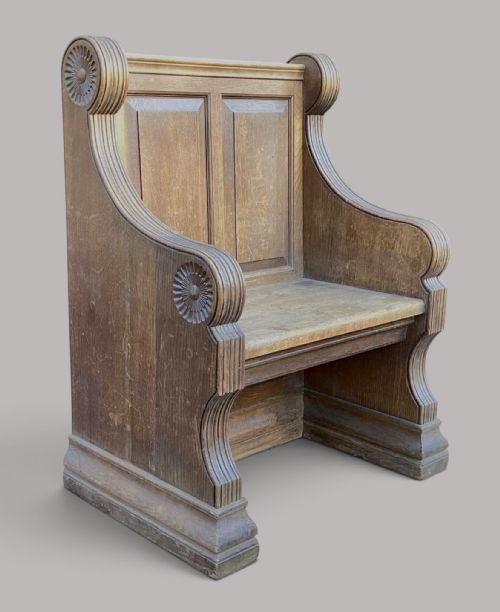
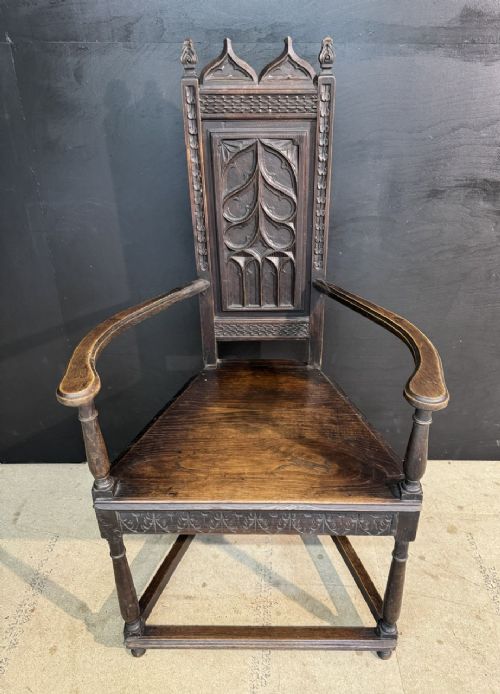
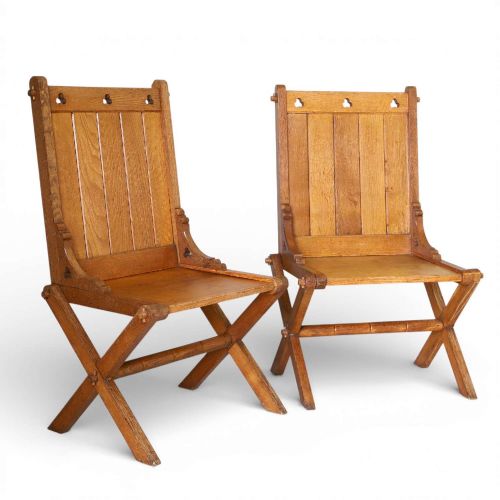
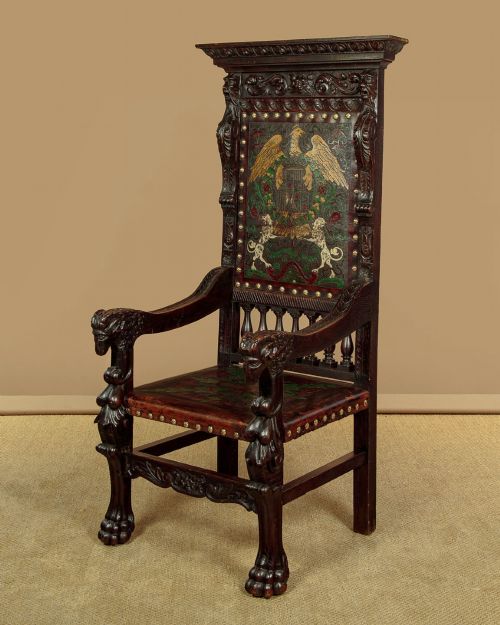
Beyond standard side chairs, the category encompasses taller throne chairs, architectural hall seats, and armchairs displaying distinct trefoil or lancet details. Makers drew inspiration from the Gothic Revival and Arts and Crafts movements, producing heavy timber seating intended to project historical authority.
While many examples remain strictly domestic, others carry provenance linking them directly to chapels, cathedrals or institutional commissions. They serve today as dramatic accent seating that anchors an interior through sheer presence and historical weight.
How They Were Made
These chairs rely almost entirely upon solid oak, selected for its dense grain and structural rigidity to support deep chisel work. Joinery was typically pegged and tenoned to withstand heavy daily use in busy corridors without loosening.
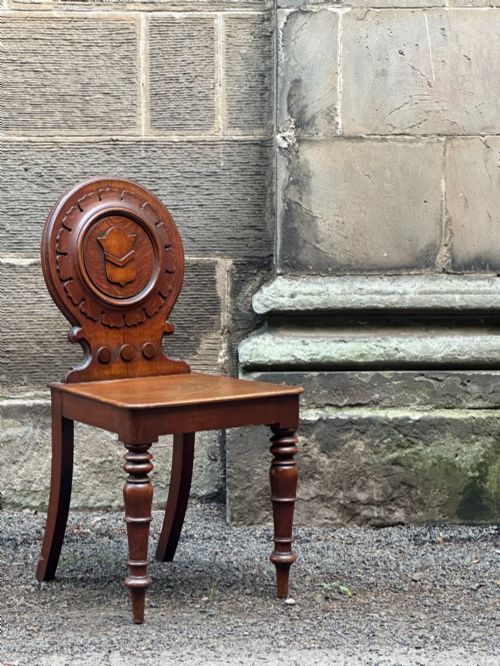
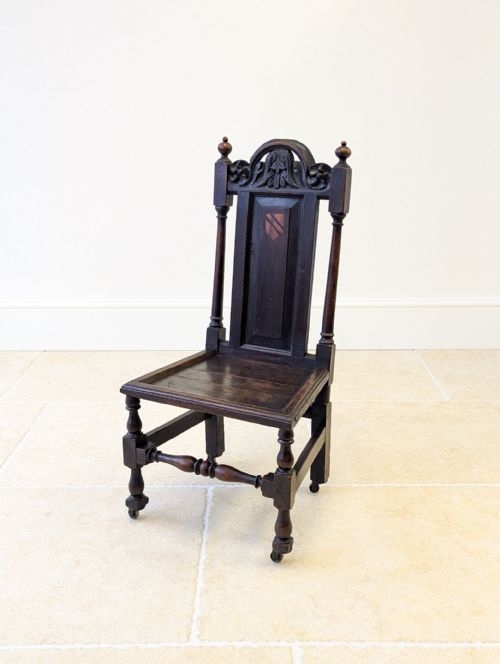
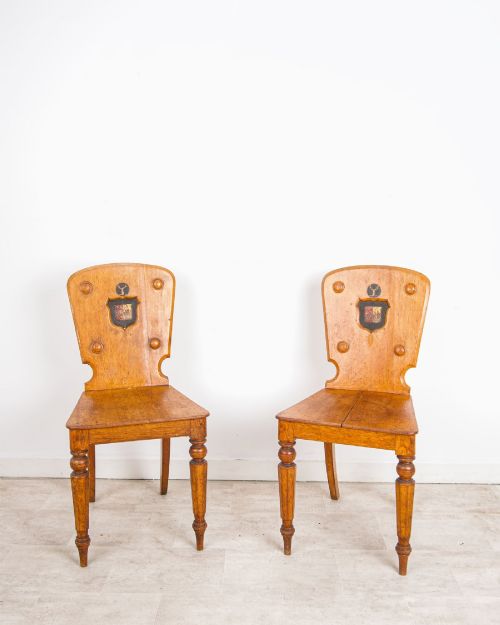
Carving formed the primary decorative technique, executed by hand to render intricate tracery, linenfold panels, and heraldic shield backs. Certain workshops incorporated secondary materials such as brass studs, stamped leather, or velvet to pad the seats and backrests.
Several heavy nineteenth-century frames bear direct stamps from St Paul's Cathedral, proving these ecclesiastical seats spent their youth dodging choirboys.
What Varies in Quality
Quality rests primarily in the ambition of the architectural design and the crispness of the hand carving across the frame. Superior examples display deep, three-dimensional relief work on the crest rail and back panel rather than shallow, mechanical stamping.
The integrity of the timber selection also separates standard production from exceptional pieces, with quarter-sawn oak showing prominent medullary rays indicating superior milling. Furthermore, documented provenance or discernible workshop attribution elevates an ordinary seat into a collector piece.
Gillows of Lancaster·Bruce Talbert·Liberty and Co
The Oak Gothic Hall Chair Glossary
- Gothic Revival
- An architectural and decorative movement reviving medieval forms, pointed arches, and ecclesiastical motifs. It dominated nineteenth-century design across domestic and public furniture.
- Trefoil
- A graphic ornament composed of three overlapping rings or lobes resembling a clover leaf. This motif frequently perforates the wooden backs of these seats.
- Wainscot
- A heavy wooden armchair featuring a solid panelled back and box seat construction. These early forms influenced later nineteenth-century revival seating.
- Curule
- An ancient X-shaped structural frame adopted by Renaissance Revival designers for ceremonial armchairs. It provides a distinct curule silhouette compared to four-legged side chairs.
- Linenfold
- A carved wooden relief panel imitating folded cloth or linen fabric. Cabinetmakers utilised this texture extensively on medieval and revival furniture panels.
Oak Gothic Hall Chair: Frequently Asked Questions
Where were oak gothic hall chairs placed?
These rigid wooden seats were historically positioned in entrance halls, corridors, and landings to serve visitors waiting briefly before entering the main rooms of a house.
Their upright proportions and shallow seats discouraged lingering, functioning primarily as architectural furniture rather than lounge seating.
How do I identify a nineteenth-century example?
Examine the timber closely for hand-cut joinery marks, peg construction, and the dense grain characteristic of mature nineteenth-century English oak.
Look for authentic ecclesiastical motifs such as blind tracery or trefoil cutouts that reflect the prevailing Gothic Revival taste of the period.
Can I use these chairs for daily dining?
While structurally robust, most historical hall chairs were built for appearance and upright posture rather than relaxed dining comfort.
If utilised around a table, pair them with custom squab cushions to soften the rigid timber seats during long meals.
What is the difference between side and throne chairs?
Side chairs are armless, lighter formats designed to line a hallway wall in pairs or sets without obstructing narrow spaces.
Throne chairs feature substantial arms, taller backs, and heavier architectural carving intended to anchor a room as a focal point.