



Oak Glass Display
These oak glass display pieces bring practical storage and clear visibility to books and collectables, grounding a room with honest timber.
Oak Glass Display
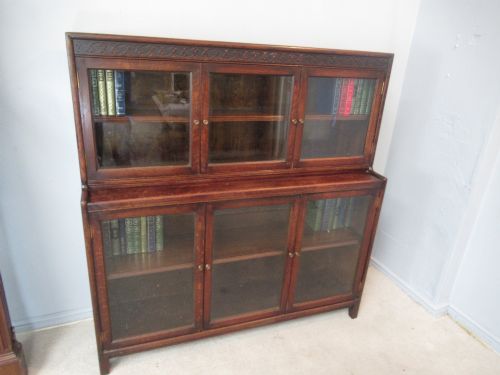
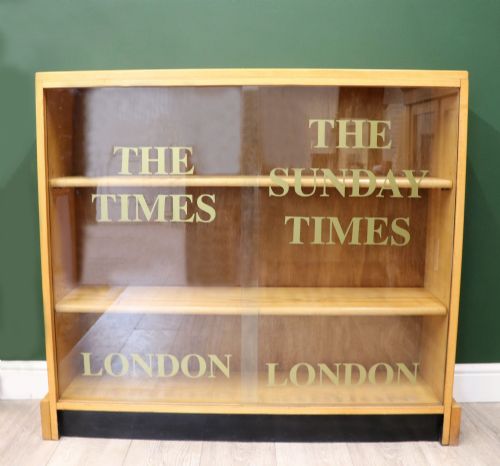
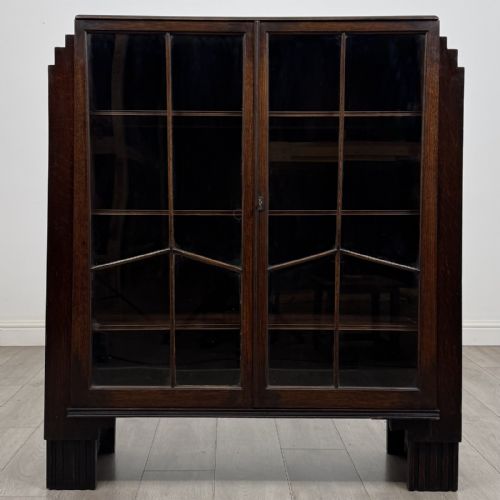
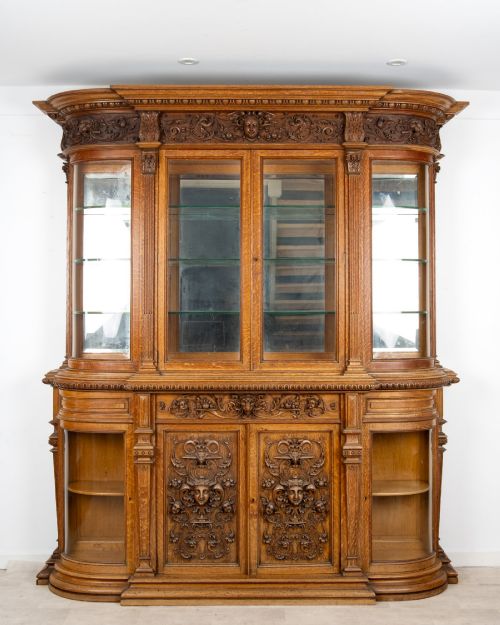
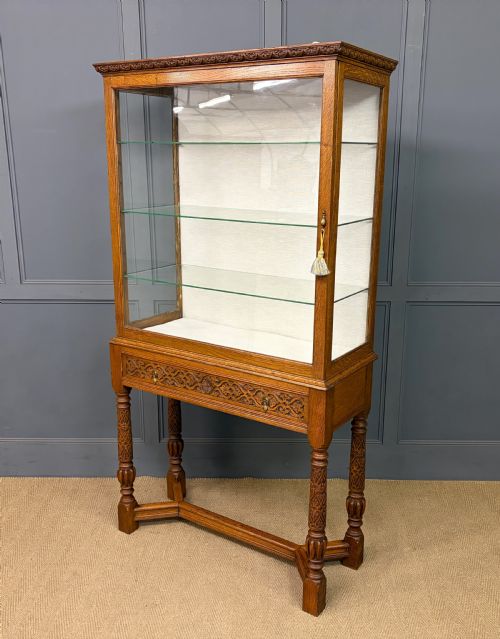
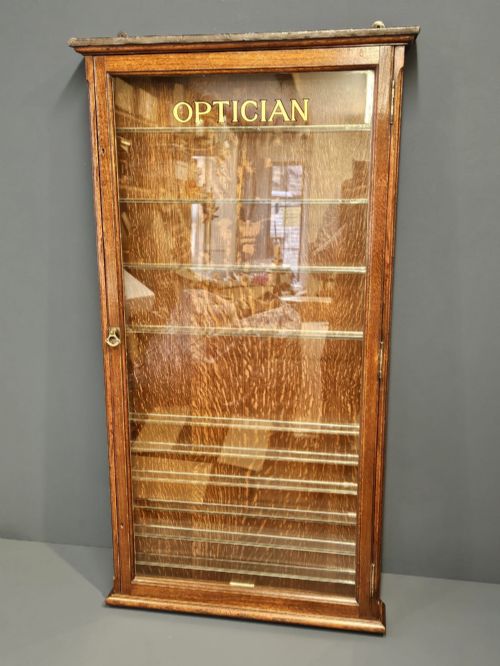
When searching for oak glass display, buyers encounter cabinets, bookcases, and shop fittings spanning the Victorian era through the Edwardian period and into the Art Deco years of the twentieth century. These domestic and commercial vessels house china, books, and curiosities behind protective transparent panels.
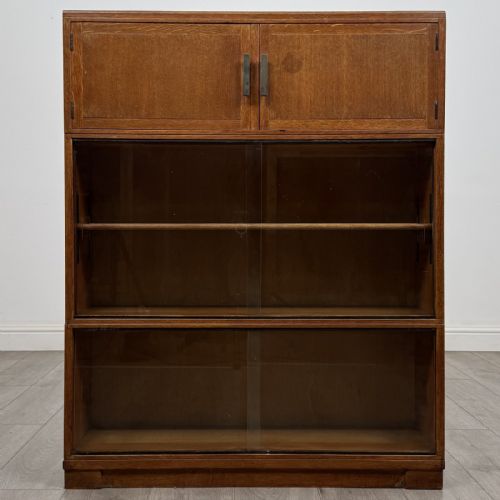
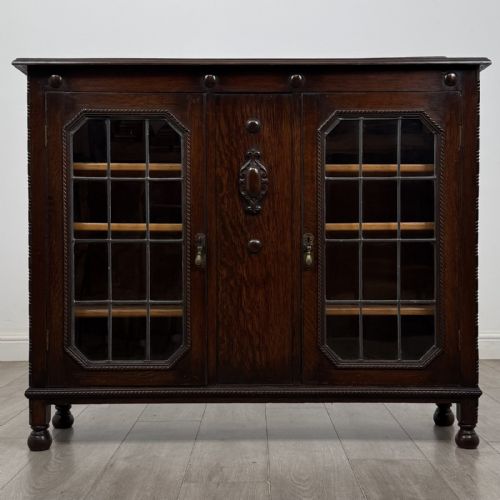
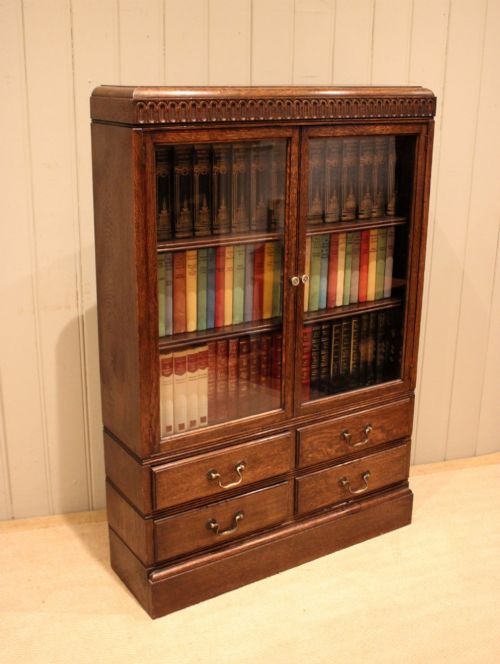
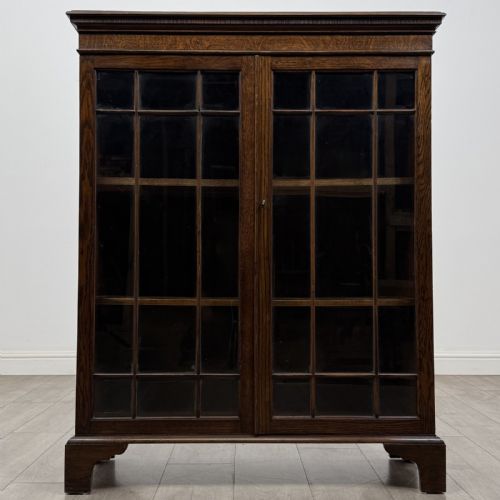
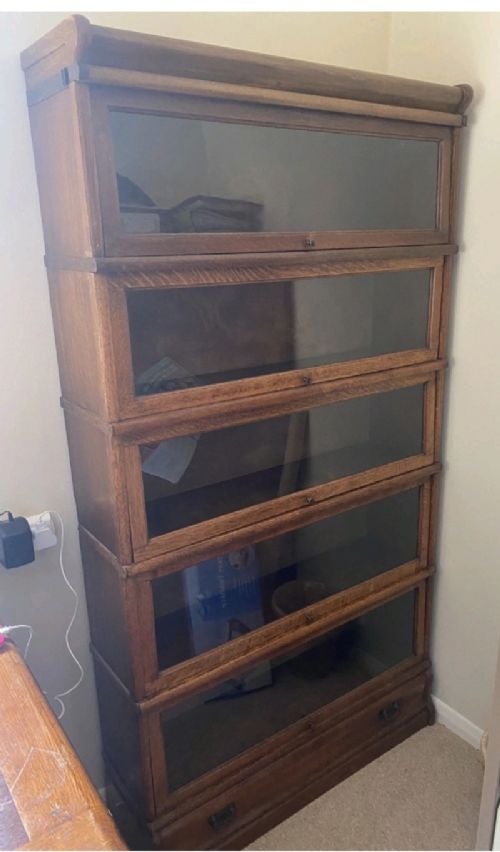
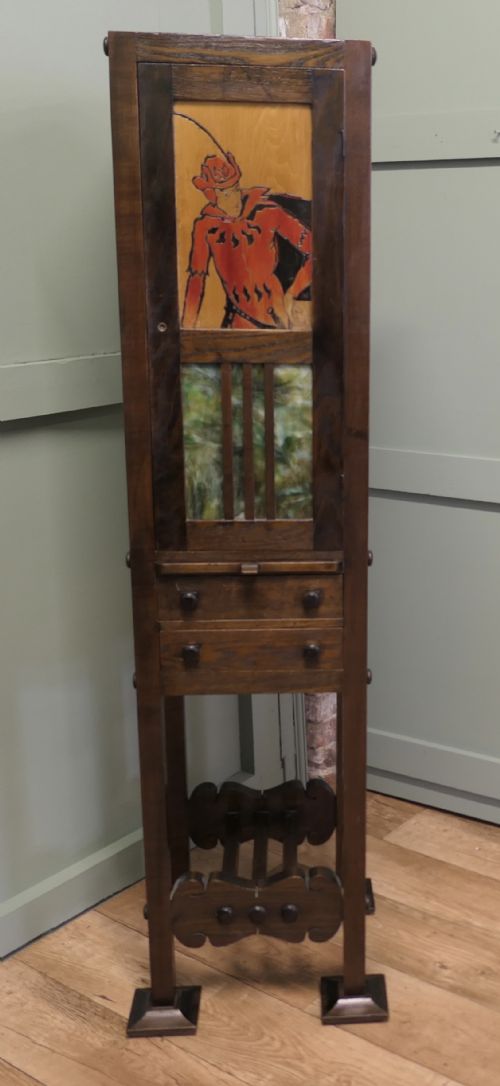
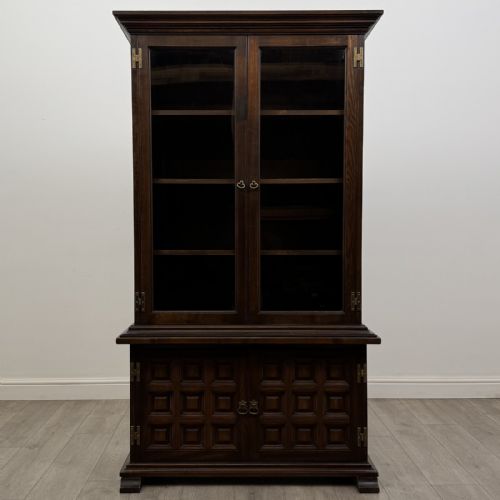
The version most commonly met on this page is the Edwardian or nineteen-twenties glazed cabinet, often featuring leaded glass or sliding doors. Sectional stacking bookcases and tall standing cabinets also appear frequently, reflecting the domestic storage needs of the early twentieth century.
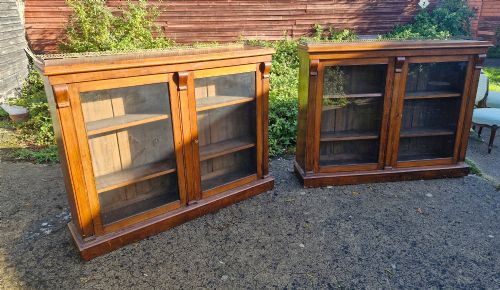
Earlier nineteenth-century examples lean towards substantial carved architectural forms, while later pieces adopt cleaner geometric lines or revival styles. The overarching constant across all eras is the combination of sturdy timber framing with glazed viewing areas.
Materials and construction
Makers built these pieces primarily using solid or veneered oak, paired with plain, bevelled, or leaded glass panels. Brass and iron hardware, including locks, hinges, and handles, provide mechanical function and structural reinforcement to the timber bodies.
Joinery methods range from traditional mortise and tenon frames to patented stacking mechanisms found in modular bookcases. Carved details, linenfold panels, and applied mouldings frequently decorate the exterior surfaces, showing the hand of the cabinetmaker or the influence of specific design movements.
Oak Glass Display Retail Price Guide 2026
Typical asking prices for oak glass display among the pieces listed under this phrase on Sellingantiques today, from the lower quarter to the upper quarter. They describe what is for sale here now, not the wider market.
Listings feature oak storage pieces spanning from the eighteenth century through the Art Deco movement, incorporating mahogany, brass, and leaded glass.
Material integrity and proportion
Quality separates along the line of timber selection and the crispness of execution in carved or linenfold panels. Superior examples display carefully matched grain patterns and robust internal framing that supports heavy glass doors without sagging.
Hardware integrity also marks the upper tier, where original locks, functioning mechanical dispensers, or branded maker mechanisms remain intact. The clarity of the glass, whether standard plate or decorative leaded panes, completes the visual standard of the piece.
Minty of Oxford·Hobbs and Co·Shapland and Petter·Liberty and Co·F Sage and Co·Dudley and Co
The Oak Glass Display Glossary
- Lenedfold
- A carved wood panel moulding designed to imitate the folds of vertical linen cloth. It appears frequently on Edwardian cabinet doors.
- Globe Wernicke
- A brand of modular sectional barrister bookcase popular in the early twentieth century. These units stack independently with glass lifting doors.
- Leaded glass
- Small panes of glass held together by strips of lead cames. This technique creates decorative geometric or floral patterns across cabinet doors.
- Haberdashery counter
- A commercial shop display fixture featuring glass panels and drawers designed to showcase small wares. They adapt well to domestic interior display.
- Barograph
- A meteorological instrument housed in an oak case with bevelled glass panels. It records atmospheric pressure continuously onto a paper chart.
Oak Glass Display: Frequently Asked Questions
What fits inside an oak glass display?
These cabinets house a range of items, from bound volumes and china collections to textiles and retail curiosities. Adjustable shelving in many models accommodates varying heights of objects.
Deep cupboards and stacking sections allow owners to separate visible display areas from enclosed lower storage compartments.
How do I care for antique oak?
Maintain the timber by keeping pieces away from direct heat sources and sudden humidity shifts that cause wood to warp. Regular dusting with a dry, soft cloth preserves the finish.
Occasional application of appropriate wax feeds the grain without building up heavy residues on carved or flat surfaces.
Are stacking bookcases stable?
Modular stacking bookcases rely on interlocking modular sections that sit securely upon a dedicated base plinth. Each tier functions independently with its own glazed lifting door.
They offer flexibility in height while maintaining structural balance when assembled correctly against a wall.
How do I spot an Edwardian cabinet?
Edwardian oak cabinets often feature lighter golden tones, subtle inlaid stringing, or linenfold panels influenced by Arts and Crafts ideals. The hardware typically uses cast brass with simpler linear decoration than heavy Victorian counterparts.
Glazed doors from this era frequently employ leaded framing or bevelled edges to catch the light.