


Oak Framed Chair
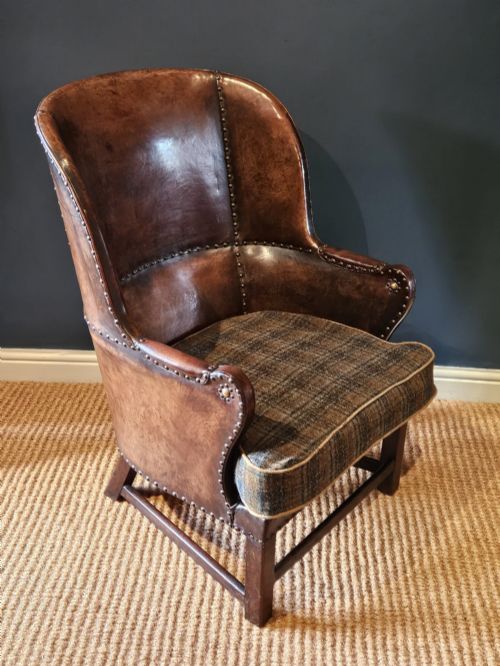
An oak framed chair brings a sturdy presence to a room, offering enduring timber construction combined with upholstery in leather, velvet, or fabric.
Oak Framed Chair
An oak framed chair encompasses a broad assortment of seating, ranging from substantial library armchairs to delicate side chairs and dining sets. Buyers seeking an oak framed chair encounter pieces shaped by various design movements, notably Victorian and Edwardian revivals alongside earlier vernacular styles.
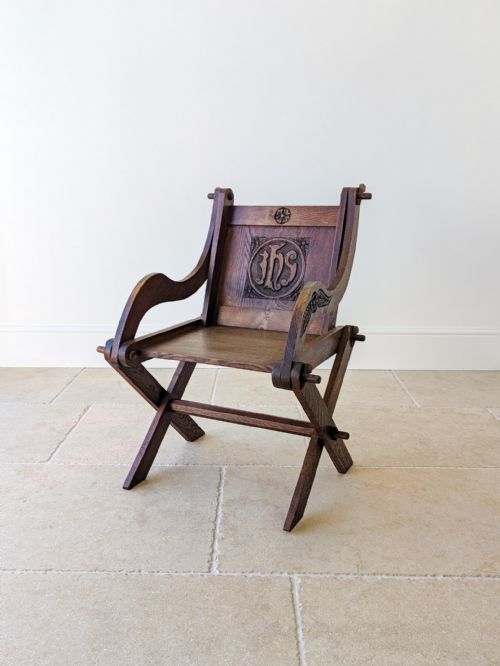
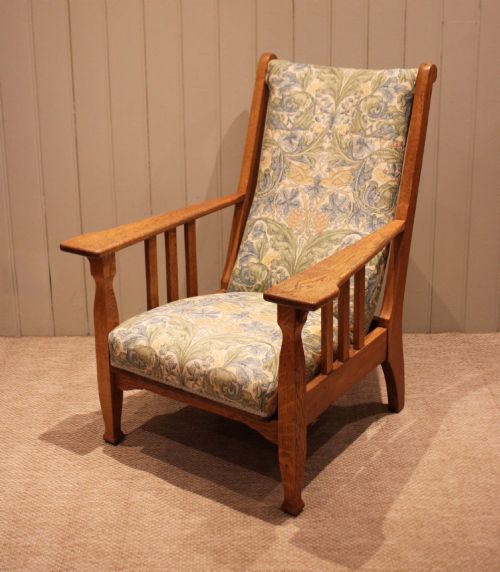
The selection here draws heavily from nineteenth-century and early twentieth-century production, frequently manifesting as Gothic Revival, Arts and Crafts, or Jacobean interpretations. Form follows function across these examples, appearing in formats such as rocking chairs, desk chairs, and low seat bedroom chairs.
Materials and Methods
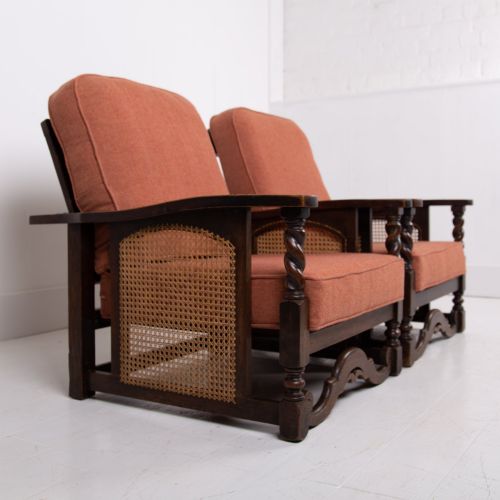
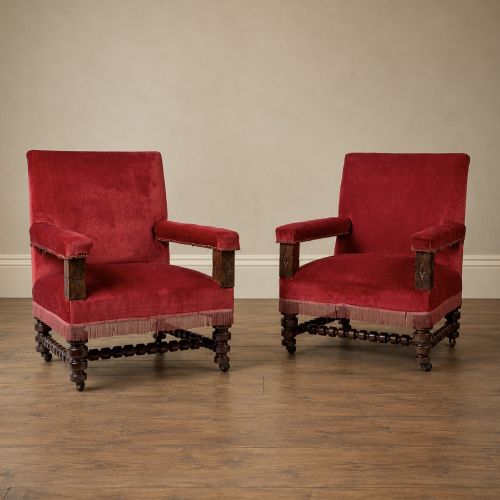
Construction relies primarily upon solid timber frameworks built from sturdy oak, joined through traditional framing techniques and frequently enhanced with carved details or turned components like bobbin framing. Many examples incorporate secondary materials such as brass fittings, metal accents, or cane panels to accent the timber structure.
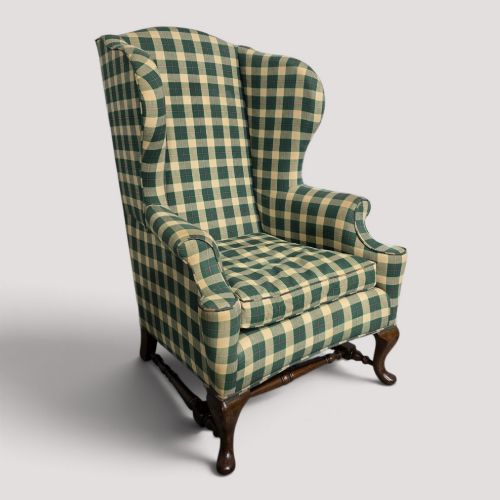
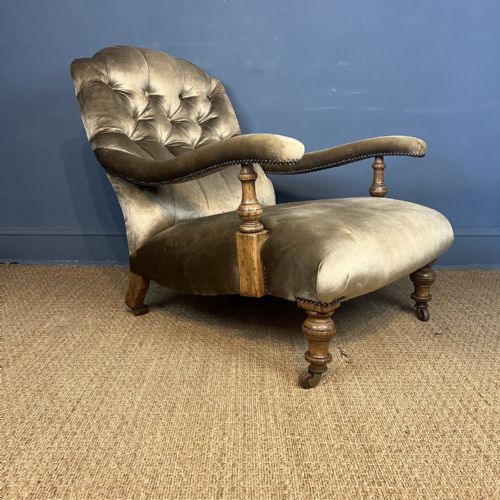
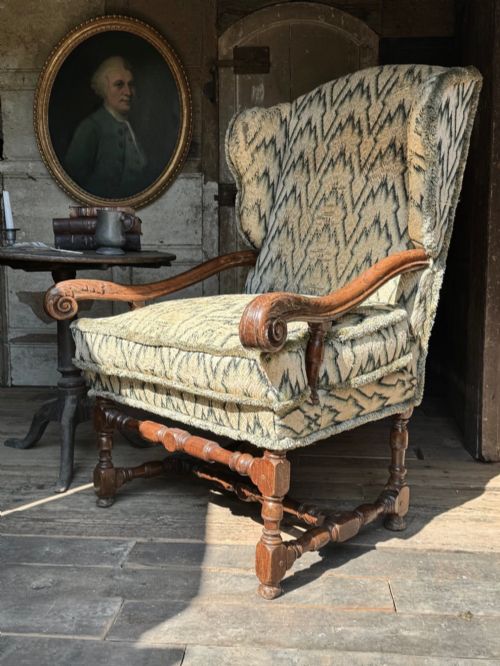
Upholstery forms a vital component for numerous seats in this category, utilising leather, velvet, and textile coverings secured over padding. The integration of textiles with exposed wood frames defines the visual and tactile character of these chairs across different periods.
Oak Framed Chair Retail Price Guide 2026
Typical asking prices for oak framed chair among the pieces listed under this phrase on Sellingantiques today, from the lower quarter to the upper quarter. They describe what is for sale here now, not the wider market.
Some chairs fold flat for storage, proving that even a stout piece of historical oak appreciates a clever space-saving trick.
Evaluating Quality in Timber and Form
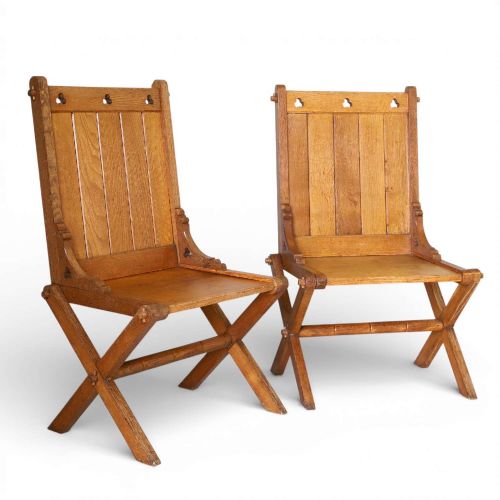
Quality reveals itself in the crispness of carved woodwork, the structural integrity of the timber joints, and the harmony between the oak frame and its upholstery. Superior examples demonstrate careful selection of timber grain and thoughtful execution of style-specific details like trefoil motifs or structural turnings.
The retention of original or sympathetic materials alongside sound joinery distinguishes finer examples from heavily altered pieces. Proportion and balance within specific stylistic revivals further determine the distinction between ordinary utility seating and notable craftsmanship.
The Oak Framed Chair Glossary
- Glastonbury chair
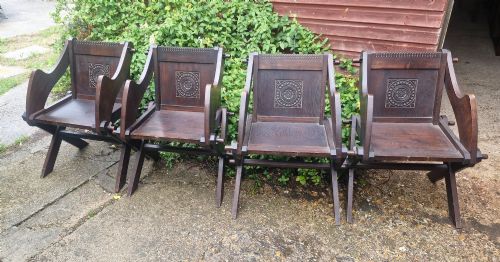
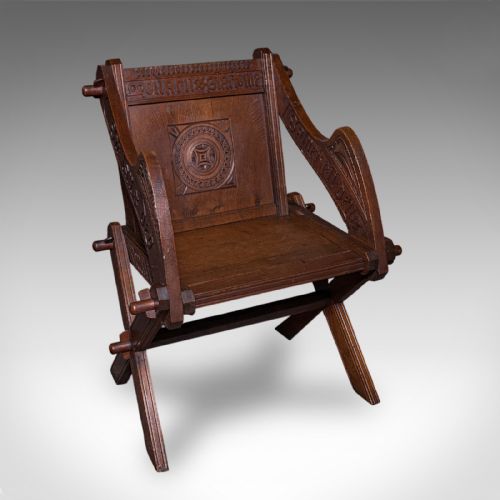
- A type of folding wooden armchair with an X-frame, sloping arms, and a panel seat, often associated with Gothic Revival designs in oak.
- Wainscot armchair
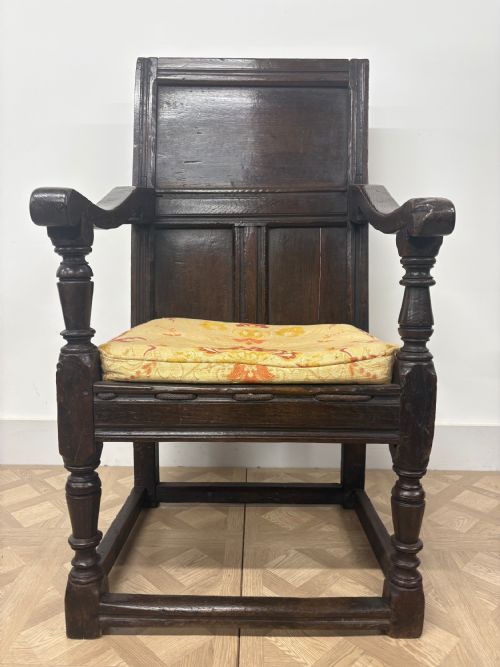
- An early form of wooden armchair constructed with panelled backboards and solid oak framing, typical of seventeenth-century English joinery.
- Bobbin framing
- A style of furniture turning where the wood is shaped to resemble a series of bobbins or spools linked together.
- Curule chair
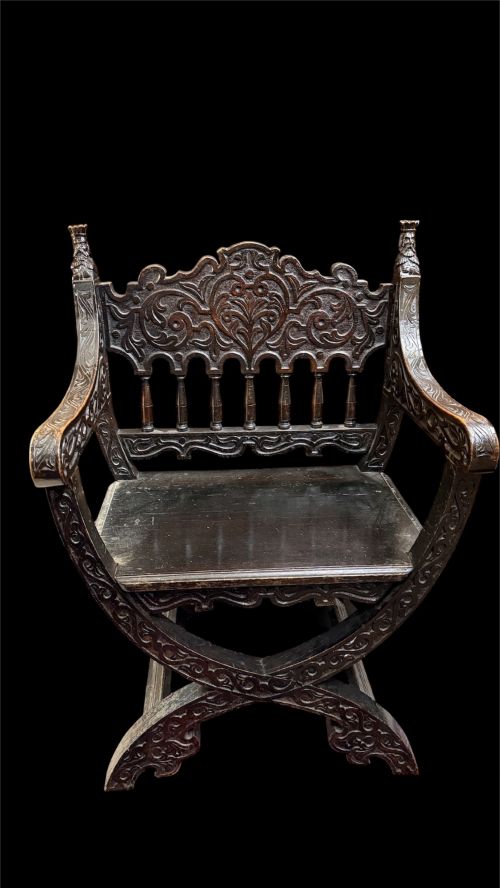
- An ancient form of X-frame seat, also known as a Dante or Savonarola chair, revived during the Renaissance and nineteenth-century periods.
- Farthingale chair
- An upholstered side chair with a wide seat and no arms, designed to accommodate the voluminous skirts worn by women in the seventeenth century.
Oak Framed Chair: Frequently Asked Questions
What periods do these chairs come from?
The selection spans several centuries, with particular concentrations in the Victorian and Edwardian eras alongside occasional earlier seventeenth and eighteenth-century examples.
Revival styles heavily influence the nineteenth-century pieces, drawing inspiration from Gothic, Jacobean, and Renaissance aesthetics.
What upholstery materials should I expect?
Upholstered variants frequently employ leather, velvet, or patterned textiles, often secured with brass studs or decorative trimming along the oak framework.
Some examples present exposed timber surfaces without padding, particularly side chairs, hall chairs, and certain vernacular seating forms.
Where do bobbin framed chairs fit in?
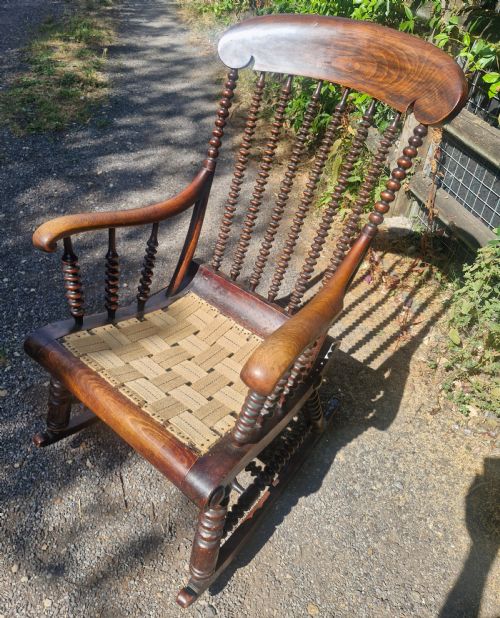
Bobbin framed chairs utilise turned woodwork shaped like spools to form the structural uprights and stretchers of the seat.
This decorative turning technique appears on nineteenth-century rocking chairs and low bedroom seats, adding textural visual interest.