




Oak Frame Accent Chair
These oak frame accent chair examples span the seventeenth century to the nineteen-thirties, offering solid timbers and heavy period character.
Oak Frame Accent Chair
When you search for an oak frame accent chair, you are looking at substantial seating built around visible hardwood structures. The selection encompasses armchairs, side chairs, and folding forms spanning the seventeenth century through to the art deco period.
The most common examples you will meet here are nineteenth-century interpretations of earlier styles, notably gothic revival and renaissance revival designs. These pieces often feature turned members, carved details, and upholstered or webbed seats.
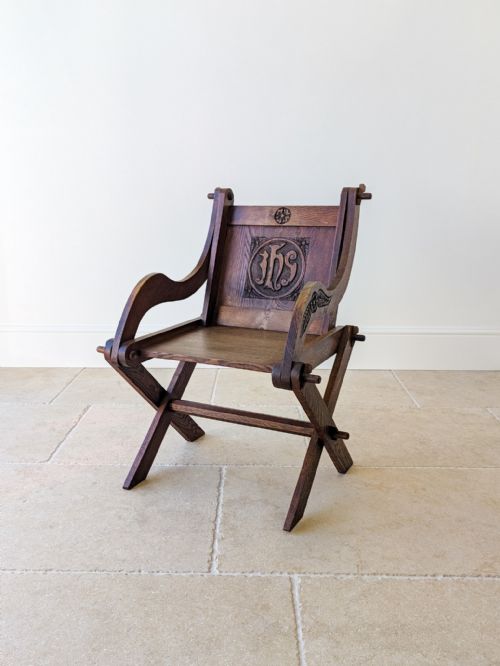
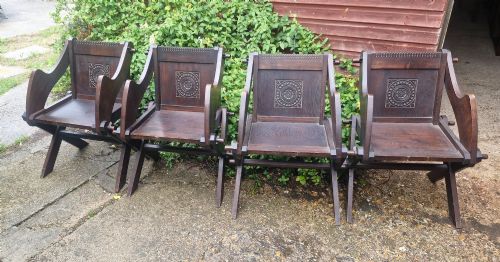
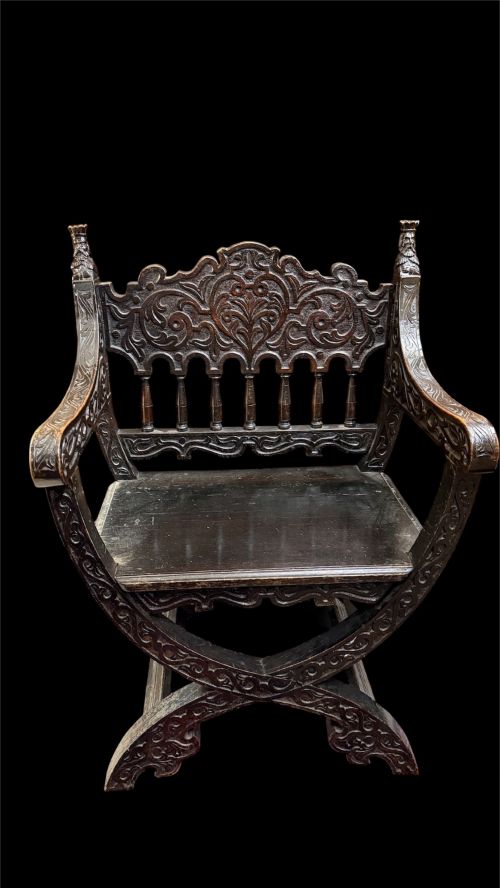
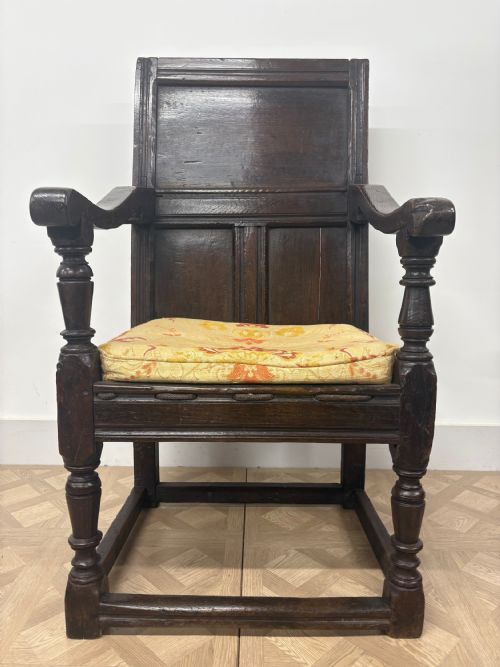
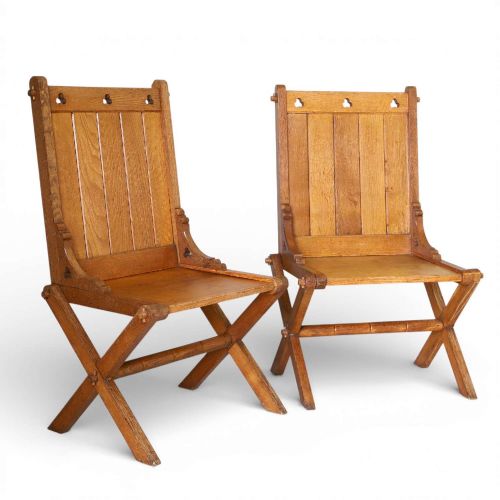
Armchairs dominate the available selection, ranging from heavy wainscot forms to cross-frame dante and glastonbury chairs. Side chairs and low bedroom seating also appear, providing compact alternatives for deliberate interior placement.
Materials and construction methods
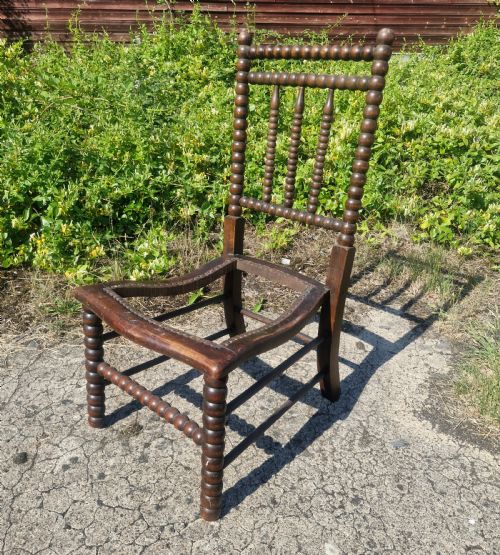
Solid oak provides the structural skeleton for every piece, shaped through traditional joinery including mortise and tenon connections. Turnings such as bobbin and barley twist details add texture to the uprights and stretchers.
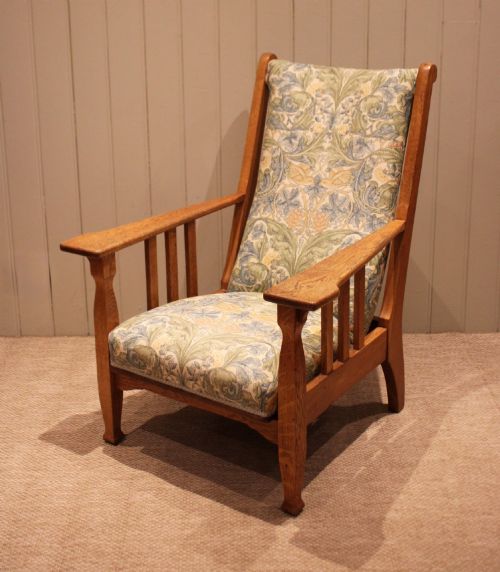
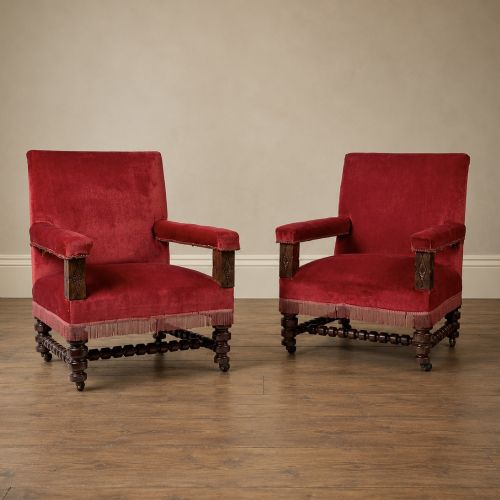
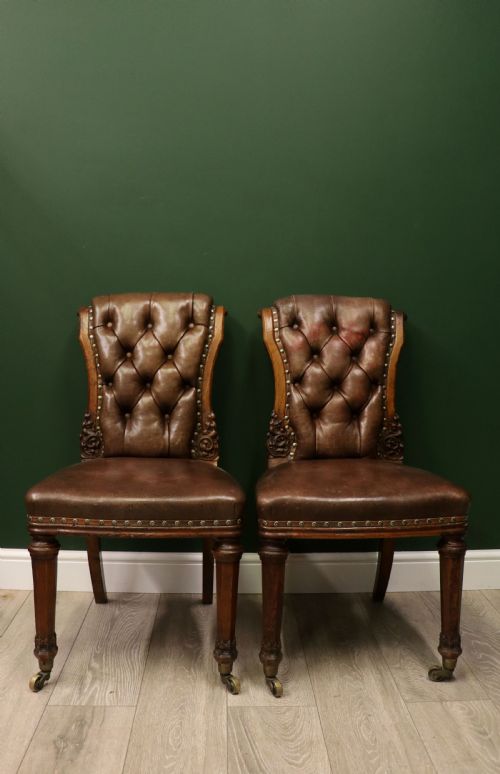
Upholstery materials range from plain fabric and textiles to leather and deep red velvet. Metal and brass elements occasionally appear as decorative studs, hinges, or folding mechanisms on specific chair types.
Oak Frame Accent Chair Retail Price Guide 2026
Typical asking prices for oak frame accent chair among the pieces listed under this phrase on Sellingantiques today, from the lower quarter to the upper quarter. They describe what is for sale here now, not the wider market.
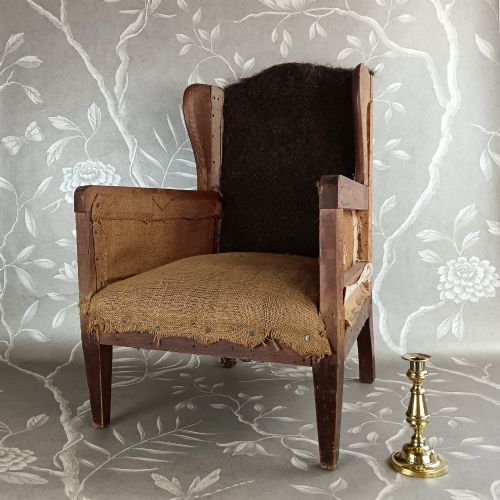
A tiny child's wingback armchair waits quietly among the full-sized seating, looking like a grand ancestral throne shrunk down for a rabbit.
Distinctions in construction and design
Quality rests in the crispness of the hand-carving and the integrity of the oak frame. Pieces with deeply undercut ornament and dense, heavy timber stand apart from simpler provincial alternatives.
The sophistication of the historical revival influences the hierarchy of these chairs. Designs following specific historical precedents, such as those after pugin or authentic seventeenth-century joinery, show superior sculptural ambition compared to generic Victorian production.
The Oak Frame Accent Chair Glossary
- Glastonbury chair
- A medieval revival armchair form characterised by an X-frame base and a sloping panel back. This design became particularly popular during the nineteenth-century gothic revival.
- Wainscot armchair
- An early wooden armchair constructed with panelled backrests and solid wooden seats. These heavy pieces date back to the seventeenth century and earlier.
- Curule chair
- An ancient Roman magistrate's chair shape featuring crossed curved legs. Renaissance revival makers reinterpreted this form as X-frame dante armchairs.
- Bobbin framing
- Turned furniture legs and stretchers formed of rounded spool-like shapes resembling bobbins. This decorative turning technique appears frequently on nineteenth-century bedroom and side chairs.
Oak Frame Accent Chair: Frequently Asked Questions
What defines a gothic revival chair?
Gothic revival chairs borrow architectural motifs from medieval churches, including pointed arches, trefoil details, and heavy tracery carved directly into the oak. Makers utilised these elements during the nineteenth century to evoke a romanticized past.
These pieces function well as statement seating in contemporary rooms, where their dark timber and vertical lines provide strong visual contrast against plain walls.
How do I identify a wainscot armchair?
A wainscot armchair is built entirely from solid oak with flat wooden panels forming the backrest and a solid plank seat. They are heavy, rigid chairs that originated in domestic interiors before upholstered seating became common.
Living with one requires careful placement to protect the historic wood from direct heat sources and modern central heating.
What is an X-frame chair?
An X-frame chair uses crossed structural members beneath the arms or seat to support the sitter. This ancient form reappears in nineteenth-century interpretations like Glastonbury and Dante chairs.
These designs offer a compact footprint while maintaining a commanding presence in a hallway or library.
Are these chairs comfortable for daily use?
Many early oak chairs were designed for upright posture rather than lounging, often featuring straight wooden backs or firm upholstery. Low slipper chairs and padded library armchairs from later periods offer softer seating.
Matching the chair to its intended room use ensures you balance historical authenticity with practical comfort.