


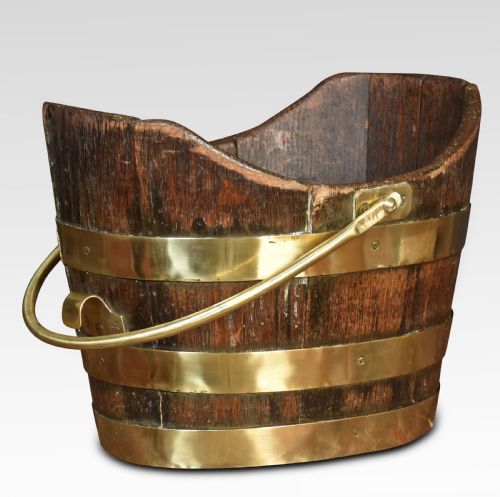


Oak Fireside Coal Bucket
An oak fireside coal bucket brings warmth and character to a hearth, offering sturdy storage for fuel.
Oak Fireside Coal Bucket
An oak fireside coal bucket is a practical hearth accessory designed to hold solid fuel such as coal, logs, or peat near an open fire. These pieces span several distinct eras, with Victorian and Georgian examples forming the core of what you will encounter on this page.
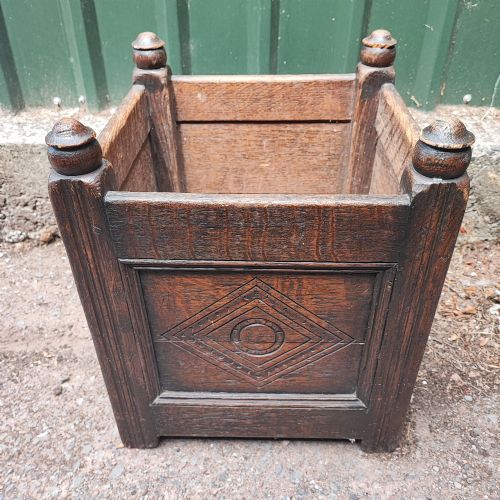
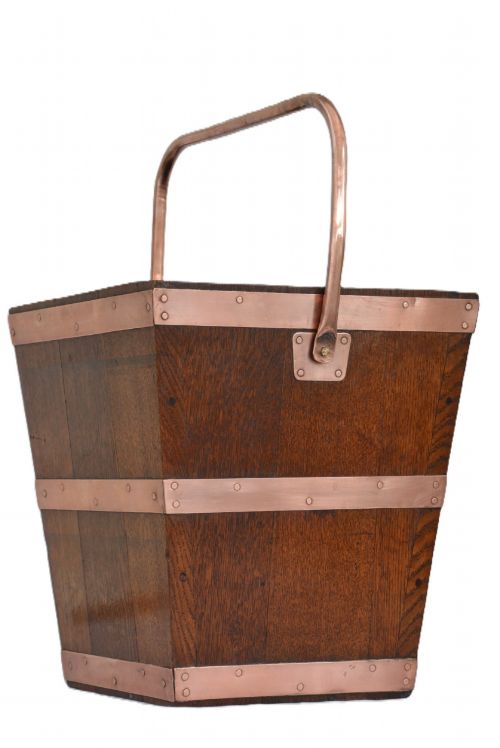
The selection ranges from country log boxes and coopered fire buckets to decorative purdoniums and lidded bins. Many incorporate metal inliners or brass bands, serving both functional storage needs and traditional interior decoration.
How They Were Made
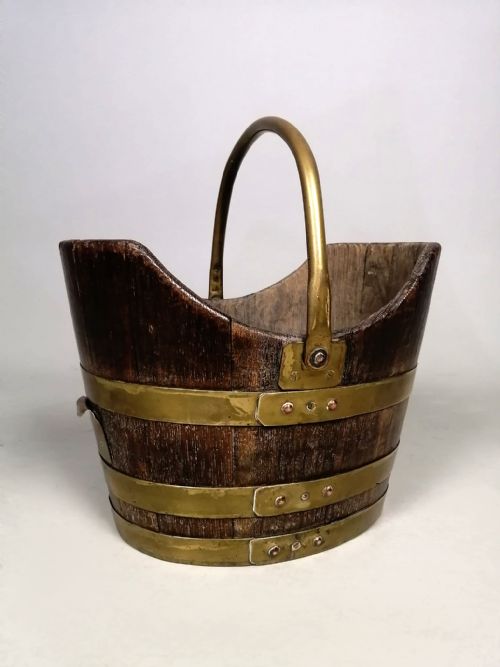
The primary construction relies on solid timber, predominantly oak and occasionally fruitwood, shaped through traditional carpentry and cooperage techniques. Skilled makers utilised stave construction for round buckets, binding the wood with brass or iron hoops for structural strength.
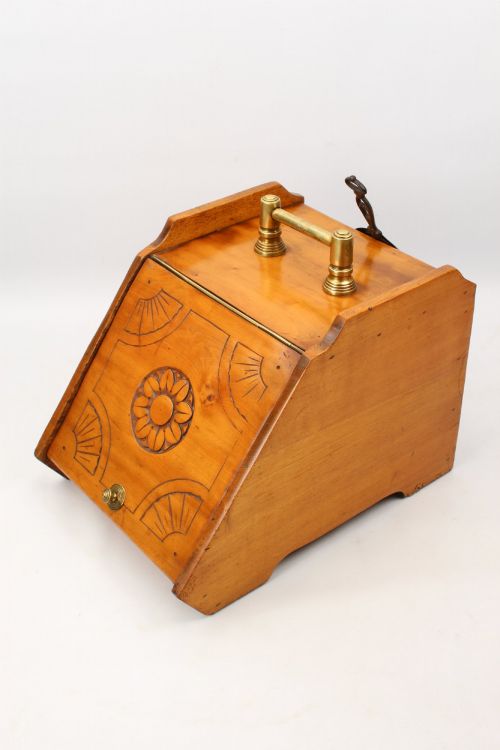
Metal components such as brass handles, mounts, and shovels were added to withstand heavy daily use by the hearth. Carved fronts and detailed handles appear on formal Victorian purdoniums, contrasting with the simpler, robust build of rustic country log boxes.
The selection includes coopered fire buckets, lidded waste bins, and carved front purdoniums.
What Varies in Quality
Quality rests in the integrity of the construction and the harmony of the materials, separating robust utility pieces from finer decorative examples. Original brass bands, intact metal inliners, and well-executed timber joinery distinguish the superior items.
The presence of period-correct hardware and thoughtful detailing, such as carved decoration or refined cooperage, elevates an ordinary fireside container into a notable piece of craftsmanship.
The Oak Fireside Coal Bucket Glossary
- Coopered
- Built using wooden staves joined edge-to-edge and bound with metal hoops, much like a traditional barrel. This method provides immense strength for holding heavy coal or logs.
- Purdonium
- A specialised coal box featuring a sloping drop front or a shovel compartment designed for domestic hearth use. These often include metal inliners to catch dirt and debris.
- Peat bucket
- A traditional container originally used for storing dried turf or peat for fuel in Irish and British homes. They frequently share the stave-built, brass-banded form of standard coal buckets.
- Log box
- A rectangular wooden chest or bin intended for storing larger firewood logs beside the hearth. They often display rustic country characteristics or carved Victorian details.
Oak Fireside Coal Bucket: Frequently Asked Questions
What is an oak fireside coal bucket used for?
These vessels were designed to store coal, logs, or peat cleanly beside an open fireplace for easy access. They kept solid fuel neatly contained within the living space.
Today, they serve a similar practical function or act as decorative storage bins for blankets, magazines, and kindling.
How do I clean an antique coal bucket?
Dust the exterior wood gently with a dry cloth and apply appropriate wax sparingly to maintain the finish. Avoid soaking the timber or exposing the antique metal parts to harsh chemical cleaners.
If the piece has a removable metal inliner, lift it out to empty and clean accumulated debris separately from the wooden shell.
Are these buckets safe to use with real fires?
Most antique coal buckets were built to hold unlit solid fuel rather than burning embers. Using the original wooden container strictly for dry storage protects the historic material from heat damage.
Many examples include protective metal inliners specifically intended to prevent coal dust and moisture from harming the surrounding oak.
How can I tell a Victorian bucket from a Georgian one?
Georgian examples often feature simpler coopered construction with brass banding or take the form of peat buckets and sturdy fruitwood bins. They reflect earlier, more utilitarian designs focused on stave construction.
Victorian pieces frequently introduce heavier carved decoration, drop-front mechanisms in purdoniums, and elaborate brass handles reflecting the industrial production and decorative tastes of the nineteenth century.