


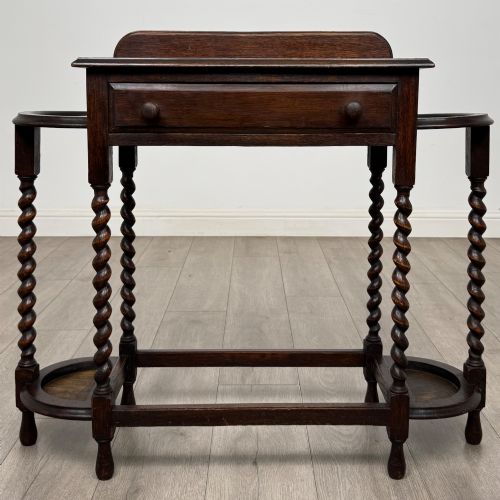
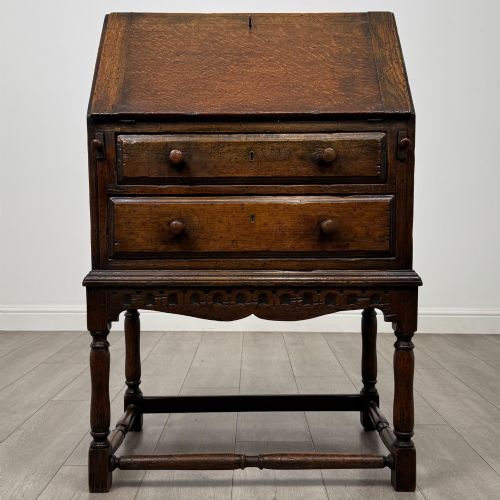
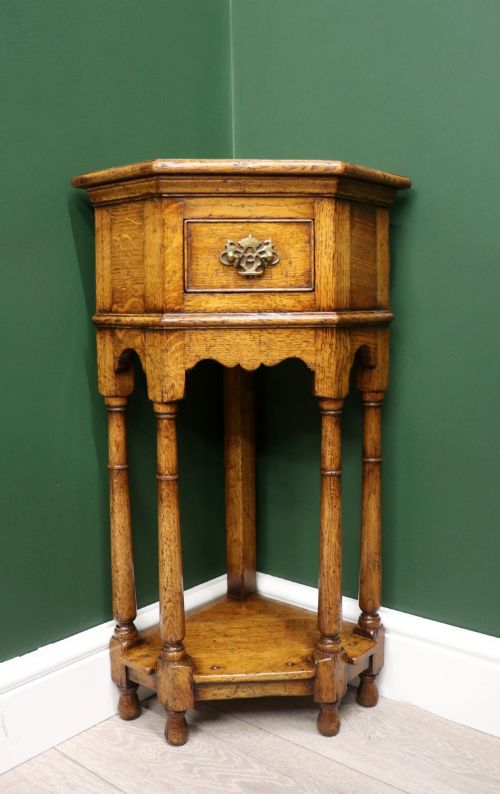
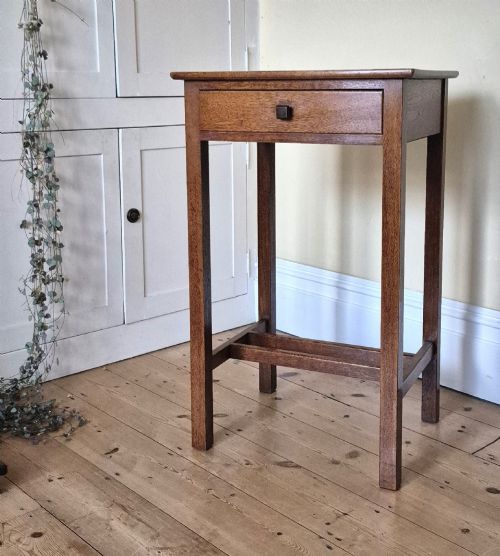
Oak Drawers on Stand
These oak drawers on stand combine sturdy lower framing with accessible upper storage, offering practical utility for daily rooms.
Oak Drawers on Stand
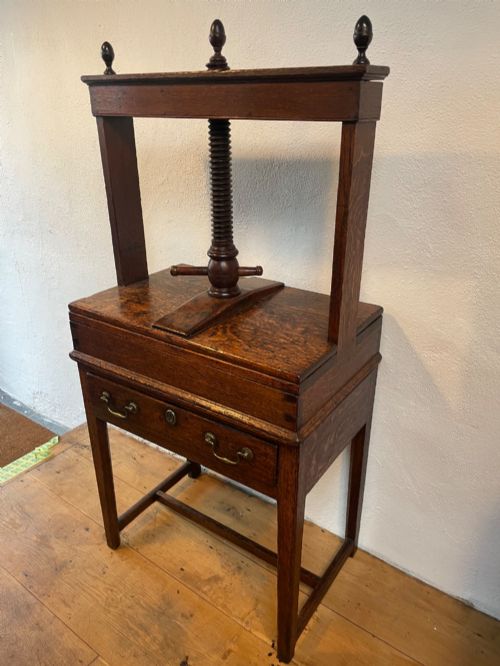
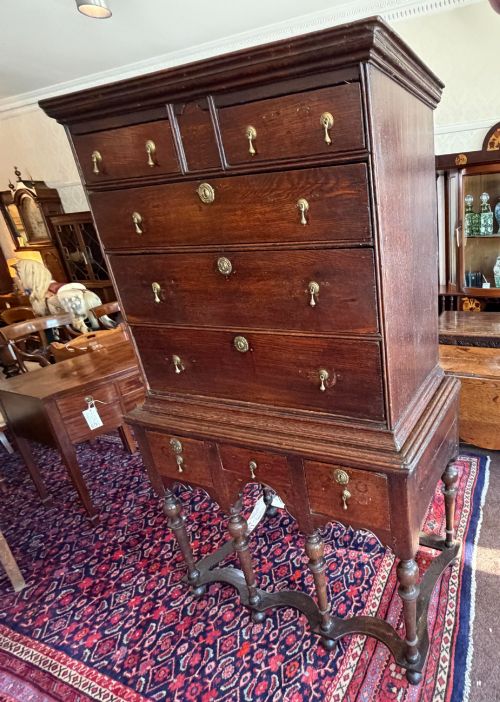
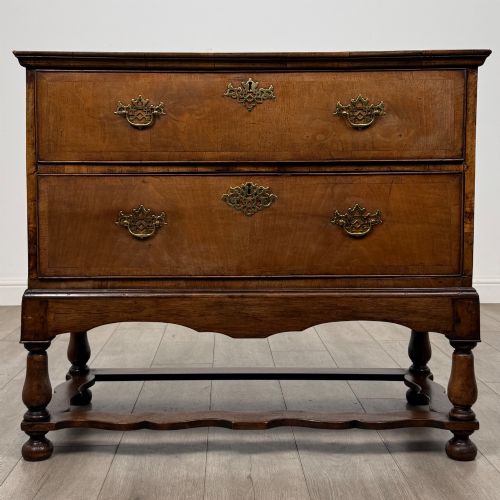
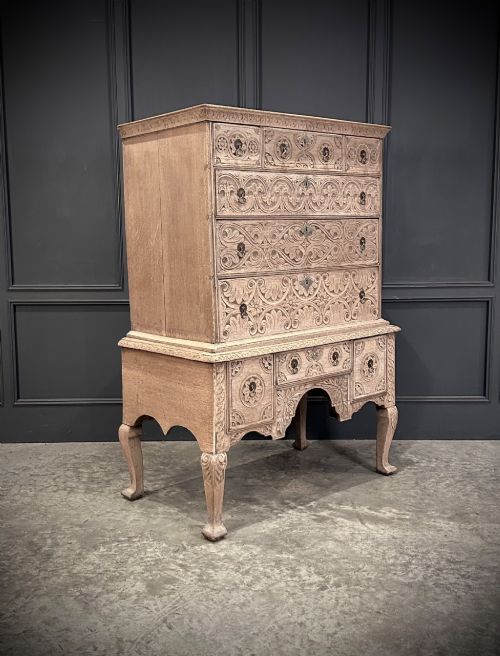
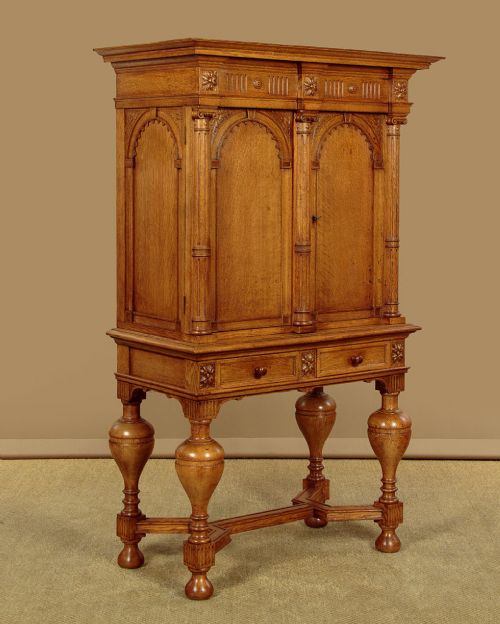
When you search for oak drawers on stand, you encounter pieces that unite a chest or drawer section with an elevated lower support frame. The versions most likely to meet you on this page span from the seventeenth and eighteenth centuries through the Edwardian period, alongside revival interpretations.
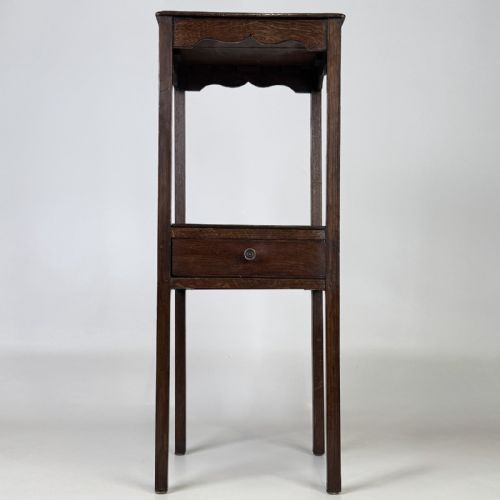
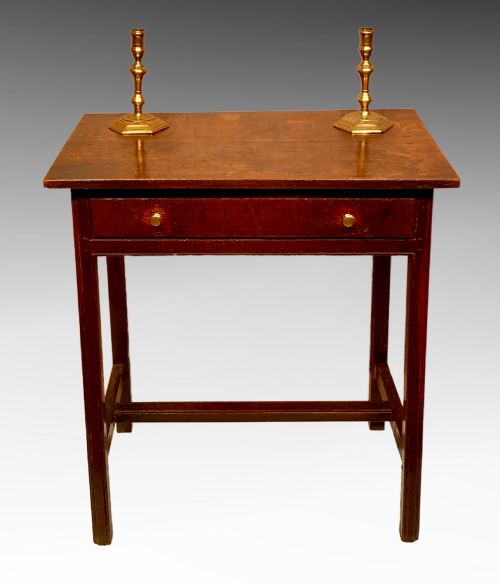
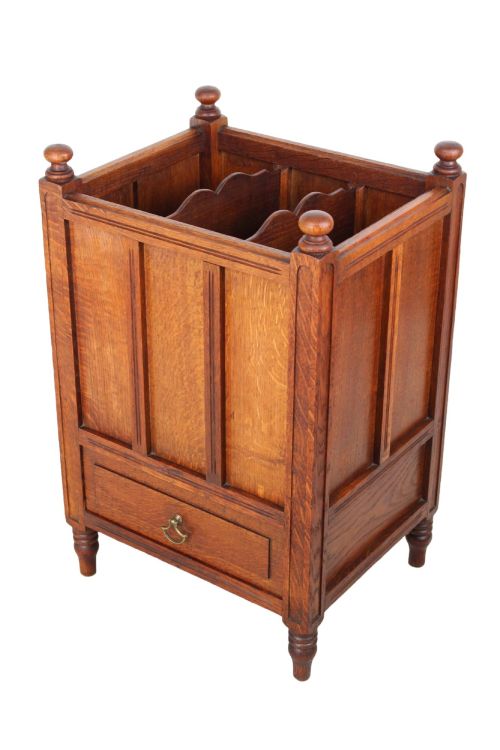
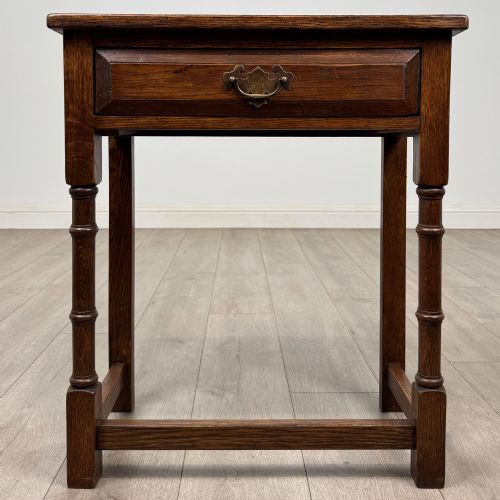
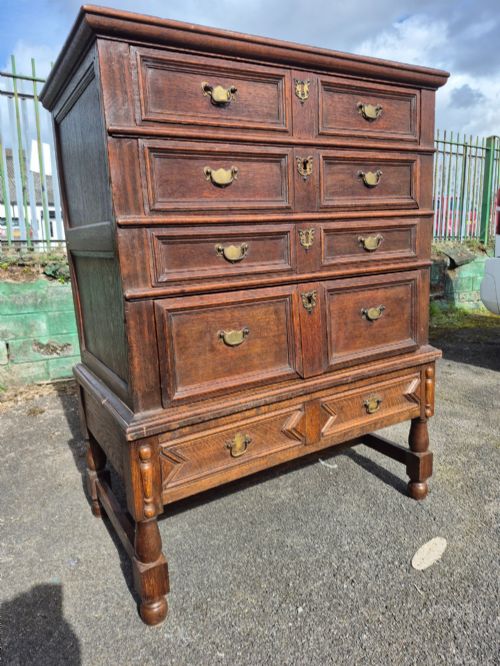
The primary forms take shape as dedicated chest on stand units, alongside side tables and occasional cabinets that incorporate drawer storage within raised structural frames. These designs serve both functional storage and structural display, elevating the drawer body off the ground to lighten the visual mass in a room.
Origins stretch across English provincial workshops, Welsh country traditions, and later revival movements that draw upon earlier centuries of joinery. Collectors value these objects for their architectural silhouette and the direct way timber grain remains visible across the front elevations.
Materials and construction methods
Carpenters relied primarily on solid oak for the structural framing, drawer carcasses, and panel inserts, often pairing it with walnut accents or fruitwood details on select surfaces. Timber selection governed the long-term durability of the stand, with quarter-sawn boards offering resistance to warping across structural legs and stretchers.
Assembly methods utilised traditional pegged mortise and tenon joinery to anchor the lower stands securely beneath heavy drawer units. Brass hardware, including drop handles and escutcheons, fastened the moving parts while glass components appeared in related display formats.
Oak Drawers on Stand Retail Price Guide 2026
Typical asking prices for oak drawers on stand among the pieces listed under this phrase on Sellingantiques today, from the lower quarter to the upper quarter. They describe what is for sale here now, not the wider market.
Several stands double as writing desks or filing cabinets, proving that past generations brought paperwork to the living room too.
Evaluating the standard of construction
The division between standard examples and superior specimens rests upon the integrity of the timber selection and the precision of the joinery within the stand framework. Stronger pieces display consistent grain alignment and tightly fitted joints that bear the heavy load of the upper drawers without lateral sway.
Surface preservation dictates the visual caliber of the piece, with untouched patination and original hardware elevating the desirability of seventeenth and eighteenth-century items. The articulation of carved details, where present, distinguishes bespoke regional workshops from mass-produced revival iterations.
The Oak Drawers on Stand Glossary
- Chest on stand
- A two-part form consisting of a lower support table or stand carrying an upper chest of drawers.
- Mortise and tenon
- A joint wherein a projecting tenon fits tightly into a corresponding mortise hole to lock structural timbers together.
- Quarter-sawn
- Timber cut radially from the growth rings, producing boards with enhanced dimensional stability and distinct figure lines.
- Escutcheon
- A protective plate surrounding the keyhole of a drawer or cabinet door, commonly cast in brass.
- Patina
- The surface sheen and colour acquired by wood and metal through age, handling, and environmental exposure.
Oak Drawers on Stand: Frequently Asked Questions
What is an oak chest on stand?
An oak chest on stand is a dual-component antique furniture form where a drawer unit rests upon a raised table base with legs and stretchers.
This elevation prevents dampness from reaching the lower contents and creates a lighter silhouette than a standard floor-standing chest.
How do I date an oak chest on stand?
Dating relies on examining construction markers such as hand-cut dovetails, timber thickness, edge mouldings, and the style of the stand framing.
Early seventeenth and eighteenth-century examples feature pegged joinery and board construction, while later revival pieces show uniform machine-sawn components.
Where were these pieces made?
These items originated primarily in English provincial cabinet shops, Welsh country workshops, and metropolitan joinery studios.
Regional differences appear in the turning of the stand legs and the specific proportions of the upper drawer configuration.
How do I care for antique oak furniture?
Maintain oak furniture by placing it away from direct heat sources and sudden humidity shifts that can cause timber movement.
Apply a microcrystalline wax periodically to nourish the surface and preserve the natural patina without sealing the wood.