



Oak Double Door Cabinet
An oak double door cabinet brings honest timber and dependable storage into a room, offering the sturdy presence that collectors prize.
Oak Double Door Cabinet
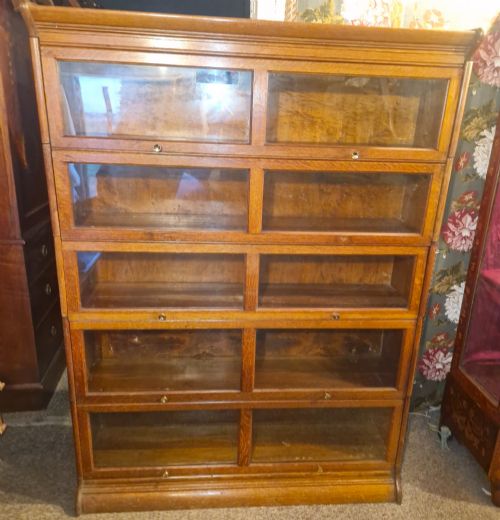
When you search for an oak double door cabinet, you look for substantial timber storage units designed with paired doors opening to reveal shelved or hanging interiors. These pieces range from Georgian corner cupboards and linen presses to 19th-century armoires and early 20th-century bookcases.
The versions most likely to meet you on this page span the 18th, 19th, and early 20th centuries, drawing on Georgian, Victorian, and French Provincial traditions. They serve as functional storage for books, linen, or household goods while anchoring a room with dense hardwood grain.
How they were made
Cabinet makers built these pieces using solid oak, frequently incorporating brass hinges, iron hardware, and occasionally glass panels for glazed display doors. Walnut, mahogany, and lead details appear as secondary timbers or decorative accents in specific continental and regional pieces.
Construction methods rely on traditional joinery suited to heavy timber, resulting in sturdy frames designed to hold substantial weight over centuries. Surfaces display natural grain patterns, sometimes enhanced with carving, cross-banding, or tambour mechanisms rather than heavy veneer.
Oak Double Door Cabinet Retail Price Guide 2026
Typical asking prices for oak double door cabinet among the pieces listed under this phrase on Sellingantiques today, from the lower quarter to the upper quarter. They describe what is for sale here now, not the wider market.
Listings feature oak alongside walnut and mahogany, spanning periods from the 17th century through the 1940s.
What varies in quality
Quality rests in the selection of the timber and the crispness of the joinery, distinguishing straightforward utility items from finer formal furniture. Heavy hardware like brass locks and iron strap hinges should fit the scale of the doors without straining the frame.
Proportion and surface finish separate basic workshop output from superior examples, particularly where carved details or cross-banding define the exterior. The alignment of double doors and the smoothness of interior shelving dictate how well a piece functions in daily use.
Maple and Co
The Oak Double Door Cabinet Glossary
- Cross-banding
- A border technique where thin strips of veneer are laid across the grain of the primary timber to frame a panel. This decorative method is common on Georgian furniture.
- Tambour
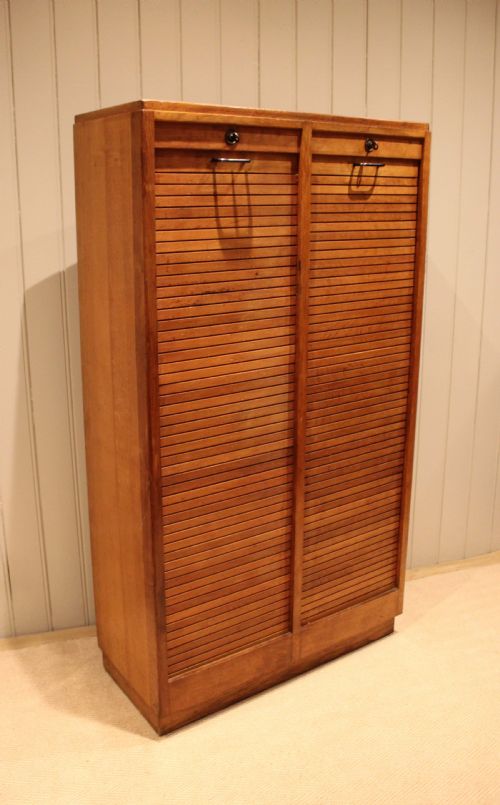
- A series of narrow wooden slats glued to a canvas backing, allowing doors to slide smoothly around a curved track. It appears frequently on filing cabinets.
- Armoire
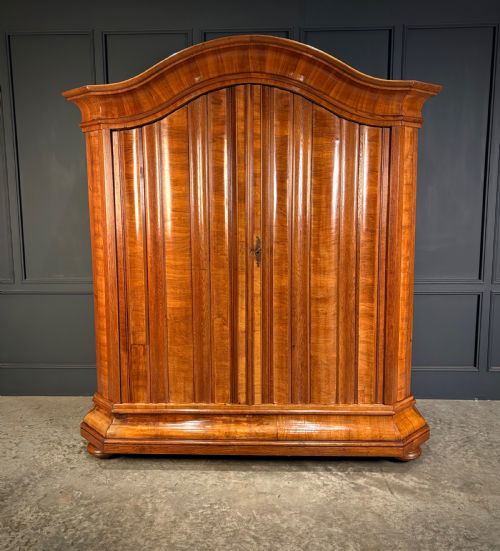
- A large freestanding wardrobe or cupboard with double doors. These pieces often feature interior shelves or hanging space.
- Glazed
- Fitted with glass panes to display books or china behind the protective barrier of cabinet doors. This treatment is typical on bookcases.
- Corner cupboard
- A specialised storage unit built to fit snugly into the ninety-degree angle of a room. Georgian makers produced many notable examples.
Oak Double Door Cabinet: Frequently Asked Questions
What rooms suit an oak cabinet?
These cabinets suit dining rooms, living spaces, and studies where sturdy storage for books, linen, or tableware is required. Their substantial wooden presence anchors large wall spaces effectively.
Because the depths and interior layouts vary between bookcases, armoires, and corner units, measuring the floor space and clearance for swinging doors ensures proper placement.
How do I care for oak timber?
Maintain oak surfaces by dusting with a dry cloth and occasionally applying a traditional beeswax to nourish the wood. Avoid placing cabinets near direct heat sources to prevent timber splitting.
Harsh chemical cleaners strip the natural patina developed over decades, so gentle maintenance preserves the surface character and colour of the antique finish.
Are tambour doors modern?
Tambour mechanisms date back centuries, utilising slatted wooden strips on fabric backings to glide around curved tracks. They were favoured for office and filing furniture.
Checking that the tracks remain clean and the slats slide evenly ensures the mechanism functions correctly without binding or catching.
How do I spot a Georgian piece?
Georgian pieces often display restrained classical proportions, cross-banded veneers, and solid brass hardware. Corner cupboards from this era frequently feature shaped shelving.
Examining the construction of the interior drawers and the type of secondary timber used helps confirm the 18th-century origins of the cabinet.