





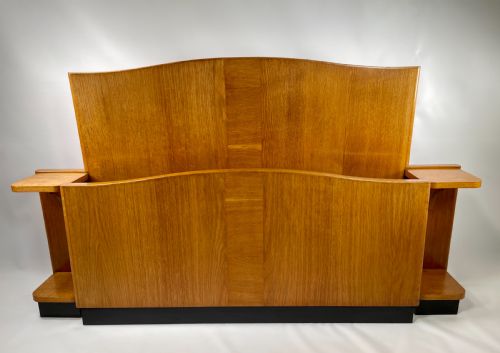

Oak Double Bedstead
An oak double bedstead anchors a bedroom with substance, offering solid timber construction and enduring presence.
Oak Double Bedstead
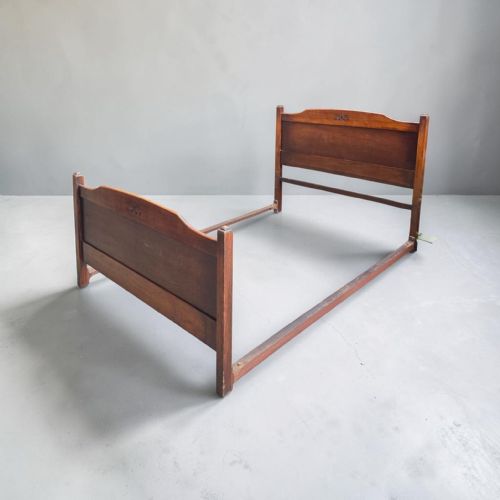
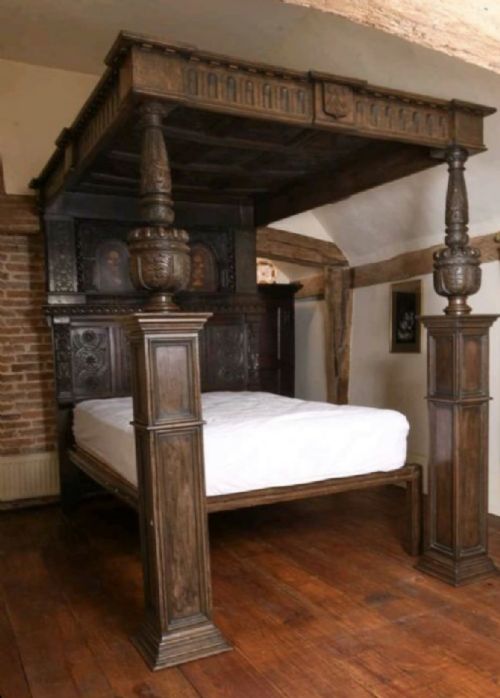
When you search for an oak double bedstead, you are looking for a sturdy sleeping frame constructed primarily from oak, spanning several distinct eras from the seventeenth century through to the twentieth century. These pieces appear in forms ranging from robust seventeenth century four poster designs to Edwardian and Arts and Crafts interpretations.
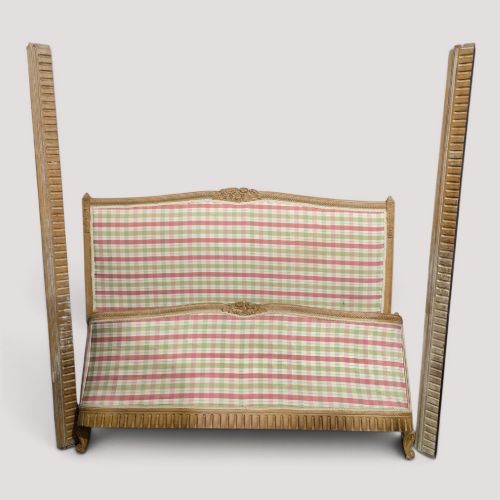
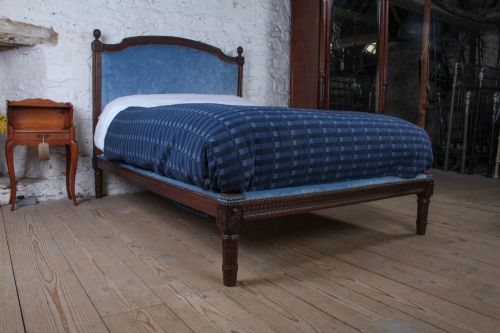
The versions you are most likely to meet on this page include solid oak bed frames from around nineteen hundred, alongside French provincial and Louis XVI style variations in limed wood or carved timber. Each example provides a substantial architectural element for the bedroom, utilising the grain and tone of oak to define the piece.
The selection encompasses seventeenth century tester beds, transitional nineteenth century styles, and early twentieth century manifestations including French Breton beds. Buyers find both low-end variants and towering four posters, demonstrating the enduring utility of oak as a framing material for standard double mattresses.
Materials and construction methods
The construction of an oak double bedstead relies heavily on solid timber, carved wood, and occasionally applied textile or velvet upholstery for headboards and footboards. Cabinetmakers utilised traditional joinery methods to assemble heavy posts, headboards, and side rails, ensuring the framework could support regular domestic use.
Surface treatments vary according to the period, ranging from the dark waxed patination of seventeenth century oak to the lighter limed wood finishes seen on twentieth century French interpretations. Carved details, paneling, and occasional inlaid sections demonstrate the manual skill applied by makers across different centuries.
One French Breton bed patiently waits to bring dramatic maritime carving straight into a quiet modern guest room.
Distinctions in quality and execution
Quality in an oak double bedstead rests upon the depth of the carving, the integrity of the timber, and the architectural proportions of the overall frame. Finer examples display crisp hand carving and select cuts of oak, whereas simpler pieces rely on plain paneling and standard commercial joinery.
The proportion and balance between the headboard, footboard, and side rails dictate the visual success of the bedstead. Pieces that retain their original timber coloration and structural rigidity command greater appreciation than those with extensive later alterations or mismatched components.
The Oak Double Bedstead Glossary
- Bedstead
- The complete framework of a bed, including headboard, footboard, and rails, designed to support a mattress and base. It excludes the mattress itself.
- Limed wood
- Timber treated with a specialised finish that leaves a white or pale pigment in the grain. This technique lightens the natural colour of oak.
- Arts and Crafts
- A design movement emphasising handcraftsmanship, simple forms, and natural materials. Furniture from this style often highlights the plain grain of solid oak.
- Louis XVI Style
- A neoclassical design vocabulary characterised by straight lines, symmetrical proportions, and classical carved motifs. It appears on various continental bed frames.
Oak Double Bedstead: Frequently Asked Questions
How do I fit a modern mattress?
Many older bedframes predating modern standard sizing require careful measurement of the internal rails to ensure a proper fit. Some seventeenth and nineteenth century frames may need discreet adjustments or custom bases.
Consulting the internal dimensions listed for each bedstead allows buyers to determine compatibility with standard contemporary mattress sizes before purchase.
Can I dismantle these bedframes?
Most antique wooden bedsteads are constructed using knockdown bolts or traditional bed bolts that allow the headboard, footboard, and rails to separate. This dismantling process facilitates transport and installation in modern bedrooms.
Care should be taken during reassembly to protect the historical timber threads and ensure the structural right angles remain true.
How do I clean oak timber?
Routine maintenance requires only a soft, dry cloth to remove dust from carved surfaces and paneled sections. Avoid silicone sprays and excessive moisture which can damage aged wax or polished finishes.
Periodic application of a suitable beeswax preserves the natural moisture of the oak and maintains the subtle lustre of the antique wood.
Are these beds structurally stable?
Solid oak construction provides inherent strength, making these historic frames suitable for daily sleeping arrangements when properly assembled. The weight of the timber contributes to overall rigidity.
Checking the joints, side rails, and foot attachments ensures the bedstead remains secure and capable of supporting standard weight distribution.