



Oak Desk with Mirror
An oak desk with mirror combines solid timber utility with a reflecting glass, bringing practical preparation space and traditional character to a bedroom.
Oak Desk with Mirror
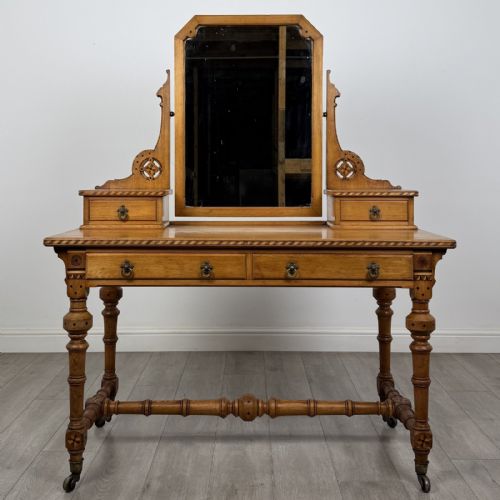
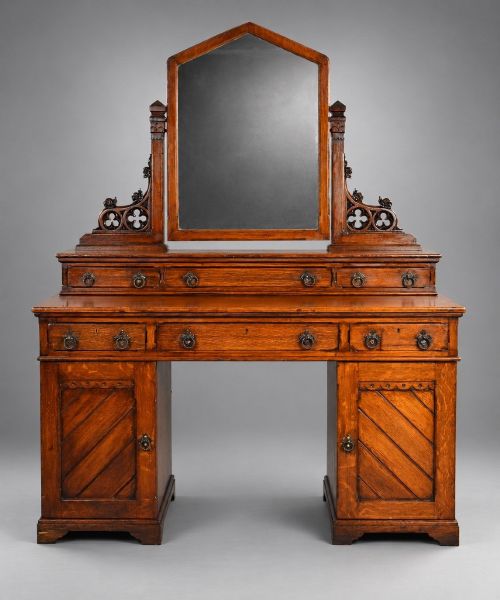
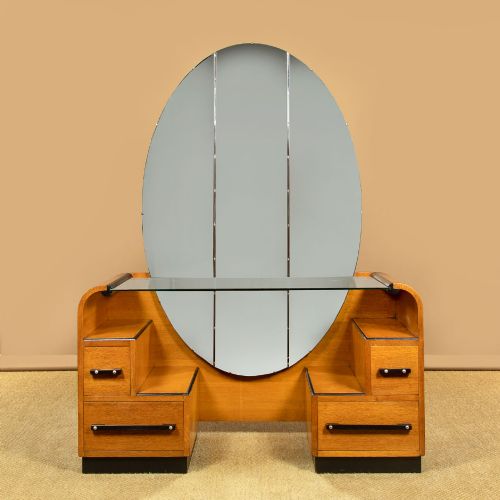
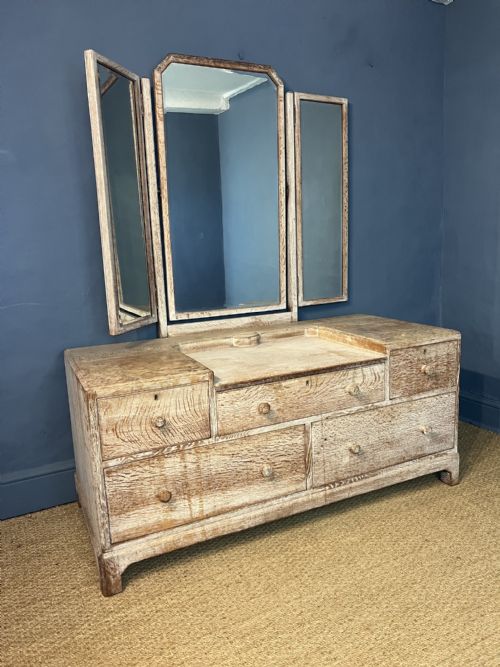
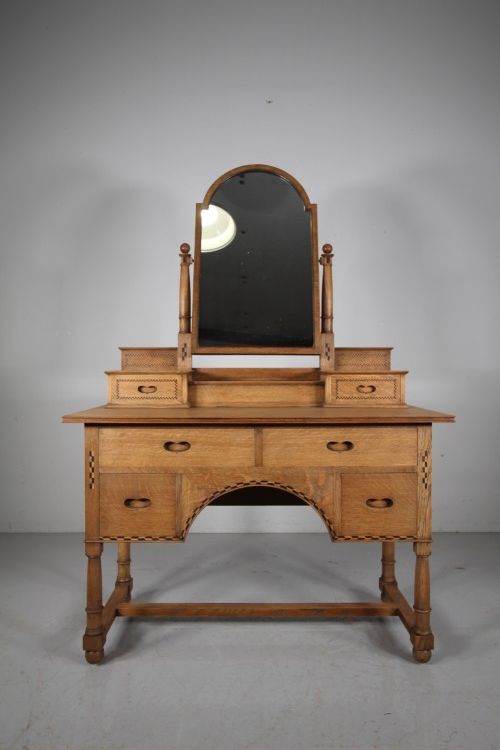
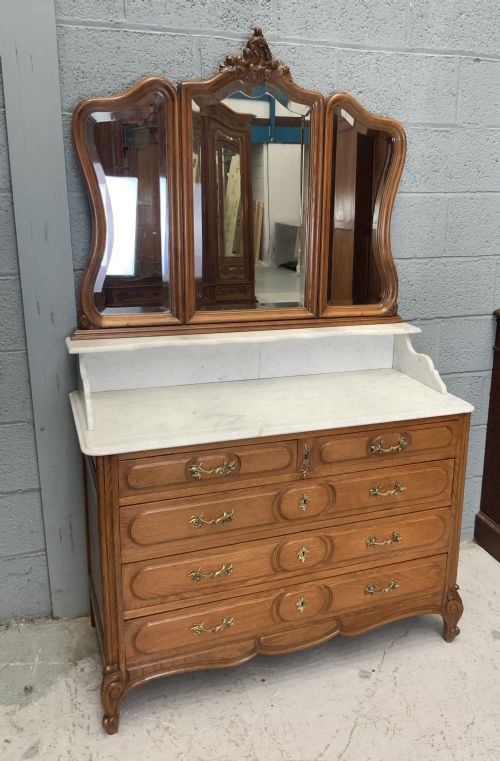
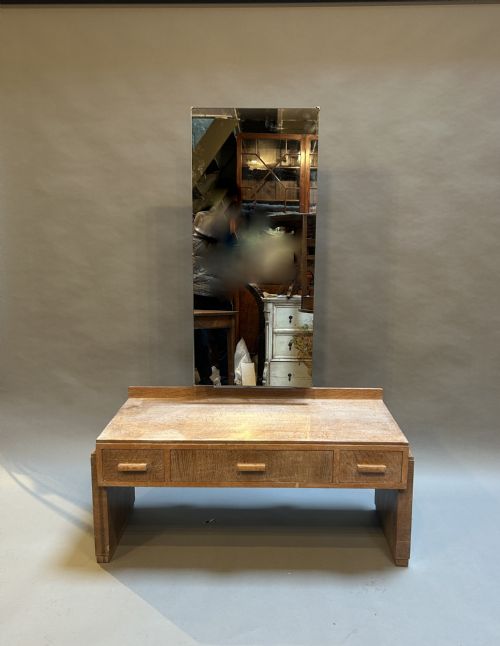
When searching for an oak desk with mirror, buyers encounter sturdy pieces functioning primarily as dressing tables or washstands from the Victorian, Edwardian, and later periods. These forms incorporate upright swing mirrors, integrated drawers, and substantial timber frames designed for daily personal use.
The most common versions on this page originate from the Victorian and Edwardian eras, often displaying traditional regional cabinet-making techniques or specific movement characteristics such as Arts and Crafts influences. Pieces range from simple stencilled washstands to elaborate pedestal chests featuring carved ornamentation and marquetry inlay.
Makers utilised resilient hardwoods to construct surfaces that endured rigorous domestic routines, ensuring surviving examples retain their structural integrity. Collectors find these items valuable for their combination of useful storage and period aesthetic appeal.
Materials and Construction
Cabinet makers relied heavily on solid oak for the primary framework, housing, and drawer structures of these tables. This durable timber provided a stable base capable of supporting heavy movable mirror frames and frequent handling.
Makers enhanced the visual appeal of the oak through decorative techniques including marquetry, wood inlay, and detailed carving. Brass fittings and glass mirror plates were incorporated to complete the functional hardware.
Surface treatments ranged from stencilled decorations to polished finishes that highlighted the natural grain of the wood. Workshops also applied specialised joinery methods to secure upright mirror supports to the main desk body.
Oak Desk with Mirror Retail Price Guide 2026
Typical asking prices for oak desk with mirror among the pieces listed under this phrase on Sellingantiques today, from the lower quarter to the upper quarter. They describe what is for sale here now, not the wider market.
The listings feature oak, walnut, and glass materials across Victorian, Edwardian, and 1930s periods.
Assessing Quality and Craftsmanship
Superior examples demonstrate meticulous attention to detail in the execution of carved elements, marquetry inlay, and structural joinery. Finer pieces often bear original maker labels or reflect the distinct design philosophies of recognised schools such as the Cotswold School or Heals.
The quality of the timber selection and the retention of original fixtures, such as brass hardware and glass mirrors, significantly influence the standing of a piece. Well-preserved stencilled decoration and intact interior linings separate standard utilitarian furniture from exceptional cabinet-making.
Heals·Wright and Hunter of Belfast
The Oak Desk with Mirror Glossary
- Swing mirror
- A looking glass mounted on pivoting pivots or side arms, allowing the user to tilt the angle of reflection. This component is typically attached to upright supports fixed to the top of the desk.
- Marquetry inlay
- Decorative woodwork where small pieces of different coloured wood are fitted into a veneer to form geometric or pictorial designs. This technique embellishes the flat drawer fronts and surfaces of finer tables.
- Cotswold School
- A twentieth-century design movement emphasising honest construction and traditional craftsmanship using solid timbers like oak. Pieces from this tradition show visible joinery and respect for the natural material.
- Pedestal dressing table
- A form featuring banks of drawers on one or both sides supporting the main writing or dressing surface. This layout provides substantial storage beneath the top.
Oak Desk with Mirror: Frequently Asked Questions
What periods do these pieces date from?
The listings span the nineteenth and twentieth centuries, predominantly featuring Victorian, Edwardian, and 1930s examples.
Cabinet makers during these eras produced robust oak furniture ranging from Gothic Revival styles to Cotswold School designs.
How were these tables used originally?
These items served as dressing tables or washstands in domestic bedrooms for personal grooming and morning routines.
The integrated mirror and drawers provided a dedicated station for storing toiletries, brushes, and personal accessories.
Are the mirrors original to the desks?
Many pieces retain their original swing mirrors and mounting brackets, which were designed specifically to match the proportions of the base.
Examine the mirror frame timber and backing boards to understand how the glass integrates with the desk structure.
What styles are represented in the collection?
The inventory includes Victorian Gothic, Arts and Crafts, French Provincial, and Edwardian aesthetic movements.
Each style employs distinct decorative treatments such as carved woodwork, stencilled decoration, or minimalist joinery.