
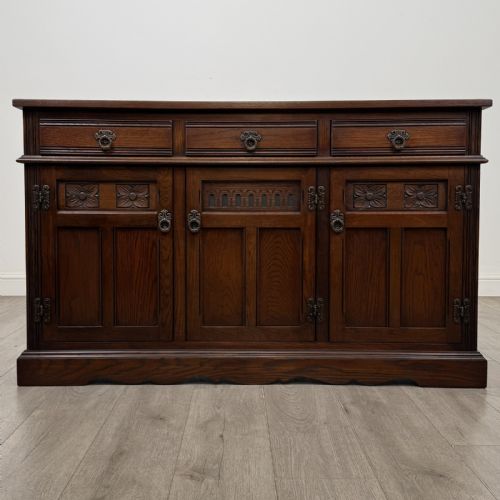
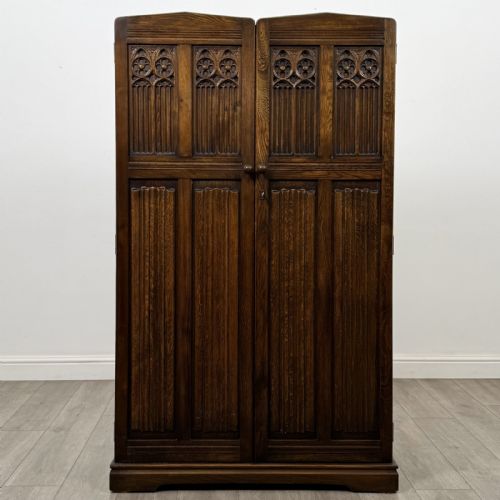
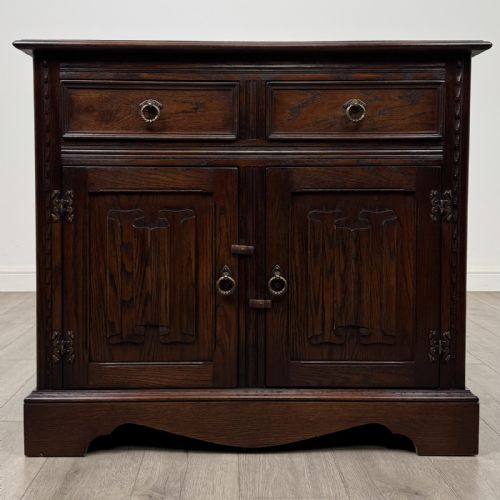
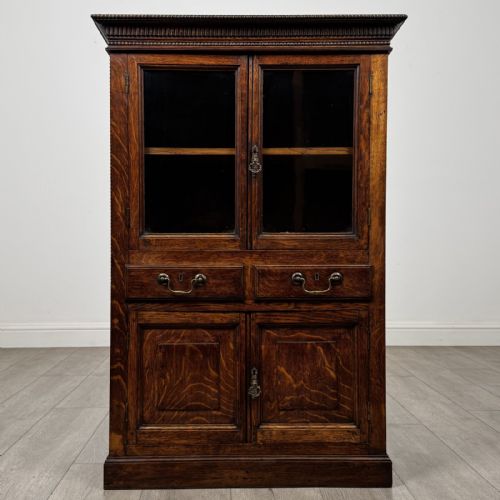
Oak Cupboard Door
An oak cupboard door bridges functional storage and centuries of cabinet-making craft, appealing to collectors seeking historical architectural fragments or conversion timber.
Oak Cupboard Door
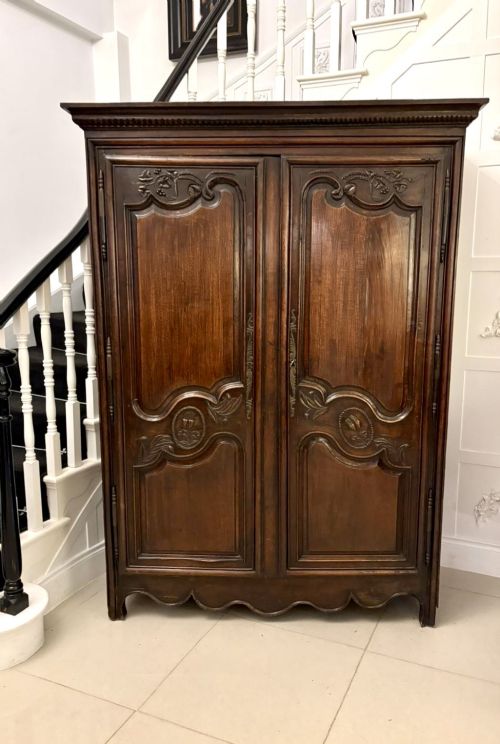
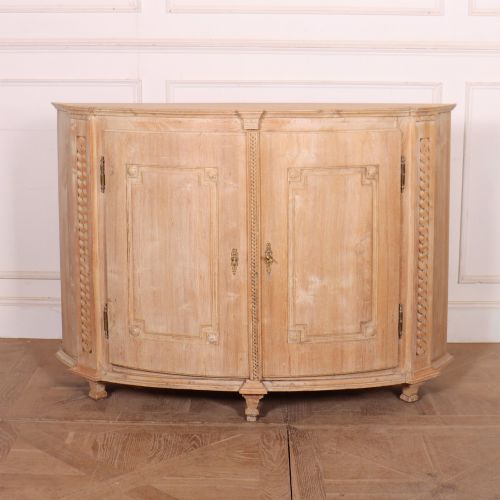
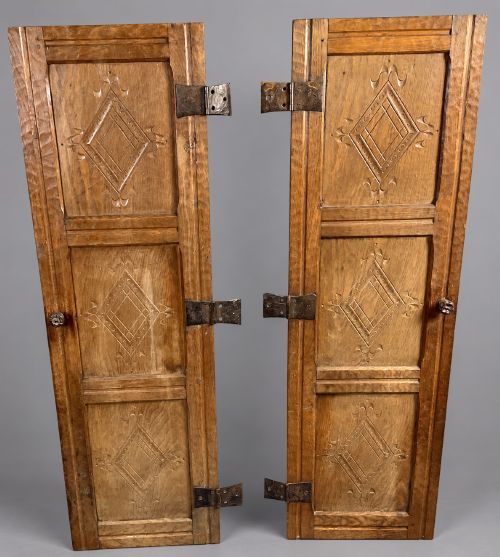
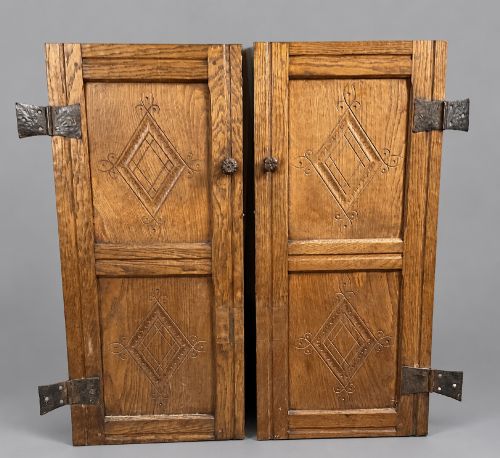
When searching for an oak cupboard door, buyers encounter architectural elements removed from larger furniture or built-in joinery, spanning periods from the sixteenth century onwards. These panels range from simple seventeenth-century fielded designs to heavily carved Victorian or Edwardian examples.
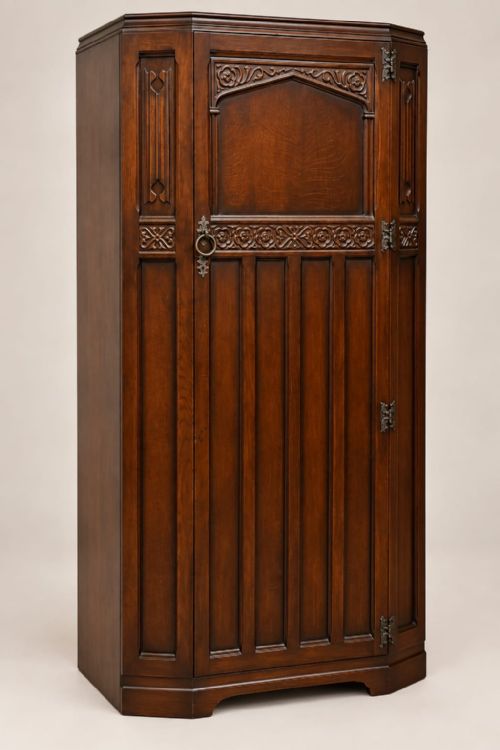
The selection includes rustic French panels, English country pieces, and fitted cupboard doors integrated into larger wardrobes, dressers, or corner cabinets. Most examples originate from domestic furniture, though occasional architectural salvage yields pieces intended for larder or wall integration.
Makers and regional workshops from Wales, France, and England utilised native timbers to construct these components, often incorporating traditional panel-and-frame construction to accommodate wood movement.
What varies in quality
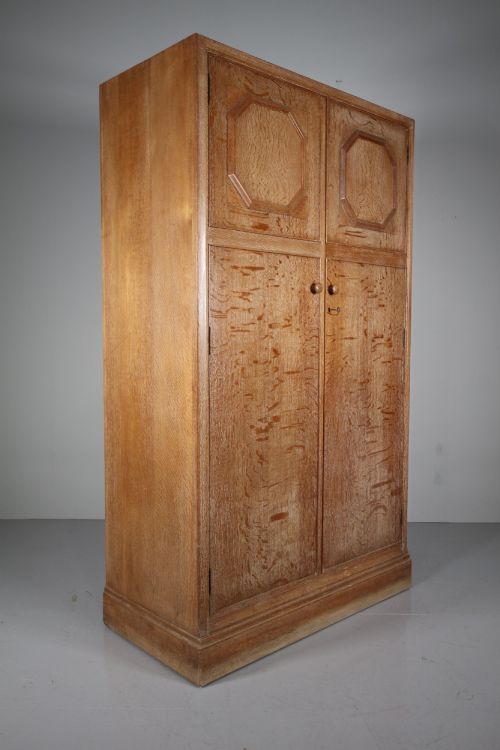
Quality rests in the selection of the timber, particularly the presence of medullary rays in quarter-sawn oak, and the crispness of the hand-carving or moulding details. Earlier centuries display depth in tool marks and joinery precision that distinguishes bespoke workshop output from later mass production.
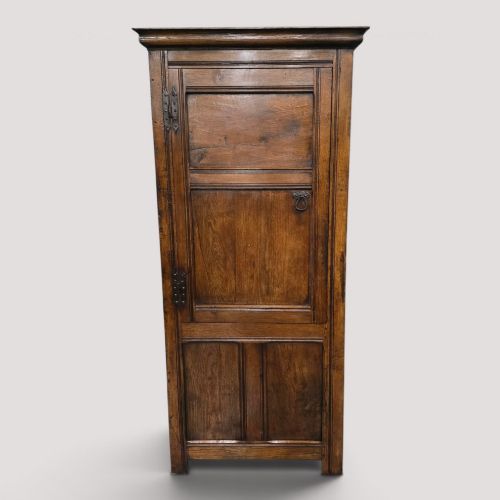
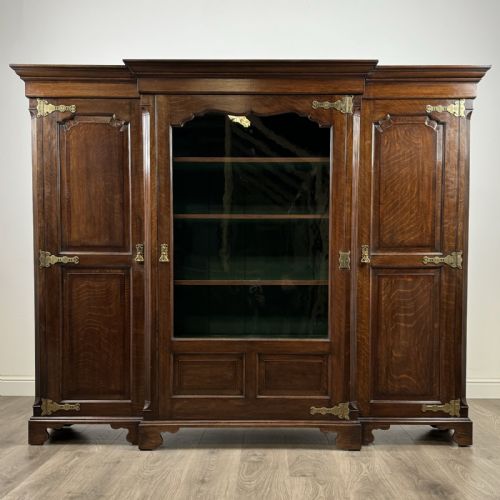
Hardware retention, such as original brass hinges, iron bolts, or latches, elevates an individual panel, while alterations or later paint layers shift the historical integrity of the piece.
Peter Waals·Harris Lebus·James D Bennet·Heal and Son
The Oak Cupboard Door Glossary
- Fielded panel
- A central wooden insert with bevelled edges designed to fit into a grooved frame, allowing the timber to expand and contract safely with humidity changes.
- Stile and rail
- The vertical (stile) and horizontal (rail) framing members that enclose the central panel of a door.
- Quarter-sawn
- Timber cut radially from the log, producing a durable board marked by characteristic medullary ray flecks often seen in high-grade Arts and Crafts furniture.
- Linenfold
- A style of carved wooden panelling popular in the Tudor period, designed to resemble folded parchment or linen.
- Hanging cupboard
- A wall-mounted or wardrobe-style cabinet designed to store garments or provisions off the floor.
Oak Cupboard Door: Frequently Asked Questions
How do I date an old oak door?
Dating relies on observing construction methods, such as the presence of hand-cut tenons, peg fastenings, and tool marks left by early saws. The style of moulding and the type of hardware attached also provide clear chronological markers.
Later pieces from the Victorian and Edwardian eras feature more uniform machine milling and standardised hinges, whereas seventeenth and eighteenth-century examples show individual hand craftsmanship and greater timber variation.
Were these doors originally built-in?
Many panels and doors originated as components of larger fitted furniture, such as housekeepers' cupboards, corner cabinets, or architectural larder units. Some sixteenth and seventeenth-century examples were constructed specifically as architectural elements to be built directly into walls.
Understanding the rebate and hinge placement helps determine whether a panel functioned as a standalone cabinet door or part of a larger fitted room installation.
How should I care for historic oak?
Historic oak benefits from maintaining stable indoor humidity and temperature to prevent the timber from splitting or warping. Gentle application of beeswax preserves the surface without building up synthetic residues.
Avoid placing wooden panels near direct heat sources or in prolonged direct sunlight, which can dry out the historic fibres and fade the natural colour of the timber.
Can I use an antique door architecturally?
These panels are frequently utilised in interior design projects for custom cabinetry, wall panelling, or conversion into functional cupboard fronts. Ensuring the structural stability of the frame allows the timber to support modern hardware.
Matching the historical period of the door to the surrounding interior creates an authentic integration within older properties or period room schemes.