





Oak Counter Display Case
An oak counter display case brings practical shop heritage into a room, offering glazed visibility for small collections and treasured objects.
Oak Counter Display Case
An oak counter display case sits upon counters and shop furniture, designed to present merchandise clearly to customers.
The versions met on this page span Victorian, Edwardian, and later commercial periods, including specific forms fitted with drawers.
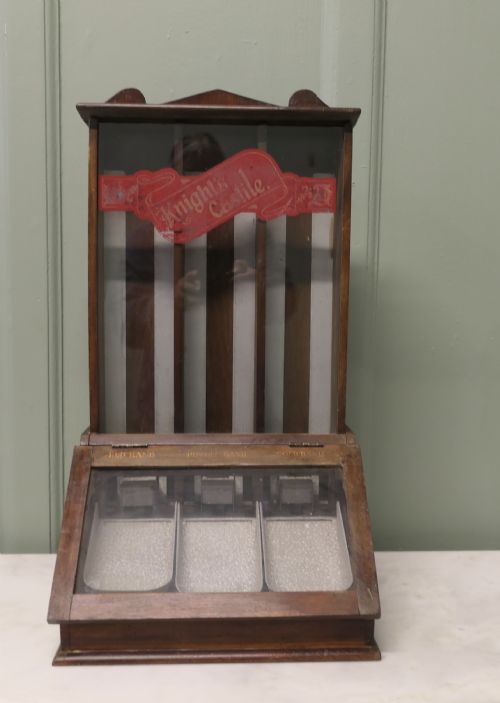
Makers such as F. Sage and Co supplied these utilitarian fittings, while other examples bear later sign-written details for confectionery brands.
Materials and construction
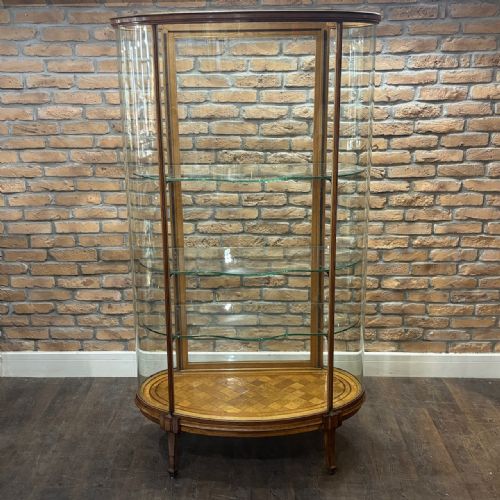
Makers construct these cabinets using solid oak frames housing large glass panels to maximise visibility from every angle.
Brass and other metal hardware, including hinges and drawer pulls, provide structural durability for daily commercial use.
Interiors frequently incorporate wooden shelving or surfaces lined with velvet to cushion delicate items placed within.
Oak Counter Display Case Retail Price Guide 2026
Typical asking prices for oak counter display case among the pieces listed under this phrase on Sellingantiques today, from the lower quarter to the upper quarter. They describe what is for sale here now, not the wider market.
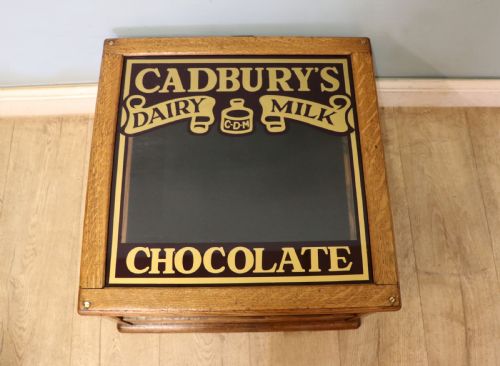
Chocolate lovers will appreciate finding cabinets later sign-written for Frys and Cadburys.
Assessing quality and character
Quality rests in the precision of the timber joinery and the clarity of the original glass panes retained in the frame.
Commercial provenance, such as factory attribution or authentic period sign-writing, elevates the historical interest of a piece.
F Sage And Co
The Oak Counter Display Case Glossary
- Countertop
- A furniture format intended to rest upon an existing shop counter or table surface. These cases raise items to eye level for shoppers.
- Edwardian
- A stylistic period spanning the early twentieth century, noted here in commercial display fittings. Pieces from this era often show lighter timber tones.
- Victorian
- The nineteenth-century period associated with early retail cabinetry. Items from this time display robust construction and traditional joinery.
- Art Deco
- A twentieth-century design style seen in later display cases. This aesthetic favours geometric lines and modern commercial presentation.
Oak Counter Display Case: Frequently Asked Questions
What are oak counter display cases?
These pieces are glazed timber cabinets built for nineteenth and twentieth century retail spaces. Merchants used them to keep goods visible yet secure on shop counters.
Today, collectors utilise them in domestic settings to exhibit small antiques, medals, and curiosities safely.
How do I date an oak display case?
Dating relies on observing construction methods, timber thickness, and hardware styles. Victorian pieces differ subtly in moulding profiles from Edwardian and later 1920s examples.
Commercial labels or sign-writing also provide reliable chronological markers for specific cabinets.
Where should I place a countertop case?
These cabinets suit placement on sideboards, desks, or low tables where top and side glass panels catch natural light. Ensure the supporting furniture matches the depth of the case base.
Keep them away from direct sunlight to protect interior fabrics like velvet from fading.
How are interiors usually fitted?
Many examples feature simple wooden bases, occasionally lined with velvet or equipped with pull-out drawers for additional storage. These configurations reflect their original retail purpose.
Access typically occurs through rear hinged or sliding doors operated by the shopkeeper.