


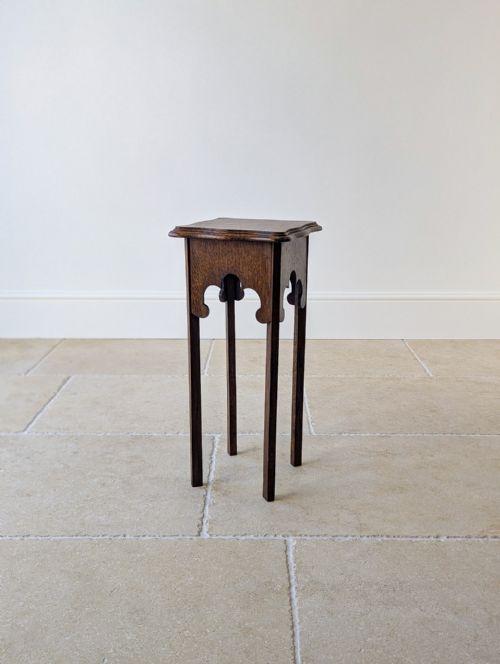
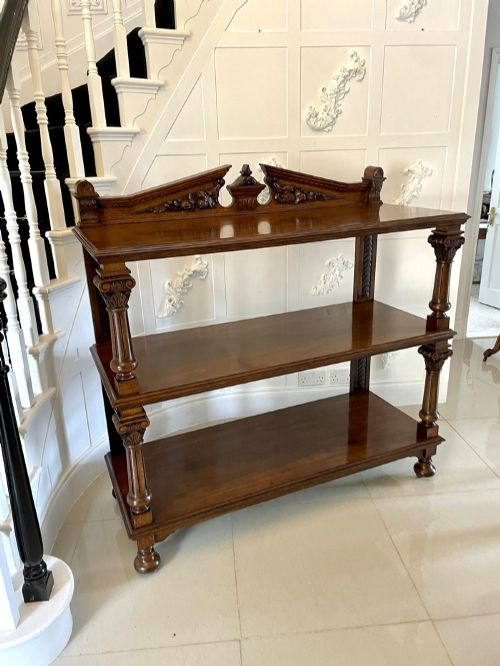
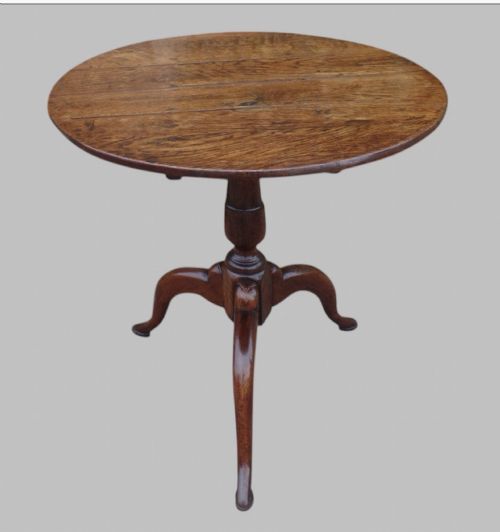
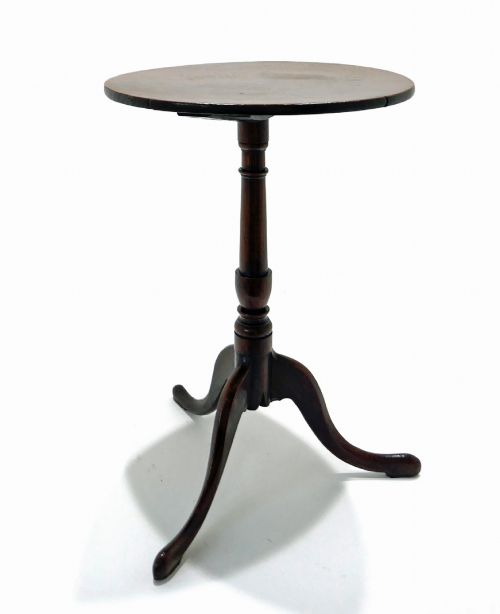


Oak Column Stand
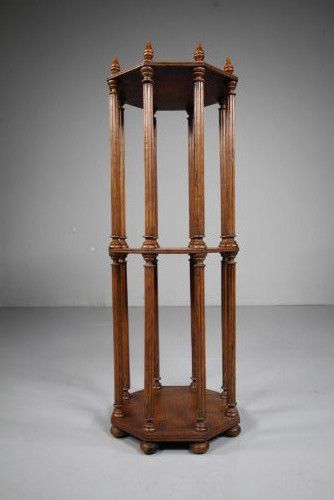
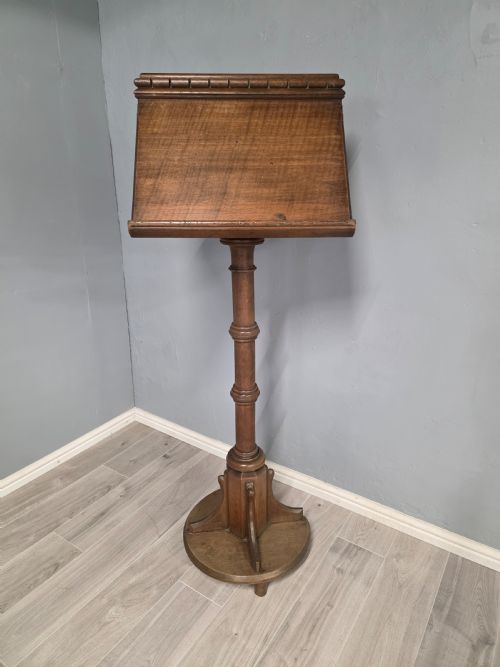
An oak column stand provides a sturdy vertical stage for display, combining structural timber with classical form to lift ornaments or plants.
Oak Column Stand
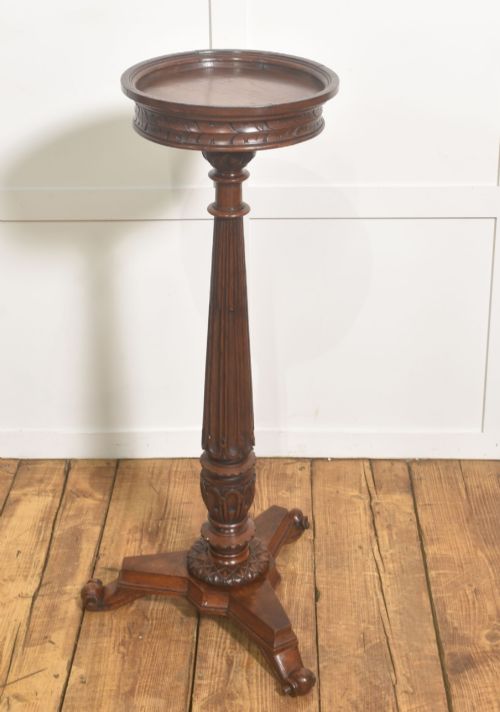
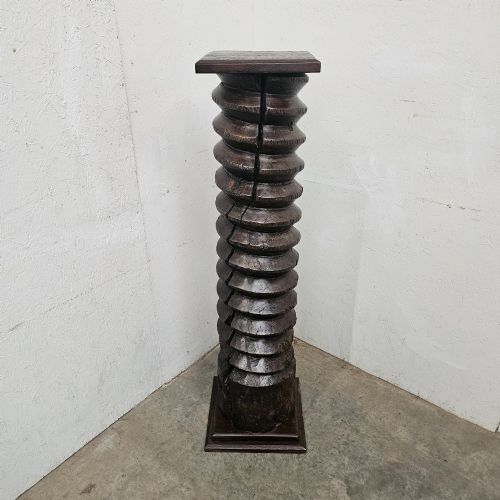
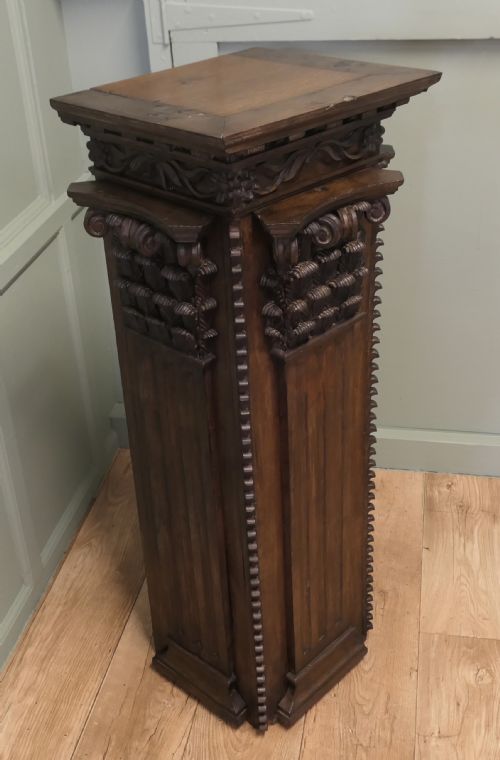
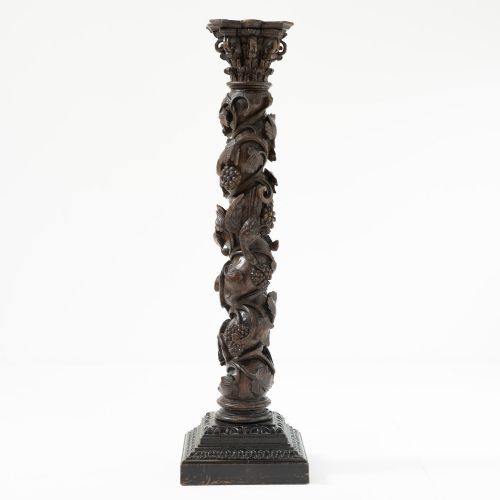
An oak column stand is a vertical furnishing designed to elevate objects such as plants, busts, or lamps within a room. When you examine this page, you encounter pieces spanning from the eighteenth century through to the 1930s, including Georgian, Victorian, and Edwardian examples.
How they were made
Cabinet makers utilised solid oak, frequently paired with secondary woods like yew or alternative hardwoods, selected for density and strength. Turning lathes shaped the central columns into spiral pillars or barley twist profiles, while hand-carving added decorative detail to capitals and bases.
Joinery techniques ranged from traditional tripod leg attachments to pegged joints and stepped platforms. Surfaces received wax or polished finishes that accentuated the natural grain and golden tones of the timber.
Oak Column Stand Retail Price Guide 2026
Typical asking prices for oak column stand among the pieces listed under this phrase on Sellingantiques today, from the lower quarter to the upper quarter. They describe what is for sale here now, not the wider market.
Materials recorded across the inventory include solid oak, yew wood, brass fittings, and glass components.
What varies in quality
The standard of a piece depends on the depth and crispness of the hand-carved ornamentation upon the column and capital. Finer examples display balanced proportions, stable weight distribution, and expert turning that maintains symmetry along the entire shaft.
Selection of timber also determines worth, with tight-grained quarter-sawn oak showing distinct medullary rays outperforming plain boards. Original surfaces and minimal structural alterations distinguish superior specimens from heavily restored items.
The Oak Column Stand Glossary
- Torchere
- A tall stand designed specifically to hold a light or candle. These pieces typically feature a slender central column supporting a small upper platform.
- Solomonic
- A column shape characterised by a helical twist or spiral shaft. This classical motif appears frequently on seventeenth and eighteenth-century revival supports.
- Tripod table
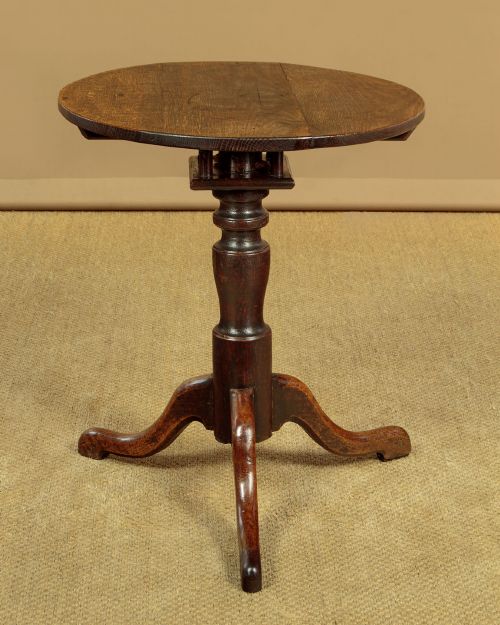
- A small occasional table supported by a central pillar resting on three legs. This construction prevents wobbling on uneven domestic flooring.
- Jardiniere
- A decorative pot or stand intended to hold plants or flowers. In furniture, the term describes stands equipped with platforms suited for botanical displays.
- Dumbwaiter
- A multi-tiered freestanding piece used for serving food or displaying items. Examples in oak incorporate central columns supporting graduated circular trays.
Oak Column Stand: Frequently Asked Questions
What is an oak column stand used for?
These pieces function primarily to elevate decorative objects, indoor plants, lamps, or busts above floor level. Their vertical profile allows them to occupy tight corners or spaces between furniture without cluttering a room.
Historically, homeowners used them to display prized ornaments or provide task lighting in dim corners. Today, they serve a similar decorative purpose while adding architectural interest to an interior.
How do I date an oak column stand?
Dating relies on observing structural characteristics, joinery methods, and stylistic cues from the associated period. Eighteenth-century pieces often exhibit vernacular tripod designs with hand-turned shafts and pegged tenons.
Victorian and Edwardian versions frequently showcase heavier revival styles, including barley twist legs and machine-planed timbers. Examining the underside and wear patterns helps confirm the age of the piece.
Are these stands stable enough for heavy items?
Stability depends largely on the base design and the weight distribution of the central column. Tripod bases spread the footprint wider, which helps prevent tipping when supporting heavier planters or sculptures.
Heavier Victorian and Gothic pedestals use substantial plinths to anchor the vertical shaft securely. Buyers should check that the top platform sits squarely on the column without looseness.
How do I care for antique oak furniture?
Maintenance involves dusting regularly with a soft, dry cloth and applying natural beeswax periodically to nourish the timber. Avoid placing these stands near direct heat sources or strong sunlight, which can dry out and split the oak.
Spills should be wiped away immediately to prevent water marks on the polished surface. Gentle handling preserves the original patina and finish acquired over the decades.