


Oak Church Panel
These oak church panel pieces bring centuries of ecclesiastical woodwork into domestic spaces through benches, architectural fragments, and carved reliefs.
Oak Church Panel
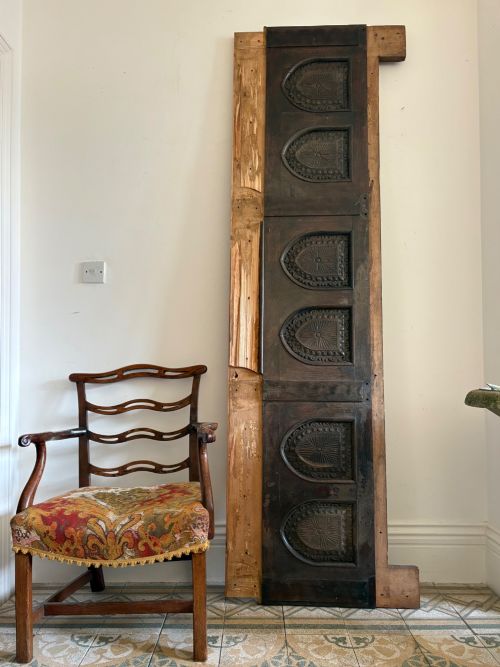
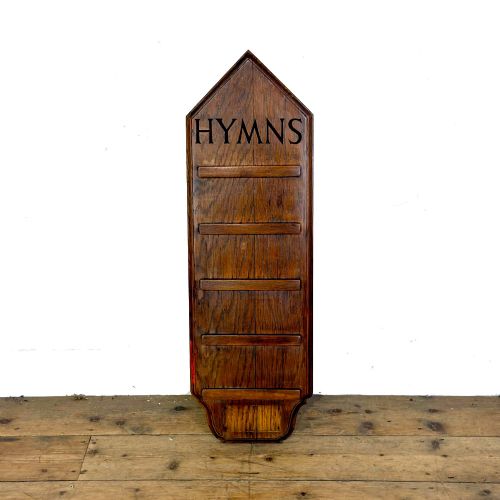
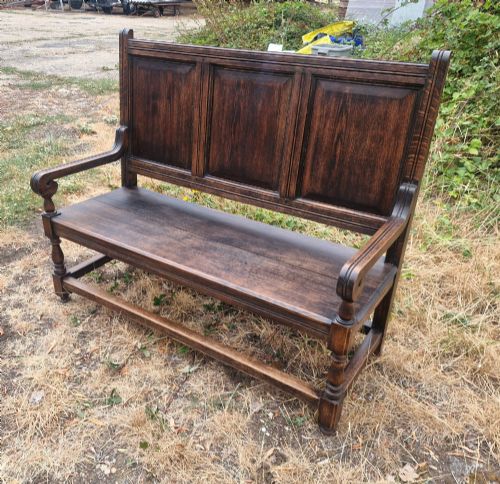
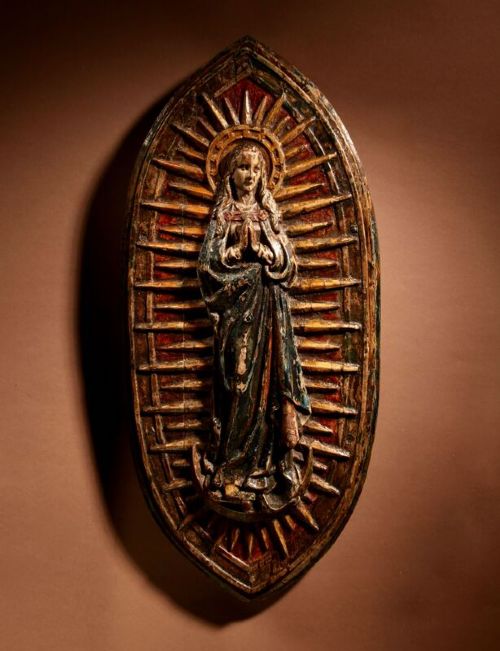
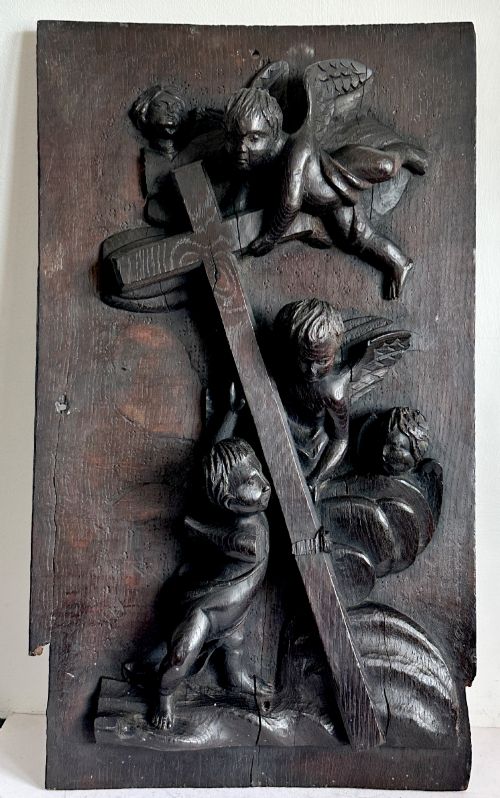
When buyers search for an oak church panel, they encounter an assortment of timber items drawn from centuries of religious architecture and ecclesiastical seating. These range from structural fragments such as ceiling bosses, tracery sections, and screen elements to complete seating pieces like pews and settles.
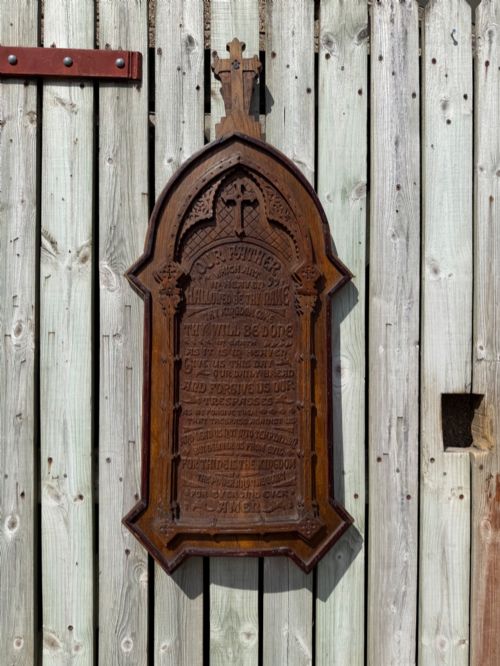
The selection includes flat panels carved with motifs like Tudor roses, religious texts, and figures, alongside substantial furniture items like hall chairs and benches. Pieces originate from various eras, spanning from the sixteenth century through the Victorian revival period and into the early twentieth century.
Buyers most frequently meet nineteenth-century Gothic revival adaptations alongside older seventeenth-century fragments and secularised church seating. Each form retains the heavy timber construction and religious iconography characteristic of its ecclesiastical origin.
What varies in quality
Quality rests upon the depth, precision, and state of preservation of the hand carving, distinguishing crisp figural work from simpler geometric mouldings. The integrity of the original timber and the survival of historic surface treatments like early paint or gilding also separate standard examples from finer works.
Historical provenance and the completeness of structural elements dictate the standing of an item within the category. Pieces retaining their original context or specific architectural placement carry greater interest for collectors than adapted or later assembled fragments.
Listings feature oak church panels spanning from the sixteenth century to the Edwardian era, incorporating materials like polychrome paint, gold leaf, and brass.
The Oak Church Panel Glossary
- Poppy head
- An ornamental finial carved on the top of a bench end, frequently seen in church seating with foliage or animal motifs.
- Ceiling boss
- A decorative projection at the intersection of rib vaulting, often carved from oak with heraldic or religious symbols.
- Tracery
- The stonework or timber framework supporting glass in a Gothic window, adapted here in wood panels for screens and furniture.
- Settle
- A wooden bench with a high back, solid arms, and storage beneath the seat, common in both domestic and ecclesiastical settings.
- Romayne panel
- A type of wood panel featuring a medallion profile head carved in low relief, popular during the sixteenth century.
Oak Church Panel: Frequently Asked Questions
Where did these panels originate inside churches?
Ecclesiastical panels typically came from pews, screens, altarpieces, and ceilings where woodcarvers decorated structural timber with religious imagery.
Craftsmen integrated these carvings into daily worship spaces before later alterations or building closures released them into the wider market.
How do I mount a heavy wooden panel?
Wall-mounted panels require robust fixings anchored directly into structural wall supports due to the substantial weight of dense historic oak.
Professional consultation ensures the hanging method distributes the load safely without damaging the antique timber.
Are painted surfaces on panels original?
Some pieces retain early polychrome paint, gilding, or later finishes applied during subsequent ecclesiastical redecoration campaigns.
Examining the pigment layers and wear patterns helps determine whether paintwork dates to the construction period or a later Victorian revival.
How can I tell a sixteenth-century panel from a Victorian copy?
Early sixteenth-century work displays tool marks, timber shrinkage, and wear patterns consistent with centuries of manual handling and atmosphere.
Victorian Gothic revival pieces often show machine assistance, different fastening methods, and interpretations of medieval styles that reflect nineteenth-century craftsmanship.