
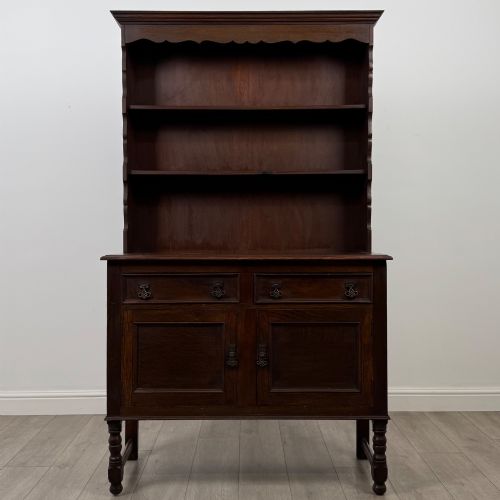
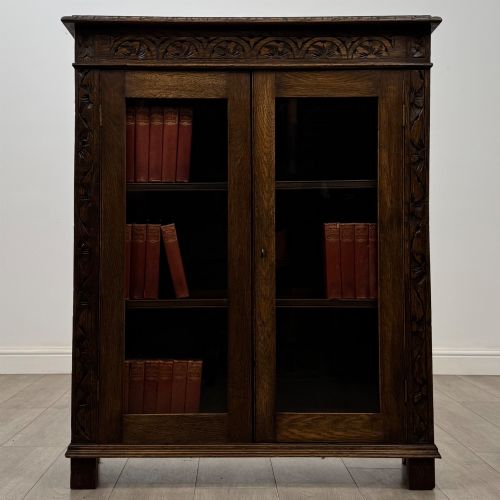
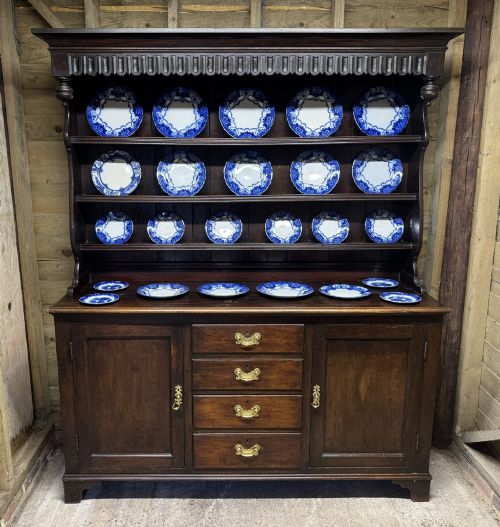
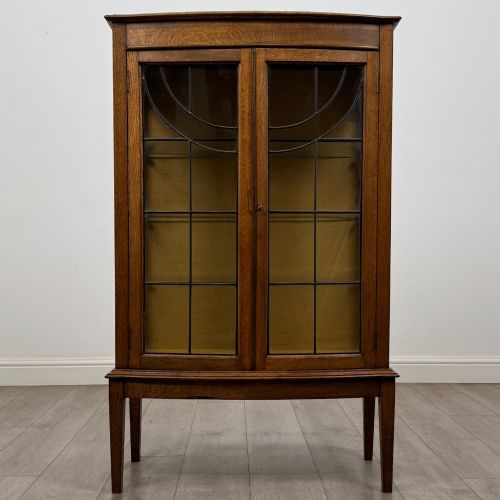
Oak China Cabinet
An oak china cabinet brings solidity and warmth to any room while keeping treasured porcelain safely on display behind glass.
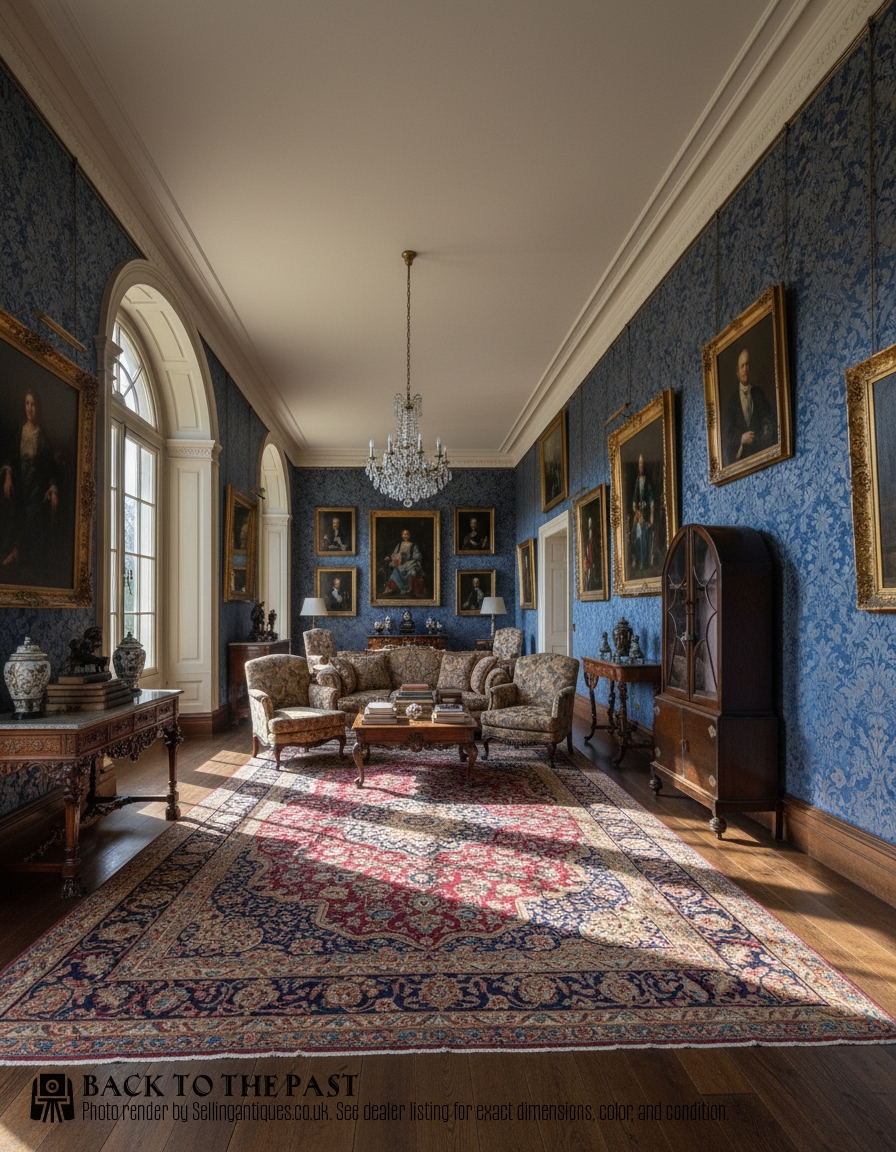
Understanding the oak china cabinet
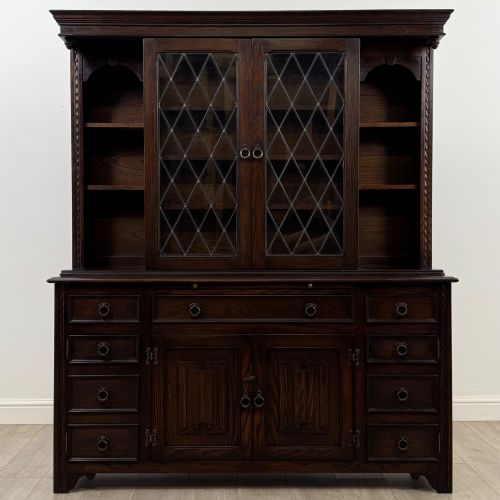
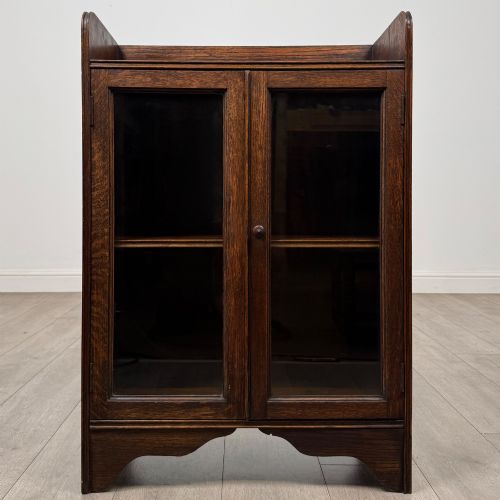
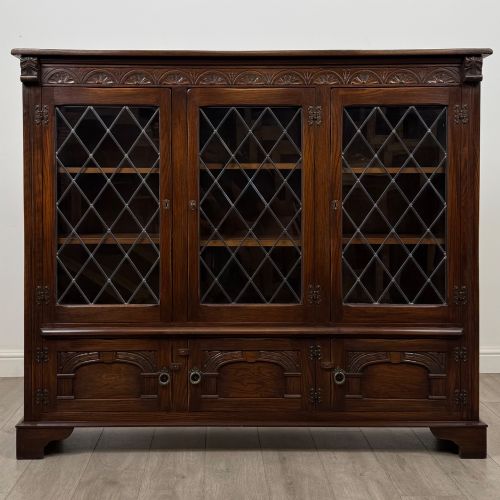
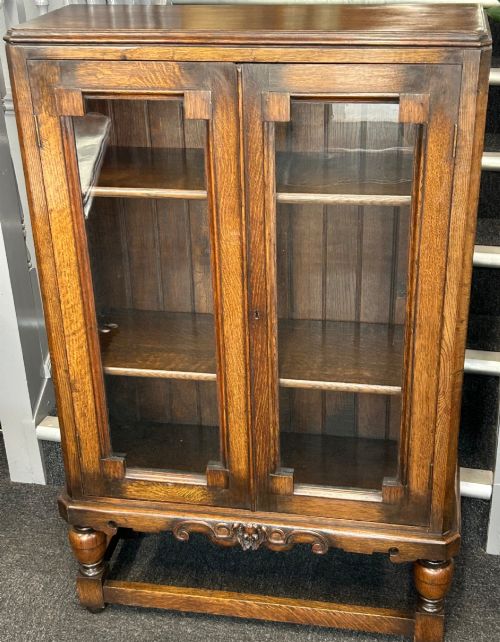
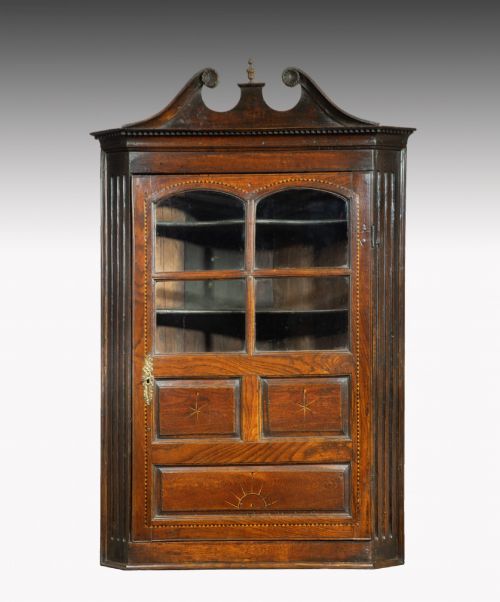
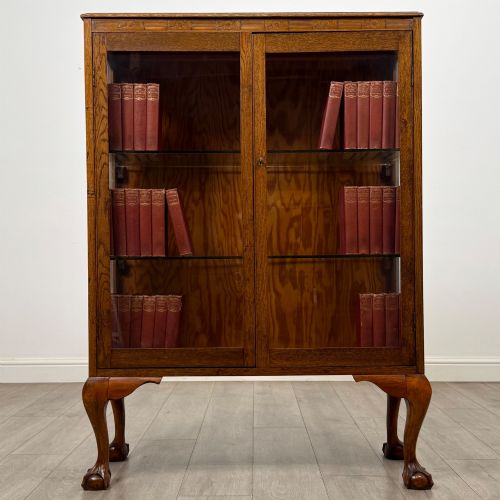
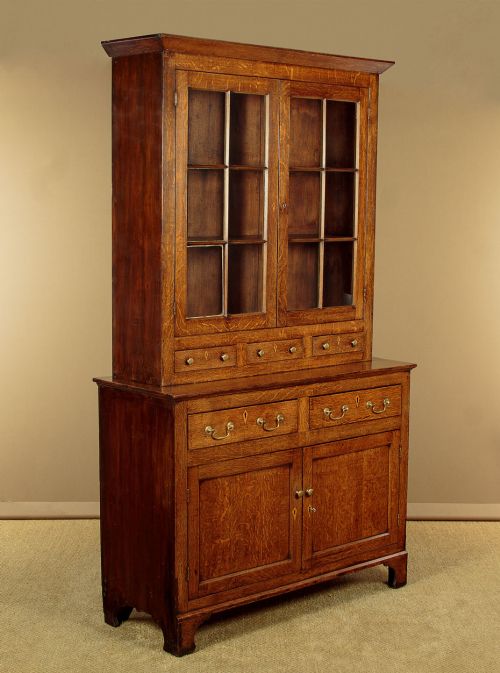
An oak china cabinet combines functional storage for tableware with glazed display space for decorative ceramics. These pieces appear across several distinct periods, including the nineteenth century, Edwardian era, and the nineteen-twenties.
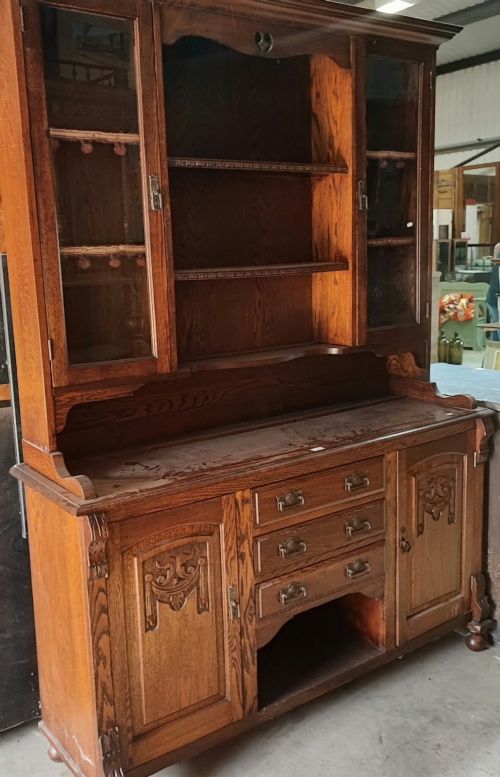
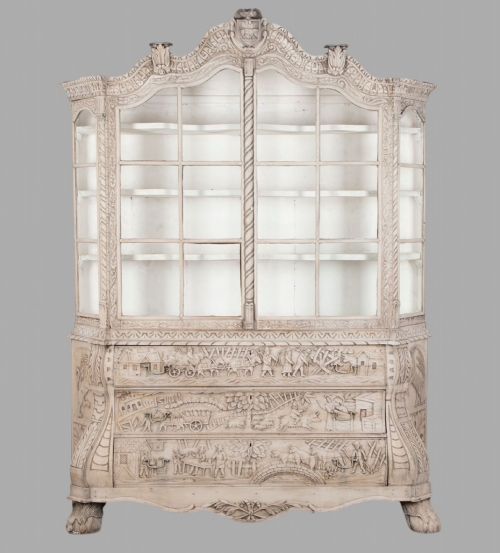
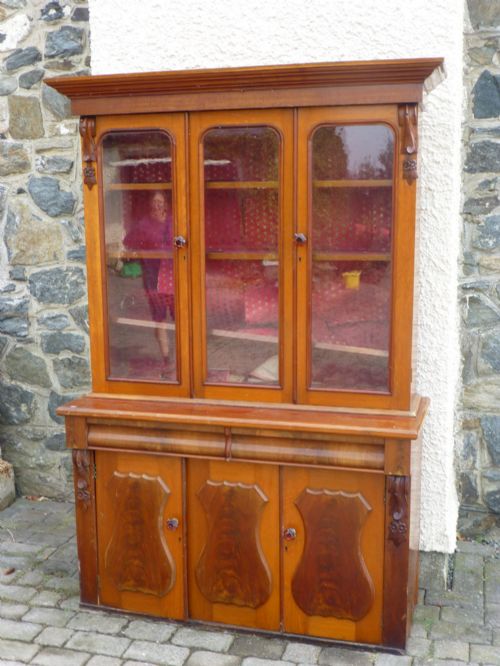
The form ranges from tall bookcases with glazed upper sections to low bowfront display cabinets and kitchen dressers. Makers utilise styles such as Jacobean Revival, Arts and Crafts, and Art Deco to shape the timber.
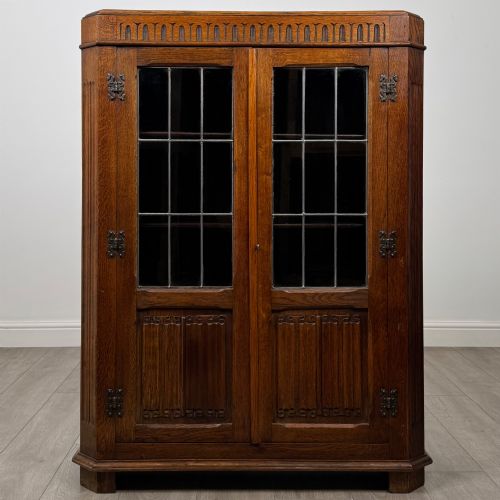
Edwardian examples and pieces from nineteen-twenty emerge frequently on this page, often featuring leaded glass or single door configurations. Collectors encounter everything from large carved cupboards to compact mirrored cabinets.
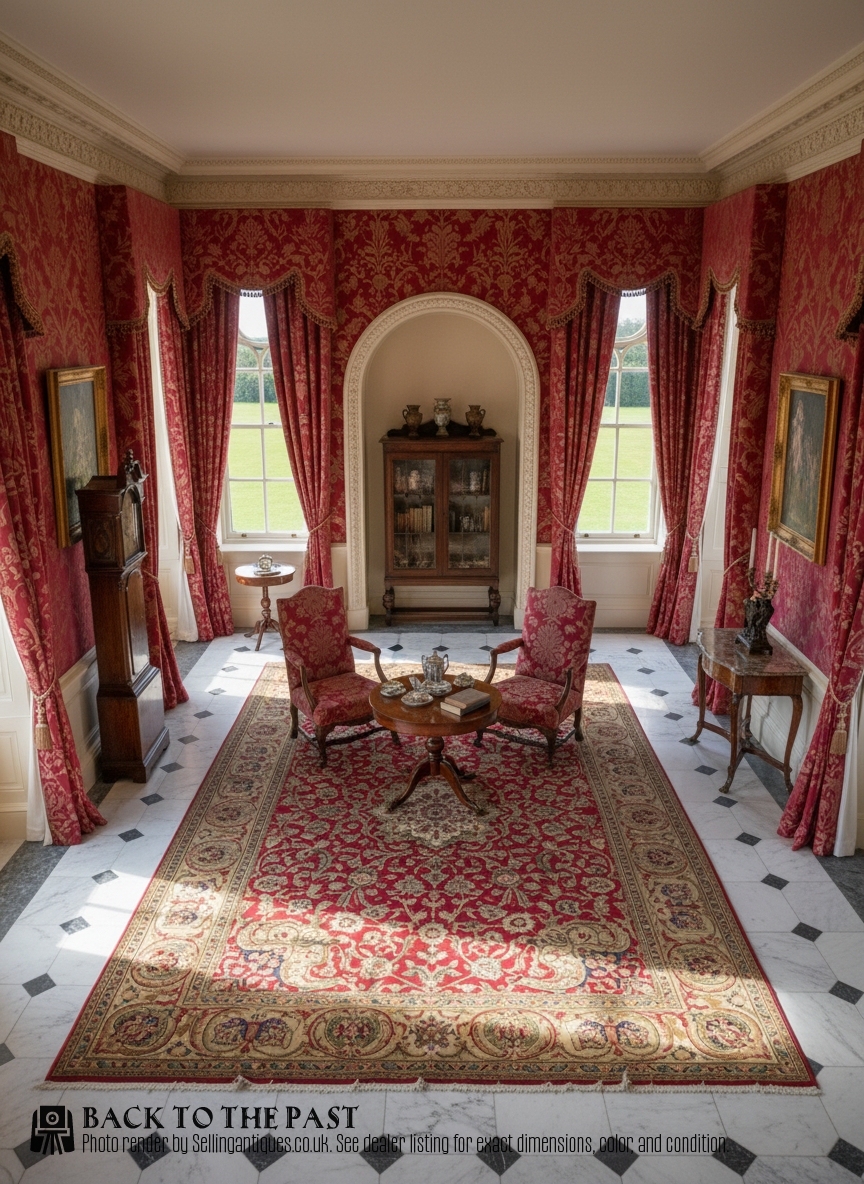
Materials and construction
Craftsmen construct these cabinets primarily from solid oak, occasionally combining it with mahogany for secondary elements or contrasting detail. Glass panels form the doors, while brass provides hardware such as hinges and handles.
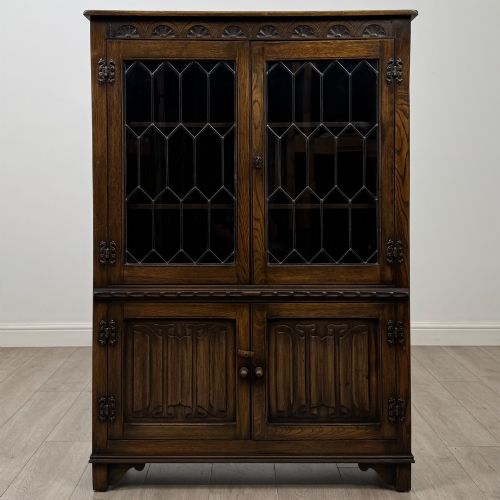
Makers incorporate lead to hold smaller panes together in glazed doors, particularly on Edwardian and Arts and Crafts examples. Carved cupboard bases add structural weight and architectural interest beneath the display sections.
Retail Price Guide 2026
Typical UK retail prices for oak china cabinet, calculated from the Sellingantiques database of over a million retail prices indexed since 2003. This retail price guide relies exclusively on Sellingantiques data; no external sources or auction records are used, so the figures do not describe the wider market.
Listings span the nineteenth century through the nineteen-thirties, incorporating oak, glass, brass, and lead materials.
Distinguishing quality across the range
The refinement of the carving and the proportion of the woodwork dictate the standing of each piece within its period. Crisp mouldings and well-balanced door panels separate standard utilitarian furniture from finer decorative work.
The clarity and treatment of the glass, whether plain, bevelled or set in leaded cames, influence the overall character and visual appeal. Selection of the oak grain and the integration of brass fittings further mark out superior examples.
The Oak China Cabinet Glossary
- Bowfront
- A curved cabinet front that swells outward in the centre. This shape softens the corners of a room and showcases the grain of the oak.
- Glazed
- Fitted with glass panels to protect contents from dust while allowing visibility. This technique defines the primary purpose of a display cabinet.
- Leaded glass
- Individual panes of glass held together by strips of lead called cames. This method creates decorative geometric or floral patterns across cabinet doors.
Frequently Asked Questions
What fits inside an oak china cabinet?
These cabinets suit porcelain plates, glassware, and decorative ceramics that benefit from protection against dust. Adjustable wooden shelves accommodate items of varying heights.
Lower cupboards provide enclosed storage for linens, heavier serving platters, or items kept out of sight.
How do I date an oak china cabinet?
Examine the overall style, hardware, and construction methods to determine the period. Edwardian pieces often display delicate glazing bars, while nineteen-twenty cabinets may lean towards Jacobean Revival motifs.
Art Deco examples from nineteen-thirty introduce streamlined geometric lines and distinct veneer patterns that depart from earlier revival styles.
Where should I place a china cabinet?
Position the cabinet against a sturdy interior wall away from direct sunlight to protect both the timber and displayed ceramics. Allow sufficient clearance for doors to swing open fully.
Dining rooms and living spaces provide the traditional setting for these pieces, where glazed fronts contribute to the room's decorative scheme.
Are these cabinets difficult to maintain?
Maintaining an oak cabinet involves regular dusting with a soft, dry cloth and occasional treatment with appropriate timber wax. Avoid silicone-based polishes that build up over time.
Keep the interior glass clean using standard glass cleaner applied to a cloth rather than sprayed directly near the wooden frame.