
Oak Cabinet with Glass
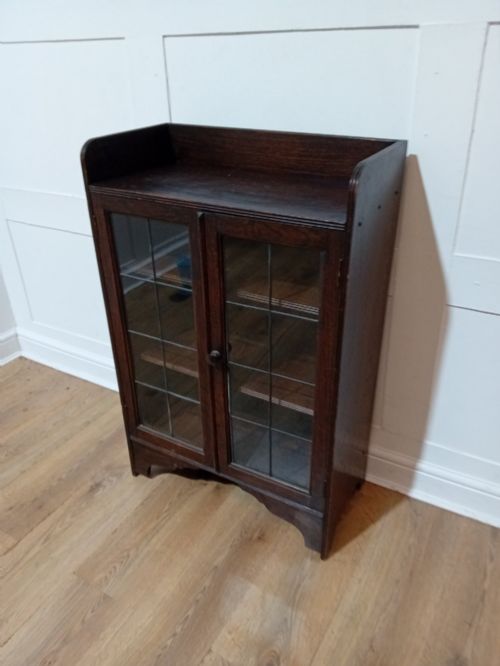
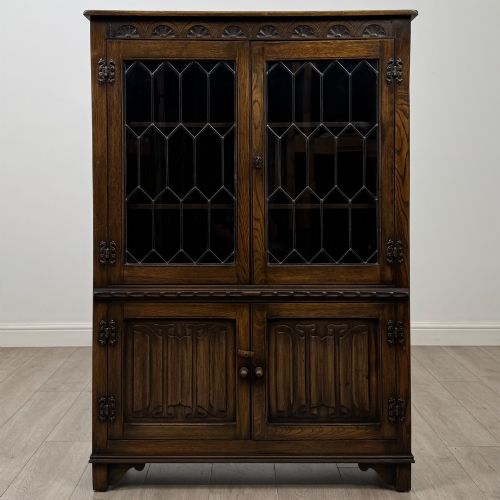
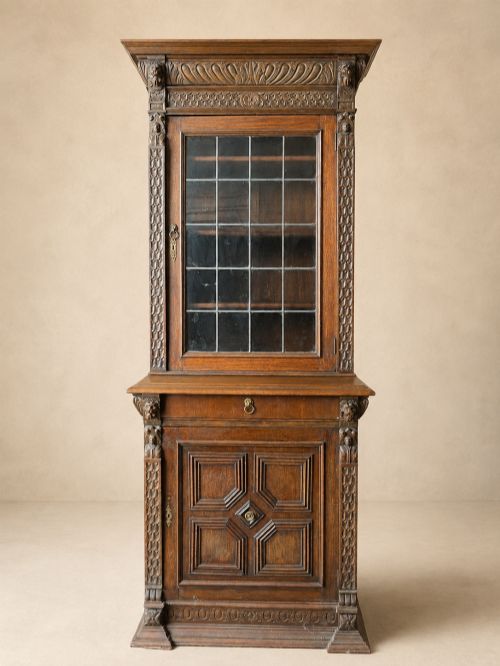
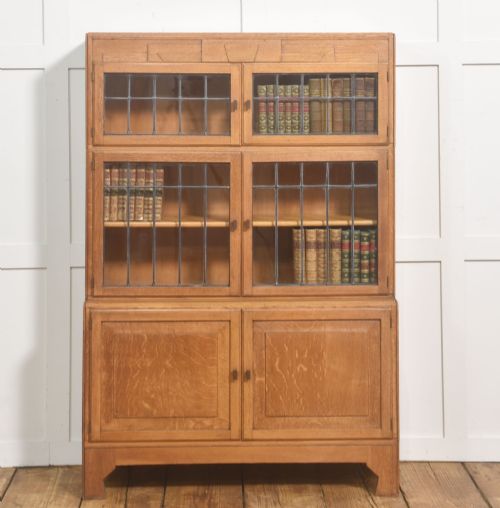
An oak cabinet with glass brings together solid timber and clear panels to store and show your books and collections.
Oak Cabinet with Glass
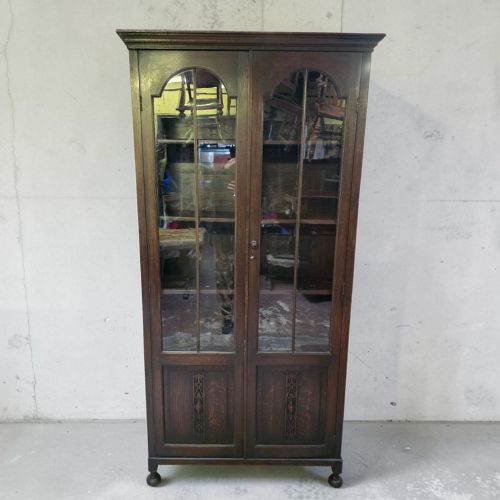
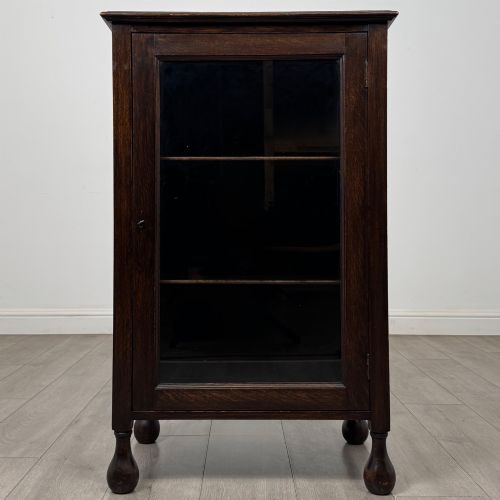
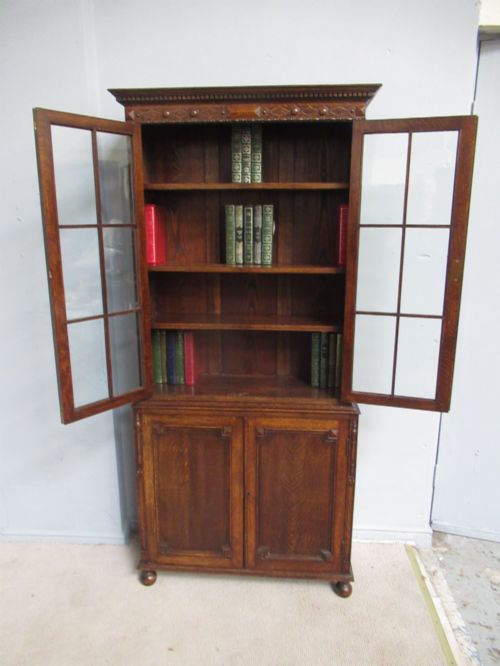
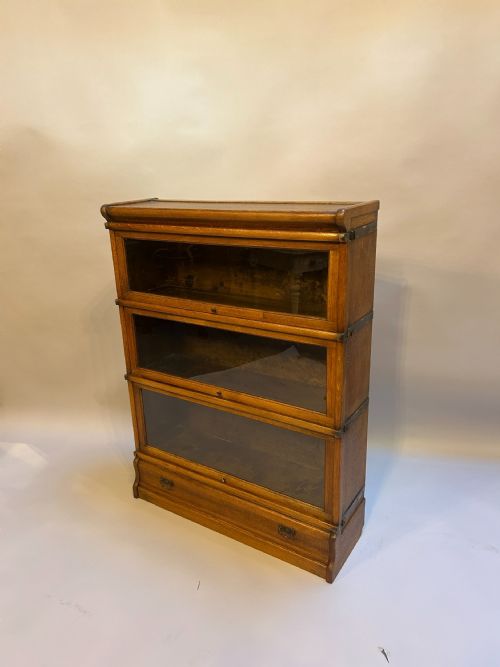
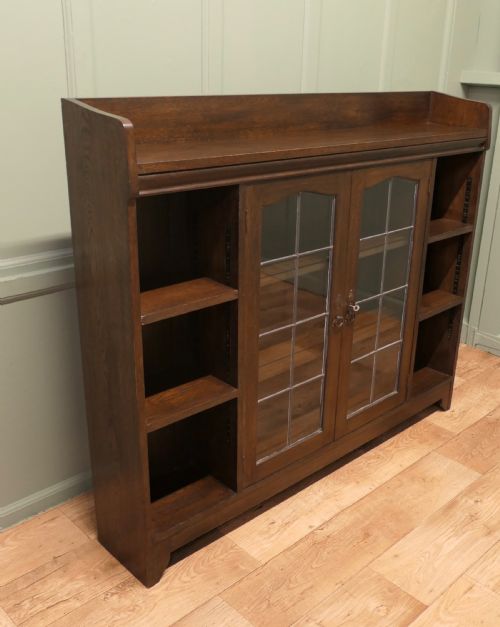
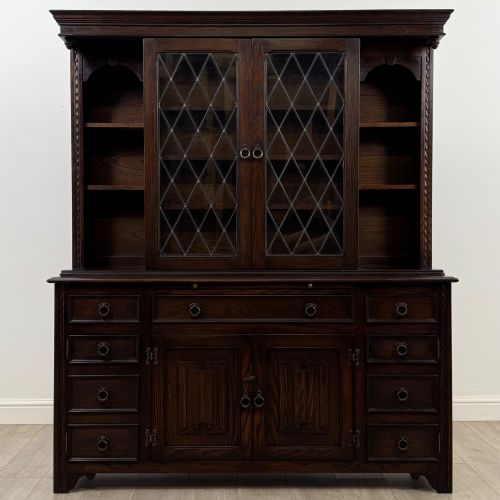
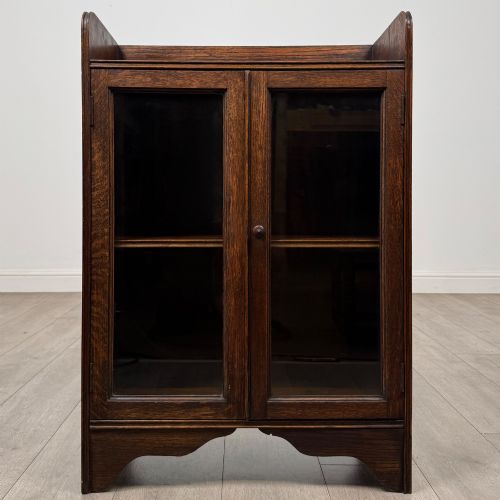
An oak cabinet with glass is what you are browsing when you look at bookcases, display cabinets, and bureau bookcases designed to hold volumes or display ornaments. The pieces you encounter most often span the Victorian, Edwardian, and 1920s periods, ranging from slim floor models to wide sideboards and stacking sections.
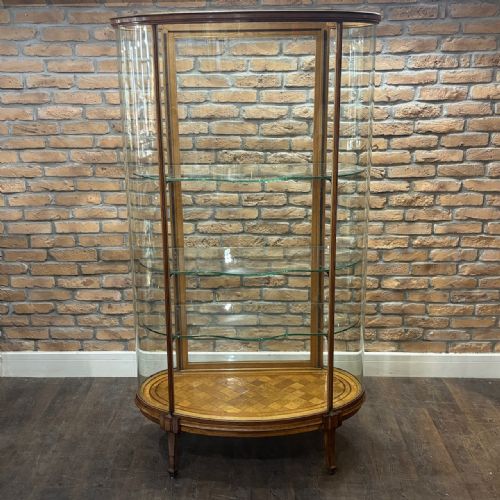
Makers shaped these forms in various styles, including Arts and Crafts, Jacobean Revival, and Art Deco, utilising glazed doors to protect contents while keeping them visible. You will find items such as counter top display cabinets and collector's cabinets sitting alongside tall barrister bookcases fitted with leaded glass.
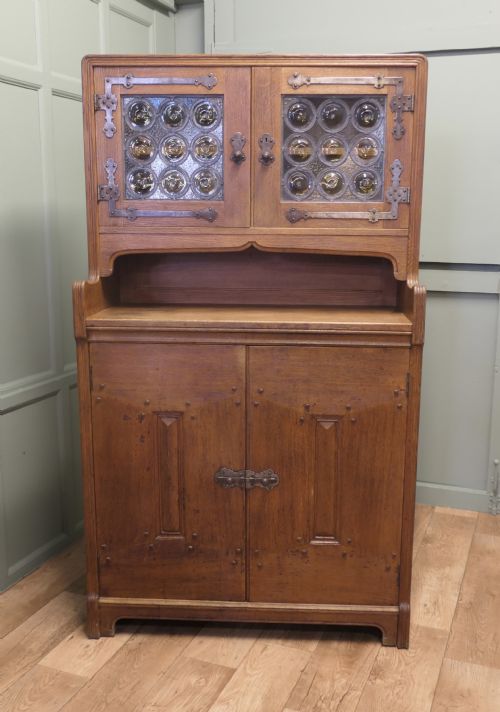
Many of these designs incorporate practical additions like drawers, brass panels, or open shelving, reflecting their original domestic or commercial use. The timber shows distinct grain patterns in golden or solid oak, frequently paired with mirror backs, iron fixings, and gilt brass mounts.
Markers of quality
The standard of timber selection and joinery distinguishes finer pieces, with tightly figured oak grain and precision-cut joints showing superior craftsmanship. Heavier carving and deliberate architectural proportions separate standard utility furniture from pieces produced by notable designers and workshops.
The quality of the glazing and associated hardware plays a significant role, where hand-led glass panels, bevelled edges, and substantial brass or gilt brass fittings indicate higher execution. Secondary woods, drawer linings, and the smoothness of operating mechanisms like secretaire drops or stacking doors also mark the distinction between everyday items and superior examples.
Materials paired with oak include lead, brass, mirror glass, and iron across various display cabinets and bookcases.
Ambrose Heal for Heal and Son·Globe Wernicke·Minty
The Oak Cabinet with Glass Glossary
- Bureau bookcase
- A combination of a writing slope with a shelved bookcase above, often enclosed by a fall-front desk and glazed upper doors.
- Barrister bookcase
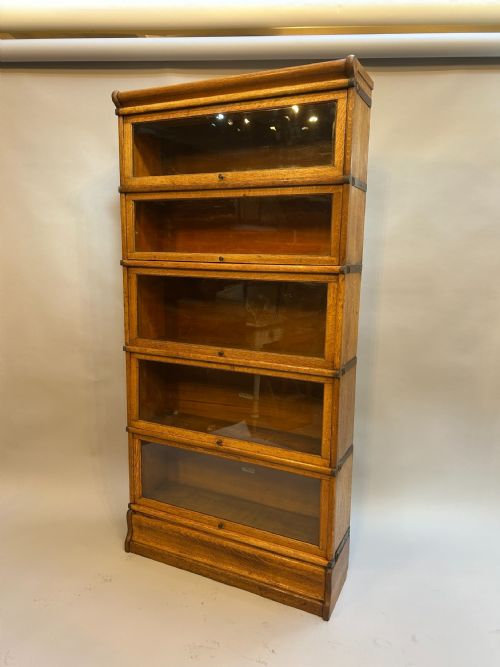
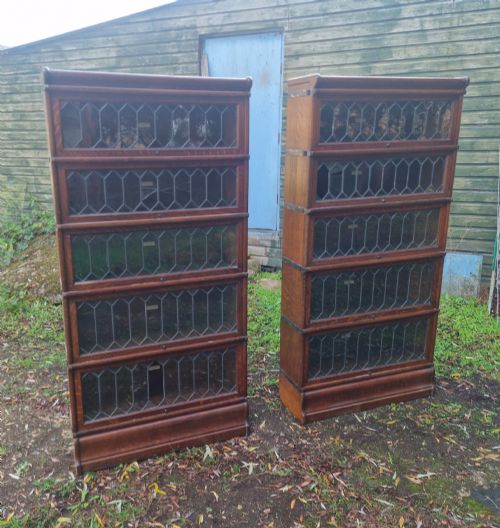
- A modular bookcase featuring stacked sections with upward-lifting glass doors, designed to protect law books or general libraries.
- Collector's cabinet
- A specialised small cabinet fitted with multiple shallow drawers behind a glazed door, intended for the storage of specimens or small objects.
- Secretaire bookcase
- A tall storage piece containing a fitted writing drawer with pigeonholes and small drawers, positioned beneath glazed shelving.
- Leaded glass
- Glass panes held together by lead cames in geometric or decorative patterns, commonly seen in Arts and Crafts and Gothic revival pieces.
Oak Cabinet with Glass: Frequently Asked Questions
What fits inside a barrister bookcase?
These modular cases accommodate standard book sizes within their stacked, glass-fronted compartments. The individual tiers protect volumes from dust while allowing quick access.
Larger bottom sections can hold heavier folios or reference books, while upper tiers suit novels and smaller volumes. The stacking design lets you reconfigure the height to suit your room.
How do I date an oak display cabinet?
Dating relies on observing construction methods, hardware materials, and stylistic cues such as Edwardian inlay or 1920s geometric lines. The presence of leaded glass or specific revival styles points toward distinct decades.
Examining the interior timber and the fixings gives further clues to the manufacturing period. Simple changes like brass panel designs or mirror backs help narrow down the decade.
Can I use these cabinets for modern living?
These pieces serve well in contemporary spaces for storing books, displaying ceramics, or organising glassware. Their robust oak construction handles everyday utility without losing character.
Slim profiles and counter top versions fit easily into smaller rooms or hallways. Glass doors keep collections visible yet protected from household dust.
What is the difference between an Arts and Crafts and a Victorian cabinet?
Arts and Crafts pieces emphasise simple construction, visible joinery, and natural materials with minimal applied ornament. They often feature hammered brass or leaded glass panels designed by workshops of the period.
Victorian cabinets tend toward heavier proportions, deeper carving, and more formal symmetry. They frequently incorporate rich mouldings and darker finishes compared to the lighter golden oak of later decades.